

The Rise Of The Diversified Photographer
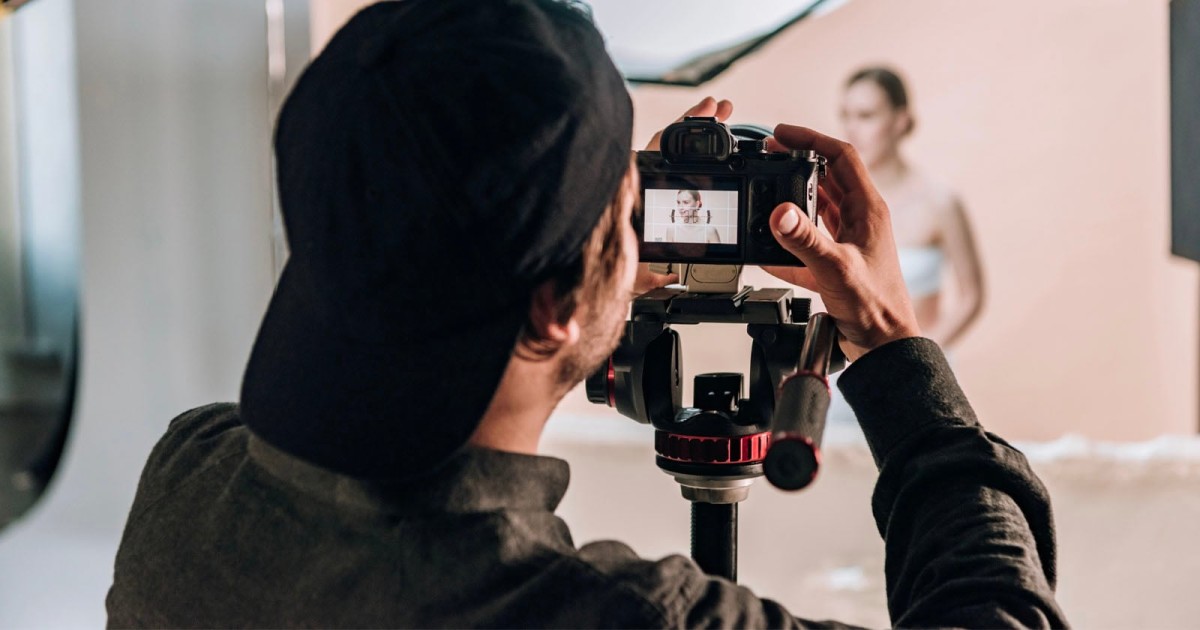
 Image credits: Depositphotos.com.
If you ask a photographer what they specialize in, they may pause before answering. That pause is worth paying attention to.
Photographers aren’t abandoning their initial creative interests, but the market has caused them to shift in ways that have made a singular focus on weddings increasingly fragile.
While a spring Saturday is still often reserved for weddings, by Tuesday, many photographers find themselves in a large conference room, directing a row of employees for headshots, and by Thursday, capturing family milestones in a local park. The following weekend brings yet another wedding, and the cycle continues.
Historically, a photographer’s professional identity was defined by a particular style and a predictable timeline within the wedding market. Now, that structure has changed. Couples are booking later, gathering fewer guests, and in many cases opting for something smaller and less formal than ever before. While the traditional Saturday wedding persists, a photographer’s calendar is now filled with a diverse array of work once considered secondary.
Naturally, the photographers who are thriving have deliberately built range into their portfolios. They’ve added corporate work, brand content, portraits, and event coverage, making weddings one part of a larger foundation rather than its entirety. Based on results from the HoneyBook 2026 State of Photography Study, which surveyed more than 455 photographers, nearly 86% of photographers earning over $100K offer four or more distinct service types, and diversified photographers are 50% more likely to reach top revenue tiers than those working fewer categories.
None of this is entirely new, but what’s different now is the degree to which doing more than one thing has become the distinguishing characteristic of the photographers doing the best financially. For some, diversification also opens a door to a different kind of career altogether, and they find themselves with options they didn’t have when weddings were their only offering.
For instance, for a wedding photo and video studio in New England, the broader service range helped them transition away from the grueling weekend schedule, enabling them to prioritize family life:
“We wanted to have a child, and we knew that we wanted our weekends back. So we’ve kind of shifted from being a solo entrepreneur… which led to having this team dynamic.”
While personal and professional portraits are two worlds with almost nothing in common aesthetically, from a calendar’s perspective, corporate headshots fill the workdays that weddings don’t. And for photographers who nurture client relationships from engagements through newborns and early milestones, they become creators of a longitudinal life portrait that spans years.
But this growth isn’t without its challenges. Nearly 30% of photographers say their 2026 priorities include booking more clients or higher-budget work while maintaining work-life balance—goals that are often in direct conflict. A mid-level photographer shooting 30 weddings a season faces a very different administrative load than a luxury photographer shooting ten. To manage both ambition and bandwidth, backend automation can help photographers reduce the manual administrative burden that comes with more or larger bookings. But most aren’t doing this.
51% of today’s photographers still manually transfer client data into gallery software, and 56% email those links by hand. For photographers managing numerous active clients a month, these hours of administrative friction could be better spent on creative output or higher-value tasks.
Tim Morris of Tide and True Photography knows the feeling well:
“I get text messages, DMs, emails, phone calls. It comes at me from all angles, and I have to respond, no matter how someone likes to communicate with me.”
That fragmentation extends beyond client communication. Only 5% of photographers have achieved a fully integrated post-shoot workflow. The rest are manually bridging the gap, shoot after shoot, regardless of how long they’ve been doing it. The administrative weight that follows a photography shoot is a big source of burnout.
As Alice Nelson of Alice Photo Co. put it:
“A lot of this has just been bootstrapped over the last five years, and I do really want to work on streamlining the process for me.”
Adding more services inevitably leads to more clients, but also more complexity. Photographers who want to grow their business without risking their work-life balance must implement new systems that grow with them. Without them, a diversified photographer effectively does triple the administrative work with no additional hours to spare.
For photographers who pause when asked about their specialty, there’s room for improvement within this more diverse, robust business landscape. The challenge most now face is ensuring operations can foster growth and happiness without being overwhelming or causing burnout.
What's Your Reaction?
 Like
0
Like
0
 Dislike
0
Dislike
0
 Love
0
Love
0
 Funny
0
Funny
0
 Wow
0
Wow
0
 Sad
0
Sad
0
 Angry
0
Angry
0








Comments (0)