

The Traps Almost Every Photographer Falls Into
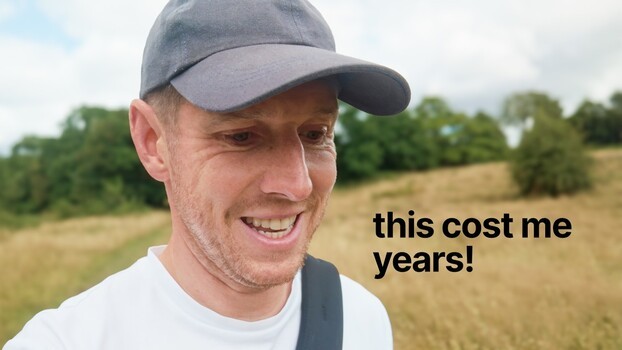
The tree at Sycamore Gap is gone, and so is any chance of photographing it. That kind of loss sits at the center of a hard truth every photographer eventually learns: the scene in front of you might never be there again.
Rick Bebbington turns a local walk into an honest accounting of the biggest mistakes he's made over years behind the camera, starting with the ones that still sting. He talks about wanting to shoot Pripyat near Chernobyl and putting it off, then wanting to shoot that fallen sycamore and putting that off too. Minutes after finishing the video, he stumbles on a woodland bridge, once a fallen tree across a river, now snapped and impassable. His point lands without much effort: opportunities vanish, sometimes fast, sometimes over years you assumed were guaranteed. Bravery, he argues, means taking the shot today instead of trusting tomorrow to hold still.
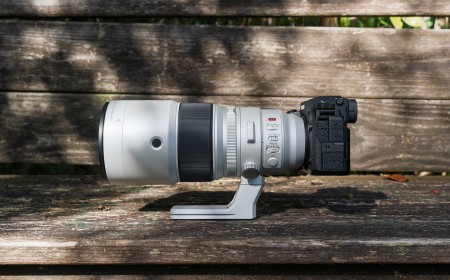
Then he gets to gear, and this is where a lot of you will recognize yourselves. Bebbington spent heavily upgrading to full frame, and when he bought a Canon 5D Mark III for weddings and low-light portrait work, the jump from APS-C genuinely mattered. For what he shoots now, he says full frame makes no difference at all, and he's not sure he'll buy another. The pattern underneath it is the one that catches most people. Gear "shouts" at us, convincing us a purchase is the shortcut past the harder, slower work of paying attention, practicing, and getting out more often. His fix is a single question he now asks before buying anything: does this actually serve the kind of photographer I want to be, or do I just want the new shiny thing?
That question only works once you know what your photography is, and Bebbington admits he went years without a clear answer. He links a "what to shoot" exercise below the video that walks you through your favorite images, not your technically best ones, to surface the threads connecting what you're drawn to. He's candid about other slow lessons too. He wishes he'd learned editing far earlier, having recently rediscovered old photos he'd written off that turned out to be strong once he applied techniques he didn't have back then. He also spent too long believing editing could rescue a weak frame. If the components of a good photo aren't there, no edit brings them back.
One thread worth pulling further is the isolation problem, because it connects to something bigger happening in how people learn photography now. Bebbington describes years of thinking he could do it all alone, believing he knew more than he did, avoiding workshops and skipping time with photographers better than him. Working alongside landscape photographer Nigel Danson on his videos changed that, and he calls what he absorbed transformative across every part of his craft. Plenty of us default to the solo route because the internet made self-teaching feel complete, with endless tutorials and no scheduling required. What that setup quietly removes is someone who can see your work from outside your own head and ask the question you'd never think to ask yourself. If you've been grinding through courses alone and feeling stuck, the missing piece is often a person. Finding like-minded photographers nearby or online tends to sharpen your eye faster than any single video can.
He closes on the advice to "niche down," and here he pushes back on conventional wisdom. Picking one lane and getting known for it works if you want to be the absolute best in a category. For most people, he thinks it costs more than it returns. He tried forcing himself into landscapes and realized too late he'd cut out street photography and the random subjects he genuinely loves shooting. There's a companion idea threaded throughout: shoot as often as you can, even boring stuff close to home, but step back and reassess when you feel yourself forcing it. Frequent local sessions became one of his biggest accelerants, and they helped clarify his vision in a way occasional sunrise trips never did.
The whole thing carries a lighter frame than a list of regrets suggests, big dogs on the path and all. Bebbington points out that everything he likes about where he is now came out of those exact mistakes, which is its own kind of reassurance.
Press play on the video above to hear Bebbington walk through each of these lessons in his own words.
What's Your Reaction?
 Like
0
Like
0
 Dislike
0
Dislike
0
 Love
0
Love
0
 Funny
0
Funny
0
 Wow
0
Wow
0
 Sad
0
Sad
0
 Angry
0
Angry
0








Comments (0)