

This new solar panel tech could take it past a significant threshold
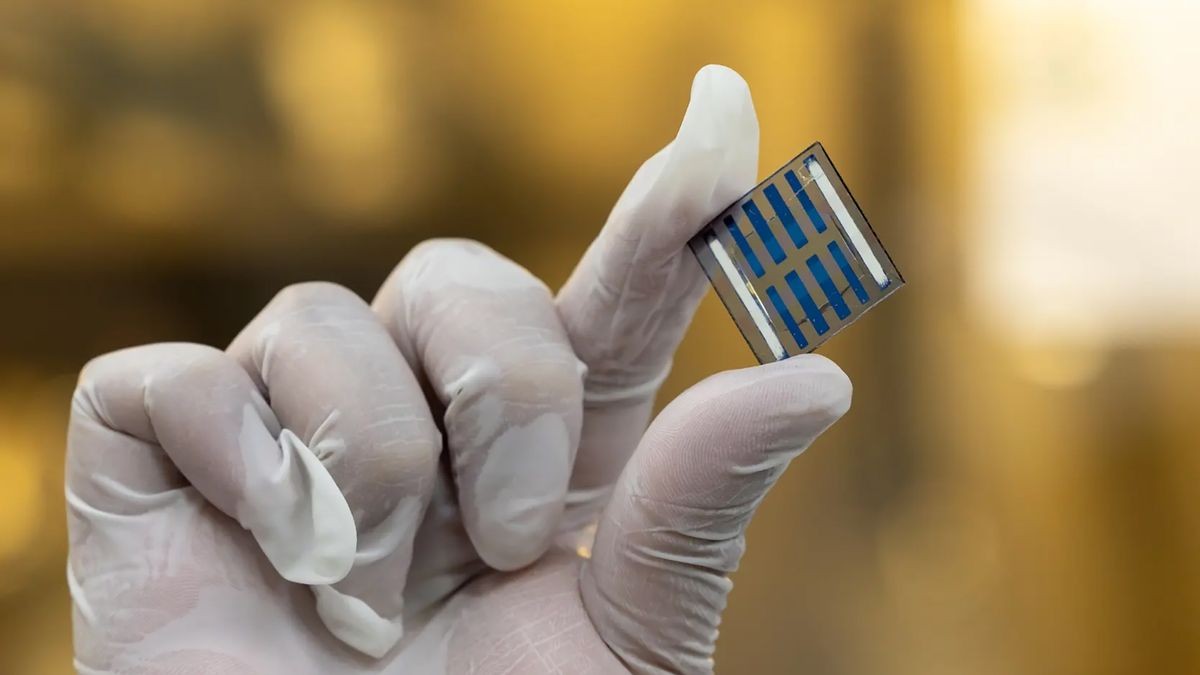
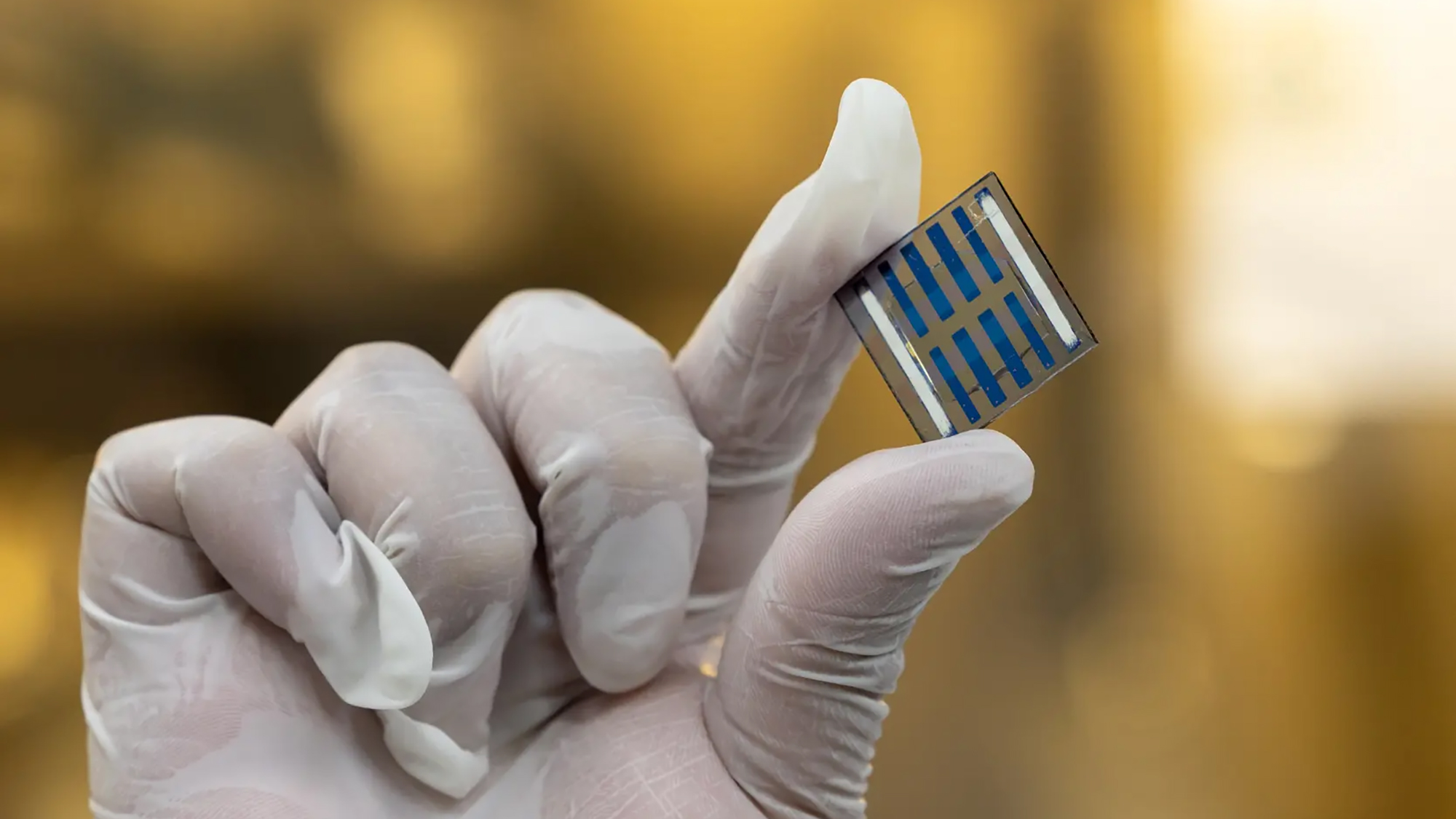 The new and improved solar cell
(Image credit: ICFO)
The new and improved solar cell
(Image credit: ICFO)
Solar power continues to be used more widely, and the science behind the technology is developing too: researchers from the Institut de Ciencies Fotoniques (ICFO) in Barcelona, Spain have just announced a breakthrough in solar cell engineering that could push efficiency rates beyond the standard 33% ceiling.
When the solar panels of today convert sunlight to electricity, most of the energy is lost along the way, through heat and light — one way to think about it is as the 'cost' of conversion. A physics theory known as the Shockley-Queisser limit predicts that we'll only ever be able to hit a 33% conversion rate in standard single-layer solar cells.
However, scientists like the team at ICFO are hard at work trying to break the Shockley-Queisser rules. In this particular study, the focus is on the faint infrared glow that solar cells give off: it's technically called the Boltzmann loss, and it's part of the reason today's solar tech is stuck below that 33% limit.
Beat the glow
When sunlight hits a solar panel, the photons in the light knock electrons loose in the panel's semiconductor material. Those electrons can be pushed out as electricity, but not all of the electrons are collected in time: some escape and are turned back into photons, which creates an infrared glow spilling out in all directions.
To tackle the problem, the ICFO team took a standard solar cell and swapped out the transparent front electrode — that's the bit the sunlight strikes first, and it has to both conduct electricity while also letting as many photons through as possible.
Rather than using the standard indium tin oxide for a front electrode, the scientists used a very thin layer of silver, thin enough to let most of the light through, operate as a conductor, and also behave partly like a mirror. This restricted the angles through which light could escape, boosting the efficiency rate.
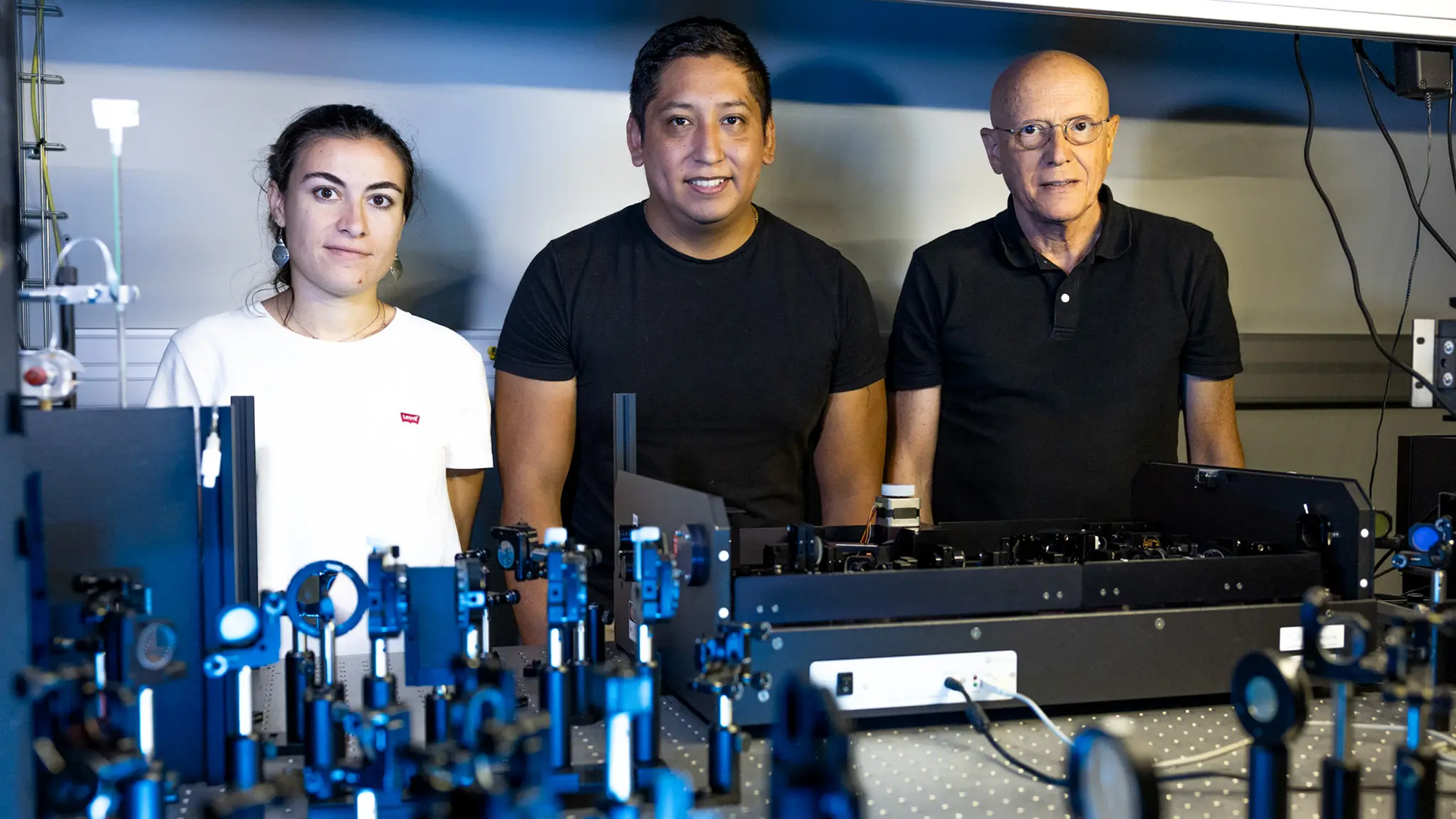
"Our study is a significant step forward in the solar energy conversion field as it opens a completely unexplored route to surpass the Shockley-Queisser limit," says Dr. Francisco Bernal Texca, the first author of the new study.
Sign up for breaking news, reviews, opinion, top tech deals, and more.
By adapting and evolving the approach used here, the scientists say that efficiencies close to 43% could be possible, in theory — though it's important to note that the team only observed small gains in efficiency in their tests. The 43% claim is a prediction about the potential of this method.
This 'mirrored box' approach to solar cells has been explored in the past, but no one's been able to get it working in a lab before, or to get boosts in both voltage and current at the same time (a critical part of the setup).
Stacking and splitting
As the ICFO researchers point out, there are multiple angles to approach solar panel efficiency from, and there's progress being made in all of them. There are basically three ways that energy is lost from sunlight in a solar panel: through light loss (as above), through heat loss, and through the photons having too little energy to be converted.
There's a lot of attention being paid to the heat loss part of the problem, and the most common way scientists are trying to get around this is by stacking two materials together. These have different bandgaps, which are essentially the minimum energy a photon needs to kick an electron loose. A bigger bandgap means more photons can be caught (it captures a greater spectrum of light, essentially).
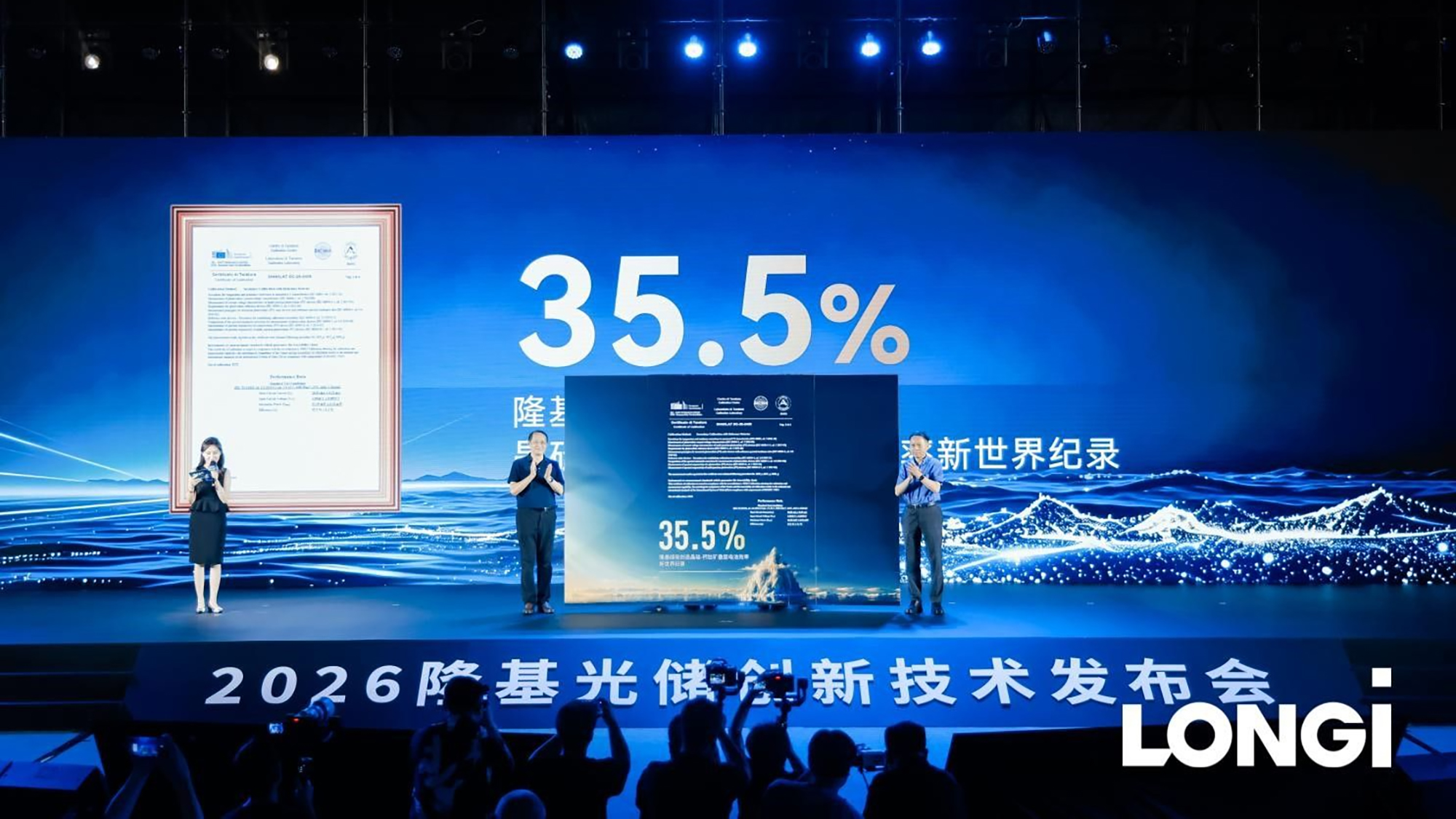
Earlier this year, Chinese solar manufacturer Longi set a new record of 35.5% efficiency by stacking a crystal material called perovskite on top of a conventional silicon cell. The bandgap of perovskite can be 'tuned' to accept specific wavelengths of light, which means higher energy photons can be absorbed.
You'll see a lot of different records and percentages announced though, which relate to different materials and different solar cell technologies. For example, researchers from Kyushu University and Johannes Gutenberg University Mainz recently announced a quantum yield of 130% with their own approach, using singlet fission.
That's a yield though, not an efficiency rate: to tackle solar panel heat loss, singlet fission splits high energy photons into two packets, which can then free two electrons, and in this case it produced 13 energy packets for every 10 photons. It could eventually improve solar cell efficiency further down the line, but more work is needed to develop it.
While this solar panel science can get quite dense and complicated, the end goal is simple to understand. As these technologies are refined and commercialized, we'll be able to get more electricity from solar panels without increasing their size, cutting utility bills and reducing our reliance on fossil fuel energy.

Follow TechRadar on Google News and add us as a preferred source to get our expert news, reviews, and opinion in your feeds.
Dave is a freelance tech journalist who has been writing about gadgets, apps and the web for more than two decades. Based out of Stockport, England, on TechRadar you'll find him covering news, features and reviews, particularly for phones, tablets and wearables. Working to ensure our breaking news coverage is the best in the business over weekends, David also has bylines at Gizmodo, T3, PopSci and a few other places besides, as well as being many years editing the likes of PC Explorer and The Hardware Handbook.
What's Your Reaction?
 Like
0
Like
0
 Dislike
0
Dislike
0
 Love
0
Love
0
 Funny
0
Funny
0
 Wow
0
Wow
0
 Sad
0
Sad
0
 Angry
0
Angry
0









Comments (0)