

Three Studios Are Now Backing The Silent Patient Movie, and That Changes Everything for Book Twist Adaptations


Published Oct 17, 2026, 8:17 PM EDT
Abby Shewmaker is a journalist covering books, art, entertainment, and culture. She studied Communications and History at the University of California, Los Angeles (UCLA), and is a Contributing Writer at FLAUNT Magazine.
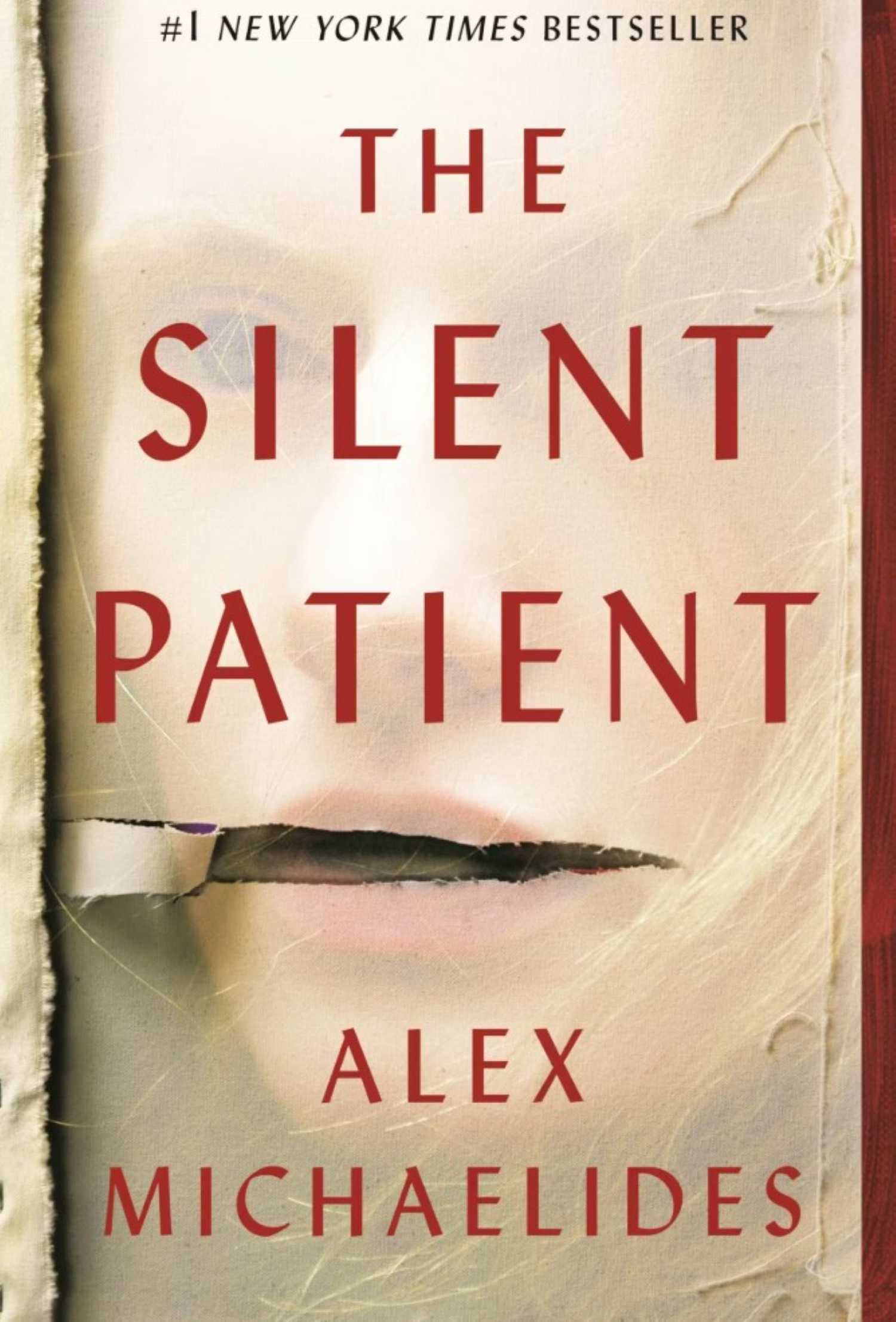
After seven years in development, Alex Michaelides’ The Silent Patient is finally making its way to the big screen. Sony Pictures has joined Annapurna and Plan B for the reportedly fast-tracked film adaptation. Producers are looking to attach a director and/or screenwriter in the coming months, though no cast, release date, or production start has been announced (Deadline).
For many fans of the book, this news has been a long time coming. But there's a new challenge that filmmakers and studios will have to face when it comes to adapting The Silent Patient, or any other book of its nature—that is, whether one of the most buzzy and heavily-spoiled novels of the last decade can perform well at the box office.
The Core Issue With Adapting Twisty Novels

The Silent Patient has sold more than 12 million copies, been published in 51 countries, and spent more than 200 weeks on The New York Times bestseller list. Its readership already knows how the story turns. This new adaptation is tasked with recreating and maintaining the suspense despite these factors.
The 2019 novel follows Alicia Berenson, a celebrated painter who shoots her husband and then stops speaking. Theo Faber, a psychotherapist, becomes fixated on reaching her and understanding what happened. The book’s dual timelines and competing accounts keep readers guessing about what Alicia knows, what Theo believes, and which version of events deserves their trust. Michaelides confirmed the adaptation news on Instagram, naming Alicia, Theo, Ruth, and Dr. Diomedes—characters fans have been waiting years to see on screen.
The challenge of translating a thriller much of the audience has already been thrilled by isn't a unique challenge, though—nor is it an insurmountable obstacle to face. Sometimes, adapting plot-twist-dependent and popular novels can work box office magic. Gone Girl by Gillian Flynn came out in 2012 and immediately took the #2 spot on the New York Times bestseller list, and spent 91 weeks there. It was a massive cultural phenomenon before its 2014 film adaptation, starring Rosamund Pike and Ben Affleck, hit theaters, .
The film is considered one of the most faithful book-to-movie adaptations, largely because Flynn herself wrote the screenplay. Gone Girl was a box office success, and director David Fincher's highest-grossing film of all time, largely because the film was able to buy into the book's existing audience while maintaining the suspense of the novel.
The Trouble With Twists
Taking a look at the wide array of book-to-screen adaptations that have been released in recent years, a clear trend is apparent. Adaptations of popular novels or series that feature a major plot twist—whether that be Netflix's The Perfect Couple (2024) or the recent 2026 adaptation of Other Mommy—often change significant aspects of the source material in order to keep fans of the original work on the edge of their seats. The Perfect Couple changed an accidental death to a premeditated murder, and Other Mommy completely changes the protagonist's resolution.
Given the drastically different experiences that come with reading a book and watching a movie, book plot twists can fail to translate to the big screen. Sometimes they're changed before the film hits theaters; other times their attempts at fidelity to the original source material fail to replicate the magic of said source material. The Golden Compass (2007) is a key example of this, where the complexity of the book's themes were watered down to attempt to appeal to a wider audience, but ended up alienating viewers and bankrupting New Line Cinema.
The project joins a growing slate of adaptations based on widely read books, including It Ends With Us, The Housemaid, and Verity. A familiar title can bring an audience to a film, but it does not guarantee that the film will keep that audience engaged. An unknown plot twist is not the only factor that goes into what makes a film entertaining. Now it's up to the filmmakers to make the story interesting for those who know the ending and for those who do not.
Until a writer and director are attached, it is too early to know how closely the film will follow the novel. Its central test is already clear: Can The Silent Patient adaptation make viewers question what they know, even if they came in knowing the answer?
What's Your Reaction?
 Like
0
Like
0
 Dislike
0
Dislike
0
 Love
0
Love
0
 Funny
0
Funny
0
 Wow
0
Wow
0
 Sad
0
Sad
0
 Angry
0
Angry
0







Comments (0)