

Undersea cable connecting Egypt and Syria has been cut, state-owned telecom operator says — Damascus blames 'systematic sabotage campaign' as cause of damage
 (Image credit: Getty)
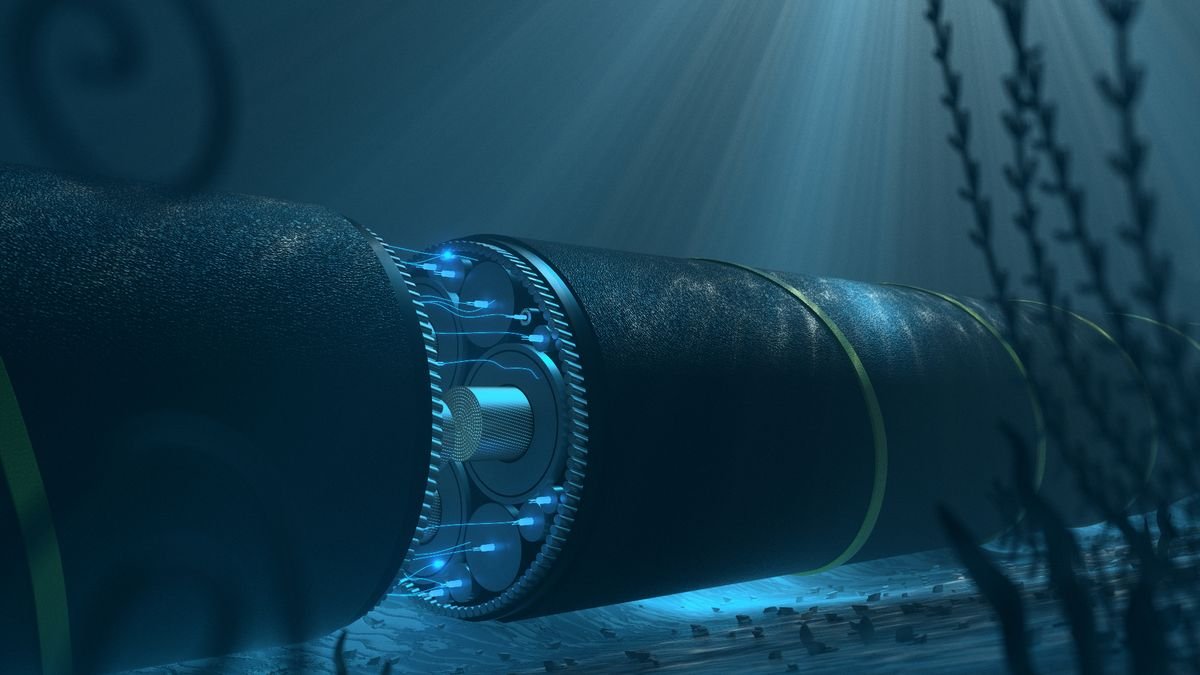
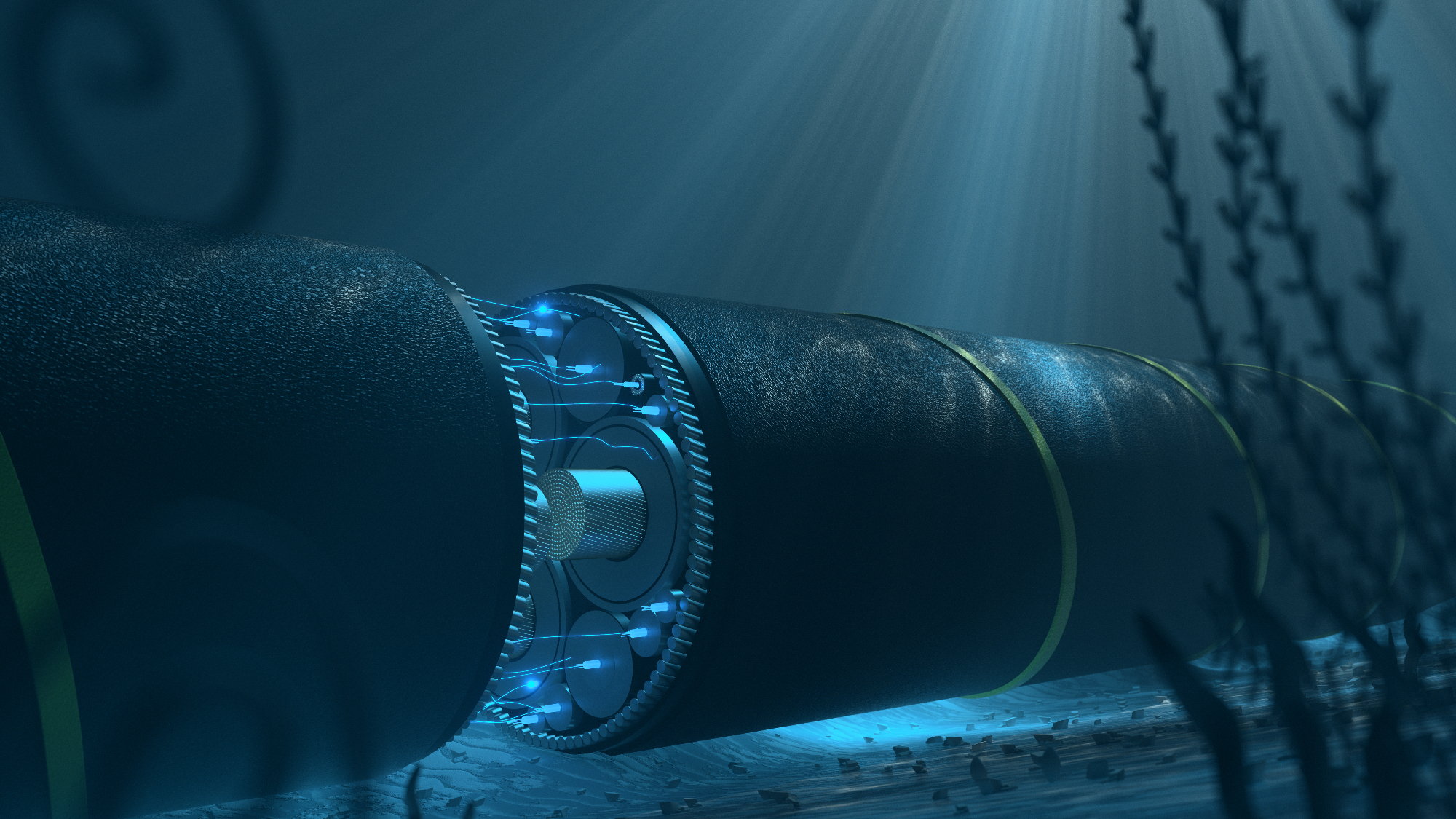
Syrian Telecommunications Company (SyTC), the state-owned enterprise that operates the country’s internet infrastructure, said that an undersea cable connecting Egypt and Syria was cut and that it would take time before the “full resumption of services” could take place. While the country hasn’t named any possible culprit, Arab News reports that the Damascus government has blamed a “systematic sabotage campaign” as the cause of damage. It’s now routing data through another undersea cable that connects to Cyprus and through a 1 Tbps overland cable that goes through Turkey. Despite that, the incident is still affecting internet users across Syria.
Undersea cables are crucial infrastructure that allow nations to connect to the rest of the world. Aside from letting you browse the internet and watch cute cat videos, it’s also crucial for trade and market, with billions of dollars’ worth of transactions flowing through these cables at any given time. More importantly, these cables are also used by governments to communicate with their allies and other countries, making them as crucial as sea lines of communications.
But despite their importance, this infrastructure is quite vulnerable — they often only sit on the seabed or, at best, sit 1.5 to 5 feet in the mud. This means that they could easily be damaged, both intentionally or accidentally, by items being dragged on the sea floor, like a trawler net or anchor. It’s also difficult to guard these cables, as they span long distances (with the total deployed undersea cable length estimated to be greater than 32 times the Earth’s circumference at the equator), and no country on Earth has enough resources to patrol every mile of these cables.
Because of this, undersea cables are often seen as soft targets and are frequently the victims of “gray-zone warfare.” We’ve seen several incidents of undersea cables being cut by ships that are suspected of being part of Russia’s shadow fleet, with Finland experiencing several incidents in the Baltic Sea in just two years. The Middle East has also seen its fair share of cable disruptions, especially in the Red Sea, which serves as a bottleneck for connections between Europe and Asia. Taiwan has also increased its defensive patrols around 24 undersea cables, especially as nearly a hundred blacklisted China-linked boats were seen lurking around the island’s infrastructure.
While Syria said that the damage to its undersea cable was part of a “systematic sabotage campaign,” it did not point the blame to a specific state or non-state actor. However, its location between Europe and the Middle East makes it a crucial player for the various regional and global powers with interests in the region. Furthermore, the country also plays host to several Russian bases, allowing it to have access to the Mediterranean Sea.

Follow Tom's Hardware on Google News, or add us as a preferred source, to get our latest news, analysis, & reviews in your feeds.
Get Tom's Hardware's best news and in-depth reviews, straight to your inbox.
Jowi Morales is a tech enthusiast with years of experience working in the industry. He’s been writing with several tech publications since 2021, where he’s been interested in tech hardware and consumer electronics.
What's Your Reaction?
 Like
0
Like
0
 Dislike
0
Dislike
0
 Love
0
Love
0
 Funny
0
Funny
0
 Wow
0
Wow
0
 Sad
0
Sad
0
 Angry
0
Angry
0











Comments (0)