

10 Best Zombie Fiction Novels That Aren’t World War Z
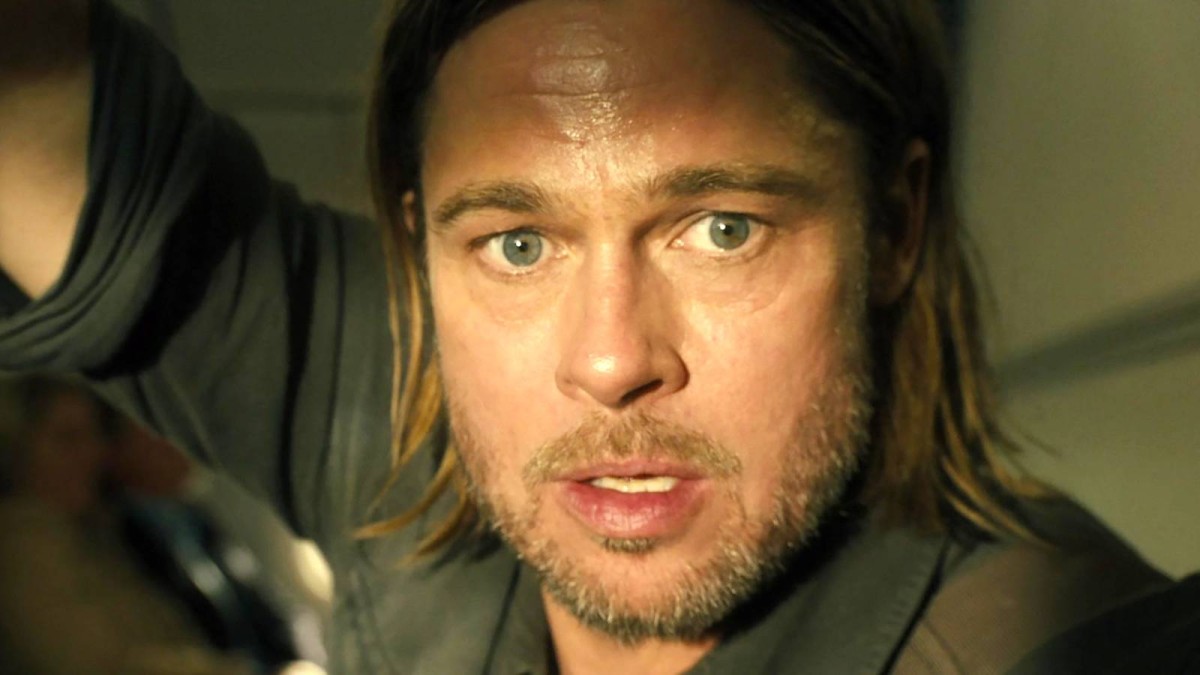
More or less every fan of zombie novels has read Max Brooks’s World War Z at some point. The 2006 book has been the gateway into the genre for thousands of readers fascinated by stories about the dead returning to life. However, as influential and deservedly popular as World War Z remains, it is far from the only essential zombie book out there.
Zombies are just as popular on the page as they are on the screen, and there are countless novels about hordes of shambling undead or viral outbreaks that transform ordinary people into hunger-driven killing machines. Some are terrifying, others surprisingly thoughtful, but the best use the apocalypse to explore much more than simple survival. Max Brooks may have written the de facto gateway into the genre, but World War Z sits alongside plenty of equally riveting zombie novels.
Ashes By Ilsa J. Bick (2011)
A Unique And Harrowing Spin On The Zombie Formula

The first installment in Ilsa J. Bick’s trilogy of the same name, the 2011 novel Ashes begins with a catastrophe that, at first, seems like it has little to do with zombies. 17-year-old Alex is hiking through the wilderness when a mysterious electromagnetic pulse wipes out electronics and kills countless people, especially adults. However, she quickly discovers that it transforms many surviving teenagers and children into violent cannibals. Alex escapes the initial disaster alongside eight-year-old Ellie and former soldier Tom, but surviving what remains of civilization proves almost as dangerous as the hungry horde hunting them.
Like many of the best novels in the genre, Ashes perfectly blends its zombie fiction with survival horror and post-apocalyptic sci-fi. However, it's Ilsa J. Bick’s unique spin on the very idea of zombies that makes Ashes so unsettling. The Changed mostly being teens and kids makes every violent moment infinitely more harrowing. Readers who enjoyed World War Z for its realistic portrayal of how humans might actually react to an impossible disaster will find plenty to appreciate, even if Bick keeps the catastrophe grounded in Alex's struggle rather than exploring the wider apocalypse.
You can purchase Ashes by Ilsa J. Bick here.
The First 30 Days By Lora Powell (2017)
A Snapshot Of The Terrifying Confusion Of A Zombie Outbreak

There’s something particularly satisfying about a zombie novel that doesn’t skip over civilization’s collapse during the initial outbreak. The First 30 Days keeps its attention firmly on the crucial opening weeks, following survivors as the world around them rapidly becomes unrecognizable. Rather than beginning years after the outbreak, author Lora Powell drops readers into the initial panic, when nobody fully understands what is happening and even basic decisions about where to go and whom to trust can have deadly consequences.
That focus makes the 2017 novel especially appealing for readers who enjoy the practical survival elements of zombie fiction that are present during the opening chapters of World War Z. The early stages of an outbreak are often the most intense in any zombie story, and The First 30 Days proves it by following ordinary people trying to adapt when established rules suddenly stop applying. Lora Powell approaches the apocalypse from ground level, delivering the kind of survival-focused zombie story that makes imagining being trapped inside the outbreak uncomfortably easy.
You can purchase The First 30 Days by Lora Powell here.
The Enemy By Charlie Higson (2009)
Children Are The Only Survivors Of An Especially Brutal Zombie Outbreak

Removing every reliable adult from a zombie apocalypse is a genius way to make an already terrifying scenario considerably worse. In Charlie Higson’s 2009 novel The Enemy, a mysterious disease has infected everyone over the age of 14, leaving London's children to fend for themselves while diseased, cannibalistic grown-ups roam the streets. The Lord of the Flies-style story follows several groups of young survivors, including children sheltering inside a supermarket who receive an enticing offer of safety at Buckingham Palace.
Despite focusing on young protagonists, The Enemy never feels like watered-down zombie fiction. Charlie Higson is remarkably willing to kill characters in visceral ways and portray the infected as genuinely grotesque. The result combines the brutal action of a classic zombie survival story with a fascinating examination of children rebuilding society without adults. It's also the beginning of a seven-book series, meaning there’s an entire apocalyptic saga exploring this unique premise.
You can purchase The Enemy by Charlie Higson here.
Feed By Mira Grant (2010)
What Happens When Humanity Has To Learn To Live With Zombies

Most zombie novels focus on civilization collapsing, but Feed is interested in what comes afterward. The story takes place decades after the Kellis-Amberlee virus caused the dead to rise in 2014. Humanity hasn't defeated the zombie threat, but it has adapted through rigorous security procedures and dramatically reshaping societal norms. Against this backdrop, author Mira Grant focuses on journalist siblings Georgia and Shaun Mason after they’re selected to cover a presidential campaign before discovering a conspiracy with potentially enormous consequences.
That premise makes Feed a particularly excellent recommendation for fans of World War Z. Both zombie novels understand that an outbreak of ravenous walking undead hordes would affect every aspect of life rather than simply creating endless opportunities for survivors to shoot reanimated corpses. There are still outbreaks and plenty of horror, but Feed stands out because its zombies have become an established fact of life. It's an incredibly intelligent work of zombie fiction built around a question surprisingly few novels explore.
You can purchase Feed by Mira Grant here.
Rot & Ruin By Jonathan Maberry (2010)
Humanity And Tragedy Lurk Behind Every Undead Monster

In 2010’s Rot & Ruin, fourteen-year-old Benny Imura initially sees zombie hunting as little more than a job opportunity. Living in a fortified community years after the apocalypse, Benny eventually apprentices under his older brother Tom and ventures into the dangerous wilderness (known as the Rot and Ruin). However, what he discovers radically changes his understanding of both the zombies outside civilization and the supposedly civilized humans living within it.
Author Jonathan Maberry's novel understands one of the most important principles of great zombie fiction: the undead are much more interesting when the story remembers they were once people. Rather than treating zombies as disposable monsters, Rot & Ruin repeatedly confronts Benny with the human lives that existed before infection. That emotional dimension doesn't come at the expense of adventure, either, with additional threats like bounty hunters and hostile settlements keeping the story moving just as much as the thousands of zombies. It’s an introspective and philosophical approach to zombie fiction, with a depth that fans of World War Z are bound to appreciate.
You can purchase Rot & Ruin by Jonathan Maberry here.
The Girl With All The Gifts By M.R. Carey (2014)
The Book That Completely Reimagines What A Zombie Protagonist Can Be

The Girl with All the Gifts introduces readers to Melanie, a young girl living inside a heavily secured facility, where armed soldiers strap her into a wheelchair before taking her to class. She's exceptionally intelligent, adores her teacher Miss Justineau, and doesn't initially understand why the adults around her are so frightened of her. The answer is gradually revealed and, along with it, M.R. Carey's distinctively brilliant spin on traditional zombie fiction. Melanie isn’t a survivor of the outbreak. She’s one of the "hungries," humans infected by a fungal pathogen that has devastated civilization.
However, rather than simply being another variation on the undead, the 2014 novel uses Melanie and other hungries to challenge the basic assumptions underpinning zombie stories. If infected people can think, learn, develop relationships, and potentially represent the next stage of humanity, then automatically treating them as monsters becomes much harder to justify. The Girl with All the Gifts still delivers the survival horror and ravenous infected every great zombie novel should, but its central idea and Melanie’s unique perspective elevates their emotional weight.
You can purchase The Girl With All The Gifts by M.R. Carey here.
The Reapers Are The Angels By Alden Bell (2010)
The Zombie Apocalypse Gets A Haunting Southern Gothic Makeover

Many zombie novels experiment with blending genres, but few pull it off as effectively as author Alden Bell when he injected a healthy dose of gothic horror into 2010’s The Reapers Are The Angels. The zombie apocalypse has already been underway for decades when readers meet 15-year-old Temple, meaning she barely remembers a world before the dead started walking. The story follows her as she travels through a devastated American landscape populated both by zombies and isolated communities attempting to establish some kind of normality.
Alden Bell's novel is considerably more contemplative than the average undead bloodbath. The Reapers Are the Angels has its fair share of violence, but its greatest strength is the strange beauty it finds within a ruined world. Temple is a compelling protagonist because the apocalypse isn't an interruption to her normal life; it is her normal life. There is, of course, a dramatic and dangerous disruption to her status quo, but the source of the threat is all too human. Zombie novels are rarely so simultaneously poetic and haunting, and any fans of the genre should consider The Reapers Are The Angels just as essential as World War Z.
You can purchase The Reapers Are The Angels by Alden Bell here.
Zone One By Colson Whitehead (2011)
The Psychological Impact Of A World Full of Zombies Explore In-Depth

Just like in World War Z, the zombie apocalypse failed to wipe out humanity in Colson Whitehead's Zone One. Humanity is attempting to take it back, though efforts to restore what once was come with a heavy psychological toll for those responsible. Central protagonist Mark Spitz is a survivor working with a civilian sweeper unit tasked with clearing Manhattan's Zone One of the remaining infected. While the zombies remain dangerous, the stranger undead "stragglers" simply occupy locations significant to their former lives, standing almost motionless inside a world they no longer understand.
Colson Whitehead uses that haunting concept to explore themes like memory, trauma, and the questionable optimism of rebuilding society after catastrophe. This is all the more effective thanks to Mark being deliberately ordinary, which makes his survival and psychological exhaustion feel incredibly authentic. Zone One is denser and more literary than many books in the genre, but it never treats zombies as a trope that needs transcending. Instead, Whitehead demonstrates exactly how much thematic depth the concept of a world filled with the walking dead can deliver.
You can purchase Zone One By Colson Whitehead here.
The Living Dead By George A. Romero & Daniel Kraus (2020)
A Novel From The Filmmaker Who Defined The Modern Zombie

There are few stronger credentials for writing zombie fiction than effectively inventing the modern version of the genre. George A. Romero's Night of the Living Dead established the template later zombie stories either directly followed or deliberately subverted, and 2020’s The Living Dead represents the extensive culmination of his ideas. Romero began the novel before his death in 2017, with Daniel Kraus subsequently completing the sprawling story from Romero's material.
The resulting book takes an expansive view of the apocalypse, following various characters as society collapses around them. The sheer scale and variety of perspectives makes The Living Dead perhaps the most natural recommendation for readers seeking a direct World War Z replacement. Rather than concentrating exclusively on one survivor group, it uses multiple viewpoints to create a broad picture of humanity confronting the emergence of the undead. What’s more, the social commentary that defines George A. Romero's zombie movies remain central. The zombies are frightening, but human prejudice and self-interest are equally capable of destroying civilization.
You can purchase The Living Dead by George A. Romero & Daniel Kraus here.
Day By Day Armageddon By J.L. Bourne (2007)
The Practicalities Of Survival Have Never Felt So Terrifying

Presented as the journal of an unnamed U.S. naval officer, 2007’s Day By Day Armageddon strips zombie fiction down to the terrifying practicalities of staying alive. News of an outbreak in China initially seems distant, but the situation rapidly deteriorates as infection spreads internationally and civilization collapses. The narrator prepares his home, gathers supplies, encounters other survivors, and records an increasingly desperate battle to stay ahead of the growing undead population.
The journal format gives J.L. Bourne's novel an immediacy that traditional narration would struggle to replicate. Every supply run, defensive decision, and new shelter matters because survival is presented as a continuous logistical problem rather than something conveniently handled between action sequences. Bourne narrows the perspective from World War Z’s global oral history across years to one survivor's daily experience, but both approaches create the impression of reading a document recovered from an apocalypse that genuinely happened.
You can purchase Day By Day Armageddon by J.L. Bourne here.
What's Your Reaction?
 Like
0
Like
0
 Dislike
0
Dislike
0
 Love
0
Love
0
 Funny
0
Funny
0
 Wow
0
Wow
0
 Sad
0
Sad
0
 Angry
0
Angry
0










Comments (0)