

'Godzilla Minus Zero' Exposes the Biggest Problem with Christopher Nolan's World War II Epic

Published Nov 10, 2026, 4:00 AM EST
Director Takashi Yamazaki made his new Godzilla movie in direct response to Christopher Nolan's film
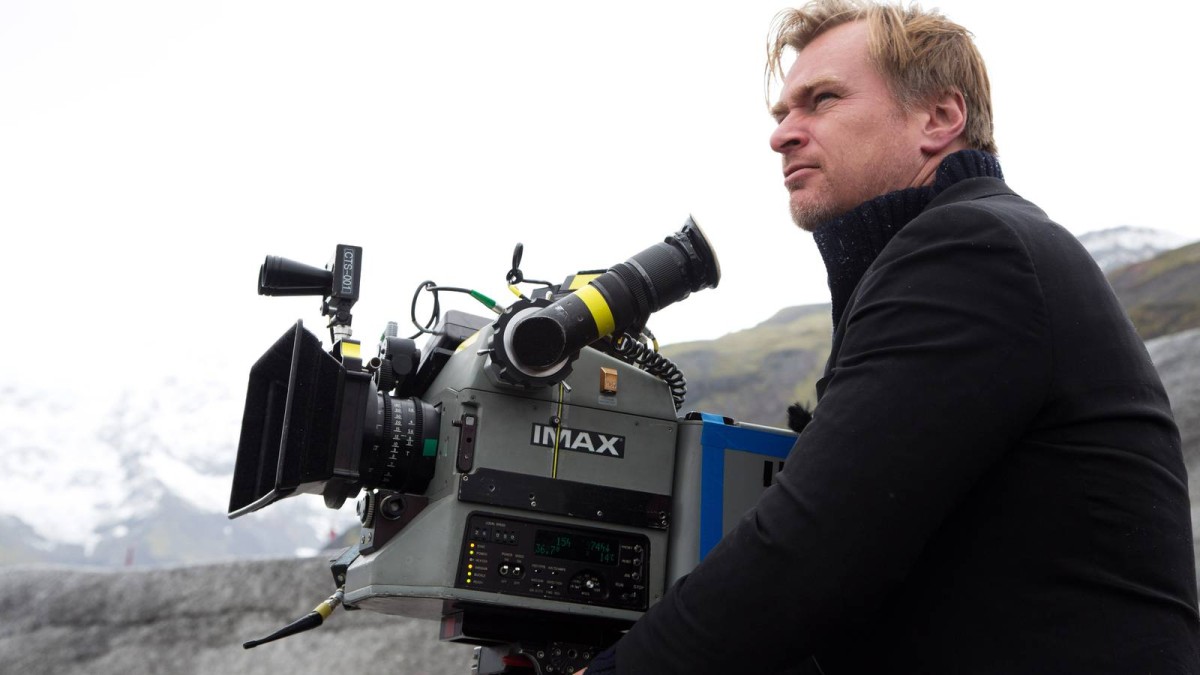
 Image: Melinda Sue Gordon/Paramount/Everett Collection
In 2023, two Oscar-winning blockbuster movies tackled the topic of nuclear weapons and the bombing of Hiroshima and Nagasaki in very different ways. Christopher Nolan's Oppenheimer told the story of the atomic bomb through the eyes of its creator, J. Robert Oppenheimer (Cillian Murphy), while Takashi Yamazaki's Godzilla Minus One continued the 70-year cinematic tradition of using a giant radioactive monster as a metaphor for nuclear warfare.
Notably, neither movie actually depicted those nuclear explosions or their immediate aftermath onscreen, but three years later, one of those directors has done exactly that — and it's not Nolan.
Light spoilers ahead for the plot of Godzilla Minus Zero.
While Nolan followed up Oppenheimer with The Odyssey, which in many ways feels like a spiritual sequel about another brilliant man whose actions changed the course of history (arguably for the worse), Yamazaki delivered a direct sequel in Godzilla Minus Zero. The film, which is currently stomping its way across movie theaters worldwide and dominating the U.S. box office, features a brutal depiction of the immediate aftermath of the bombing of Hiroshima.
Just before the climax of the film, we see a flashback in which one bloodied and stunned character stumbles through the streets of the obliterated city. The camera then points directly at the charred remains of several humans who once lived there. Yamazaki juxtaposes this directly with images of Godzilla's destruction in perhaps the most unsubtle metaphor in a movie released this year.
With that one scene, Yamazaki pulls off the one thing Nolan was never brave enough to do: he shows the actual, awful carnage that fuels both director's Oscar-winning movies. And as it turns out, this isn't a coincidence.
Godzilla Minus Zero is a direct response to Oppenheimer
 Image: Toho
Back in March 2024, right after winning an Oscar for Best Visual Effects, Yamazaki responded to a question comparing his and Nolan's movies with an intriguing promise.
“As a person of Japanese ancestry and descent, my response to Oppenheimer [is that] I would like to dedicate a different film to that when that day comes,” Yamazaki told the press.
Speaking to Time Magazine more recently, Yamazaki offered a bit more insight into how Godzilla Minus Zero became that response.
"In my mind I was thinking I'd develop a film that looks directly at Hiroshima," he said. "But then I began thinking: Wait — Godzilla is itself a metaphor for nuclear war. Maybe I can combine the two and make a Godzilla movie that is also an answer to Oppenheimer."
Godzilla is itself a metaphor for nuclear war.
The result is a stunning cinematic sequence that's in direct conversation with Nolan's film while also pushing the legacy of the Godzilla franchise to a bold new place it's never ventured before. For Yamazaki, however, it's not just about one-upping other movies, it's about showing the horrors of nuclear warfare to a modern audience that might otherwise never see them.
"It was important to show as many people as possible what the effects of an atomic bomb would really look like," he said. "I wanted to evoke something similar because it's very important for it to feel relatable — to jog our imaginations in a way that says, 'Wow. This is real. It is a very violent act.'"
Why Christopher Nolan didn't show Hiroshima or Nagasaki in Oppenheimer
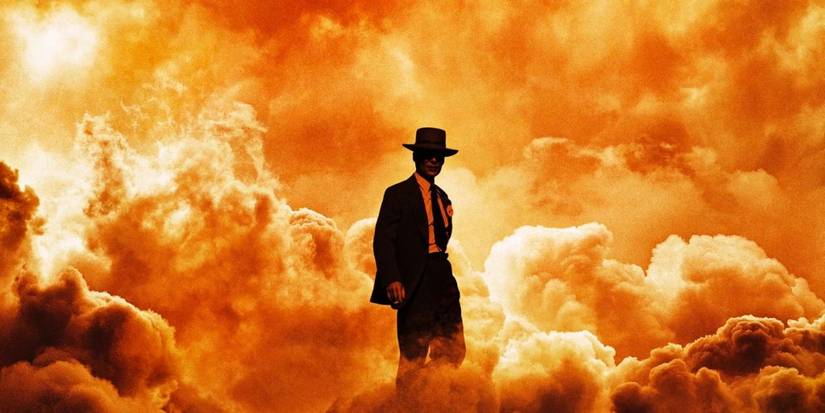 Image: Universal
Nolan devoted much of Oppenheimer to exploring the brutal reality of nuclear war, but he never went so far as to actually show us what happened in Japan. The director did offer an explanation for why at the time, though it's not particularly satisfying — especially in the wake of Godzilla Minus Zero.
At a public event in 2024, Nolan explained why he decided not to show the actual bombing of Hiroshima and Nagasaki in his movie.
"The feeling for me as a filmmaker was very strongly that to depart from Oppenheimer’s experience would betray the terms of the storytelling," Nolan said. "He learned about the bombings of Hiroshima and Nagasaki on the radio — the same as the rest of the world."
It's true that Oppenheimer is told from the main character's perspective, but there is one exception. While most of the film is essentially Oppenheimer's POV, several black-and-white sequences intercut throughout show us the same series of events from the perspective of antagonist Lewis Strauss (Robert Downey Jr.), including some events that Oppenheimer never witnessed first-hand.
 Image: Universal Pictures/Everett Collection
So it's not like showing Hiroshima or Nagasaki would have broken the rules of Oppenheimer set out by Nolan, it's just that he chose not to do it. Of course, that's a valid choice, even if it's arguably one of the film's only flaws. But with the benefit of hindsight after seeing how Yamazaki depicts that horrifying event — and how just a few seconds of screentime hits harder than Nolan's entire movie — it's hard not to look back at Oppenheimer with a sense of disappointment.
Maybe after watching Godzilla Minus Zero, Nolan himself will feel a similar sense of regret, but considering the director almost never makes sequels, I doubt he'll revisit the events of World War II and the bombing of Hiroshima and Nagasaki any time soon. Thankfully, we have Yamazaki's brilliant Godzilla sequel, which might not even exist if it wasn't for Oppenheimer in the first place.
Godzilla Minus Zero is in theaters now.
What's Your Reaction?
 Like
0
 Dislike
0
 Love
0
 Funny
0
 Wow
0
 Sad
0
 Angry
0









Comments (0)