

10 Near-Perfect 80s Animated Movies No One Remembers Today
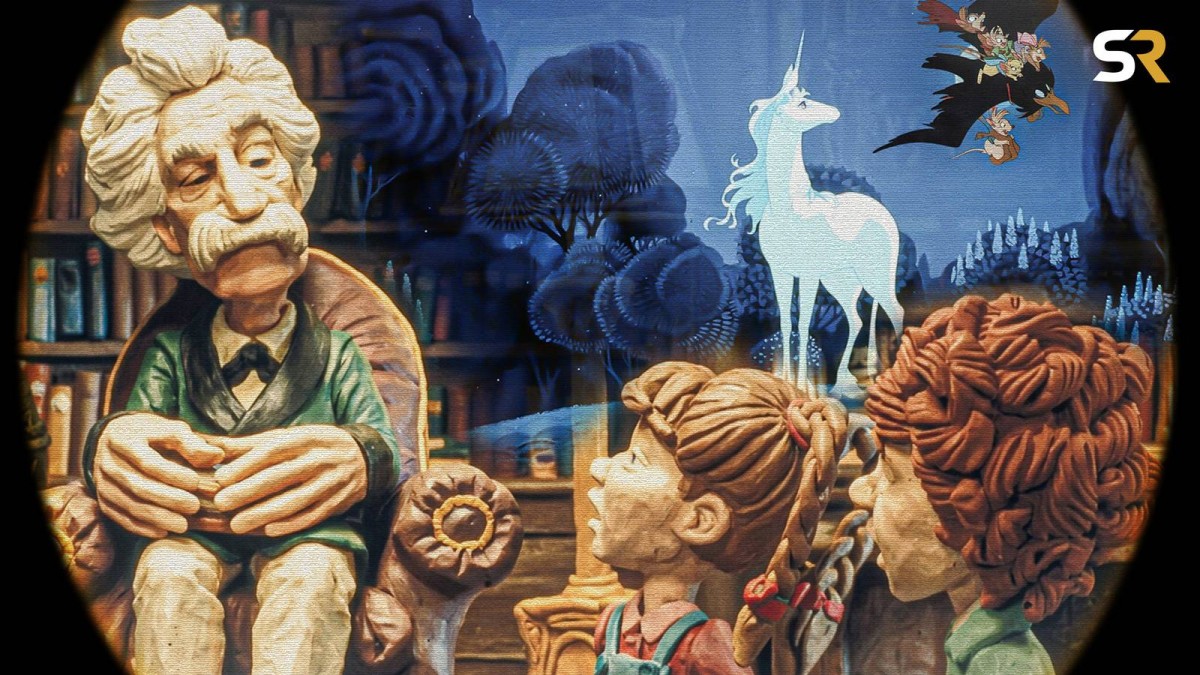
Animation has rarely been more visible than it is now. The best animated movies of 2026 so far have come from major studios and streaming platforms, while several of the most exciting animated movies still coming in 2026 are being treated as genuine theatrical events. It is easy to forget that animated movies once had to fight much harder for attention, particularly when they were not made by Disney.
The 1980s produced an unusually strange collection of animated features. Former Disney artists, independent filmmakers, international studios, and television companies experimented with adult drama, science fiction, rock music, dark fantasy, and stories that were technically marketed to children despite being capable of traumatizing them.
Some of these movies have developed devoted cult followings, but few remain part of the broader conversation about the decade’s greatest films. In several cases, audiences discovered them almost by accident on television or inside a video store.
“Near-perfect” does not mean that each movie is flawless. These films are near-perfect versions of what their creators attempted to make, whether that was an illustrated fantasy novel brought to life, a post-apocalyptic rock opera, or an unflinching warning about nuclear war. Presented in release order, these are 10 animated movies from the 1980s that deserve to be remembered.
The Secret Of NIMH (1982)
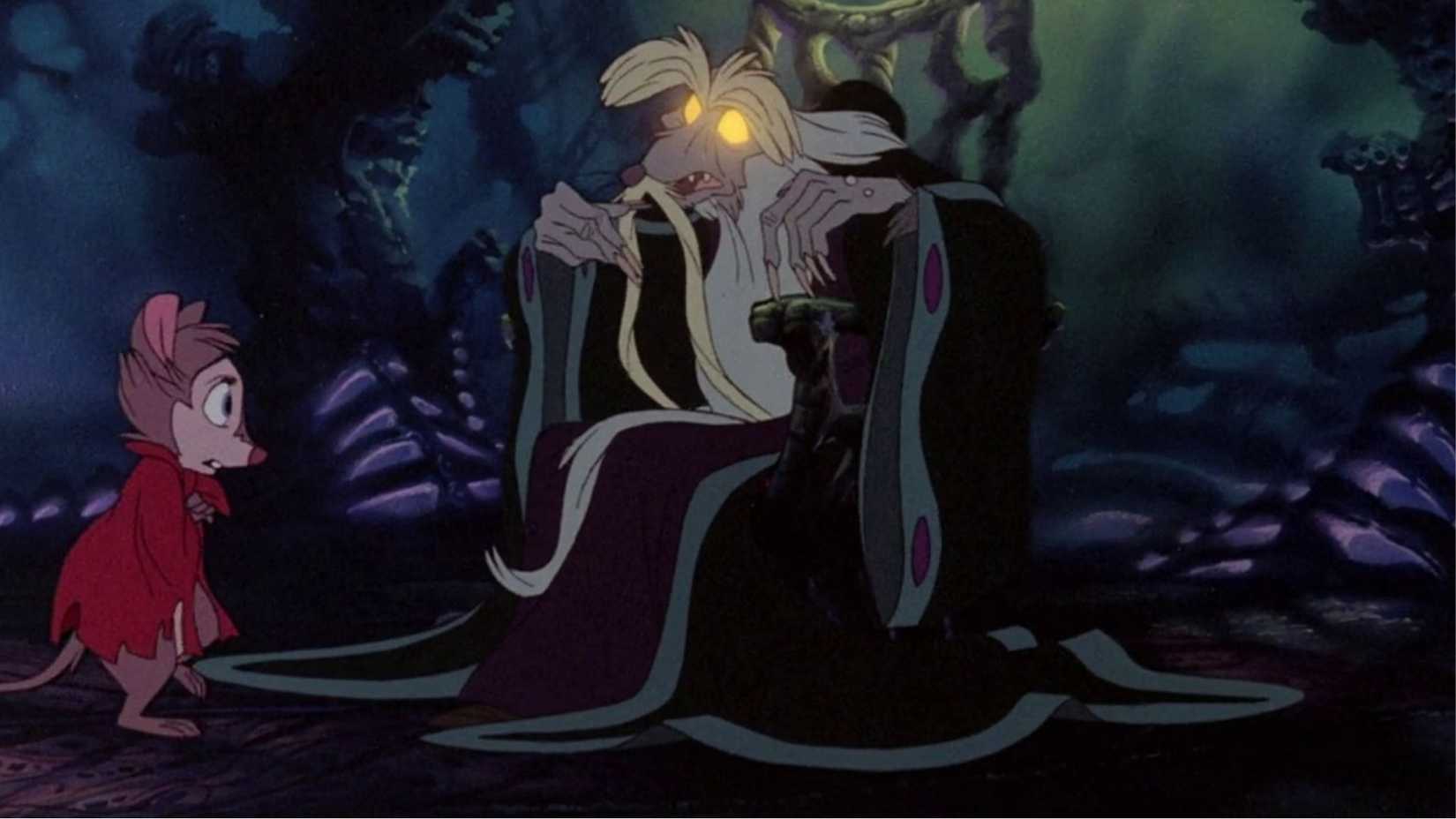
After leaving Disney, Don Bluth made his feature directorial debut with an animated fantasy that immediately demonstrated what his new studio could accomplish. The Secret of NIMH follows Mrs. Brisby, a widowed field mouse who must find a way to move her family before a farmer’s plow destroys their home. Complicating matters, her youngest son is too sick to be moved.
The movie contains glowing amulets, sword fights, sinister laboratories, and intelligent rats altered by scientific experimentation. However, its greatest strength is Mrs. Brisby herself. She is not a warrior or a chosen hero, but a terrified mother who continues moving forward because her children need her. That emotional center makes the spectacular animation feel even more powerful.
The Flight Of Dragons (1982)

Based on ideas from Peter Dickinson’s book The Flight of Dragons and Gordon R. Dickson’s novel The Dragon and the George, this Rankin/Bass fantasy follows a modern scientist and aspiring game designer transported into a world of magic. After an accident places his mind inside a dragon’s body, Peter must help prevent the evil wizard Ommadon from conquering humanity.
John Ritter leads a remarkable voice cast that also includes James Earl Jones, Harry Morgan, and Victor Buono. The movie was also ahead of its time in how it reached its audience. It bypassed a conventional U.S. theatrical rollout and became familiar through television and home video, decades before streaming services made animated features produced for home viewing commonplace.
The Plague Dogs (1982)
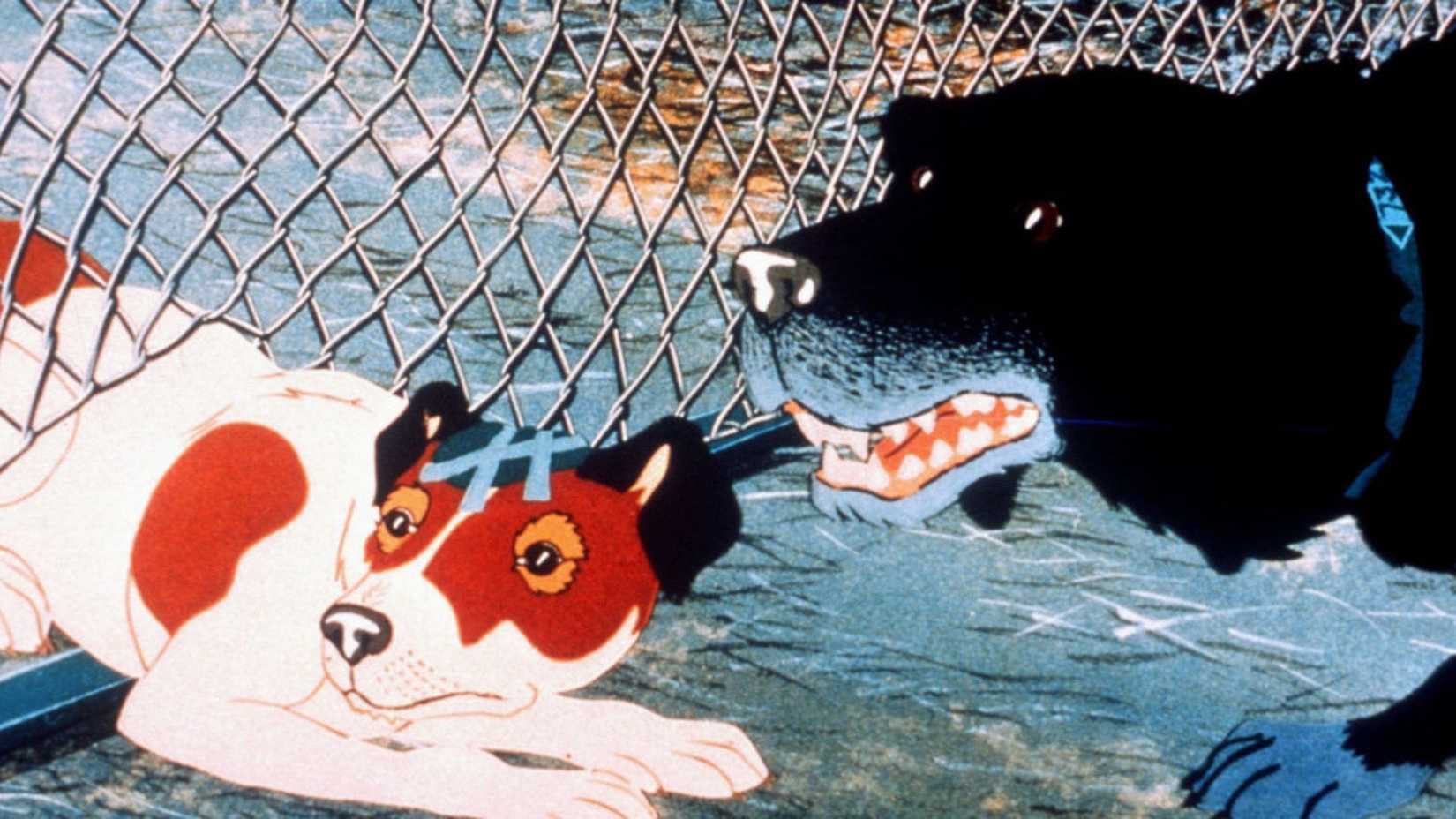
Martin Rosen followed Watership Down with another Richard Adams adaptation, although The Plague Dogs is arguably even more emotionally punishing. Rowf and Snitter escape from an animal research facility in England, only to find themselves hunted after authorities suggest that the dogs may have been exposed to bubonic plague.
It remains one of animation’s most uncompromising animal-rights stories.
The movie refuses to turn its animals into cute human substitutes. Rowf and Snitter misunderstand what is happening because they are dogs shaped by cruelty and fear. The realistic animation makes their suffering difficult to watch, particularly when the beauty of the countryside is contrasted with the violence pursuing them. It remains one of animation’s most uncompromising animal-rights stories.
The Last Unicorn (1982)
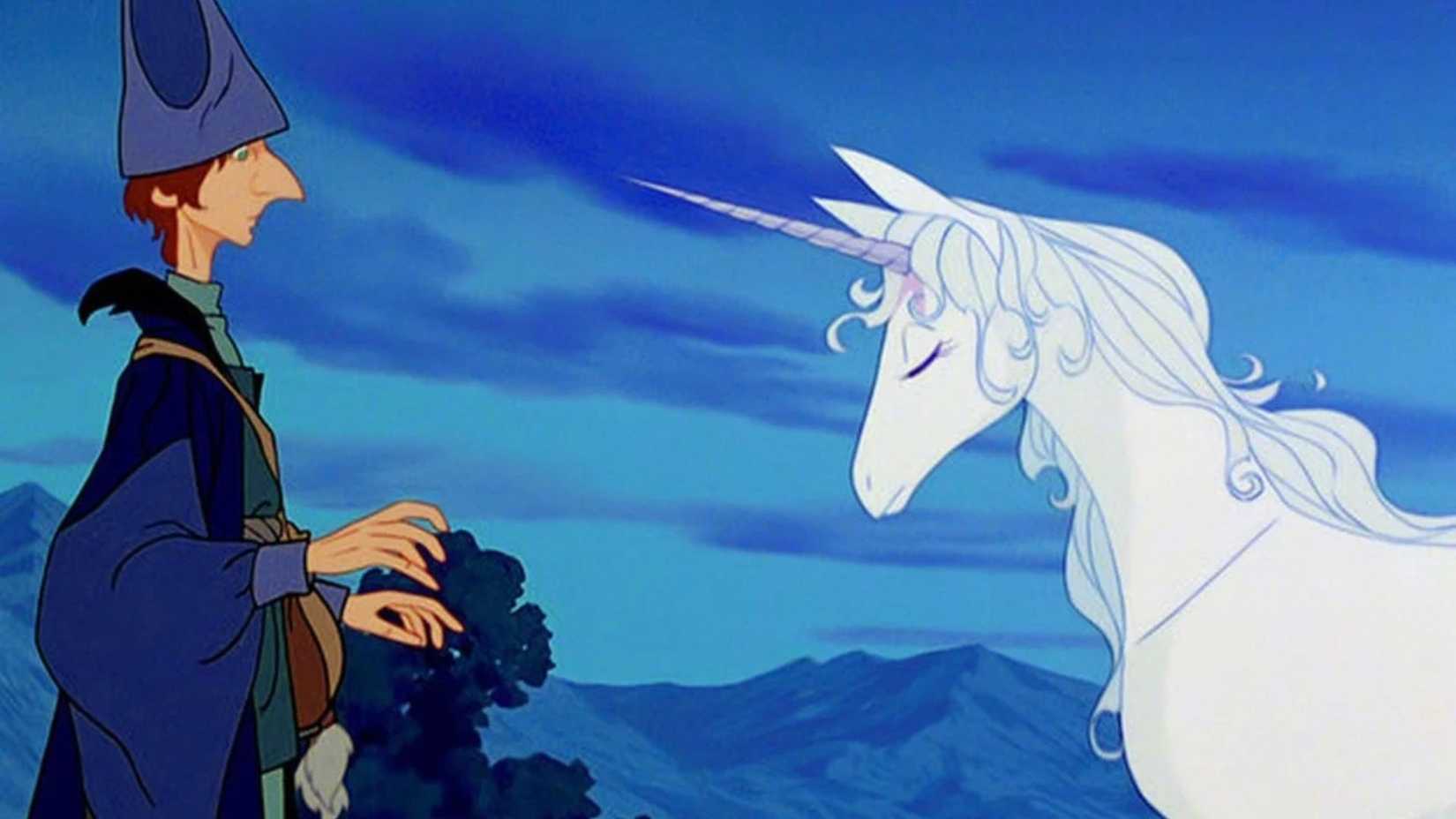
A unicorn voiced by Mia Farrow learns that she may be the last of her kind and leaves her enchanted forest to discover what happened to the others. Along the way, she joins the struggling magician Schmendrick and the fiercely practical Molly Grue before encountering King Haggard, a ruler determined to possess every beautiful thing he sees.
Peter S. Beagle adapted his own novel, preserving its melancholy and literary quality rather than simplifying it into a standard children’s adventure. The exceptional voice cast includes Alan Arkin, Jeff Bridges, Angela Lansbury, and Christopher Lee. With its haunting music and dreamlike animation, The Last Unicorn captures regret and the cost of transformation with remarkable sensitivity.
Rock & Rule (1983)

Set in a post-apocalyptic world populated by humanoid animals, Rock & Rule follows an aging musician named Mok who needs a powerful singing voice to summon a demon. He finds that voice in Angel, the singer of an emerging rock band, and kidnaps her for a concert that could bring about the end of the world.
Nelvana’s first animated feature includes music performed by Debbie Harry, Lou Reed, Iggy Pop, Cheap Trick, and Earth, Wind & Fire. Its limited release kept it from finding the audience it deserved, but its neon environments and adult attitude remain visually striking. The entire movie resembles an elaborate music video made before that aesthetic had fully taken over MTV.
Fire And Ice (1983)

Director Ralph Bakshi collaborated with legendary fantasy artist Frank Frazetta on Fire and Ice, an Adventure that often looks like one of Frazetta’s paintings has been brought to life. After the forces of the ice lord Nekron destroy his village, a warrior named Larn sets out to stop them and becomes involved in the rescue of Princess Teegra.
Few animated movies have captured the exaggerated energy of pulp sword-and-sorcery fantasy...
The plot is deliberately straightforward, allowing the imagery and physical action to dominate. Bakshi used rotoscoping to give every sword fight, leap, and chase a sense of weight, while Frazetta’s influence appears in the muscular heroes, volcanic landscapes, and monstrous armies. Few animated movies have captured the exaggerated energy of pulp sword-and-sorcery fantasy quite so completely.
The Adventures Of Mark Twain (1985)

Will Vinton’s feature-length Claymation production imagines Tom Sawyer, Huck Finn, and Becky Thatcher stowing away aboard an airship piloted by their creator. Mark Twain is traveling to meet Halley’s Comet, and the children gradually begin to suspect that the journey may also represent Twain’s approach toward death.
The movie adapts several of Twain’s stories, including The Diary of Adam and Eve and The Mysterious Stranger. The latter produces the film’s most famous scene, in which a masked angel creates a miniature civilization before casually destroying it. Its philosophical ambition and intricate handcrafted environments make The Adventures of Mark Twain one of stop-motion animation’s most fascinating forgotten achievements.
Night On The Galactic Railroad (1985)

Based on Kenji Miyazawa’s Japanese novel, Night on the Galactic Railroad follows Giovanni, a lonely young cat who unexpectedly boards a train traveling through the stars. He is joined by his friend Campanella, and their cosmic journey gradually develops into a meditation on friendship, sacrifice, faith, and the boundary separating life from death.
Director Gisaburō Sugii allows the movie to unfold at a hypnotic pace. Long passages are filled with silence and the steady movement of the train through space. It is not designed around conventional action or comedy, but its patient storytelling creates an atmosphere unlike almost anything else in animation. The result is mysterious, beautiful, and deeply moving.
Starchaser: The Legend Of Orin (1985)

Orin has spent his entire life working as a slave beneath the surface of the planet Trinia, unaware that a larger universe exists above him. After discovering the hilt of a mysterious sword, he escapes the mines and joins a smuggler, a princess, and several robots in a rebellion against the tyrant Zygon.
Starchaser: The Legend of Orin makes its admiration for Star Wars obvious. It includes a mystical weapon, a roguish pilot, an evil robotic army, and a young hero learning the truth about his identity. Yet its energetic traditional animation and early use of computer-generated imagery give it an appeal of its own. As a fast-moving animated space opera, it remains enormously entertaining.
When The Wind Blows (1986)

Jim and Hilda Bloggs are an elderly British couple who learn that a nuclear attack may be imminent. Jim carefully follows the government’s civil-defense instructions, building a shelter inside their cottage. After the bomb falls, the couple try to maintain their familiar routines, convinced that help will arrive and life will eventually return to normal.
Jimmy T. Murakami’s adaptation of Raymond Briggs’ graphic novel combines hand-drawn characters with model backgrounds, creating a domestic world that initially feels warm and reassuring. John Mills and Peggy Ashcroft give the couple heartbreaking sincerity, while Roger Waters provides the score and David Bowie performs the title song. Its restraint makes the inevitable outcome more devastating than graphic violence ever could.

Release Date October 24, 1986
Runtime 81 minutes
Director Jimmy T. Murakami
Writers Raymond Briggs
Producers Iain Harvey
-

John Mills
Jim Bloggs (voice)
-
Peggy Ashcroft
Hilda Bloggs (voice)
-
Robin Houston
Radio Announcer (voice)
-
What's Your Reaction?
 Like
0
Like
0
 Dislike
0
Dislike
0
 Love
0
Love
0
 Funny
0
Funny
0
 Wow
0
Wow
0
 Sad
0
Sad
0
 Angry
0
Angry
0








Comments (0)