

10 Sci-Fi Shows With The Deepest Lore
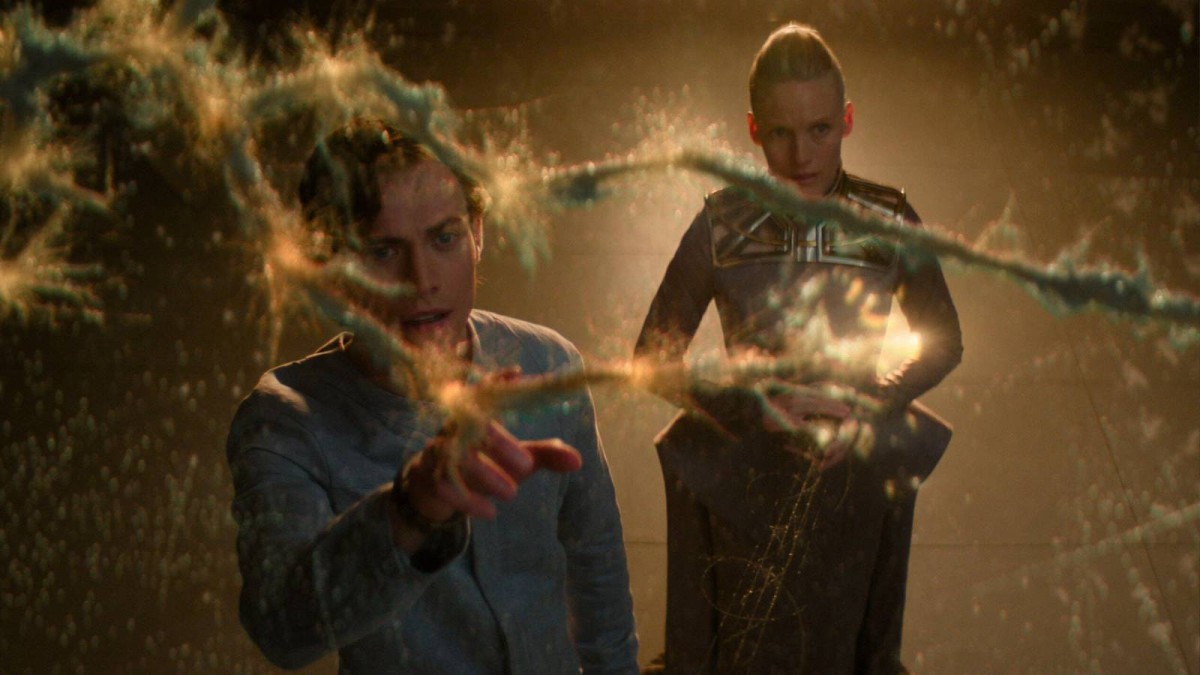
As a genre, sci-fi is, by definition, limitless, with Star Trek's premise illustrating it best, with the aim "to boldly go where no one has gone before." While some great sci-fi TV shows have simple premises, it is hardly surprising that the genre is home to some of the most mind-bending plots of all time, with lore that spans millennia rather than months or years.
Even so, this does not mean that particularly complex sci-fi TV shows are going to be inaccessible or difficult to follow. A feature of the best sci-fi TV shows of all time is their excellent worldbuilding and storytelling that can make even a many-layered mystery box story both compelling and exciting, even for viewers new to the genre. Sci-fi TV shows that have mastered this can build on their lore over decades, proving that there is always more to discover.
Orphan Black

Like many great stories, Orphan Black starts small, with a woman discovering her doppelgänger on a train platform. The show's five seasons build on this premise, adding layers that gradually reveal each mystery while asking another question. With the central theme being human cloning, the story itself is not necessarily overcomplicated for a sci-fi show. However, Orphan Black's genius is in its character work, and this is where the lore is built.
The series became a masterpiece through Tatiana Maslany's groundbreaking performance. Not only does Maslany play 17 different clones in Orphan Black, but they regularly pretend to be each other. This required her to take on multiple characters at once while building relationships between them as the viewer keeps track on which clone is which, and whether they are who they say they are. This could have tied the story, and the viewer, in knots, but Orphan Black made it work, getting a well-deserved 93% Rotten Tomatoes rating.
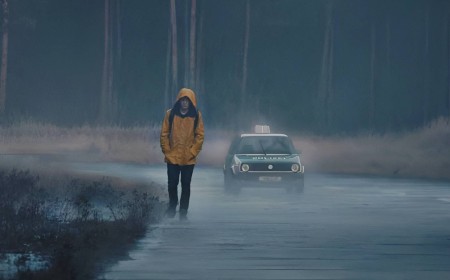
Dark

Dark is one of the most intricately constructed TV shows of all time, with alternate realities, endless time loops, and characters who break every time travel rule that many sci-fi fans will be familiar with. Characters create paradoxes and causal loops in which one event influences another for eternity, while occassionally becoming their own ancestors, whie the story continues with the confidence of a show that is set to end perfectly.
|
Season |
Year |
Rotten Tomatoes critics' rating |
Rotten Tomatoes audience rating |
|
1 |
2017 |
90% |
92% |
|
2 |
2019 |
100% |
97% |
|
3 |
2020 |
97% |
93% |
Dark succeeds at its hardest task by leaving virtually no plotholes. While the show practically demands a rewatch in order to fully appreciate the masterful worldbuilding and scientific concepts it explores, its three seasons have no bad episodes, ending the story that began in the pilot. As a show, Dark creates a perfect loop that reflects the events and deep theme of the story it tells, in which fate is inescapable and destined to repeat.
Westworld
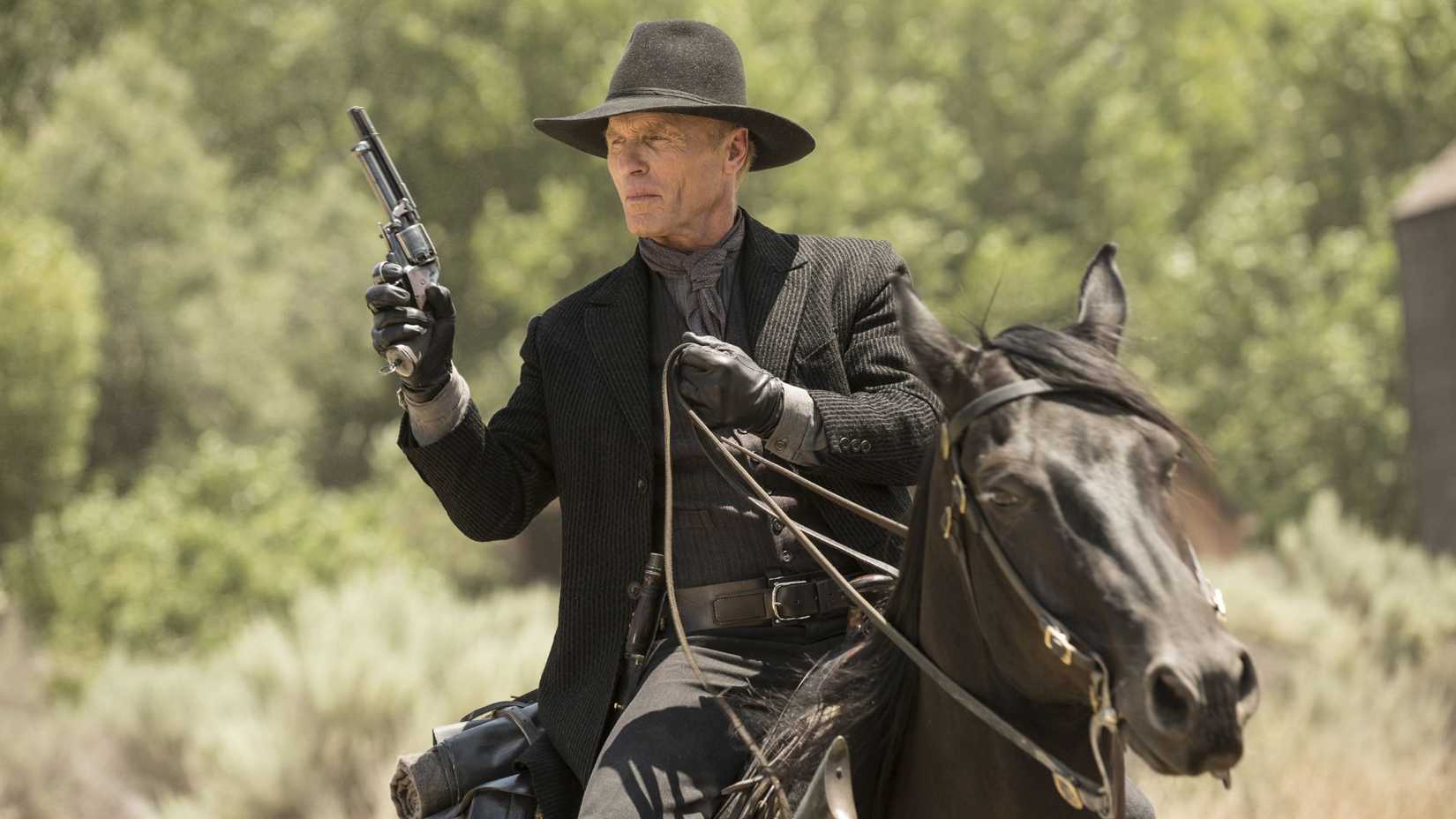
The lore of Westworld extends far beyond its setting, which begins within a theme park run by automaton Hosts, which are programmed to play characters, with their memories being wiped by the end of the narrative. This concept, and the later Shogunworld theme park, are easy to understand, even when it becomes clear that many of the robots are regaining their memories, with some being unaware that they are anything other than human. However, Westworld's lore extends to the nature of free will and consciousness in a way that has kept viewers discussing the show even years after it ended.
The show's mythology explores deep questions about whether memories define identity, whether creations can become truly independent from their creators, and how consciousness is created. Many of these questions have no easy answer and the fact that the series was canceled just before it was about to come full circle makes Westworld an ambitious exercise in frustration, but one that is worth watching for its intelligence.
Fringe

Fringe has often been seen as another version of The X-Files. The set-up appears similar at first, with a group of investigators researching unexplained phenomena, but the two shows they differ drastically. The X-Files grows more complex over time but largely keeps its initial "monster of the week" format. On the other hand, Fringe incorporates a deadly threat with alternate versions of main characters, parallel universes, and a mysterious faction that exists outside of normal time.
In Fringe, even reality is at stake, and the earlier episodes that once felt like standalone stories become part of the main series' wider mythology. Fringe was unrecognizable by its final season, but while this is not always a good thing for TV shows, it reflects the ambition and scale of the series, which has a 91% Rotten Tomatoes score and a definitive, if heartbreaking, ending.
Battlestar Galactica
 MovieStillsDB
Battlestar Galactica proves that not all deep lore comes from extended histories and endlessly twisting storylines. The battle between humans and Cylons forms a history all of its own, but the show extends deeper into the psyche of both sides, exploring religion and mythology as both question their beliefs and destinies. Nothing illustrates this better than Starbuck’s fate in the Battlestar Galactica finale.
Starbuck's visions, disappearance, and subsequent resurrection form some of the most powerful threads in the series, with her using elements from her past to create a safe path for humanity. The question over what exactly Starbuck is has kept Battlestar Galactica fans debating, with some feeling that her being an angel is too heavy-handed for the series, although the haunting mystery and other possible explanations are just as intriguing. Not all lore needs to be explained, and no show illustrates this better than Battlestar Galactica.
Farscape

It is not unusual for sci-fi TV shows to include multiple alien races with their own civilization and cultures, but in this respect, Farscape's lore is exceptionally deep, even extending to the living ship and her symbiotic relationship with her pilot. Farscape not only presents different races and entangled histories, but does so through the eyes of John Crichton, the one human on board, who must learn to adapt, communicate, and even assimilate.
This perspective would be unusual enough on its own, even before its later cloning storyline, but Farscape revolutionized sci-fi with another unexpectedly rich feat of worldbuilding. The show is often hilarious, with in-jokes and running gags that are just as central to the plot as any piece of biological or historical lore. When explaining Farscape, this sense of humor becomes a defining feature of the series, and has not yet been equaled.
Babylon 5
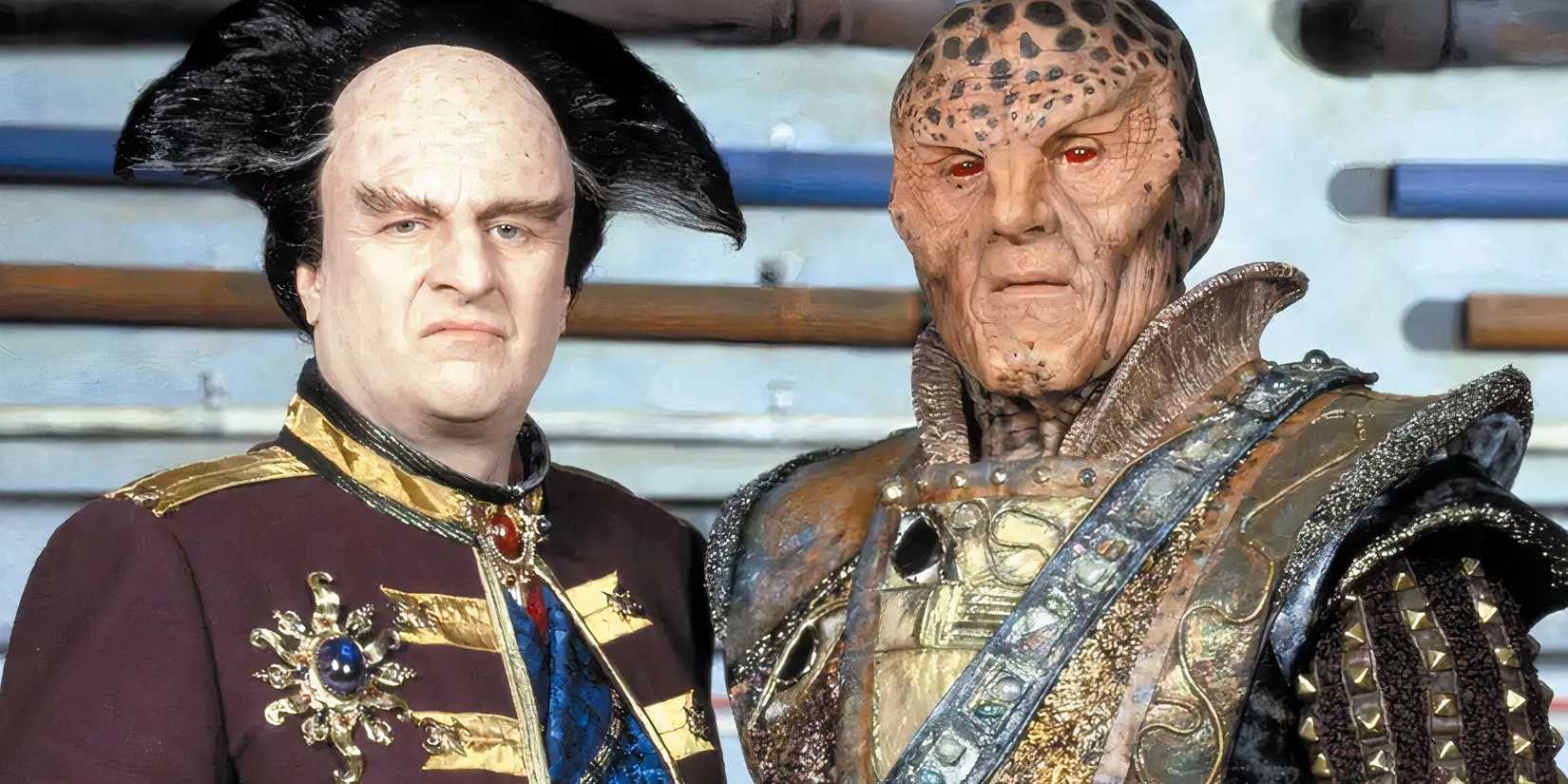
The mythology of Babylon 5 was planned from the beginning as a five-year epic novel set in space. Every episode of the show was meticulously planned out, with writer and producer J. Michael Straczynski allowing for virtually every eventuality including cast changes. The show centers on a space station which plays host to diplomats from many different alien races, all with their own customs and needs, which occasionally clash.
The timeline of Babylon 5 might be relatively short, but the events are influenced by ancient history, with the characters continuing wars that have lasted for millions of years. The show tells multiple stories at once, with Babylon 5 being read as a political record as well as a drama, giving viewers insight into the way history is made while also delivering compelling characters, including one of the best double acts in sci-fi history.
Star Trek

Few fictional universes rival Star Trek in terms of accumulated lore. The Original Series might have followed a “planet of the week” format, but even here, the characters were able to grow through the wider plotlines. The show has developed hundreds of characters, civilizations and worlds, with rich histories all of their own, with some, like the Vulcans and Klingons showcasing extensive worldbuilding that includes religion and philosophy.
The Star Trek franchise has won over 40 major awards, including multiple Emmy Awards, Saturn Awards, and an Academy Award.
Star Trek is still expanding its universe, and yet even as one of the most prolific sci-fi franchises of all time, it has never lost sight of its progressive vision for humanity. The show’s lore even extends to our world, with some Star Trek technologies existing in real life, as the series continues to set an example through its casting and storylines, representing a more inclusive future.
Foundation

Based on Isaac Asimov's monumental sci-fi novels, Foundation was once considered unadaptable due to the sheer scale of the story. Foundation spans millennia, documenting the fall of empires and centering on a mathematician trying to predict the behavior of a civilization. It is usually necessary for any TV series to center its world around the characters, but Foundation reflects the novels’ approach, treating even the main characters as small parts of much larger historical shifts.
Foundation defies all the rules of sci-fi storytelling, keeping the narrative clear while never compromising on the extensive mythology at the heart of both the show and the books. The series lore is groundbreaking, making virtually every other sci-fi TV show feel small by comparison, while the approach has raised the bar for other sci-fi stories that may once have been considered too much of a challenge to adapt for the screen.
Doctor Who
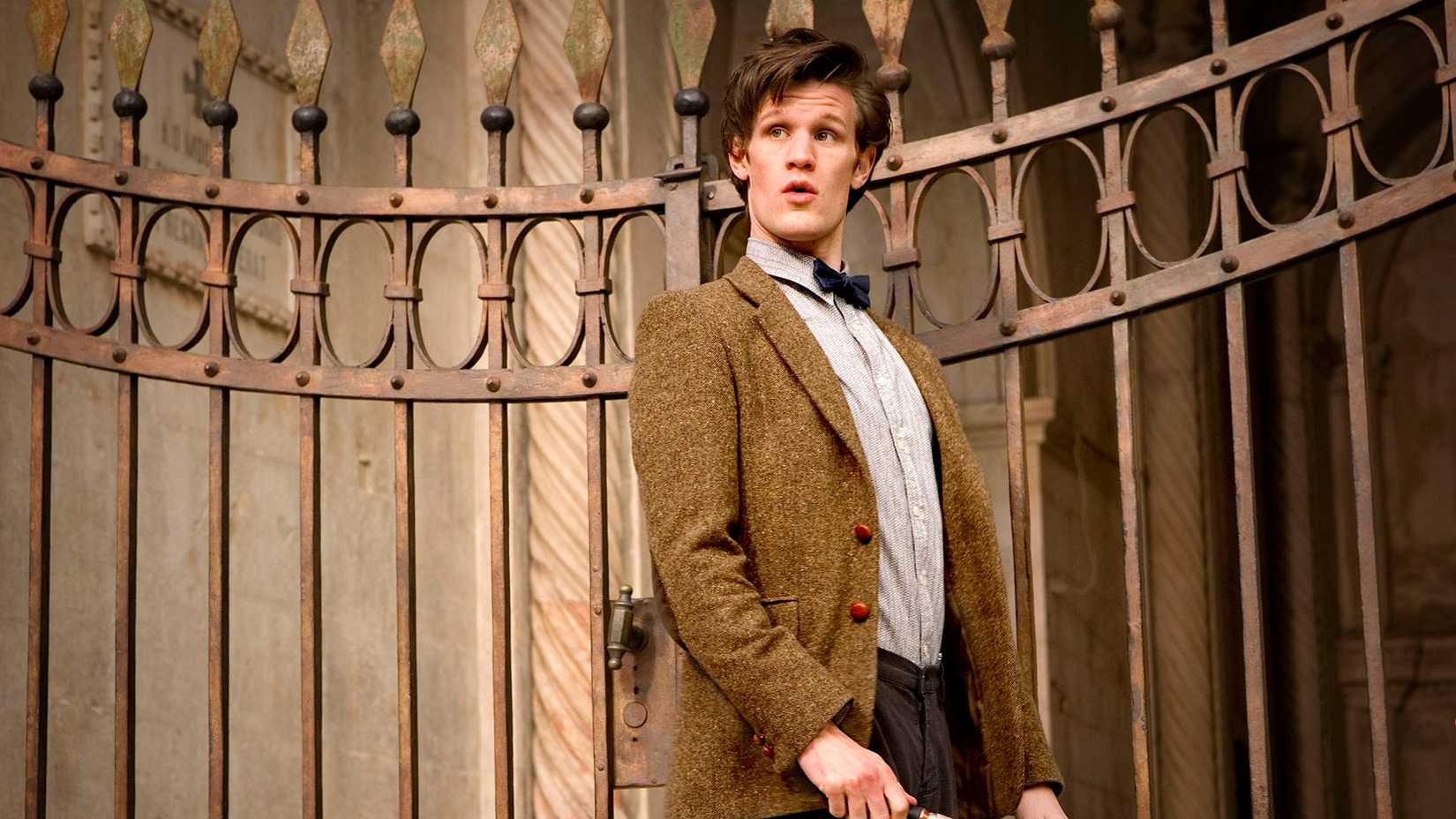
As the longest-running sci-fi TV show of all time, it is understandable that Doctor Who has deep and extensive lore, but this observation barely scratches the surface. The Whoniverse is infinite, incorporating planets, galaxies, and alternate dimensions in a timeline that extends indefinitely in any direction, including sideways. Doctor Who adds another layer of depth by continually regenerating, beginning with The Doctor but ending with some of the most memorable storylines in the timeline.
The series has occasionally scrapped ideas and reworked them, and due to the nature of the show, even Doctor Who's most controversial retcon can be undone. Doctor Who's complexity has become its greatest fault, but it may also be its saving grace. With the show taking a hiatus, it would be the perfect time to examine which of the show's mythologies need expanding, and which could be simplified. Even with half the lore, Doctor Who will likely remain the deepest sci-fi show of all time.
What's Your Reaction?
 Like
0
Like
0
 Dislike
0
Dislike
0
 Love
0
Love
0
 Funny
0
Funny
0
 Wow
0
Wow
0
 Sad
0
Sad
0
 Angry
0
Angry
0









Comments (0)