

6 Unofficial Movie Trilogies That Everyone Should Watch Together At Least Once

Published Sep 22, 2026, 5:10 AM EDT
Senior Music Editor at Screen Rant, Sarah's love of sound and story drive the beat. A globetrotting brand whisperer and award-winning journalist, she’s built cross-cultural narratives around the world—but music has always been her true north. She launched DJ Mag North America, successfully introducing the iconic UK brand to the U.S. market. Previously, she carved a space for EDM inside the pages of VIBE, blending electronic and hip-hop culture long before it was trendy.
Movie trilogies usually make things easy. The characters return, one story leads into another, and eventually the studio packages all three movies into a very convenient box set. Unofficial trilogies require a little more imagination.
Some movies have no shared continuity whatsoever yet become much more interesting when watched together. A filmmaker may return to the same obsession across several unrelated stories, while three completely different productions can approach one idea from wildly different directions. Sometimes all it takes is one actor having an exceptionally specific run of movies for audiences to connect the dots themselves.
The best unofficial trilogies therefore do more than produce a fun triple feature. Watching one movie changes how the next one feels. Similar themes start talking to each other, careers develop in real time, or an entire genre seems to evolve over the course of a single marathon.
None of these six combinations requires pretending the movies secretly occupy the same cinematic universe. That would almost make them less fun. They simply belong together well enough that, once all three have been watched back-to-back, it becomes difficult not to think of them as a trilogy.
Sicario, Hell Or High Water & Wind River
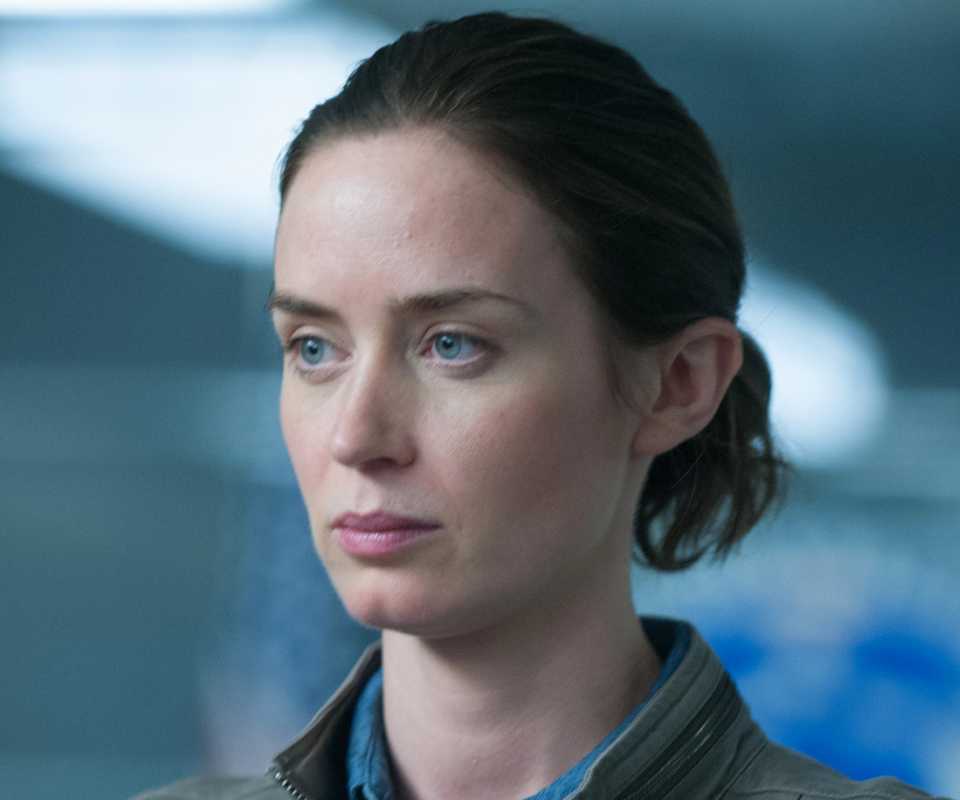
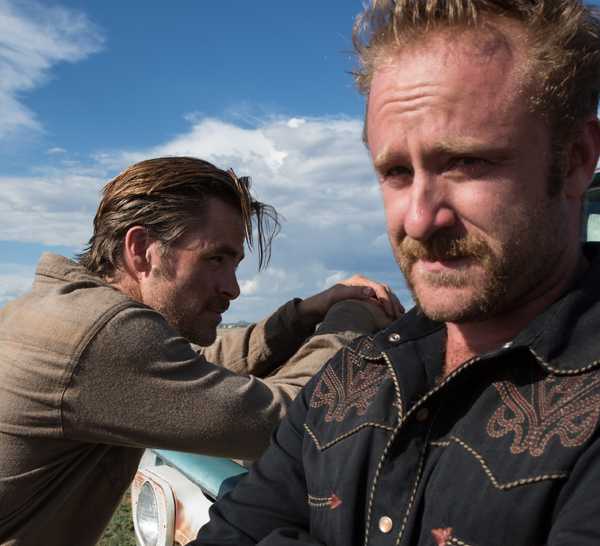
Taylor Sheridan's Sicario, Hell or High Water, and Wind River already feel remarkably close to an intentional trilogy. Sheridan wrote all three movies, while Wind River also marked his feature directorial debut. Each uses a different crime story to examine places where conventional ideas about law and justice become complicated by the reality on the ground.
Watching them together also reveals how easily Sheridan's modern Western sensibility moves between genres. Sicario becomes a brutal border thriller, Hell or High Water a contemporary Western, and Wind River a murder mystery set against the Wyoming wilderness. Anyone drawn to the tension of the latter two should also explore some of the most suspenseful Western movies ever made. The stories never intersect, but Sheridan makes them speak the same cinematic language.
Groundhog Day, Edge Of Tomorrow & Palm Springs
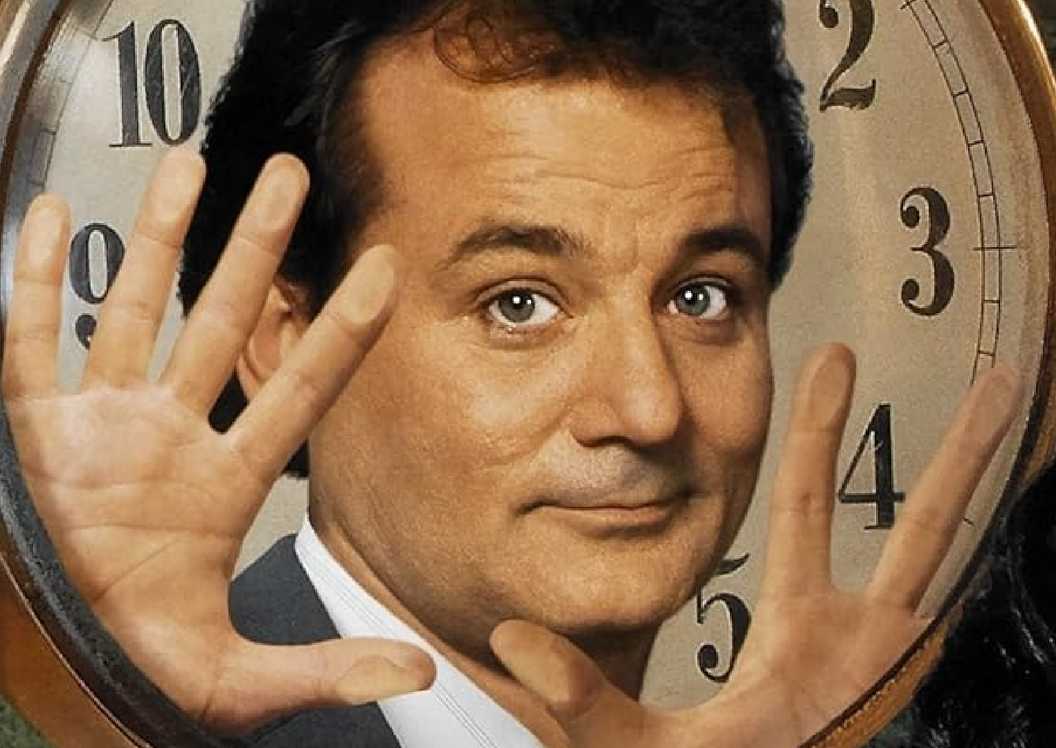
Few movie concepts are more satisfying than watching somebody realize they are trapped inside the same day. Groundhog Day remains the defining time-loop comedy, but pairing it with Edge of Tomorrow and Palm Springs shows just how much filmmakers have managed to do with the same wonderfully restrictive premise.
The marathon also gets progressively stranger. Bill Murray initially treats repetition as a curse before discovering what he can do with unlimited time. Tom Cruise turns the loop into a weapon in Edge of Tomorrow, while Palm Springs asks what happens when more than one person is stuck repeating the experience. Same basic nightmare, three wildly different movies—and the kind of stories where even understanding the movie's ending can completely change the experience on a rewatch.
RoboCop, Total Recall & Starship Troopers
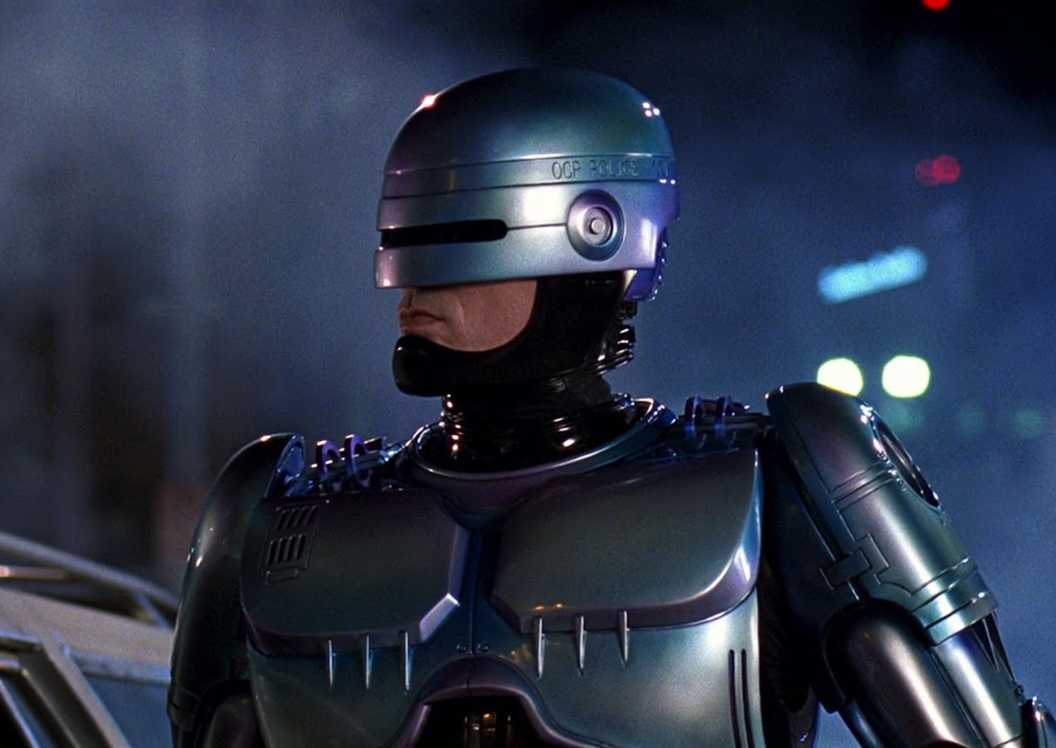
Paul Verhoeven's Hollywood science-fiction run makes for one ferocious unofficial trilogy. RoboCop, Total Recall, and Starship Troopers all work perfectly well as extravagant genre movies, particularly for anyone who simply wants shootouts, explosions, and increasingly creative ways for human bodies to come apart.
Put them together, though, and Verhoeven's satire becomes impossible to miss. Corporate power runs rampant in RoboCop, reality itself becomes a commodity in Total Recall, and Starship Troopers turns militaristic propaganda into an entire cinematic language. They belong to a tradition of ambitious sci-fi that rewards looking beyond the most obvious genre staples, including plenty of overlooked science-fiction movies. Watching all three makes the decade between RoboCop and Starship Troopers feel like one escalating argument disguised as blockbuster entertainment.
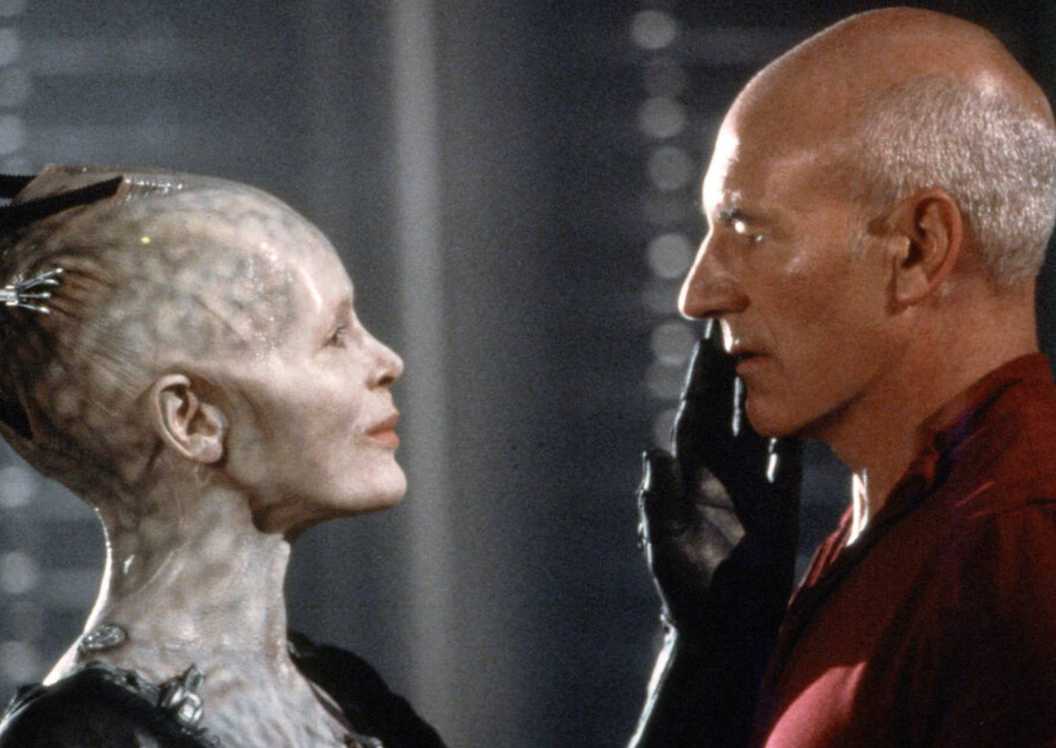
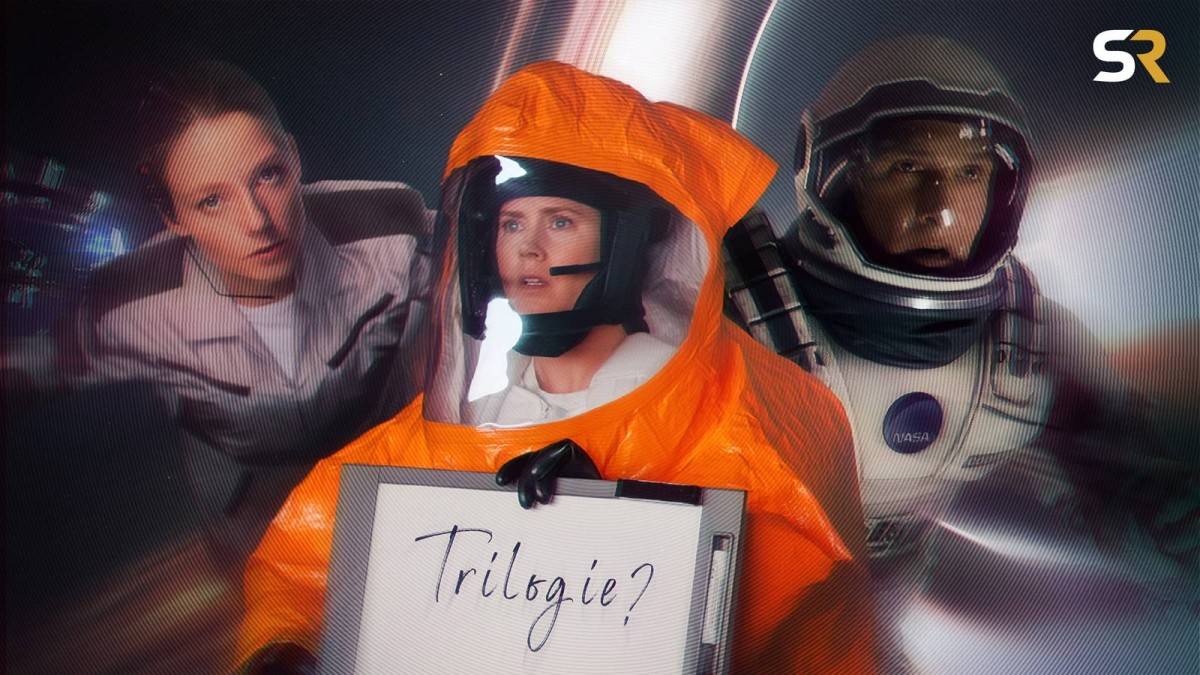
Contact, Interstellar, and Arrival approach humanity's relationship with the unknown on an enormous scale while keeping their emotional stakes remarkably intimate. These are science-fiction movies fascinated by massive questions but ultimately far more interested in human connection than spectacle.
They also make a beautiful progression. Contact looks outward and wonders whether anyone is listening. Interstellar stretches communication across seemingly impossible distances, while Arrival makes language itself the key to understanding something beyond ordinary human experience. Fans of cerebral science fiction have plenty more to explore among the hard sci-fi movies that rival modern hits, but these three make an unexpectedly moving trilogy about our need to reach someone when distance or time says we cannot.
The Rock, Con Air & Face/Off
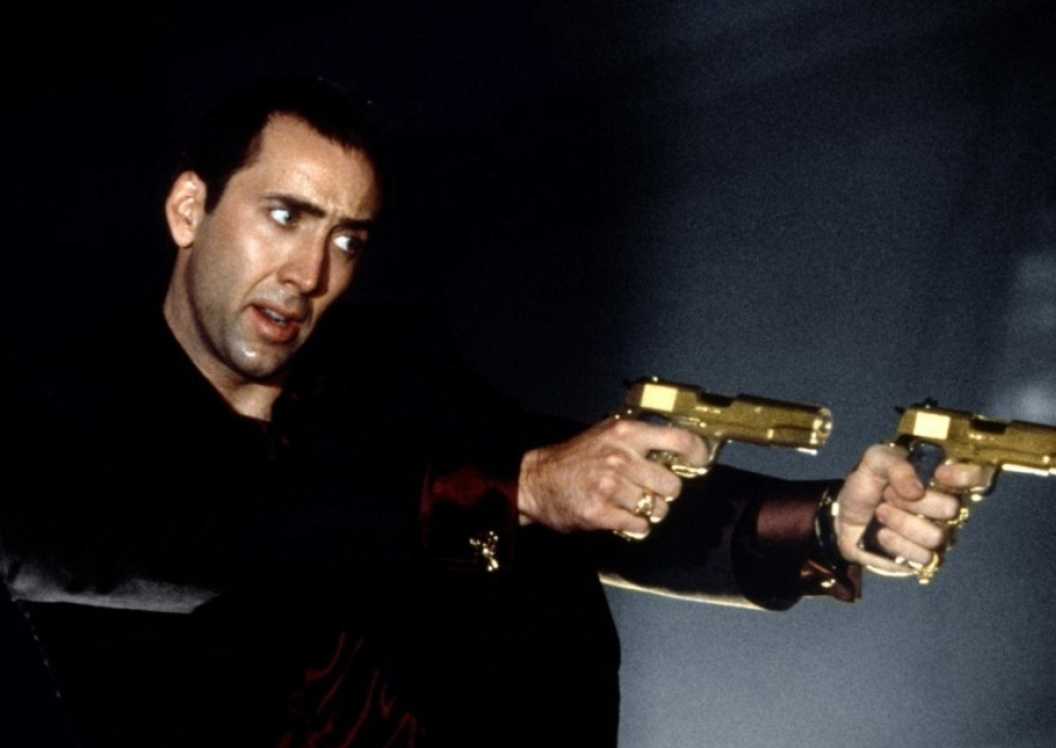
There may be no better record of Nicolas Cage's transformation into a full-fledged action star than the absurdly entertaining run of The Rock, Con Air, and Face/Off. Released within little more than a year of one another, the three movies capture Cage at precisely the moment Hollywood discovered how much fun it was to put him at the center of increasingly enormous action spectacles.
The escalation is what makes the triple feature so satisfying. The Rock gives him Sean Connery, Alcatraz, and a relatively grounded heroic role. Con Air puts Cage on a prison transport plane sporting magnificent hair, before Face/Off allows him and John Travolta to essentially play each other. By movie three, normality has been abandoned completely. As it should be. It is the kind of gloriously excessive run that makes the great movie epics of earlier decades look almost restrained.
Lost In Translation, Her & Marriage Story

Scarlett Johansson provides the connective tissue for perhaps the most emotionally brutal trilogy on this list. She plays a lonely young woman searching for connection in Lost in Translation, becomes the voice of artificial intelligence in Her, and eventually lands at the center of a marriage falling apart in Marriage Story.
Their stories have nothing to do with one another, but watching them together creates a fascinating progression through intimacy and adulthood. Lost in Translation captures the uncertainty of a connection that cannot really go anywhere. Her explores love without conventional physical proximity, while Marriage Story examines what remains when a relationship has already gone somewhere and can no longer survive there. It may be the loosest trilogy here, but it is also the one most likely to leave viewers emotionally wrecked by the credits.

Birthdate November 22, 1984
Birthplace New York City, NY, U.S.A.
Occupation(s) Actor, Director, Musician
First On-Screen Role North (1999)
Current Spouse Colin Jost
What's Your Reaction?
 Like
0
Like
0
 Dislike
0
Dislike
0
 Love
0
Love
0
 Funny
0
Funny
0
 Wow
0
Wow
0
 Sad
0
Sad
0
 Angry
0
Angry
0






Comments (0)