

8 Great Movie Epics That Are Filled With Historical Inaccuracies
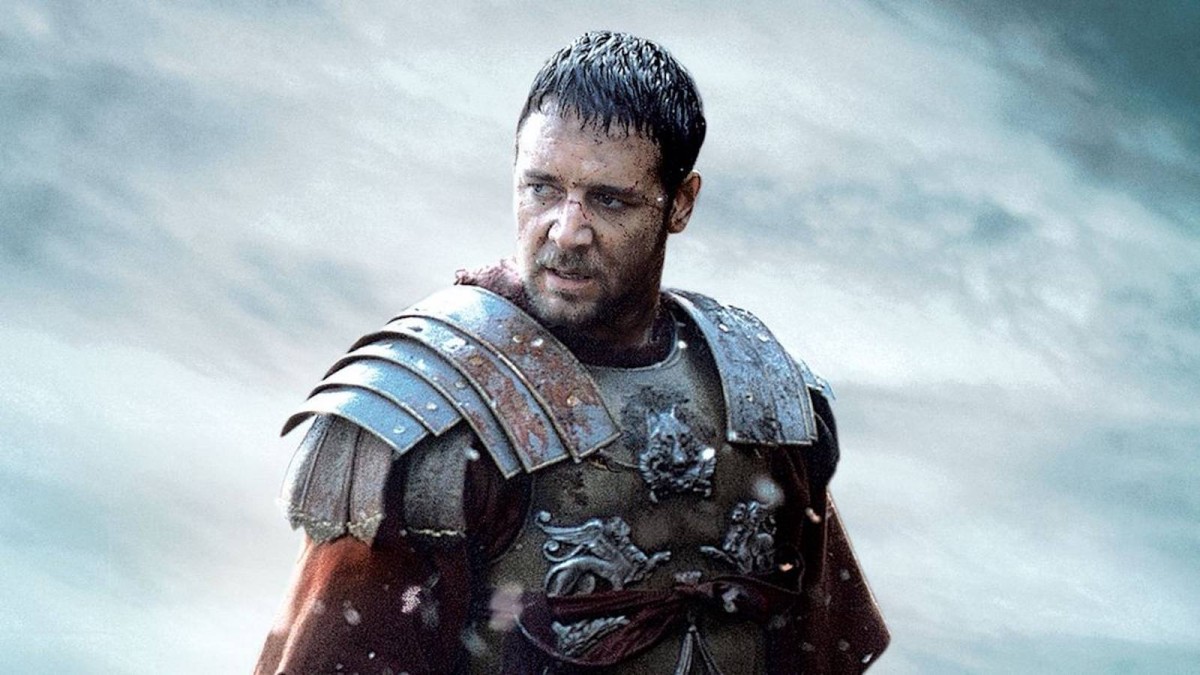
Historical epics occupy a fascinating place in cinema, balancing historical accuracy with a dramatic narrative that sometimes bends the truth a little too far. Historical epics promise audiences grand battles, larger-than-life heroes, and a window into the past, all wrapped up in spectacular filmmaking. The problem is that many of Hollywood's most beloved historical blockbusters are far more interested in telling an entertaining story than accurately depicting real events.
Strict historical accuracy doesn't always translate into compelling drama, and audiences generally remember memorable characters and emotional moments more than precise dates or political details. That said, some movies take so many liberties that historians practically need a recovery day afterward. They can become so distracting that following the movie becomes impossible, or can tank a movie’s reputation in the years after its release.
Inventing romances, rewriting famous deaths, relocating entire military victories, or compressing thousands of years of human history into a single adventure, these films frequently prioritize excitement over facts. That doesn't necessarily make them bad movies – many are outstanding. However, it does make them fascinating examples of Hollywood's tendency to reshape the past. These epic films remain hugely entertaining despite being packed with historical inaccuracies.
Braveheart (1995)

Perhaps the most infamously inaccurate epic ever, Mel Gibson's Braveheart is one of the most influential historical movies ever made. It presents William Wallace as a humble Scottish commoner who rises to challenge English rule. In reality, Wallace likely came from a noble family and was far removed from the impoverished Highlander depicted onscreen.
Braveheart’s romantic subplot involving Isabella of France is even more questionable. Not only is it highly unlikely that Wallace and Isabella ever met, but she was also significantly younger than the film suggests during the events portrayed. The implication that Wallace fathered a royal heir is pure fiction.
Even Wallace's execution was softened for audiences. While Braveheart ends with his beheading, the real Wallace endured the far more brutal punishment of being drawn and quartered. Historical accuracy may suffer, but Braveheart’s emotional power remains undeniable.
Gladiator (2000)
 ©DreamWorks/Courtesy Everett Collection
Ridley Scott's Gladiator helped revive the historical epic genre and turned Russell Crowe into an international star. Unfortunately for history enthusiasts, much of its story is completely fictional. Firstly, Crowe’s hero, Maximus Decimus Meridius, never existed.
Maximus serves as a convenient fictional figure through whom audiences can experience the political turmoil of ancient Rome. Gladiator also dramatically alters the fate of Emperor Marcus Aurelius, portraying him as the victim of a murderous son. Historically, Marcus Aurelius died from chicken pox, most likely during a military campaign.
Commodus was certainly a controversial emperor, but Gladiator exaggerates many aspects of his personality and reign. Most notably, he wasn't killed in a dramatic arena showdown. Instead, he met his end when he was strangled by his lover during a conspiracy against him. None of these changes diminish the spectacle, but they certainly make for an unconventional history lesson.
The Patriot (2000)

When Roland Emmerich and Mel Gibson teamed up for The Patriot, historical accuracy never stood much chance. The Revolutionary War epic delivers exciting battles and stirring speeches, but many historians have criticized its portrayal of the conflict as bordering on propaganda. The Patriot paints British soldiers as cartoonishly cruel villains, including a sequence involving civilians being locked inside a church and burned alive.
No such event ever occurred during the American Revolution. Critics have also highlighted how The Patriot avoids addressing the role of slavery despite drawing inspiration from real historical figures who owned enslaved people. This approach attracted considerable criticism following its release.
Among the most vocal detractors was filmmaker Spike Lee, who argued that the movie largely ignored slavery while presenting an idealized version of American history. As pure entertainment, The Patriot works remarkably well. As a historical document, however, it raises almost as many questions as it answers.
Pearl Harbor (2001)

Michael Bay's Pearl Harbor combines a real historical tragedy with a fictional love triangle, creating a blockbuster that often places drama ahead of accuracy. One major invention involves the heroes surviving the attack and then participating in the Doolittle Raid on Tokyo.
While the raid certainly happened, the details are completely off regarding personal and logistics. Pearl Harbor also depicts Japanese pilots deliberately targeting civilians and hospitals during the attack, something historians dispute. Perhaps the most controversial moment involves President Franklin D. Roosevelt dramatically standing from his wheelchair to inspire those around him.
While undeniably cinematic, the scene drew criticism for misrepresenting Roosevelt's physical condition. The attack on Pearl Harbor remains one of the most significant events of the twentieth century. Unfortunately, the movie frequently blurs the line between historical fact and Hollywood melodrama, often favoring emotional spectacle over historical precision.
10,000 BC (2008)

If historical accuracy were a competition, 10,000 BC might accidentally show up several thousand years late. Roland Emmerich's prehistoric adventure is less a depiction of ancient humanity and more a fantasy story wearing a history-themed costume. Notably, it features woolly mammoths helping construct the pyramids despite the fact that the Egyptian pyramids would not appear for roughly another eight millennia.
Characters also use metal tools thousands of years before such technology became common. Geography receives similar treatment. The protagonist travels from frozen wilderness into what appears to be a desert civilization resembling Ancient Egypt in what feels like a remarkably short walk.
In reality, much of the world during 10,000 BC was still heavily affected by the last Ice Age. Consequently, 10,000 BC is an entertaining adventure that treats human history less like a timeline and more like a buffet where every era is available simultaneously.
U-571 (2000)
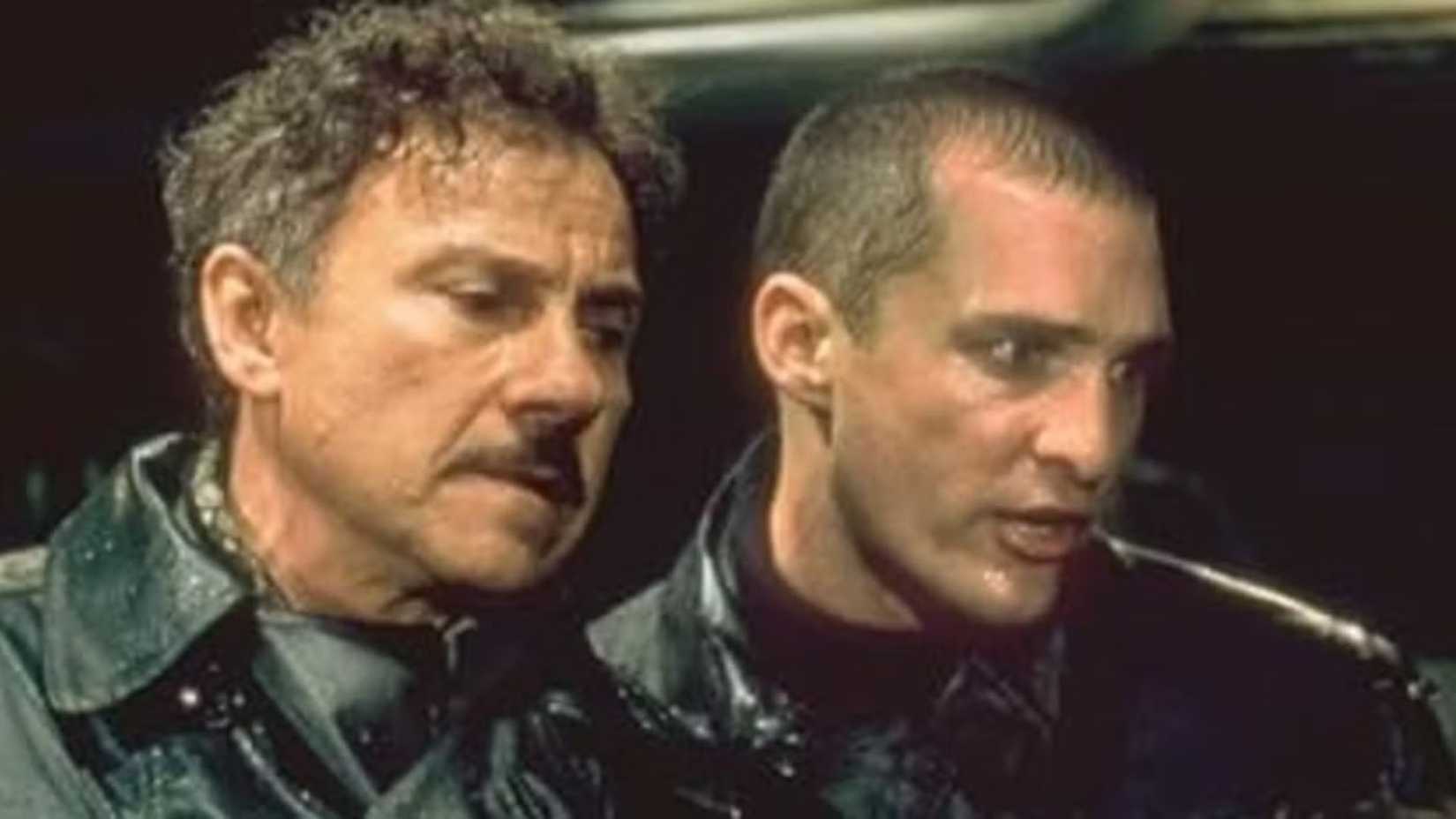
U-571 is an exciting submarine thriller that generated considerable controversy because of one particularly significant historical alteration. It depicts American sailors capturing a German Enigma machine from a U-boat, an achievement presented as a crucial Allied victory. The problem is that this didn't happen.
The real capture of an Enigma machine was accomplished by British sailors aboard HMS Bulldog in 1941, before the United States entered the war. By assigning that accomplishment to American characters, U-571 sparked criticism in the United Kingdom and among military historians.
Many commentators compared the controversy to earlier war films that exaggerated American involvement in campaigns largely fought by British and Commonwealth forces, essentially becoming pro-American propaganda. Viewed purely as a suspense thriller, U-571 succeeds admirably. Viewed as a representation of wartime history, however, it takes liberties that many felt crossed the line.
The Last Samurai (2003)
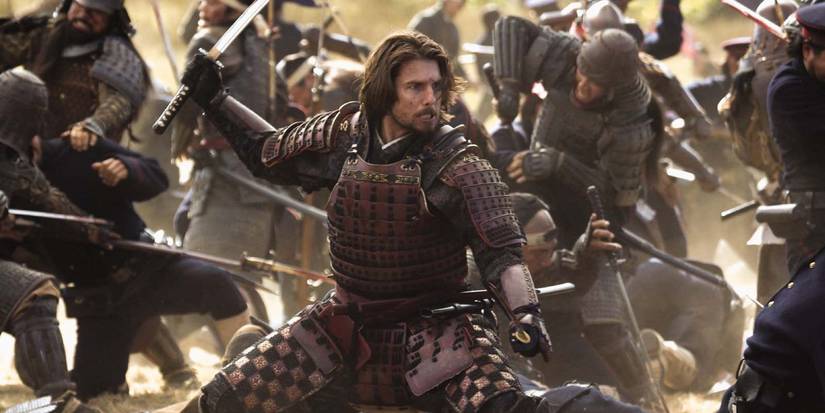
The Last Samurai remains a visually stunning epic, but its depiction of nineteenth-century Japan often prioritizes myth over reality. Set during the Satsuma Rebellion, Tom Cruise's Captain Nathan Algren, a fictional American Civil War veteran, becomes deeply involved with the samurai resistance. While inspired by various historical influences, no equivalent figure existed in the actual conflict.
The Last Samurai also romanticizes samurai culture notably, frequently portraying it as a noble alternative to modernization. In reality, Japanese society was far more complex than the narrative suggests. Another common criticism involves the presence of ninja-like assassins despite the fact that such figures no longer existed in the form depicted.
Perhaps most notably, firearms were already widely used during the period. The Last Samurai’s emphasis on sword combat creates some incredible action sequences but traps Japan in an ancient timeline that suggests no progress was made by 1877.
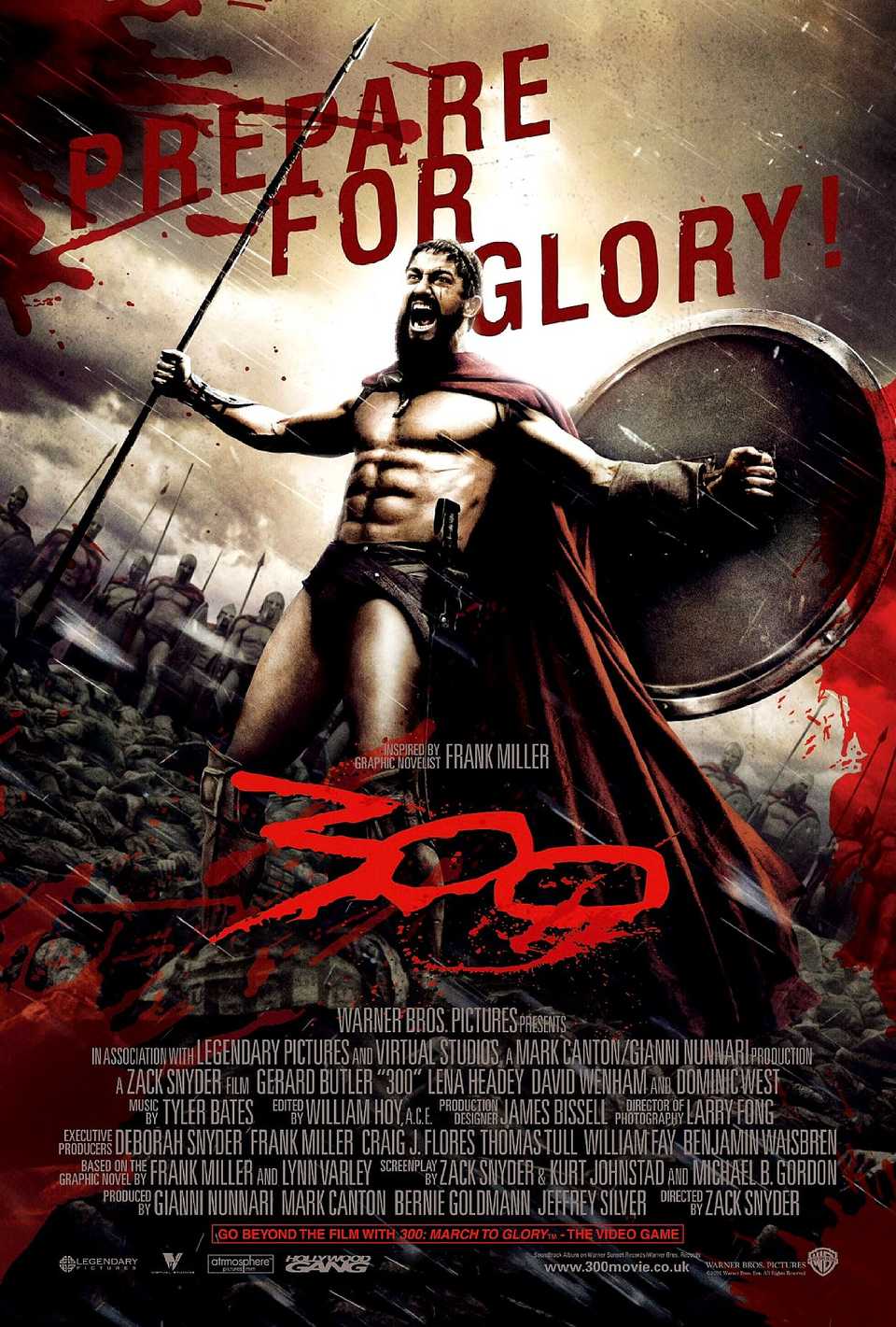
300 (2007)
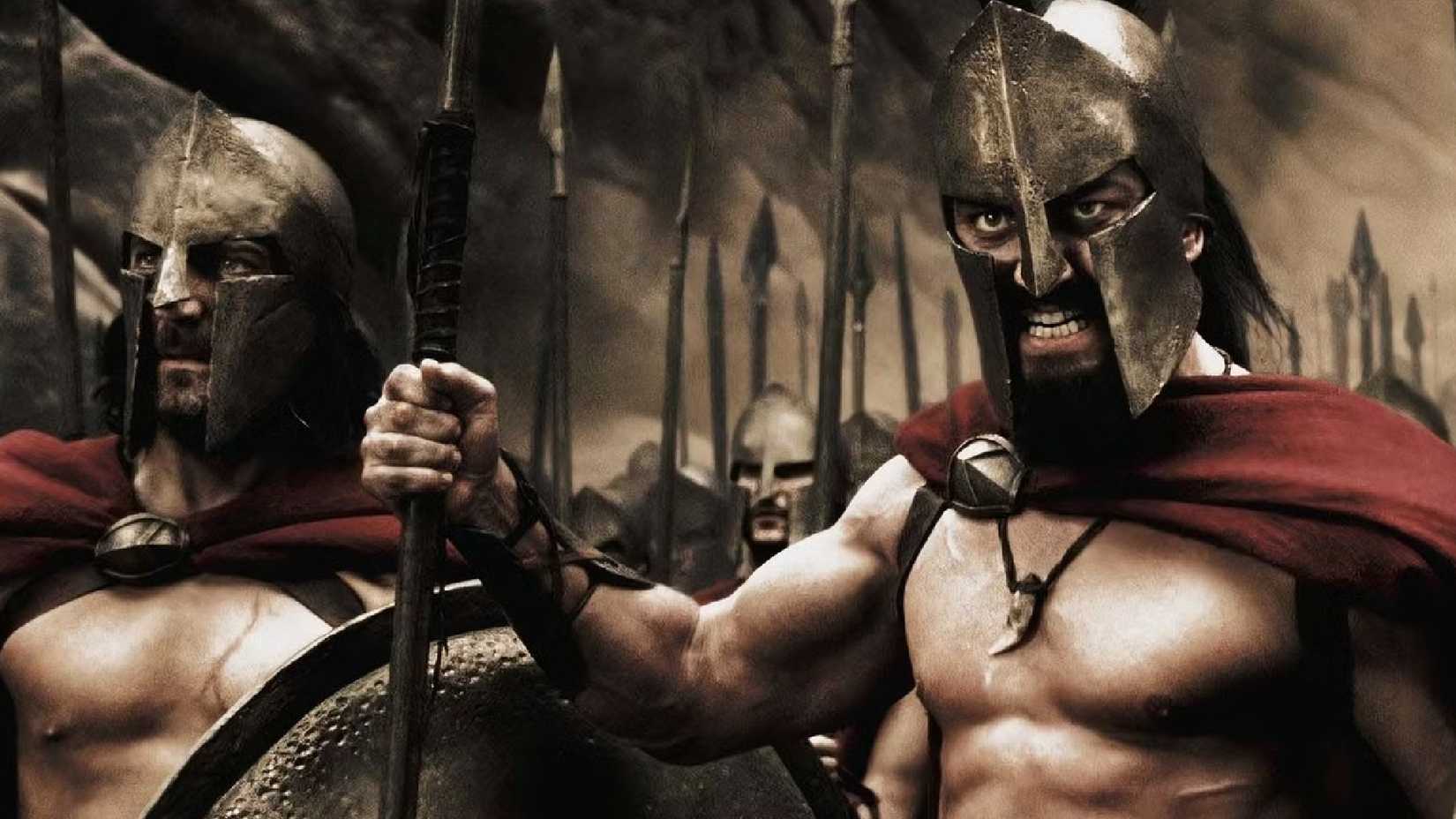
Zack Snyder's 300 was never intended to function as a documentary, and it certainly doesn't. Adapted from Frank Miller's graphic novel, it transforms the Battle of Thermopylae into a highly stylized fantasy epic. One of the biggest misconceptions involves the famous number in the title.
While 300 Spartans were indeed present, they fought alongside thousands of other Greek soldiers from various city-states. 300 largely ignores these contributions to focus on Spartan heroics. The depiction of Xerxes also drew criticism. Rather than portraying the Persian ruler as a historical monarch, 300 presents him as an almost supernatural giant covered in jewelry and piercings.
The Persians themselves are frequently depicted as monstrous caricatures. Combined with heavily stylized combat and physiques that look sculpted by a particularly enthusiastic gym instructor, the result is unforgettable cinema – just not especially reliable history.
Release Date March 9, 2007
Runtime 117 minutes
What's Your Reaction?
 Like
0
Like
0
 Dislike
0
Dislike
0
 Love
0
Love
0
 Funny
0
Funny
0
 Wow
0
Wow
0
 Sad
0
Sad
0
 Angry
0
Angry
0







Comments (0)