

After 8 years, Steven Spielberg is finally returning to the genre he helped define

Published Jun 12, 2026, 10:01 AM EDT
The one true king is back to shape the future of science fiction once again
 Image: Warner Bros. Pictures
In the last eight years, Hollywood has released countless sci-fi blockbusters, from incredible new entries in the Dune and Avatar franchises to a seemingly endless stream of films built around giant spectacles and existential threats. Yet one of the filmmakers most responsible for shaping what modern science fiction looks like has largely been absent from the genre.
Why Steven Spielberg is the king of sci-fi
The gap is particularly notable because science fiction has long been one of Spielberg's defining genres. While he's directed everything from war dramas (Empire of the Sun, Saving Private Ryan) to historical biopics (Schindler’s List, Lincoln), to musicals (West Side Story), some of his most influential work was born from stories about alien encounters and advanced technologies, with themes almost always questioning humanity's place in a rapidly changing world. Few filmmakers have left a larger imprint on the genre of science fiction, and arguably none have been as successful at reinventing it across multiple decades.
What is remarkable about Spielberg's sci-fi filmography is how varied and unique each picture is. Close Encounters of the Third Kind presented extraterrestrial life as a source of awe and wonder, while E.T. the Extra-Terrestrial transformed first contact into an intimate story about childhood and friendship. Jurassic Park used groundbreaking visual effects to bring animatronic dinosaurs to life for modern cinema, creating a new standard for blockbuster filmmaking in the process. Minority Report helped define the look and feel of the modern thriller. A.I. Artificial Intelligence explored the boundaries of humanity in a world growing more artificial.
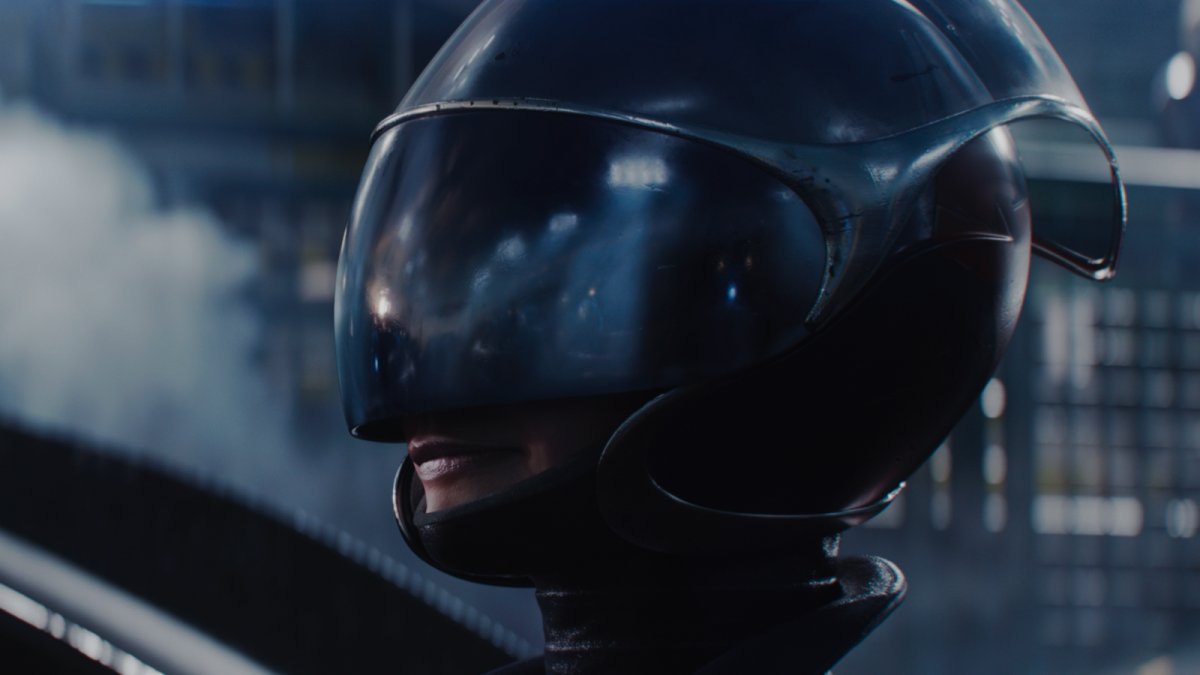
Even when Spielberg embraces massive set pieces or cutting-edge visual effects, his approach to science fiction often zeroes in on ordinary people encountering extraordinary circumstances. The same thing is true for Disclosure Day, which tells the story of two seemingly ordinanry people drawn into a vast sci-fi conspiracy.
That's part of what has allowed so many of Spielberg’s sci-fi films to endure. Jurassic Park isn't remembered simply because the dinosaurs looked convincing. E.T. isn't iconic because it featured a loveable alien. Spielberg consistently uses science fiction concepts as a way to explore universal emotions, like wonder, fear, loneliness, and the excitement of discovering something beyond human understanding.
How Spielberg influenced a generation of sci-fi filmmakers
Spielberg's eight-year absence from the genre has coincided with an era of sci-fi movies increasingly dominated by established franchises. Many of the biggest releases of the last decade have been sequels, reboots, or adaptations tied to larger cinematic universes. Even Ready Player One was a smorgasbord of recognizable IP all smashed together into a dystopian cyberpunk adventure.
Spielberg may have spent most of the last decade outside the sci-fi genre, but his influence remains undeniable. For younger audiences, Christopher Nolan's Interstellar has become the genre's defining epic thanks to its blend of cosmic spectacle and deeply personal family drama that feels remarkably close to the style Spielberg spent decades refining. That's no coincidence, Spielberg was attached to direct Interstellar years before Nolan took over the project. That influence isn’t limited to traditional sci-fi epics either. Even Everything Everywhere All at Once, with its multiverse chaos grounded in family drama, uses a language of emotionally driven sci-fi that Spielberg helped normalize decades earlier.
Can Disclosure Day recapture that Spielberg sci-fi magic?
That makes Disclosure Day feel somewhat unusual. It's arriving at a moment when original science fiction films have become increasingly rare, particularly those directed by filmmakers with Spielberg's level of influence and commercial appeal. The premise, centered on a global revelation involving extraterrestrial life, also returns him to a recurring fascination of his that has appeared throughout his career, from Close Encounters to E.T. and War of the Worlds.
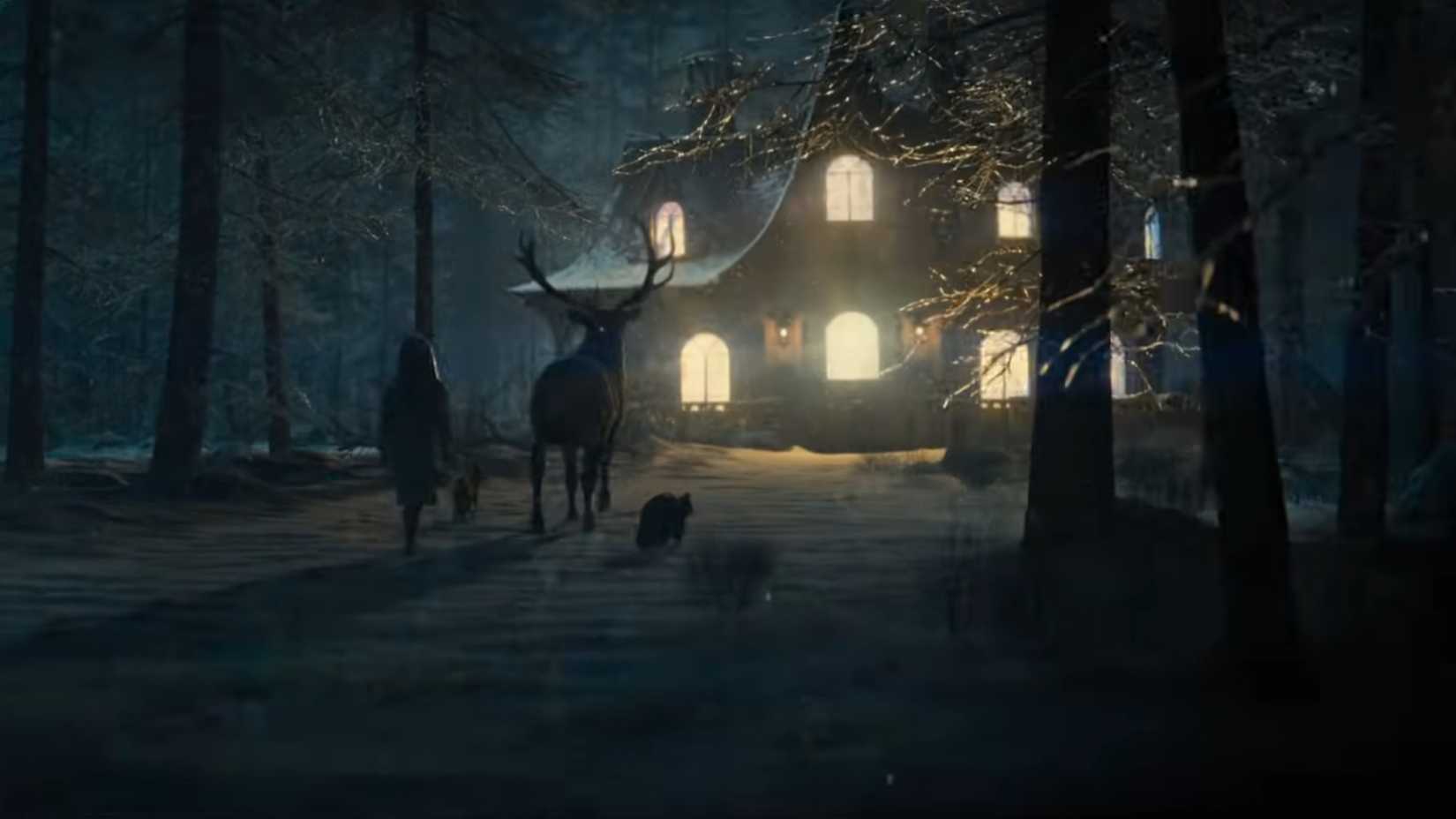 Image: Universal Pictures
Whether Disclosure Day can match the upper tier of Spielberg's beloved science fiction work remains to be seen — it’s an extraordinarily high bar to clear — but the film’s arrival is a reminder of how much of modern sci-fi still exists in the director's shadow. The genre has continued to evolve in his absence, but many of its most enduring ideas can still be traced back to films he made decades ago.
That's why Spielberg's return to sci-fi feels significant. Not because the genre has been waiting for him, but because few filmmakers have done more to shape what audiences expect from the magic of science fiction in the first place.
Disclosure Day is in theaters now.
What's Your Reaction?
 Like
0
Like
0
 Dislike
0
Dislike
0
 Love
0
Love
0
 Funny
0
Funny
0
 Wow
0
Wow
0
 Sad
0
Sad
0
 Angry
0
Angry
0







Comments (0)