

Clint Eastwood's Greatest Franchise Was A Masterpiece That Just Kept Getting Better With Each Movie


Published Nov 14, 2026, 8:55 AM EST
Padraig is a Senior Features Writer and has been part of Screen Rant since 2017. Padraig is a writer, editor and retired Game of Thrones extra who has been writing about movies and TV online for over a decade. He has also written for The Irish Times, Den Of Geek, Little White Lies and many more. It's pronounced Paw-rick, BTW.
Sign in to your ScreenRant account
Clint Eastwood's most unlikely franchise just kept getting better with each sequel. Despite being a leading man for decades, there are only a handful of Clint Eastwood franchises in existence.
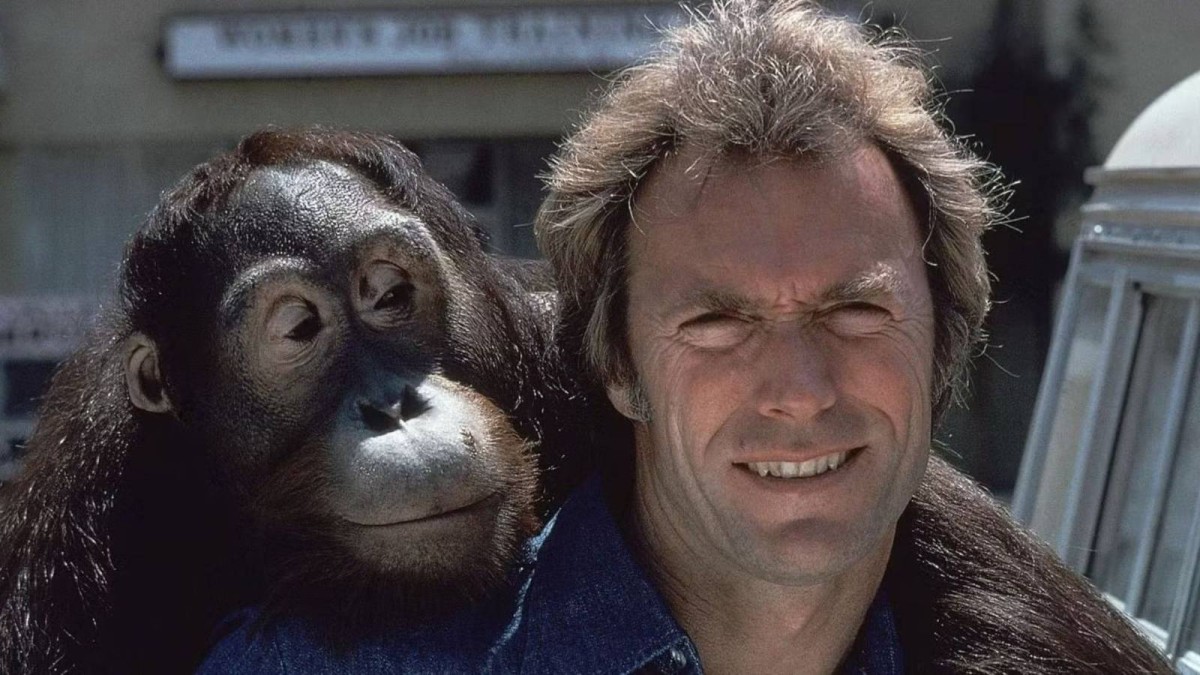
Eastwood always preferred to tackle fresh material, and only went back to certain characters if he felt there was a solid story. That said, the Dirty Harry movies provided him with a reliable series to return to every few years - especially if he was coming off a run of underperformers. Adjusted for inflation, Every Which Way But Loose is Eastwood's most successful movie, and was such a smash that a sequel followed only two years later.
Rounding out Eastwood's trilogy of franchises is the Sergio Leone Dollars trilogy. The original is a low-budget Italian Western that was also an unauthorized remake of Akira Kurosawa's Yojimbo. What should have been a cheapie Spaghetti Western that came and went instead became a word-of-mouth hit and made Clint a movie star. A Fistful of Dollars was quickly followed by two loosely-connected sequels which, somehow, were even better.
Each Dollars Trilogy Movie Was Better Than The Last
Speaking with Bill Maher's Club Random podcast in 2024, Quentin Tarantino accurately underlined how the Dollars series "does what no other trilogy has ever been able to do." In most franchises, it's a given the third one will be the worst, which holds for everything from The Godfather to The Dark Knight. In the case of Sergio Leone's Western saga, it's the exception that proves the rule.
A Fistful of Dollars is a fantastic movie, but For A Few Dollars More is even better. It's more ambitious, beautifully shot and scored, and the addition of Lee Van Cleef is inspired. And finally, the third and final outing, The Good, the Bad and the Ugly, is one of the greatest Clint Eastwood Westerns in existence.
With each instalment, Leone broadened the scope and scale, and made each film more cinematic than the last. It's rare for a trilogy to consistently improve and build upon what came before whilst staying true to the original. Weirdly, it was Leone's striving for a more epic scope that pushed Eastwood away from the Italian auteur.
Clint grew weary of Leone's perfectionist style, and even turned down the lead role in the director's masterpiece Once Upon a Time in the West because he hated how lengthy Leone's shoots became (via Conversations with Clint: Paul Nelson's Lost Interviews with Clint Eastwood). Despite Eastwood's protests, it was Leone's exacting approach that made the Dollars trilogy so lasting.
The Good, The Bad, And The Ugly Is Still The Definitive Clint Eastwood Western
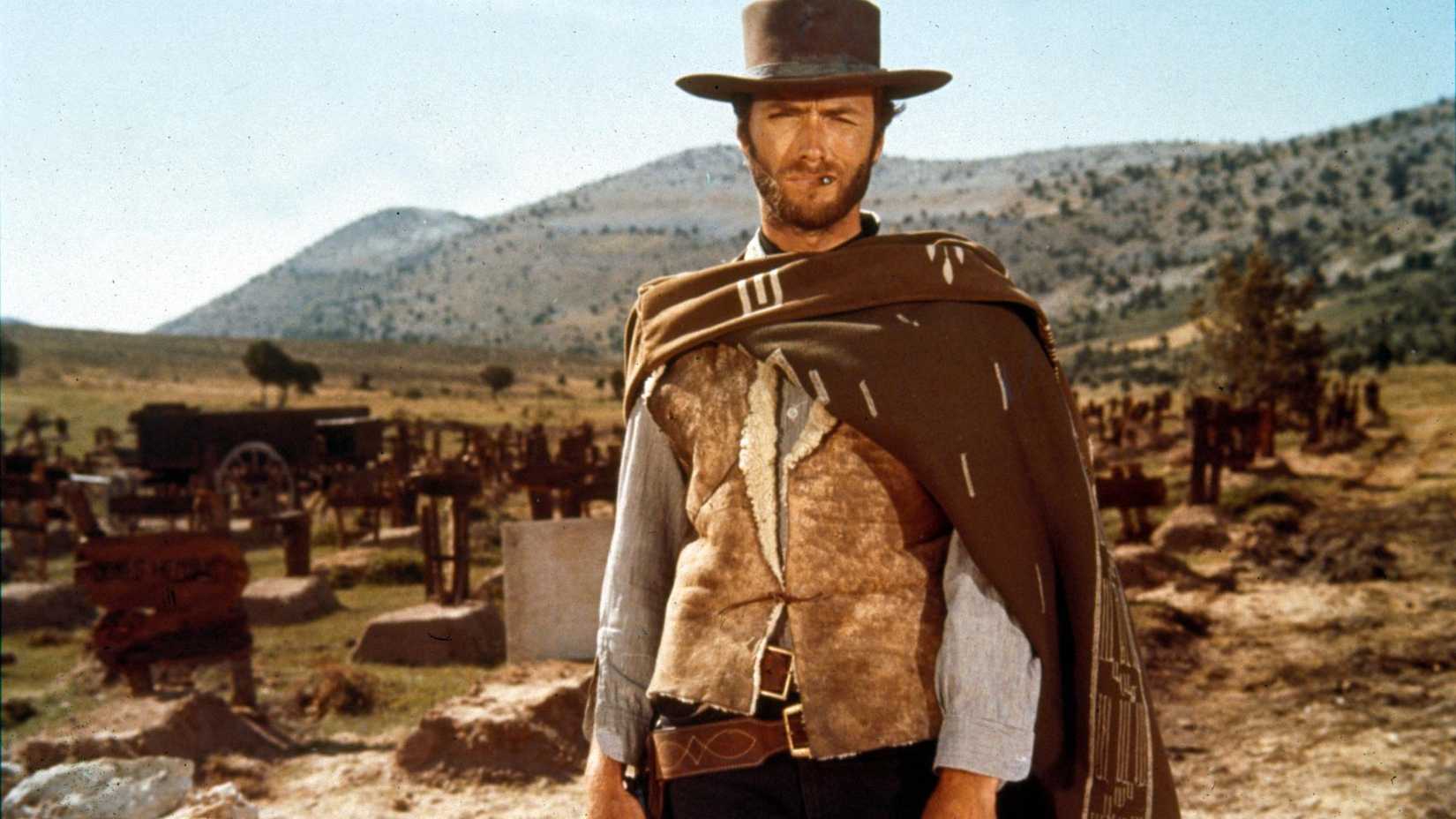
The three films lean into the mythology and romanticism of the Old West while also bursting the bubble surrounding it. Clint's Man with No Name is an anti-hero perfectly willing to lie, cheat and shoot people in the back, and he's only the hero by virtue of the outlaws he battles with being so much worse.
With The Good, the Bad and the Ugly, Leone made the first two movies feel like practice runs for the Western he truly wanted to make. From the opening credits set to Ennio Morricone's iconic theme to the greatest Western showdown in the finale, this trilogy capper is note perfect.

Choose the movie with the higher Rotten Tomatoes score.
Results
0 Points
High Score: 0
Leone gives his 1966 Western an operatic quality too, where its three amoral leads search for a stash of gold while the country around them is torn apart by war. Good people die, bad men prosper, and Clint's Blondie becomes the nominal hero because he has a slight moral core that Van Cleef's ruthless Angel Eyes (AKA The Bad) lacks.
When the trio faces off in The Good, the Bad and the Ugly's final showdown, it's not a case of good versus evil - it's who is fastest with a gun. This highlights the pragmatic, violent world both Leone and many of Clint Eastwood's own Westerns take place in, and what made them so groundbreaking.
Source: Club Random Podcast, Conversations with Clint: Paul Nelson's Lost Interviews with Clint Eastwood

Release Date December 22, 1966
Runtime 161 minutes
Director Sergio Leone
Writers Agenore Incrocci, Furio Scarpelli, Luciano Vincenzoni, Sergio Leone, Mickey Knox
Producers Alberto Grimaldi
Cast


What's Your Reaction?
 Like
0
 Dislike
0
 Love
0
 Funny
0
 Wow
0
 Sad
0
 Angry
0





Comments (0)