

HBO's Chernobyl explores the horror of institutional failings

Published Jun 6, 2026, 7:00 AM EDT
Bureaucratic failure can be scarier than zombies

There are numerous hit TV shows that explore our fears of how the world will end, whether it’s a zombie plague The Walking Dead, nuclear war in Fallout, or a deadly pandemic in Station Eleven. Craig Mazin added to that trend as co-showrunner of The Last of Us, but before he adapted Naughty Dog’s game about fungal zombies, he wrote an even scarier show for HBO.
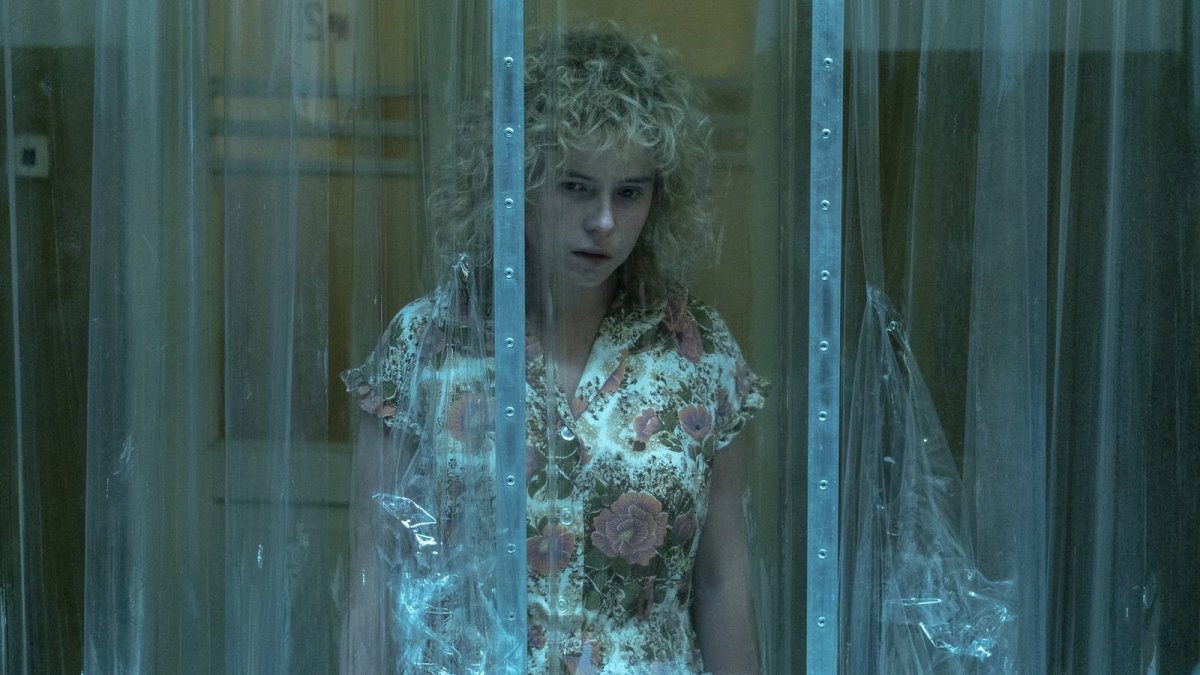
The 2019 five-episode HBO miniseries Chernobyl is a chilling look at the world’s worst nuclear disaster, and how institutional failings nearly made it truly apocalyptic. Most of Chernobyl takes place in the immediate aftermath of the disaster, but the show opens with a flash forward two years later with the head of the cleanup Valery Legasov (Jared Harris) secretly recording his account of the events and ultimately hanging himself. At the time, Harris had earned some awards attention for his supporting roles in Mad Men and The Crown, and was a genre darling for his appearances in The Expanse and Fringe. But his starring role in Chernobyl alongside Stellan Skarsgård really propelled him to prominence, setting the stage for the lead part in Apple’s sci-fi epic Foundation.
Legasov’s work doesn’t start until episode two. After the flash forward, the series premiere focuses on the reactor explosion at Chernobyl and the delayed response as incompetent engineers deny the scale of the problem and cut off communications in the nearby city of Pripyat to prevent panic. There’s horror in the mundanity of curious locals gathering to watch the fire, knowing the levels of radiation they are unwittingly being exposed to. A curious man grabbing a piece of rubble from the explosion comes away burned, another demonstration of just how ill-informed they were of the threat.
The rapid escalation of that threat makes Chernobyl such a propulsive watch. Legasov travels to Pripyat alongside Boris Shcherbina (Skarsgård), a high-level Soviet bureaucrat who acts in some ways as his foil. Both actors do a phenomenal job conveying the strain they’re under as they argue with each other and everyone around them in a desperate attempt to manage a crisis that keeps getting worse. Shcherbina represents the government leadership who would rather minimize the problem than risk public embarrassment for the Soviet Union, but he quickly grasps the stakes. When Legasov informs Shcherbina that he has already been exposed to a lethal dose of radiation just by traveling to Pripyat, he accepts his fate with remarkable stoicism.
Mazin doesn’t shy away from demonstrating just how horrific radiation poisoning is, either. A scene in a hospital treating the workers at Chernobyl who received acute exposure is filled with nightmarish imagery and the promise of worse fates to come. Burns are just a prelude to bodies melting from within. Mazin and director Johan Renck skillfully portray the magnitude of the nightmare with a shot of zinc coffins lowered into a mass grave where they’re covered in concrete to contain the radiation.
Yet over and over again characters prove their heroism by signing their own death sentences to ensure the crisis doesn’t spread. The cleanup effort is brutal in every way as radiation disrupts lights – leaving workers in darkness – and short circuits robots, forcing humans to manually clear dangerous debris. The dire circumstances are broken up with unexpected humor, like a group of miners working naked as they try to prevent a nuclear meltdown. They’ve realized the protective gear won’t really keep them safe, so they might as well avoid overheating.
Chernobyl was released a year before the COVID-19 pandemic, and it feels prescient in its examination of the fact that crises don’t emerge from nowhere. The series dives into the unheeded warnings that could have prevented the Chernobyl disaster and the ways leaders failed to learn from their mistakes, preferring to find convenient scapegoats rather than tackle the institutional failings that were really responsible. Post-apocalyptic stories often use fanciful concepts like zombies to examine the worst parts of humanity, but Chernobyl is so effective because it doesn’t require the distance of speculative fiction. It’s a historical look at the very real catastrophic damage that can be caused by hubris and mismanagement that still finds hope in the willingness of people to sacrifice everything to save others.
What's Your Reaction?
 Like
0
Like
0
 Dislike
0
Dislike
0
 Love
0
Love
0
 Funny
0
Funny
0
 Wow
0
Wow
0
 Sad
0
Sad
0
 Angry
0
Angry
0









Comments (0)