

Nintendo Direct killed E3 and created Summer Game Fest

Published Jun 6, 2026, 8:00 AM EDT
Nintendo Direct was a stroke of genius, but it doomed us to our current games PR hellscape
 Image: Nintendo via YouTube
Switchboard is Polygon's weekly newsletter for all things Nintendo, sent on Thursdays and published on the site on Saturdays. You can subscribe here.
It's Summer Game Fest week, which for a lucky few in the games media means a chance to travel to LA and play some new video games. For most of us, though, it means livestreams, endless livestreams, and trailer after trailer after trailer. It means sitting in front of your computer and passively absorbing information for long stretches of time. I'm being mean; it can still be pretty exciting. But it has gotten very samey. And there's so much of it!
The death of E3 has resulted in a great homogenization of video game marketing. What was once concentrated into one week of in-person theatricality and spectacle (and, admittedly, a lot of trailers) has now been atomized into a year-round parade of endless showcases. Some are more important than others (like The Game Awards in December, or Xbox's June showcase), but most share the same format and pacing. And I hate to say it, but it's all Nintendo's fault.
It was beloved Nintendo president Satoru Iwata who decided to try a different way of marketing games directly to fans. In October 2011, the company aired its first Nintendo Direct. It was similar in format to an E3 press conference, but in prerecorded video form, and a bit less excitable. This one just showed off a few 3DS and Wii games. Soon Nintendo was pumping them out on an almost monthly basis, and in a variety of formats, some with a narrow focus on just one release, some encompassing broad swathes of games from Nintendo and its partners.
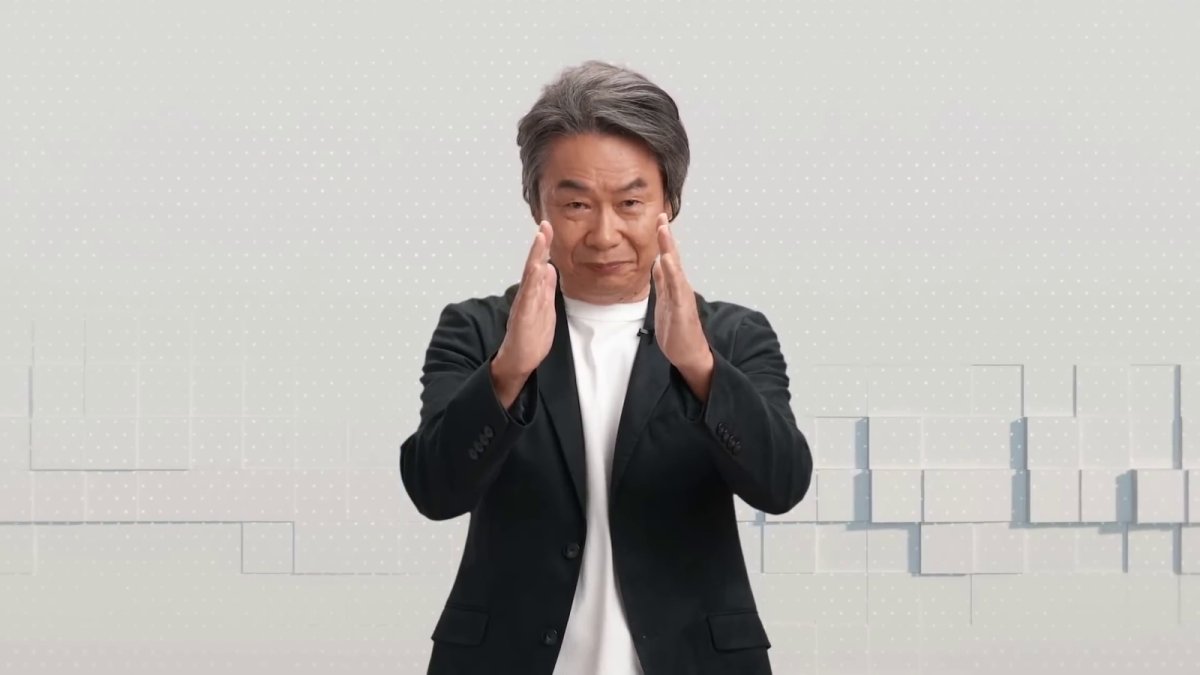
The Nintendo Direct tone quickly settled on a sort of minimalist, buttoned-up quirkiness, with suited executives making mannered gestures in front of plain white backgrounds, often speaking Japanese with an overdubbed translation. This strange, sober presentation oddly worked to emphasize Nintendo's playful spirit. Rivals copied the format, but nobody else got the joke, and they stood their talking heads in front of glossy digital backdrops or in snazzy recording studios.
 Image: Nintendo via YouTube
At E3 2013, barely a year and a half after the first Direct, Nintendo dropped its traditional in-person press conference in favor of a globally broadcast Direct. (You can find it, along with many other historic Directs, in Nintendo's own surprisingly comprehensive archive.) With typical understatement, so bland it verged on a surreal joke, Iwata introduced the E3 Direct from a vast, completely empty conference room straight out of Backrooms. Glamour and stagecraft were intentionally stripped away.
If there was a moment E3 died, this might be it. Nintendo had been quick to realize streaming was much cheaper and more effective than a fancy stage show, and it cut out the middle-man. It wasn't long before rivals started to follow suit. Journalists initially resented being sidestepped, but soon found they could still get plenty of traffic from covering Directs anyway. Fans felt personally included. Everybody was happy.
Although it would be years before Nintendo completely abandoned the E3 show floor, the seal had been broken. Other platform-holders and publishers realized they could cultivate their own audiences and suit their own timing with online showcases. E3's days were effectively numbered. Now, years after the pandemic compounded industry apathy to kill it off completely, we have a sort of vestigial digital after-image of E3, loosely clustered around Geoff Keighley's Summer Game Fest. Nintendo itself often chooses to sit the week out and drop its own Direct later in the summer.
The Direct format works, but it works too well. There's no reason for Nintendo or any of the other publishers, collectives, and media businesses staging these showcases to vary the format or to introduce scarcity into the equation. They all feel underwhelming, because they're all the same, and because there's always another one around the corner to save the next big reveal for. Nobody goes all-out anymore. I can't say I mind all that much. But it would make all our lives more interesting if somebody tried something different — just like Iwata did in 2011.
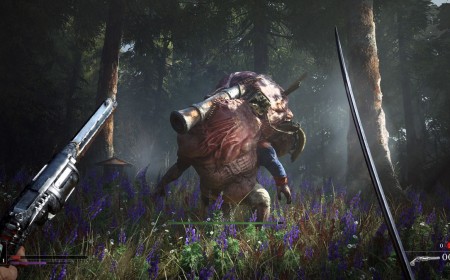
eShop game of the week: Mina the Hollower
 Image: Yacht Club Games
A retro masterpiece from Shovel Knight studio Yacht Club Games, Mina the Hollower blends classic handheld Zelda games like Link's Awakening with Soulslikes and a raft of other influences to create a magical engine of challenge, discovery, and endless secrets.
Nintendo Classics game of the week: Donkey Kong '94
No, I didn't type the number wrong: I know Donkey Kong 64 just hit the Nintendo Classics collection. It's fine, but you should play the 1994 Game Boy Donkey Kong instead. It's a masterful puzzle platformer that birthed the Mario vs. Donkey Kong series but is superior to any of them — a brilliant, endlessly surprising game that evolves into a new shape every few levels.
Nintendo Music track of the week: "Koopa Beach (Super Mario Kart)" from Mario Kart World
This relaxed Brazilian jazz cover of the classic Soyo Oka chiptune is simplicity itself: two acoustic guitars and shuffling percussion. But it's so blissed out and soulful, bringing out the beautiful clarity of the melody, with an exquisite solo too. Just one example of the outstanding musicianship and production on the epic Mario Kart World soundtrack, now finally on Nintendo Music.
This week's most interesting releases
Tetris: The Grand Master 4 – Absolute Eye
- Out now (Japanese eShop only)
- Switch
- Latest of Arika's hardcore arcade Tetris variants
- June 8
- Switch 2
- Sustainable survival with airships among floating islands
- June 9
- Switch 2
- Switch between jet and mech forms in rebirth of classic Jaleco shmup
What's Your Reaction?
 Like
0
Like
0
 Dislike
0
Dislike
0
 Love
0
Love
0
 Funny
0
Funny
0
 Wow
0
Wow
0
 Sad
0
Sad
0
 Angry
0
Angry
0





Comments (0)