

HBO’s Watchmen is still the best version of Alan Moore's superhero story since the original

Published Jun 14, 2026, 11:30 AM EDT
You'll also learn a forgotten piece of American history along the way
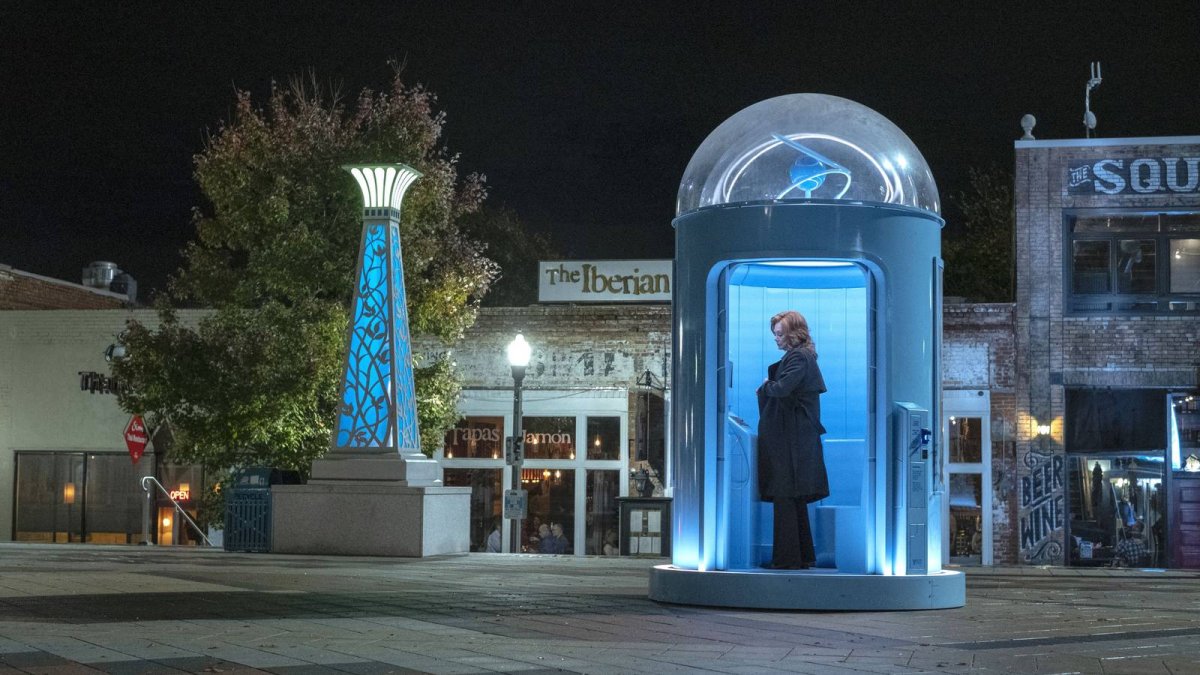
 Image: Mark Hill/HBO/Everett Collection
One of the most shocking openings to any HBO series feels like you’re stepping into a terrifying alternate universe. It’s 1921 in Tulsa, Oklahoma. A white mob that includes Ku Klux Klan members massacres hundreds of Black men, women, and children in the affluent neighborhood of Greenwood. Airplanes drop explosives from overhead. Bullets whiz through the air. Buildings get burned to the ground. The camera follows a young boy trying to escape the carnage with his parents. He’s ultimately smuggled out in a wagon, but his parents die.
When I first saw the opening to HBO’s Watchmen limited series, I assumed it was fiction.
Not because it seemed unrealistic given America's dark history, but because it felt even more plausible within the world of Watchmen. Alan Moore’s original graphic novel takes place in an alternate United States shaped by political extremism, state violence, masked vigilantes, and an ever-present sense that society is teetering on the brink of collapse. HBO’s sequel series inherits that same worldview. Faced with such a horrifying scene, my immediate assumption was that showrunner Damon Lindelof had invented another dark chapter in Watchmen’s twisted alt-history.
Then I looked it up. The Tulsa Race Massacre really happened. The attack destroyed what was known as "Black Wall Street," leveling a thriving Black community and leaving thousands homeless. Despite being one of the deadliest incidents of racial violence in American history, it went largely untaught in schools and absent from history books for generations. And in the world of Watchmen, the event shapes one of the world’s earliest costumed vigilantes. But beyond establishing a pivotal new character, that opening scene gives the rest of the series a kind of emotional gravity that’s hard to escape from.
The original Watchmen comic written by Alan Moore with art by Dave Gibbons is often remembered for the superheroes — Doctor Manhattan, Rorschach, The Comedian — but it was never really about superheroes. Instead, it's a story about power, politics, and violence, along with the narratives that those in power spin to justify all three. Moore used an alternate vision of America to examine very real fears about nuclear war and authoritarianism against the backdrop of the Cold War.
Series creator Damon Lindelof takes a similar approach with the television sequel. Set decades after the events of the comic, the series follows Angela Abar (Regina King), a Tulsa police detective who moonlights as the masked identity of Sister Night. When a violent white supremacist organization called the Seventh Kavalry begins terrorizing the city, Angela works to unravel a conspiracy that goes back generations — all the way back to the Tulsa Race Massacre.
Since this is Lindelof we’re dealing with (best-known as the co-creator of Lost), Watchmen becomes yet another mystery box show. Every episode introduces new questions while quietly providing answers to others. Familiar characters from the original comics appear in surprising ways. Entire episodes reframe events you've already seen, and there are plenty of delicious surprises along the way.
At only nine episodes, the series moves with remarkable confidence. There isn't an ounce of filler. Every reveal matters. Every character has a purpose. Every seemingly bizarre tangent eventually clicks into place. And yes, things get very weird. This is still Watchmen, after all.
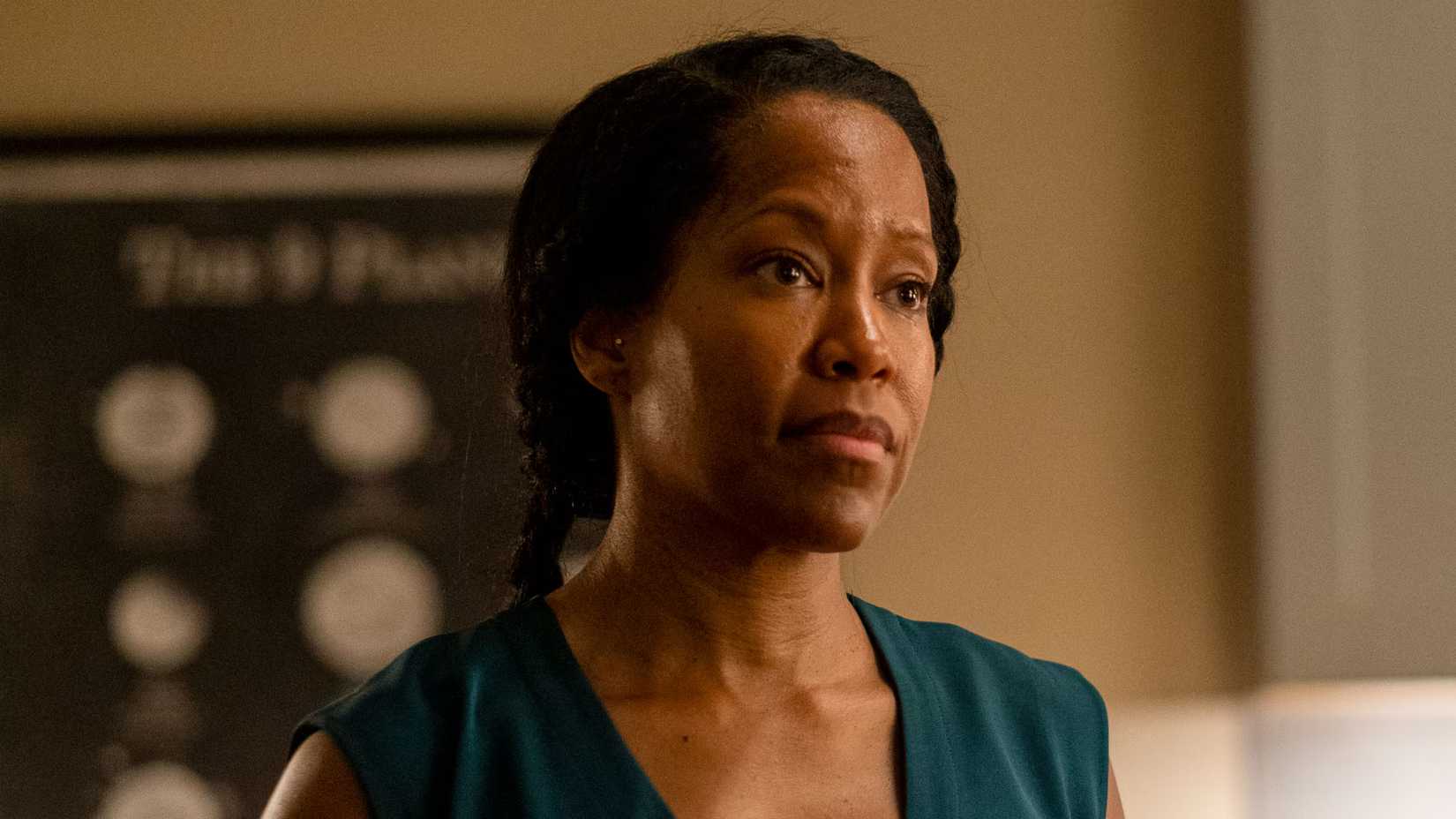 Regina King stars as Angela Abar in Watchmen.Image: HBO
Doctor Manhattan looms over the story even if nobody knows where he is these days. Squids continue falling from the sky. Secret organizations manipulate world events. Some of the show's biggest twists are so bold they sound ridiculous when described out of context, so I won’t even bother. It all works because the narrative core remains grounded in real people and real history.
That's ultimately what separates Watchmen from so many modern franchise revivals. It isn't interested in simply revisiting familiar characters or recreating iconic moments from the source material. In many ways, it feels like prestige television fan fiction created by someone who deeply understands why the original comic mattered in the first place. (Even if Moore refuses to endorse or even acknowledge the HBO show's existence.)
The returning characters are important, but they're not the point. The point is to explore how the consequences of the original story continue to echo decades later. Lindelof asks new questions without bothering to rehash old answers.
When the series premiered in 2019, a lot of viewers accused it of being "woke" because of its focus on race and white supremacy as major themes. To date, there’s a huge discrepancy in its Rotten Tomatoes scores: critics have it at 96% and viewers at 57%. Some audience reviews call it "anti-white propaganda” and the acronym “SJW” appears multiple times. Those criticisms always felt strange to me.
Watchmen has always been political. The original comic imagined an America transformed by Nixon's extended presidency and the existence of a godlike superhuman who helps the U.S. conquer Vietnam. The HBO series chooses to focus its lens on a different set of unresolved American problems that are even more relevant in the modern day.
Perhaps the smartest example involves Rorschach himself. Although he became the most popular character in the original comic, creator Alan Moore never intended him to be a hero. Rorschach is paranoid, uncompromising, misogynistic, and deeply reactionary. Moore once said he was disturbed by fans who viewed the character as an aspirational figure. Lindelof recognizes this disconnect and cleverly builds it into the show's mythology, imagining a future where white supremacists — the Seventh Kavalry — co-opt Rorschach's image and writings for their own cause. It's an uncomfortable idea, but one rooted in the character Moore actually wrote rather than the version some fans imagine.
 Image: HBO
To call HBO’s Watchmen series woke propaganda borders on the offensive, especially when American history books omitted the Tulsa Race Massacre for decades. Shining a light on that history is a brave thing to do. More importantly, Watchmen is just excellent television.
The limited-series format helps. You can comfortably finish all nine episodes in a weekend, and you don't even really need to know much about the original comics to enjoy it. Familiarity with some of the major characters and themes helps, but it’s not a prerequisite.
Years later, I still think about that opening sequence, especially because of what came afterward. Not even Lindelof knew about the Tulsa Race Massacre until he read about it in a 2014 article published in The Atlantic. He used it as the backbone for the show’s narrative, and it’s a big part of what makes it such a remarkable sequel. Lindelof wields one of the most imaginative fictional universes ever created not to help us escape reality, but to confront it.
The fact that it's also one of the most genuinely bingeable shows HBO has ever produced is just a bonus — and it’s one that makes Watchmen worth spending an entire weekend with.
What's Your Reaction?
 Like
0
Like
0
 Dislike
0
Dislike
0
 Love
0
Love
0
 Funny
0
Funny
0
 Wow
0
Wow
0
 Sad
0
Sad
0
 Angry
0
Angry
0





Comments (0)