

Hulu’s 5-Part Dark Fantasy Series Is As Close To Perfect As Spinoffs Get

Published Jul 19, 2026, 5:30 PM EDT
Tom is a Senior Staff Writer at Screen Rant, with expertise covering everything from hilarious sitcoms to jaw-dropping sci-fi epics.
Initially he was an Updates writer, though before long he found his way to the TV and movies team. He now spends his days keeping Screen Rant readers informed about the TV shows of yesteryear, whether it's recommending hidden gems that may have been missed by genre fans or deep diving into ways your favorite shows have (or haven't) stood the test of time.
Tom is based in the UK and when he's not writing about TV shows, he's watching them. He's also an avid horror fiction writer, gamer, and has a Dungeons and Dragons habit that he tries (and fails) to keep in check.
TV show spin-offs are a cornerstone of the current entertainment landscape. From Game of Thrones to The Walking Dead to Bosch and The Boys, it feels like any successful modern television property is going to receive a spin-off sooner or later. Yes, small-screen spin-offs are nothing new, but it’s hard to deny just how much more prominent they are in the present day. What’s more, they’re not the guaranteed success many studios seem to presume.
While shows like Game of Thrones’ offshoot House of the Dragon and The Boys’ Gen V have been considered successes, almost every modern spin-off seems to come with at least a few complaints from fans of their original shows. Spin-offs are always a balancing act between honoring the old while introducing the new. It’s a difficult mix to get right, but one series from 1999 mastered the craft decades before the age of streaming.
When Angel was announced as a spin-off of Buffy the Vampire Slayer, anticipation was enormous. Rather than merely matching expectations, however, it exceeded them. Angel quickly established itself as more than an extension of its parent show, becoming one of the finest dark fantasy dramas of the 1990s and early 2000s (and, now, in the Hulu library). At a time when interconnected franchises are the norm, Angel remains the blueprint for building a spin-off that respects its origins without being dependent on them.
Angel Is The Perfect Dark Fantasy Spin-off Series

Few spin-off TV shows have managed to escape the shadow of their origins. Many feel like they're simply companion pieces to their parent shows. They’re enjoyable enough, but ultimately struggle to define themselves beyond being a spin-off of an already beloved series. Angel never fell into that trap. From its opening episodes, it established its own distinct atmosphere and emotional core, ensuring it stood alongside Buffy the Vampire Slayer instead of in its shadow.
The move from Sunnydale to LA immediately changed Angel’s identity, and not in a way that it simply became “Buffy but in Los Angeles". The tone was completely different from the very first episode, leaving behind the coming-of-age themes that defined Buffy the Vampire Slayer in favor of exploring a corruption-filled city forcing everyone within it to make impossible moral choices. Instead of monsters representing teenage anxieties, supernatural threats became reflections of the moral decay that comes with adulthood in a sprawling metropolis.
That thematic shift became the cornerstone of the spin-off and is why, decades later, Angel is remembered for its own strengths and not its ties to Buffy. While Buffy the Vampire Slayer brilliantly used vampires and demons as a narrative tool to explore surviving adolescence, Angel was focused on living with regret and accepting responsibility for past mistakes. Yes, the monsters-of-the-week and Big Bads were there, but they felt more like a backdrop for the weekly character study of Angel’s psyche than the central focus.
That independence separates Angel from many modern spin-offs. Series like Ballard, Gen V, and The Walking Dead: The Ones Who Live remain inseparable from their parent shows. Angel certainly benefited from being connected to Buffy the Vampire Slayer, but it never relied on that connection to justify its existence. If Angel had premiered as an entirely original dark fantasy drama in a world where Buffy never existed, it would still be just as beloved today. That is an incredibly rare achievement, and one that very few TV spin-offs manage.
Leaving Buffy Behind Is The Secret To Angel’s Success

A regular criticism of modern spin-off TV shows is that they feel afraid to fully step out of the shadows of the series they came from. Angel, on the other hand, took almost the opposite approach. Although it aired alongside Buffy the Vampire Slayer, both series largely told independent stories with separate seasonal arcs. Viewers could enjoy Angel with little, if any, knowledge of Buffy.
That philosophy extended from the premise itself. Angel moved to LA after it became clear his relationship with Buffy was always doomed. He was literally trying to get away from her, and Angel worked this not only into the narrative, but the core of its identity as a spin-off. It was never trying to be the new Buffy the Vampire Slayer: it actively tried to prove the opposite.
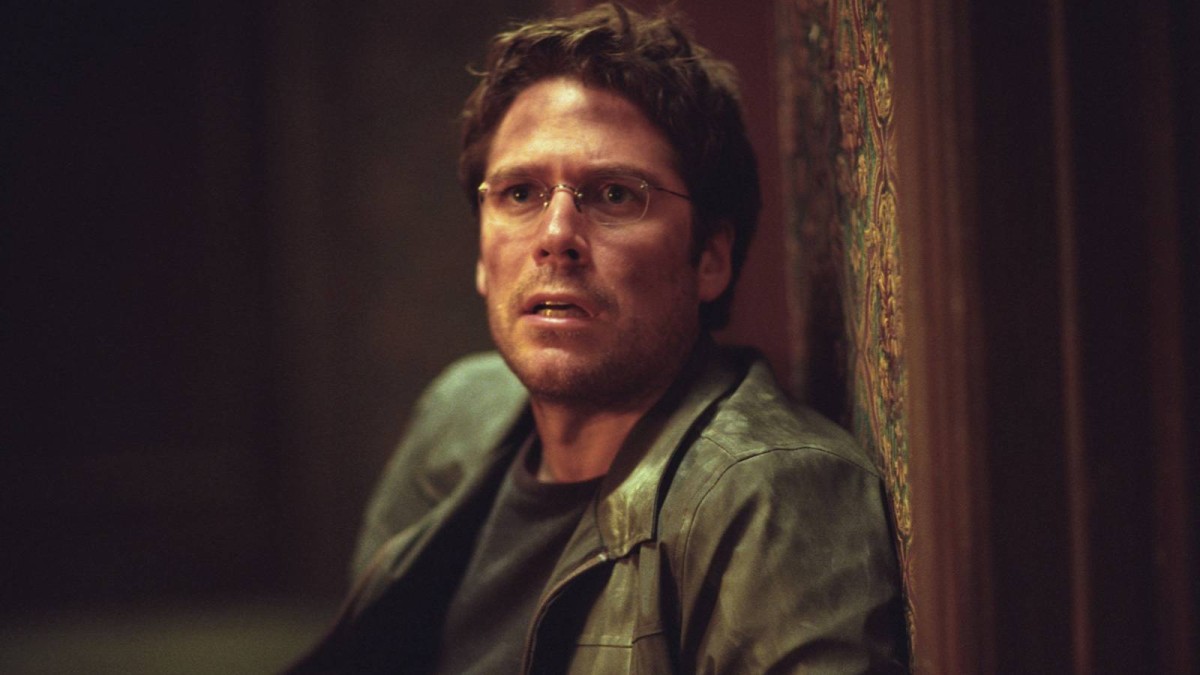
This approach wasn’t compromised even as characters from Buffy the Vampire Slayer crossed over into Angel. Cordelia (Charisma Carpenter), for example, evolved from a shallow, image-conscious high school student in Buffy into a compassionate and selfless champion. Then there was Wesley (Alexis Denisof), who was retooled from an awkward source of comic relief to a hardened strategist willing to make impossible decisions for the greater good.
That deliberate focus on the growth of legacy characters like Cordy, Wes, and even Angel himself remains the clearest example of how the spin-off deliberately distinguished itself from Buffy the Vampire Slayer. It embraced much darker storytelling and a cynical moral ambiguity, and the growth of former Buffy characters during Angel’s run captures why it worked so well. More than 25 years later, that commitment to standing on its own remains exactly why Angel is still one of TV's greatest spin-offs, and why modern franchise builders should still be studying it today.

Release Date 1999 - 2004
Network The WB
Showrunner David Greenwalt
Writers jeffrey bell, Mere Smith, Elizabeth Craft, Sarah Fain, Shawn Ryan, Drew Goddard, Howard Gordon, Jeannine Renshaw, Jim Kouf, Douglas Petrie, Tracey Stern, David H. Goodman, Brent Fletcher, Gary Campbell, Jane Espenson, Marti Noxon
What's Your Reaction?
 Like
0
Like
0
 Dislike
0
Dislike
0
 Love
0
Love
0
 Funny
0
Funny
0
 Wow
0
Wow
0
 Sad
0
Sad
0
 Angry
0
Angry
0






Comments (0)