

I heard iFi's new portable DAC and its bespoke I/V, added K2HD tech and bigger touchscreen display make it a clear step up on the original Gryphon
 (Image credit: Future)
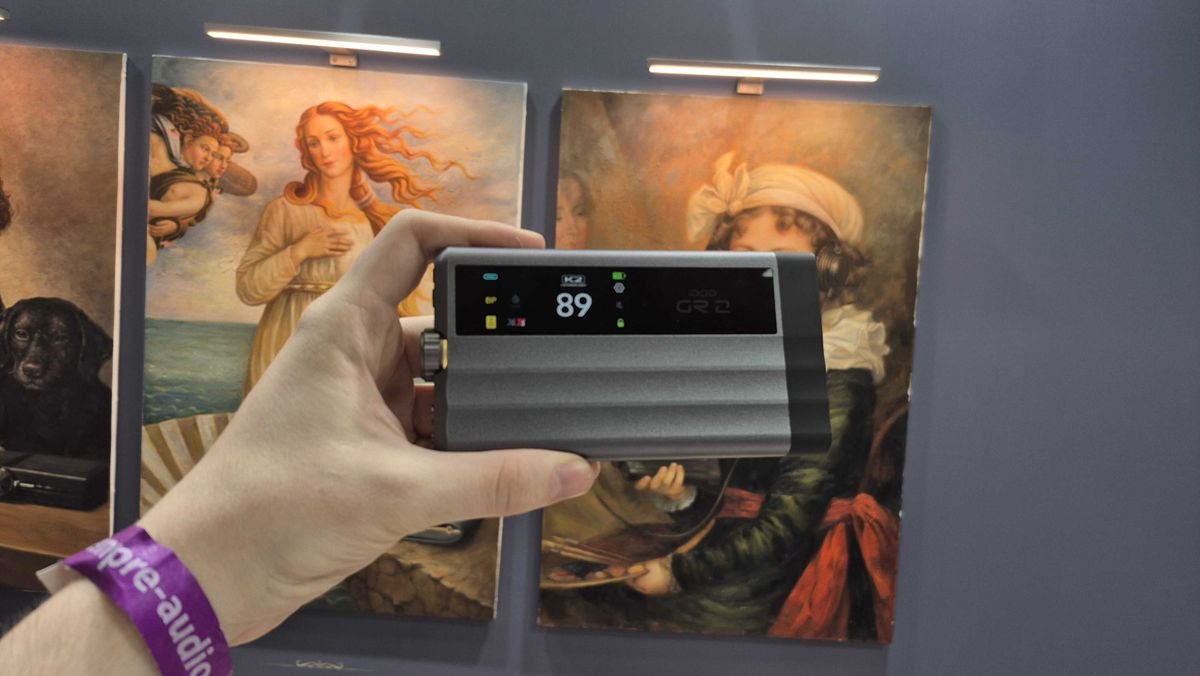
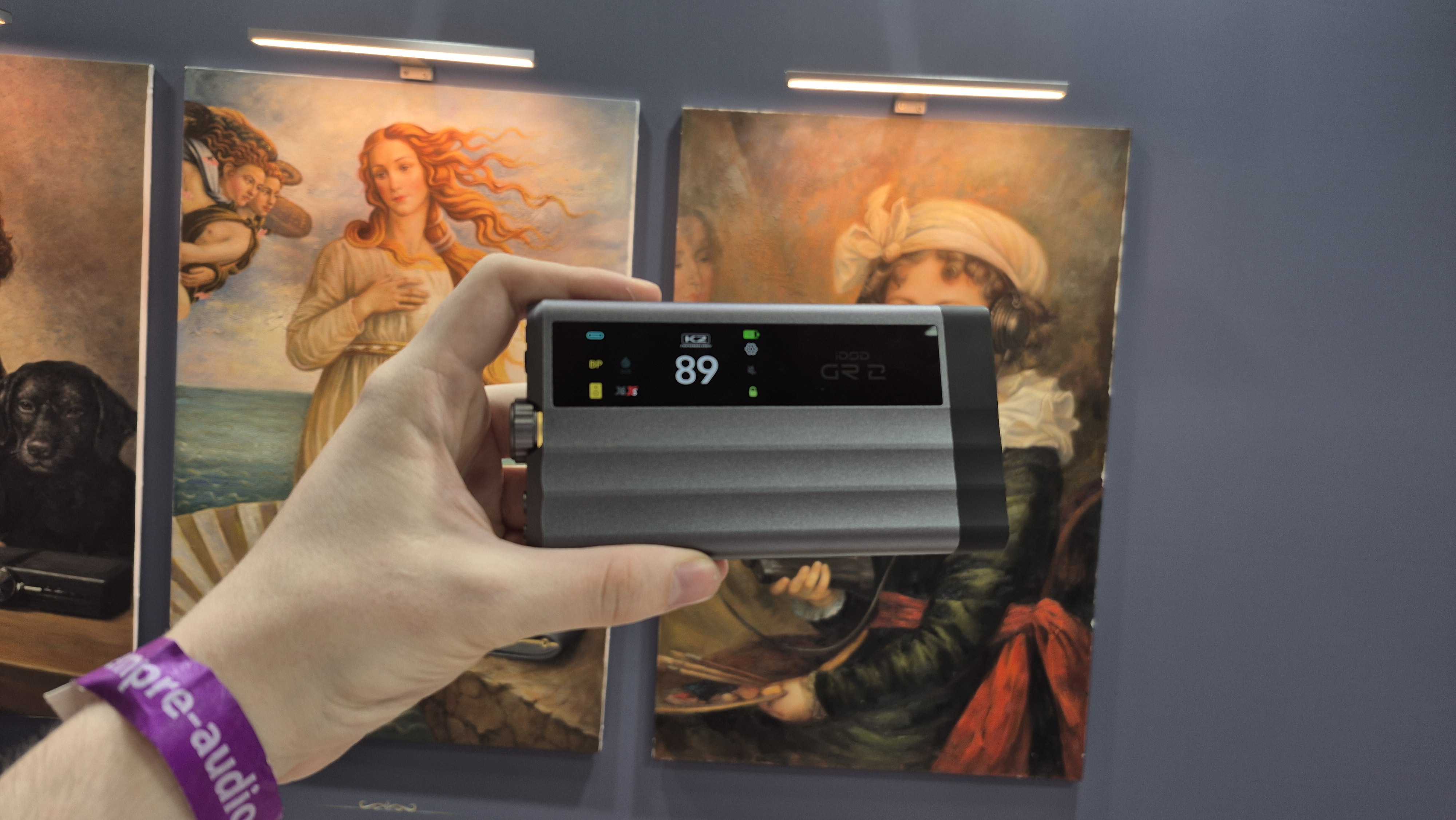
At this year’s High End Vienna show, iFi unveiled its latest and greatest portable DAC, the iFi iDSD GR 2 — and I was there to see the big reveal.
This portable and decidedly hip flask-shaped DAC / amp is endeavouring to build on the extremely strong foundations laid by its predecessor, the iFi xDSD Gryphon, which we rated five stars under intense review. This model delivers even more amplification power, and aims for even more detailed audio alongside a more intuitive interface — pretty promising stuff right?
Not only did I see the product at its unveiling event, but I’ve also tried it out for myself. I got to listen to a few tracks with the GR 2, play around with its new interface and also hear from the iFi team about some all-new features. It’s safe to say we’re feeling pretty positive about the GR 2 so far, having given it one of our Best In Show awards at High End Vienna, so here’s everything you need to know about iFi’s latest creation.
iFi crams in even more tech
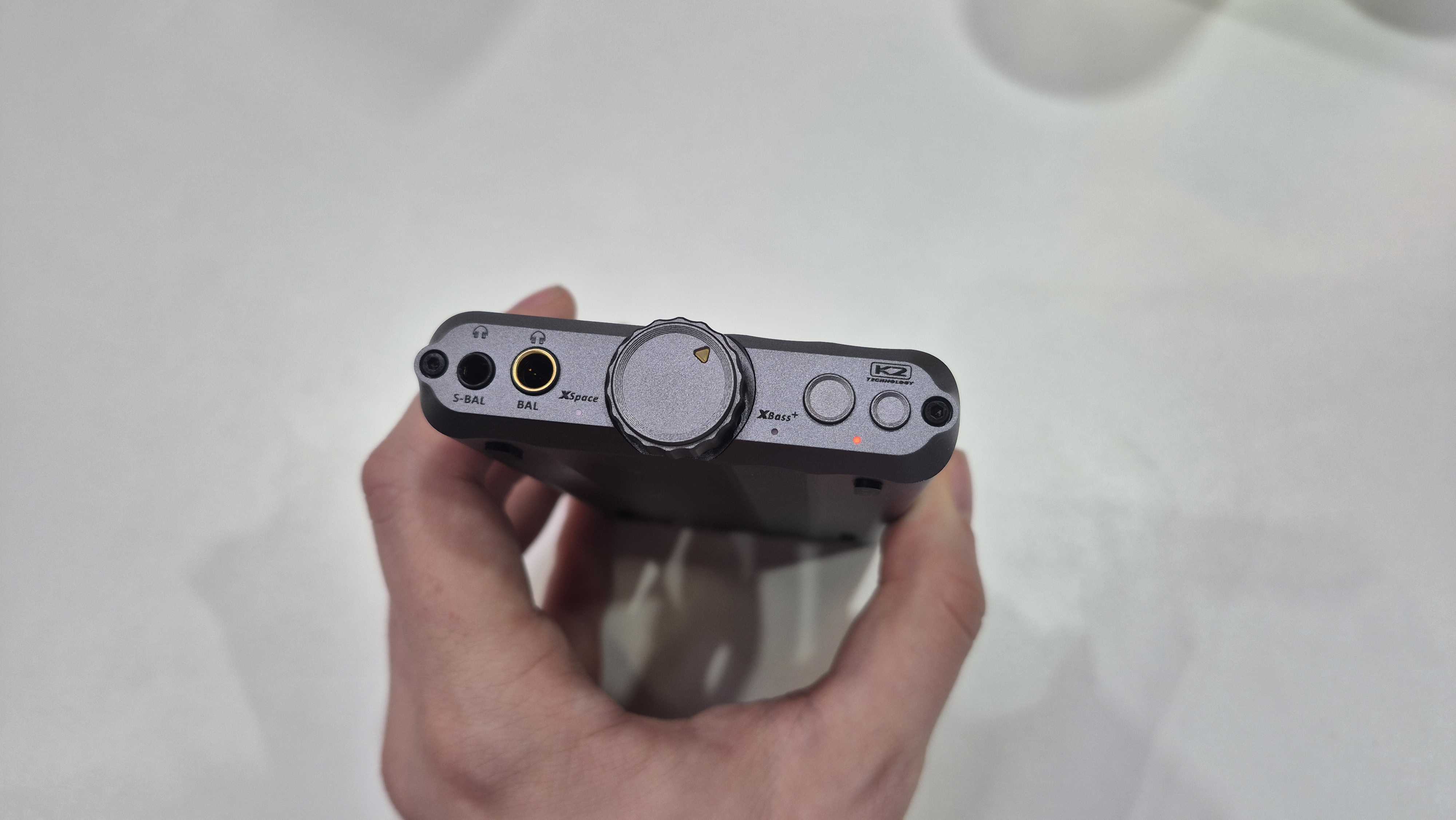
Although the GR 2 may look similar to its predecessor on the outside, it has plenty of big improvements on the inside — so to begin with, let’s run through some of the main ones.
iFi told me that this model delivers around 50% more output power than its predecessor (up to 1,513mW RMS), but at the same time, supplies greater dynamic range and less distortion. This is largely enabled by the DAC’s new current-output Burr Brown PCM1795 chipset, which can also serve up “true” 32-bit resolution audio.
iFi was also keen to highlight how this new chipset retains the “warm, analog house sound” it is known for. The team were also keen to impress on us that because the GR 2 is a current-output DAC, (its circuitry outputs an electrical current proportional to the digital input value, rather than a voltage) the company had “freedom to engineer a bespoke analog output stage.”
One major difference is that the GR 2 features a color OLED touchscreen, adding a new level of intuitiveness that we felt was missing from the original Gryphon (which had a functional but un-colorful black and white display). This OLED screen enables you to swiftly cycle between core settings and different connectivity methods, making the user experience incredibly slick.
Sign up for breaking news, reviews, opinion, top tech deals, and more.
But despite adding this touchscreen, battery life has been significantly boosted. Nath Chinn, Product Marketing & Technical Enablement Consultant at iFi, told me that the new model has a capacity of 4,900mAh, which is about a third more than the original Gryphon.
Perhaps the best feature that’s been added to the GR 2 from an iFi fan's perspective is K2HD tech (also found in the much pricier and really quite huge iDSD Phantom desktop DAC) which Chinn emphasised is still exclusively licensed by JVC Kenwood to iFi products. K2HD is intended to restore harmonic detail, and bring a track closer to its intended sound. Chinn revealed a bit about the licensing process to me, stating that “we had to basically spend 18 months doing a dance, sending them [JVC] products, and then evaluating them in their master recording studios with engineers to see whether we’re worthy enough. It’s a labor of love, but we’re honored to have that privilege”.
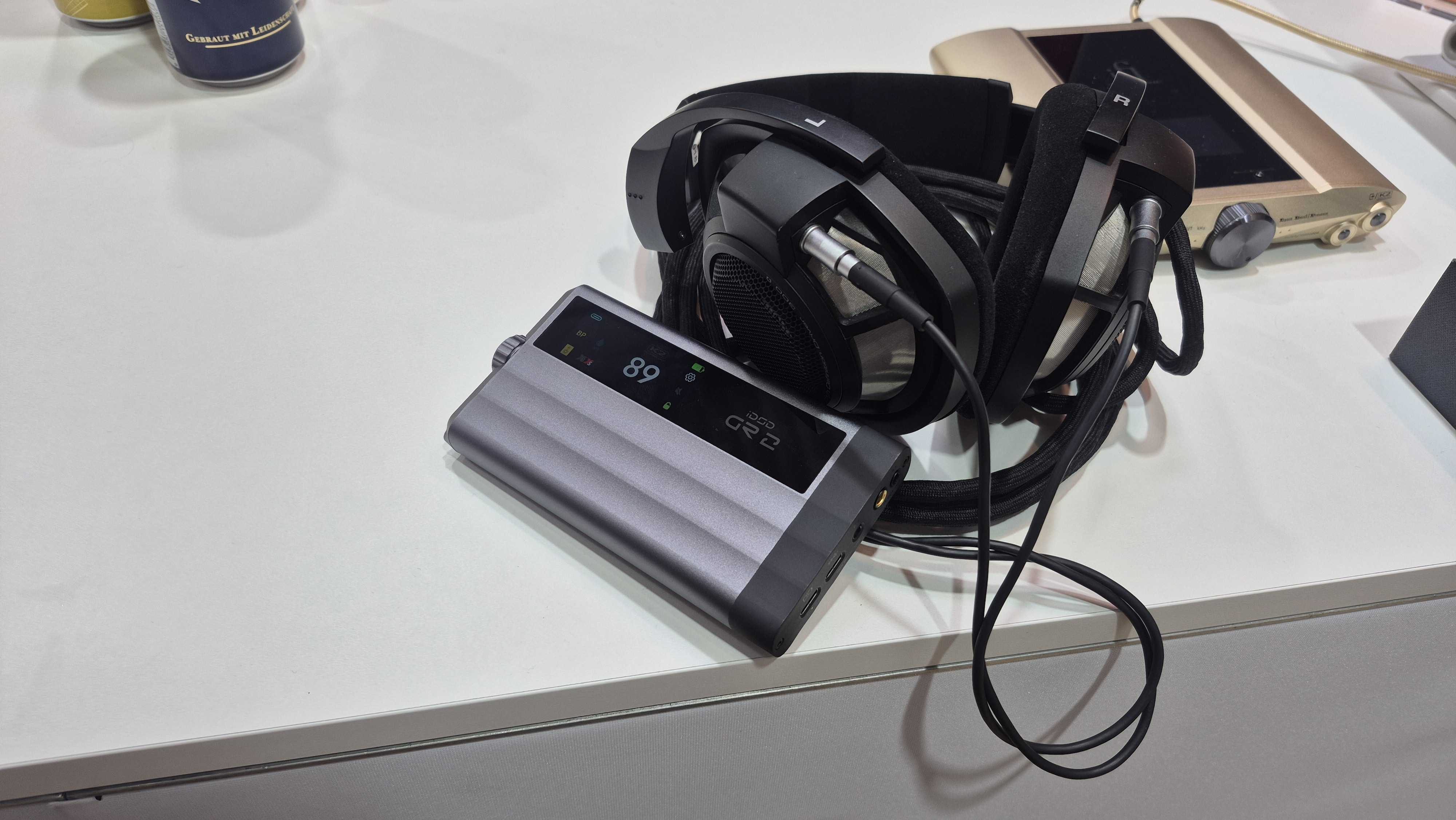
Chinn described the GR 2 as a “Swiss army knife” and the inclusion of K2HD only boosts the product's versatility. Speaking of which, there are a number of connectivity methods on board to suit just about any situation. There’s Bluetooth 5.4, with aptX codecs including Lossless and Adaptive as well as Sony’s LDAC. But there’s also a 4.4mm and 3.5mm input and output, a USB-C port, and more.
But just how good is the GR 2 in use? Well, I headed on over to iFi’s demo space, which was equipped with the new DAC/amp, a music streamer, and a pair of the Sennheiser HD 820. I tuned into Grace by Jeff Buckley in 24-bit/192kHz, and it sounded spectacular. This combination served up a phenomenally balanced presentation, with intricately textured vocals and expertly separated instruments.
I also found the GR 2 incredibly easy to use. It was so simple to activate settings like K2HD, cycle between USB-C and Bluetooth connectivity modes, and make any subtle adjustments I needed. This combination of high-end specs and seamless usability really does make it feel like an excellent mobile/desktop solution for hi-res audio fans.
All of this is even more impressive when you consider that the GR 2 has a lower launch price than its predecessor. It comes in at $529 / £529 / AU$849, which is by no means cheap, but pretty competitive given the device's specifications. Is it worth the cost? You’ll have to wait for our full review to find out…

Follow TechRadar on Google News and add us as a preferred source to get our expert news, reviews, and opinion in your feeds.

Harry is a Senior Reviews Writer for TechRadar. He reviews everything from party speakers to wall chargers and has a particular interest in the worlds of audio and gaming. Harry has a background in business tech journalism, particularly around the telecoms industry.
What's Your Reaction?
 Like
0
Like
0
 Dislike
0
Dislike
0
 Love
0
Love
0
 Funny
0
Funny
0
 Wow
0
Wow
0
 Sad
0
Sad
0
 Angry
0
Angry
0







Comments (0)