

Lawmakers want US government to ban memory chips from China, even in allied supply chains — citing 'unacceptable risk' to national, economic, and supply chain security
 (Image credit: Getty / Bloomberg)
As Apple and other American companies seek to use memory chips from China-based CXMT and YMTC amid massive supply constraints, U.S. lawmakers want to ban exports of Chinese memory chips to the U.S., citing concerns of weakening domestic and allied suppliers and indirectly supporting the development of 3D NAND and DRAM by Chinese companies, reports the Financial Times.
Go deeper with TH Premium: Memory
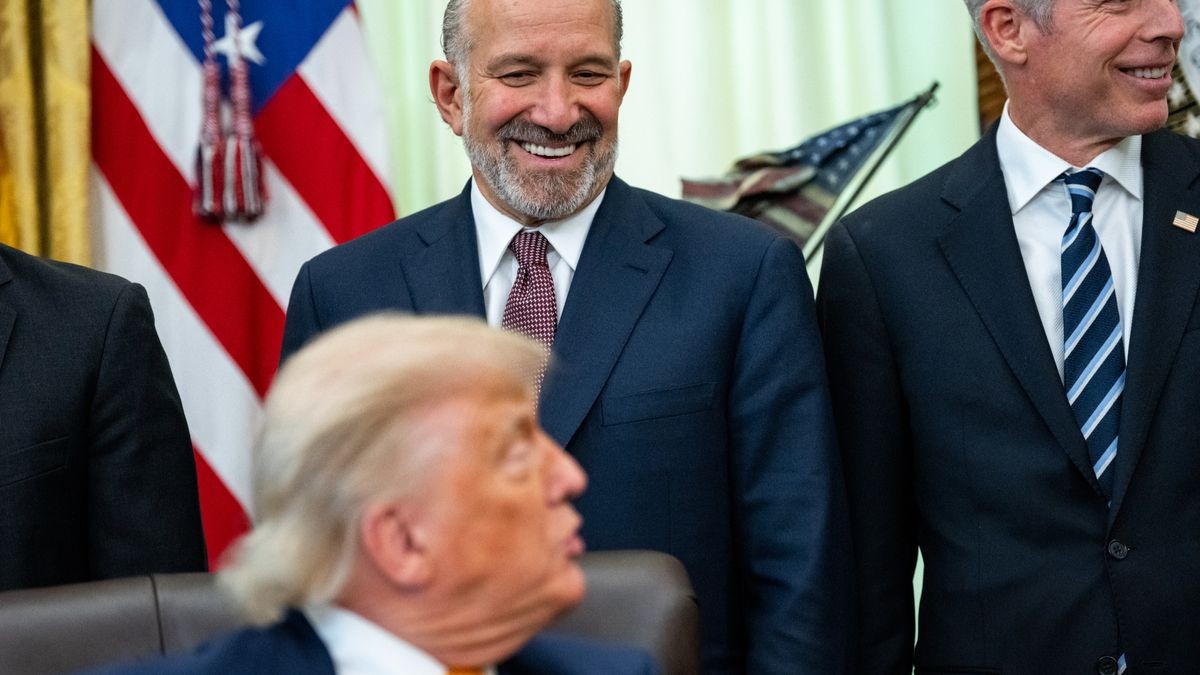
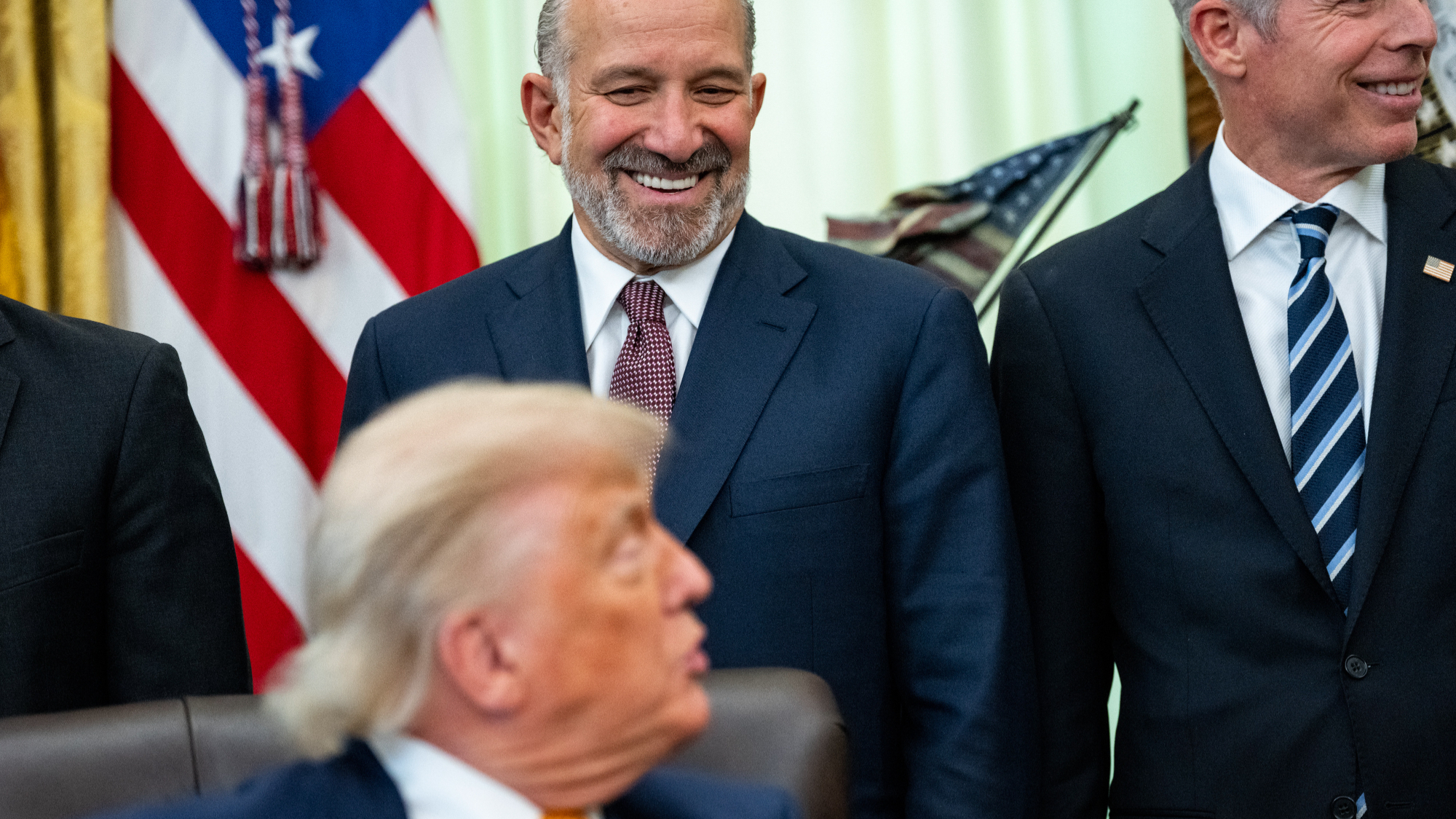
John Moolenaar, Republican chair of the U.S. House China Committee, and Democratic Congressman George Whitesides asked Commerce Secretary Howard Lutnick to prevent U.S. companies from purchasing semiconductors from businesses included either on the Pentagon's Chinese Military Companies blacklist or the Commerce Department's Entity List. They also called on the administration to add CXMT to the Entity List and impose additional restrictions on YMTC.
"Dependence on Chinese memory manufacturers creates an unacceptable risk for U.S. national security, economic security, and supply chain security," the letter by Moolenaar and Whitesides reads.
Apple has been seeking approval from the Trump administration to source memory from CXMT amid a severe global DRAM supply crisis caused by the rapid expansion of AI infrastructure. Corsair, Patriot Memory, and some other suppliers of branded memory modules and SSDs have been using DRAM from CXMT and 3D NAND from Yangtze Memory for some time now.
"We are alarmed that Apple and other U.S. tech companies seek to purchase memory from Chinese semiconductor manufacturers, including those with ties to the Chinese military," the U.S. lawmakers wrote.
DRAM maker CXMT is already on the Pentagon's Chinese Military Companies list, whereas 3D NAND producer YMTC is already in the DoC's Entity List. Their presence in the lists does not outright prevent American companies like Apple from buying their products, but at a significant political risk.
Technically, American companies could buy chips from CXMT and YMTC to use inside products bound for China or other countries and continue to use memory from traditional suppliers in products aimed at the U.S. market. To prevent this, Moolenaar and Whitesides also urge the American government to coordinate with Japan, South Korea, and the EU to prevent CXMT and YMTC from taking advantage of the current supply shortage to establish themselves in allied supply chains, which they believe could ultimately leave the West strategically dependent on Chinese memory.
Get Tom's Hardware's best news and in-depth reviews, straight to your inbox.
Moolenaar and Whitesides argue that purchases from Chinese memory manufacturers could indirectly support technologies applicable to China's military.
"Leading Chinese memory manufacturers are all closely intertwined with the Chinese military; thus, every memory purchase by a U.S. company will directly subsidize the People’s Liberation Army's development of this critical dual-use technology," the letter stresses.
The lawmakers argue that CXMT and YMTC could repeat China’s playbook in solar, steel, telecom, and EV markets: use state subsidies to undercut foreign rivals, weaken their investments, and ultimately exploit the resulting dependence for strategic leverage. That said, using Chinese memory now could permanently weaken Western production capacity and leave the West strategically dependent on China for a critical component of AI infrastructure, Moolenaar and Whitesides believe.

Follow Tom's Hardware on Google News, or add us as a preferred source, to get our latest news, analysis, & reviews in your feeds.
Anton Shilov is a contributing writer at Tom’s Hardware. Over the past couple of decades, he has covered everything from CPUs and GPUs to supercomputers and from modern process technologies and latest fab tools to high-tech industry trends.
What's Your Reaction?
 Like
0
Like
0
 Dislike
0
Dislike
0
 Love
0
Love
0
 Funny
0
Funny
0
 Wow
0
Wow
0
 Sad
0
Sad
0
 Angry
0
Angry
0







Comments (0)