Malaysia plans to introduce a new law requiring data center operators to disclose their AI accelerator imports and power consumption to prevent diversion of restricted hardware to countries like China and optimize the use of the country’s power infrastructure, reports Malay Mail. The authorities also plan to charge data center operators for unused electricity capacity they reserve. While the idea to use power consumption to detect potential GPU smuggling has merit, it also has flaws.
Malaysia's Minister of Investment, Trade and Industry Datuk Seri Johari Abdul Ghani acknowledged on Thursday that some companies had rented space in Malaysian data centers to import GPUs legally, which they then shipped abroad in smuggling operations. To prevent such practices, Malaysia's Digital Ministry is now reviewing existing legislation to determine whether local authorities can take action against entities that re-export processors subject to U.S. export bans. The minister stressed that Malaysia wants AI accelerators imported into the country to be used domestically.
The proposed legislation will require data center operators to disclose the number of GPUs they import, their power consumption (presumably nameplate power consumption), the physical locations of their facilities, and the identities of operators and hyperscale customers. The government intends to track data center operations throughout their lifetime rather than limit oversight to the project approval stage.
Meanwhile, data center operators will have to pay for all the electricity capacity they reserve, irrespective of their actual power consumption. For example, if a data center secures 100 MW of power capacity but only uses 50 MW, its operator will still have to pay for the remaining 50 MW. The measure is meant to discourage companies from reserving electricity capacity they may not need for another one to three years. As an added bonus, the measure will further discourage rerouting AI hardware to China while pretending it is used in Malaysia.
While data on power consumption could help Malaysian authorities spot suspicious discrepancies between AI GPU imports and actual data center operations, it is virtually impossible to accurately determine the number of AI accelerators deployed at a facility based on power consumption alone. For example, Nvidia's H100 and H200 SXM GPUs are rated at 700W, whereas its B200 SXM accelerators are rated at 1,000W, yet neither necessarily consumes its rated power under actual workloads.
Furthermore, without knowledge of server configurations, the power consumption of CPUs, memory, storage, and networking equipment, or the power usage effectiveness (PUE) of a particular facility, any estimates of the number of operational GPUs would be imprecise, to put it mildly. Also, there may be a considerable delay between GPU imports and their actual deployment. As a result, reliable verification would require physical inventory audits or other mechanisms to track individual processors.
Johari said that Malaysian authorities were prepared to cooperate with their U.S. counterparts and provide information about facilities that house particular GPUs upon request. However, the minister did not specify whether the new legislation would require data center operators to disclose GPU models and serial numbers, or whether authorities would conduct on-site inspections.
Get Tom's Hardware's best news and in-depth reviews, straight to your inbox.
Malaysia has emerged as a major destination for data center investments in Southeast Asia as cloud service providers and AI infrastructure companies expand their presence in the region. To date, Malaysian authorities have approved 117 data center projects, 55 of which are already operational, according to Johari. The proliferation of local AI data centers makes Malaysia a suitable venue for rerouting restricted hardware to countries like China, as it is easier to hide a needle in a pile of needles than in a haystack.
Anton Shilov is a contributing writer at Tom’s Hardware. Over the past couple of decades, he has covered everything from CPUs and GPUs to supercomputers and from modern process technologies and latest fab tools to high-tech industry trends.


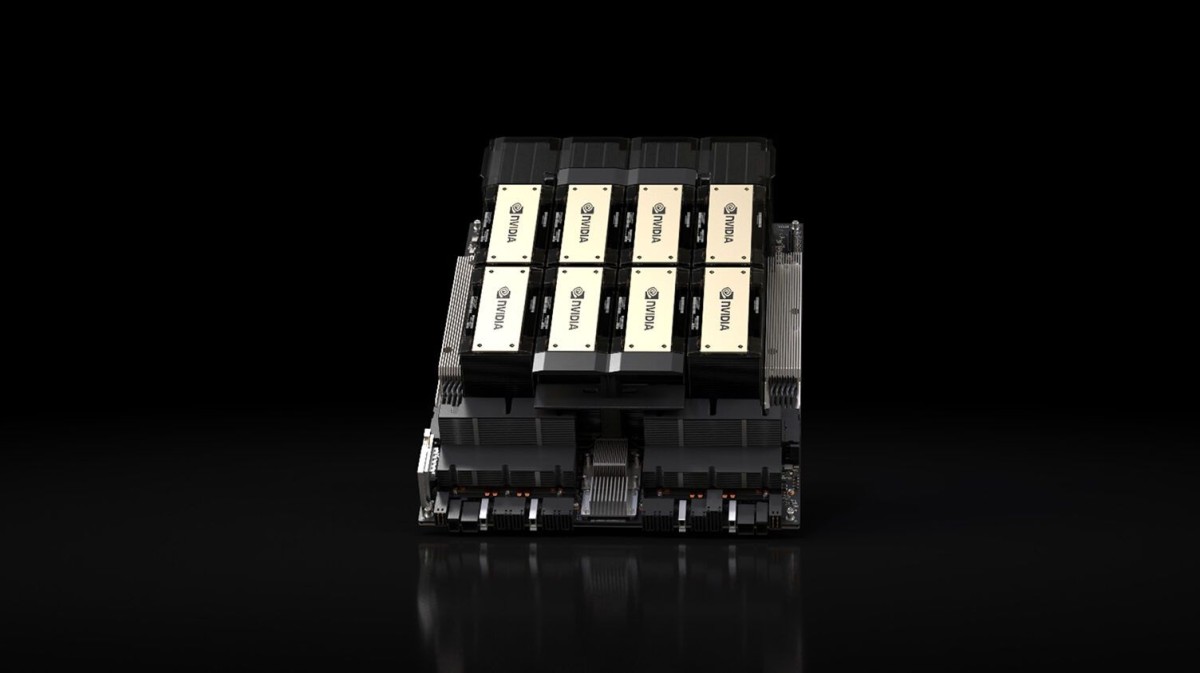
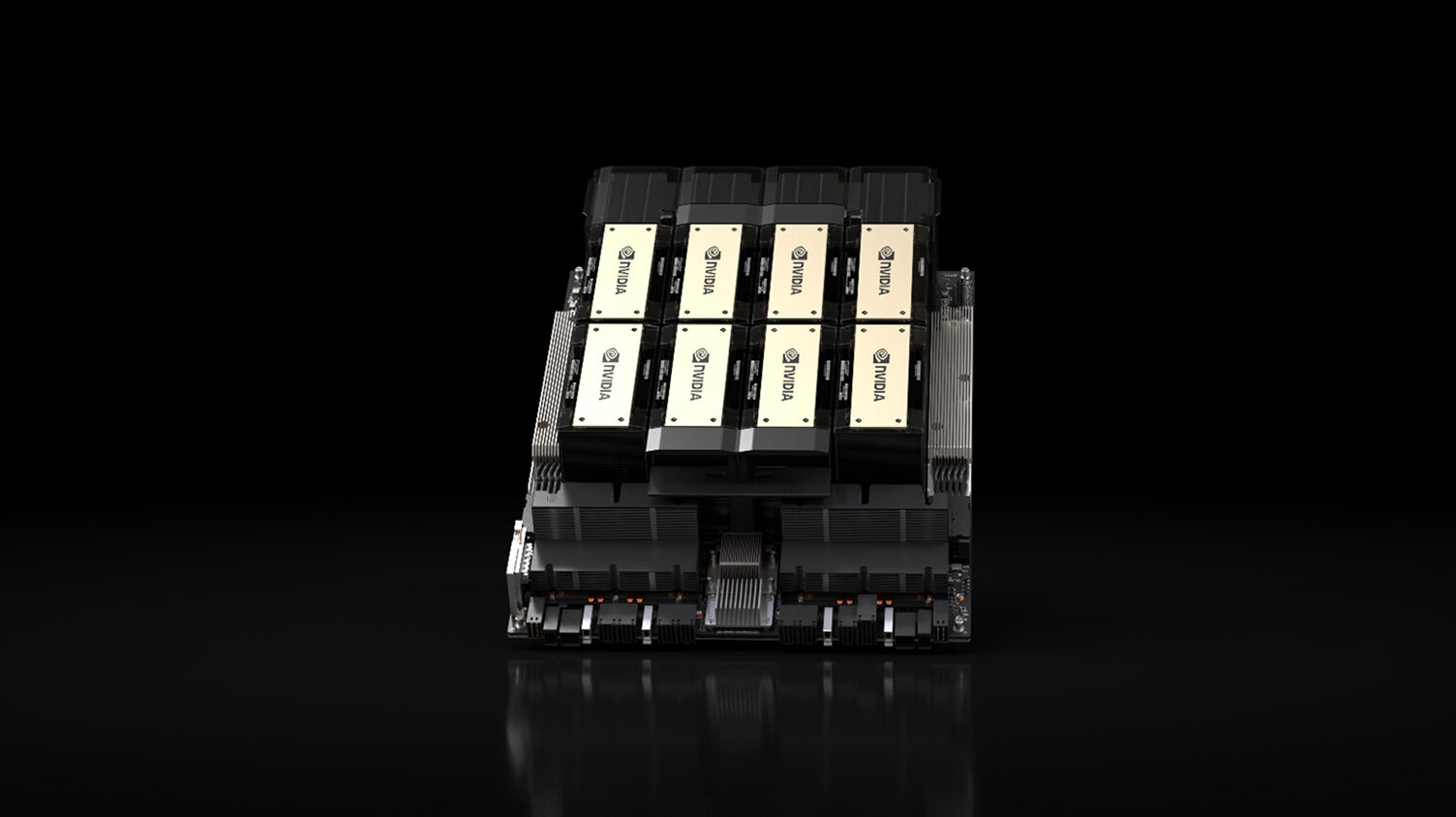 (Image credit: Nvidia)

 Like
0
 Dislike
0
 Love
0
 Funny
0
 Wow
0
 Sad
0
 Angry
0








Comments (0)