

Meta reconsiders 2030 net-zero goal amid record emissions from AI data centers
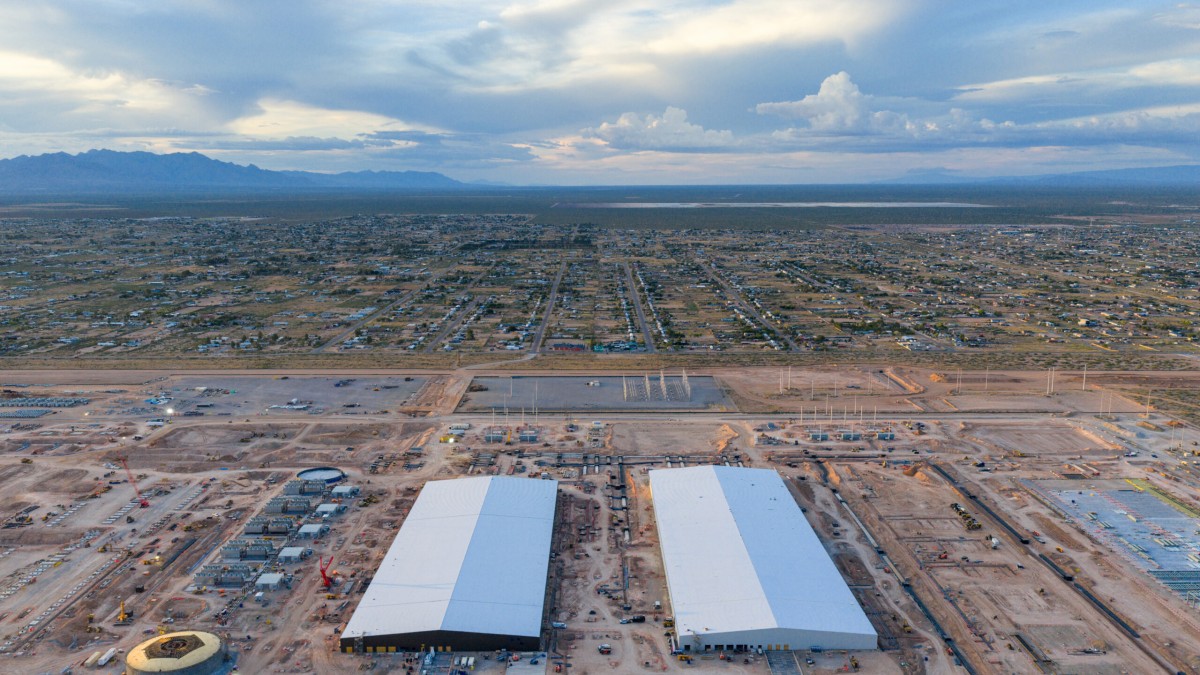
Meta’s executives are rethinking the company’s original goal of achieving net-zero emissions by 2030. That revelation in Meta’s latest sustainability report comes as the company reported a record percentage increase in greenhouse gas emissions that exceeds any other Big Tech competitor racing to build new AI data centers.
The company’s 2026 sustainability report claims that “our long-term ambitions haven’t changed, but our operating environment has,” according to an introduction from Rachel Peterson, vice president of data centers at Meta, and Blair Swedeen, global head of net zero and sustainability at Meta. In the November 19, 2026, report, they attributed the changing conditions and the need for a rethink to how “demand for AI infrastructure has grown faster than almost anyone projected.”
“We are re-evaluating our timelines, sequencing, and interim milestones—including the 2030 timeframe for our net zero emissions goal and our near-term intensity targets—so our approach reflects current operating realities while keeping progress transparent year over year,” Peterson and Swedeen wrote in the report.
Meta’s statement about re-evaluating its 2030 emissions goal is a significant public acknowledgment, given that Amazon, Google, and Microsoft have all stuck by their original sustainability goals so far.
But all the companies have acknowledged challenges in balancing their original sustainability goals against the breakneck buildout of hyperscale data centers. Despite efforts to invest in more renewable energy projects, Meta and its rivals are still often pushing forward on AI data centers that rely on burning natural gas to generate electricity.
Rising emissions
Meta’s report described the company’s total emissions as surging from 15.6 million metric tonnes of carbon dioxide equivalent in 2024 to more than 21.7 million metric tonnes in 2025.
That would make Meta’s annual carbon footprint roughly comparable to total emissions for the state of Idaho, while surpassing the total emissions of states such as Hawaii, Maine, South Dakota, and New Hampshire. The company attributed much of this emissions increase to “capital goods,” like as data center servers.
What's Your Reaction?
 Like
0
 Dislike
0
 Love
0
 Funny
0
 Wow
0
 Sad
0
 Angry
0











Comments (0)