

Microsoft Hyper-V/Windows Sandbox virtual machine software review
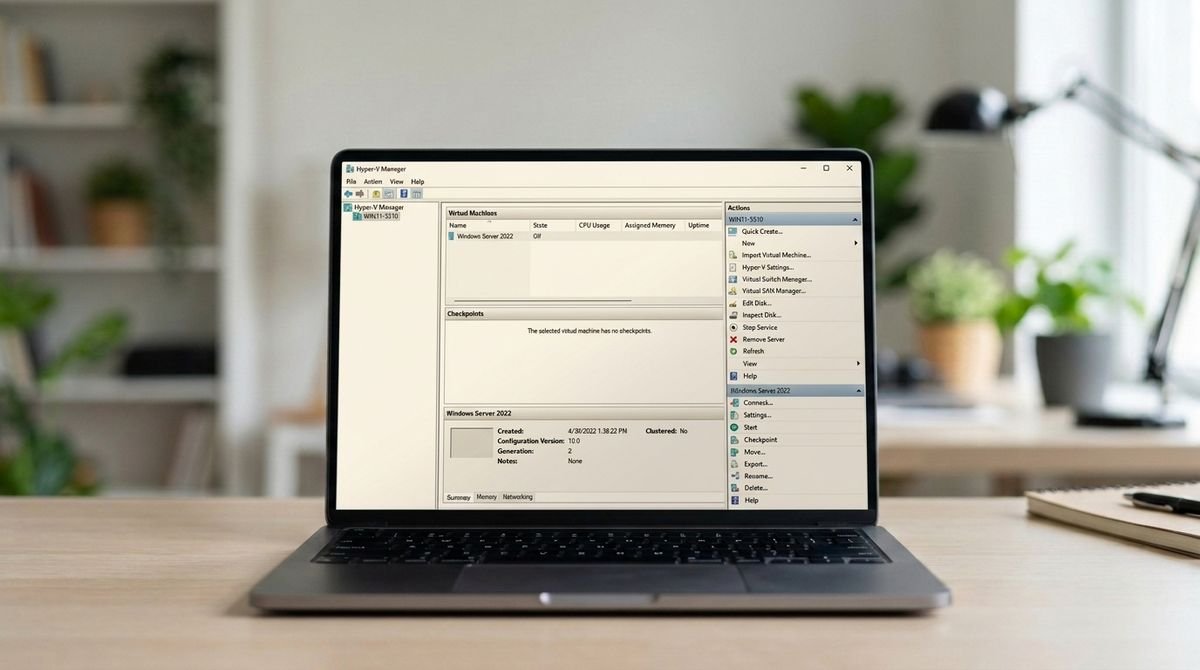
Hyper-V and Windows Sandbox combine full-scale virtualization with quick, disposable environments, offering strong performance and integration at the cost of usability and refinement.
Pros
- +
Strong and consistent performance
- +
Deep integration with the Windows ecosystem
- +
Wide range of advanced virtualization features
- +
Windows Sandbox offers fast, disposable testing
- +
Included with Windows Pro and Enterprise editions
Cons
- -
Interface feels dated and less intuitive
- -
Setup and networking can be complex
- -
Not available on Windows Home editions
- -
Windows Sandbox lacks persistence and flexibility
- -
Less polished than competing solutions
- -
USB device access is less straightforward than in some competing tools
Why you can trust TechRadar We spend hours testing every product or service we review, so you can be sure you're buying the best. Find out more about how we test.
Microsoft’s approach to virtualization combines two distinct tools under the same ecosystem. Hyper-V serves as the primary platform for running full virtual machines, while Windows Sandbox provides a lightweight, temporary environment for quick testing. Together, they are often considered among the best virtual machine software options, particularly for users who already rely on Windows as their primary platform.
Unlike standalone virtualization tools, Hyper-V is built directly into Windows, which shapes both its strengths and its limitations. It benefits from deep system integration and consistent performance, but it also follows a more technical, system-oriented design that can make it less approachable for new users. Sandbox, by contrast, focuses entirely on simplicity, offering a clean and disposable environment that launches quickly and resets after each session.
Microsoft Hyper-V / Sandbox: Plans and pricing
Hyper-V and Windows Sandbox are not sold as standalone products. Instead, they are included as optional features within Windows Pro, Enterprise, and Education editions.
Latest Videos From

For users already within the Microsoft ecosystem, this effectively makes them free to use. There are no separate licensing tiers or feature restrictions once the appropriate Windows edition is available. However, this also means that users on Windows Home do not have access to the full functionality without upgrading.
With competing tools such as VMware Workstation Pro now also available at no cost, Hyper-V’s value lies less in pricing and more in its native integration with Windows.
Support is handled through Microsoft’s broader support structure rather than a dedicated product channel. While documentation and community resources are extensive, direct support is typically tied to enterprise agreements rather than individual use.
Microsoft Hyper-V / Sandbox: Features
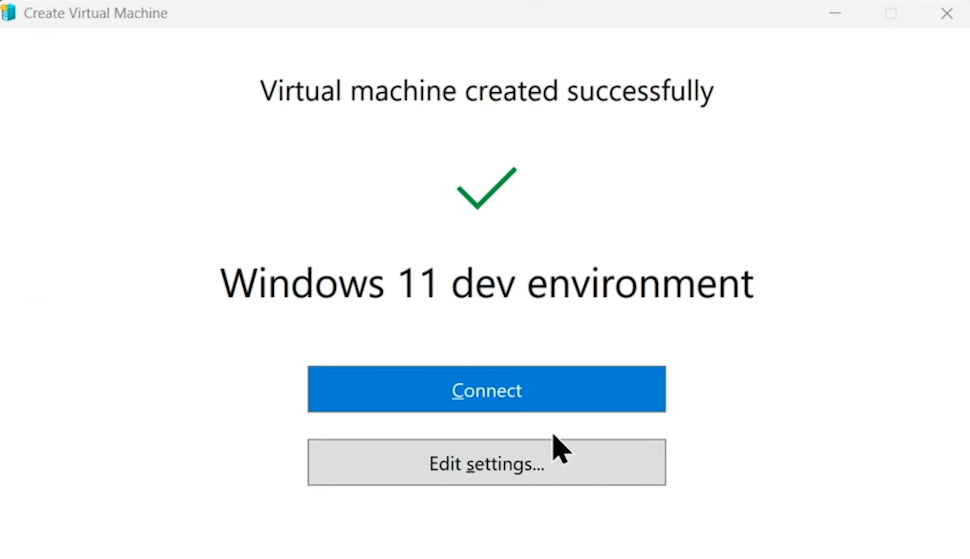
Hyper-V provides a comprehensive set of virtualization features suited for both development and enterprise scenarios. It supports a wide range of guest operating systems and allows detailed allocation of CPU, memory, and storage resources across multiple virtual machines.
Are you a pro? Subscribe to our newsletter
Sign up to the TechRadar Pro newsletter to get all the top news, opinion, features and guidance your business needs to succeed!
Core functionality includes checkpoints, virtual networking, and the ability to run multiple environments simultaneously. These features make it suitable for testing, development, and structured lab environments where repeatability and isolation are important.
The platform also benefits from its integration with the wider Windows ecosystem. Tools such as PowerShell and Windows Admin Center extend its capabilities, allowing more advanced configuration and automation for users who need greater control.
More recent developments have expanded its flexibility further, including GPU Partitioning (GPU-P), which allows virtual machines to share the host’s graphics resources more efficiently. While this is primarily aimed at professional workloads, it reflects a broader shift toward more demanding use cases.
Windows Sandbox takes a different approach. It provides a minimal, disposable environment that launches quickly and runs a clean instance of Windows. Any changes made within the Sandbox are discarded once it is closed, making it particularly useful for testing unknown applications or files without affecting the host system.
Microsoft Hyper-V / Sandbox: Interface and use
Hyper-V Manager presents a structured but dated interface, with a layout that prioritizes functionality over usability. Virtual machines are managed through a central console, with configuration options exposed through menus that reflect the platform’s administrative origins.
Creating a virtual machine involves a guided process, but it still requires familiarity with concepts such as virtual switches and resource allocation. Compared to more modern tools, the workflow can feel less intuitive, especially for first-time users.
Networking is one of the more demanding aspects. Basic connectivity is handled automatically through the Default Switch, while more advanced configurations still require manual setup and a clearer understanding of how virtual networking works.
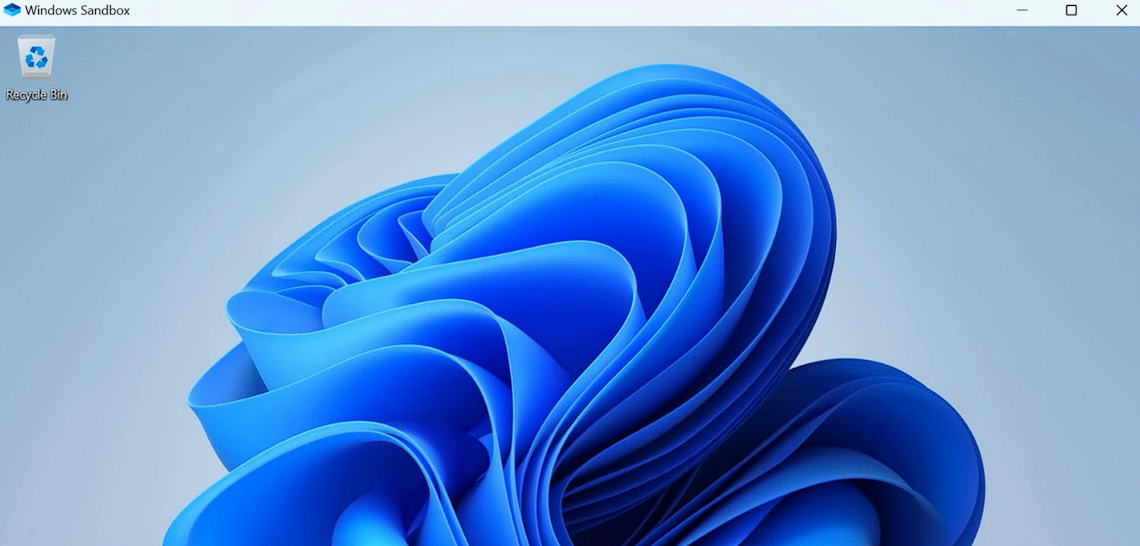
Windows Sandbox, on the other hand, is intentionally simple. It launches as a clean desktop environment within seconds and requires little to no configuration. Files can be tested quickly and safely, then discarded when the session ends.
This contrast defines the overall experience. Hyper-V focuses on control and flexibility, while Sandbox is built for speed and convenience.
Microsoft Hyper-V / Sandbox: Performance
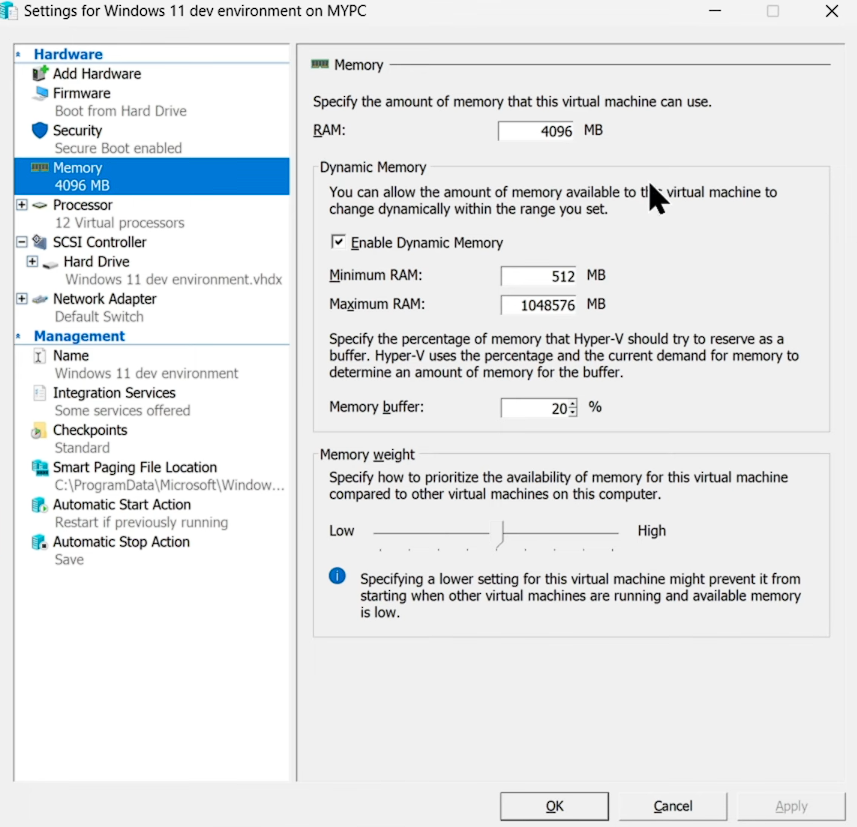
In use, Hyper-V delivers stable and efficient performance across a range of typical workloads. Virtual machines start quickly and remain responsive, particularly when running standard operating systems such as Windows or common Linux distributions. Everyday tasks such as software testing, browsing, and light development work run smoothly on adequately provisioned systems.
Because it is integrated into Windows, resource handling tends to be consistent. Multiple virtual machines can run in parallel without major instability, provided that system resources are properly allocated. Performance scaling is predictable, with slowdowns appearing gradually under load rather than as sudden drops.
This becomes more apparent in multi-VM scenarios. Running several environments at once remains manageable, making Hyper-V a practical choice for development workflows that rely on parallel systems. While it may not always feel as responsive as more polished alternatives in short bursts, it maintains stability over longer sessions.
Disk and memory behavior are generally reliable, although not optimized for peak speed. In I/O-intensive scenarios, such as working with large virtual disks, it can feel slightly heavier than some competing tools. However, it avoids the inconsistent performance fluctuations sometimes seen in lighter virtualization platforms.
Long-term stability is one of its stronger points. Virtual machines remain usable over extended sessions, and overall system behavior stays consistent. This makes Hyper-V well suited to users who rely on persistent environments rather than short, isolated tasks.
Windows Sandbox follows a different performance profile. It launches quickly and runs smoothly for short testing sessions, benefiting from its lightweight and disposable design. Because it relies on a shared system image, startup times are significantly shorter than those of a full virtual machine. However, it is not intended for sustained workloads or complex configurations.
On Windows 11, storing virtual disks on a Dev Drive (ReFS) can improve I/O performance in development-heavy workflows.
Microsoft Hyper-V / Sandbox: Support
Hyper-V benefits from extensive documentation and a large user base, particularly in enterprise environments. Guidance is widely available through official documentation, community forums, and third-party resources.
However, support is not structured as a standalone product offering. Direct assistance is typically tied to broader Microsoft support agreements, which may limit accessibility for individual users compared to commercial virtualization platforms with dedicated support channels.
Microsoft Hyper-V / Sandbox: The competition
Hyper-V operates in a competitive space that includes both free and commercial virtualization tools.
Oracle VM VirtualBox remains the most accessible free alternative, offering cross-platform support and a simpler setup process, though with less consistency in performance.
VMware Workstation Pro provides a more polished experience, with a clearer interface and smoother day-to-day usability. It is generally easier to manage, even if Hyper-V offers tighter integration within Windows.
On macOS, Parallels Desktop stands out for its seamless integration and ease of use, targeting a different audience but highlighting the importance of user experience in this category.
Hyper-V’s strength lies in its stability and tight Windows integration rather than its interface. It is best suited to users who prioritize control and long-term reliability within a Windows environment.
Microsoft Hyper-V / Sandbox: Final Verdict
Microsoft Hyper-V is a capable and deeply integrated virtualization platform that delivers consistent performance and a wide range of features, particularly for users already working within the Windows ecosystem. Its enterprise background is evident in both its capabilities and its interface, which prioritizes control over ease of use.
Windows Sandbox complements this approach by providing a fast, disposable environment for safely testing files and applications without long-term setup. It is one of the simplest ways to isolate potentially risky software, even if its functionality is intentionally limited.
Taken together, Hyper-V and Sandbox offer a practical and reliable solution. They excel in stability and integration, but fall short of the polish and accessibility found in more user-focused virtualization tools.

Contributing Writer - Software
Ritoban Mukherjee is a tech and innovations journalist from West Bengal, India. These days, most of his work revolves around B2B software, such as AI website builders, VoIP platforms, and CRMs, among other things. He has also been published on Tom's Guide, Creative Bloq, IT Pro, Gizmodo, Quartz, and Mental Floss.
You must confirm your public display name before commenting
Please logout and then login again, you will then be prompted to enter your display name.
What's Your Reaction?
 Like
0
Like
0
 Dislike
0
Dislike
0
 Love
0
Love
0
 Funny
0
Funny
0
 Wow
0
Wow
0
 Sad
0
Sad
0
 Angry
0
Angry
0







Comments (0)