

NASA puts astronauts’ lives in the hands of Tesla’s flaky Cybertruck
SCIENCE
Muskmobiles subject to 11 recalls get the launchpad rescue mission currently handled by vehicles that can survive land mine blasts
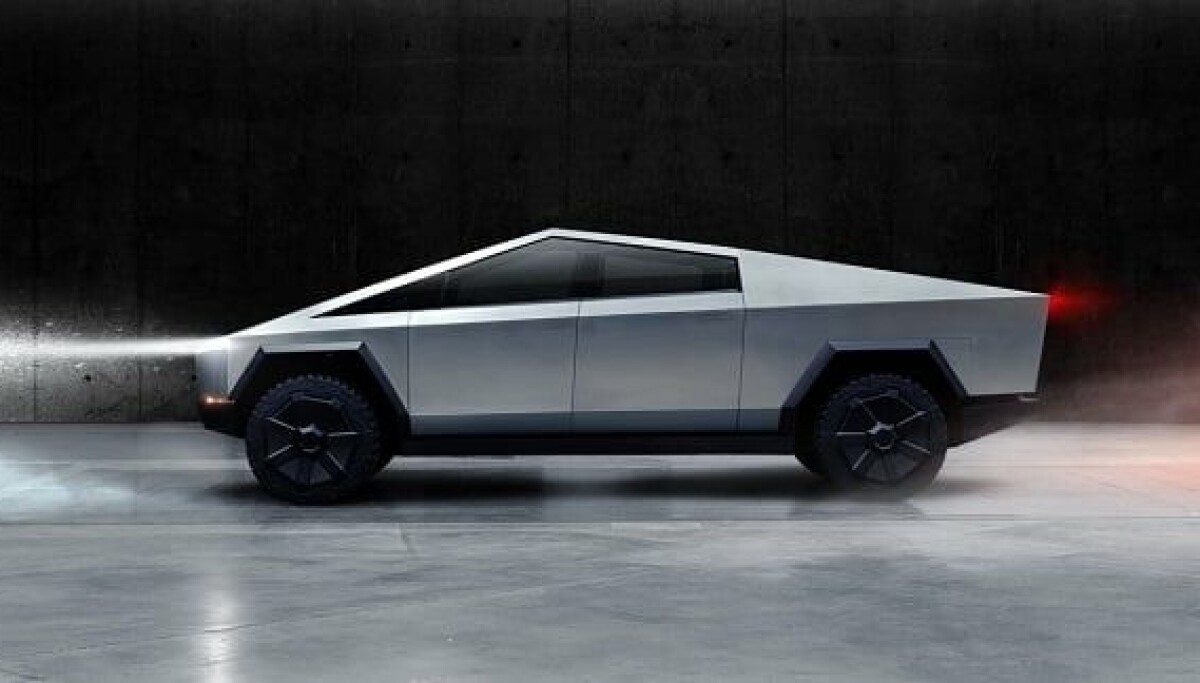
Tesla has recalled its Cybertruck 11 times to fix issues such as exterior trim panels falling off and an accelerator pedal that can become stuck, but NASA has nonetheless decided the rust-prone vehicle is up to the job of rescuing astronauts if trouble strikes on the launchpad of a forthcoming crewed mission.
Muskmobiles will get the job currently performed by the Mine Resistant Ambush Protected vehicle (MRAP), a heavily armored military personnel carrier that can survive small arms fire and even the effects of a mine explosion. Several companies make MRAPs, and the US military operates dozens of different models tailored to different missions.
NASA uses MRAPs as launchpad getaway cars in case mission controllers decide astronauts or other personnel involved in rocket launches must make a rapid exit. In 2015, the aerospace agency described the MRAPs it uses as possessing “armor is so thick that each door weighs 600 pounds” and said the vehicles have “the sound and feel of a bank vault” and can therefore “function as a bunker on its own, even if it stays put.”
News of the Cybertruck’s new role came during a Monday event at which NASA discussed SpaceX Crew-13, a mission it has scheduled to carry four astronauts to the International Space Station no earlier than 12 September 2026. The four will travel aboard a SpaceX Falcon 9, and as Elon Musk’s rocket company already uses Cybertrucks during its own launches, NASA has decided to adopt them for this launch.
During the event, media asked if SpaceX has modified the Cybertrucks. Joel Montalbano, deputy associate administrator at NASA’s Human Spaceflight Mission Directorate, said he was not aware of any modifications. Tesla says the Cybertruck is made of stainless steel and are therefore “tough on the outside to keep you safe on the inside.” The company also trumpets “Cabin windows and glass roof have shatter-resistant armor glass that can handle the impact of hail the size of a baseball (or an actual baseball).” When launching the Cybertruc, Elon Musk claimed the glass was impervious to heavy metal balls, but his demo of that strength went comically awry.
Montalbano said NASA is comfortable using Cybertrucks because they’re faster than MRAPs and easier to drive while wearing gloves. The exec added that the main reason for using the Muskmobiles is that it means NASA doesn’t have to arrange for an MRAP crew to attend launches, an effort he characterized as wasteful given that SpaceX has its own way of doing things involving Cybertrucks.
SpaceX Crew-13’s crew comprises NASA’s Jessica Watkins and Luke Delaney, plus the Canadian Space Agency’s Joshua Kutryk and Roscosmos cosmonaut Sergey Teteryatnikov. They’re all destined to join Expedition 75 on the ISS. Watkins will become the first person to twice reach the ISS in a SpaceX Dragon capsule.
NASA says the expedition will explore in-space manufacturing techniques, augmented reality and artificial intelligence methods for crew health checks, and bioprinting human tissue.
SpaceX has conducted 90 launches of its Falcon rockets in 2026 alone, and all made it off the launchpad – suggesting a high likelihood the Cybertruck’s suitability as a rescue vehicle won’t be tested by Crew-13. ®
What's Your Reaction?
 Like
0
Like
0
 Dislike
0
Dislike
0
 Love
0
Love
0
 Funny
0
Funny
0
 Wow
0
Wow
0
 Sad
0
Sad
0
 Angry
0
Angry
0






Comments (0)