

NASA’s Voyager 2 Space Probe Just Got New Software From Over 13 Billion Miles Away
Nearly 49 years after it launched into space aboard a Titan III rocket, NASA’s Voyager 2 space probe received yet another software update, this time reaching the speeding probe from nearly 13.3 billion miles (almost 21.4 billion kilometers) away.
NASA has beamed many software updates to Voyager 2 over the years, often to reduce or disable the use of one of its 10 onboard scientific instruments. Each time NASA turns off one of Voyager 2’s instruments, the space probe requires less power. The less power it uses, the longer it can continue to do something.
This latest update, nicknamed the “Big Bang,” simultaneously turned off some of Voyager 2’s powered devices while replacing them with lower-power alternatives, which saves power and ensures that the spacecraft stays warm enough in the frigidly cold vacuum of space to remain operational.
Voyager 1 and 2 alike are powered by radioisotope thermoelectric generators, which convert heat from decaying plutonium into electricity. This supply of plutonium is constantly depleting, and each probe loses about four watts of power each year. Understandably, after nearly half a century flying through space, Voyager 2’s power margins are “razor thin,” forcing the team to constantly figure out ways to conserve power and keep the mission going just a little bit longer.
Without Big Bang, NASA says it would have had to turn off another instrument entirely on Voyager 2.
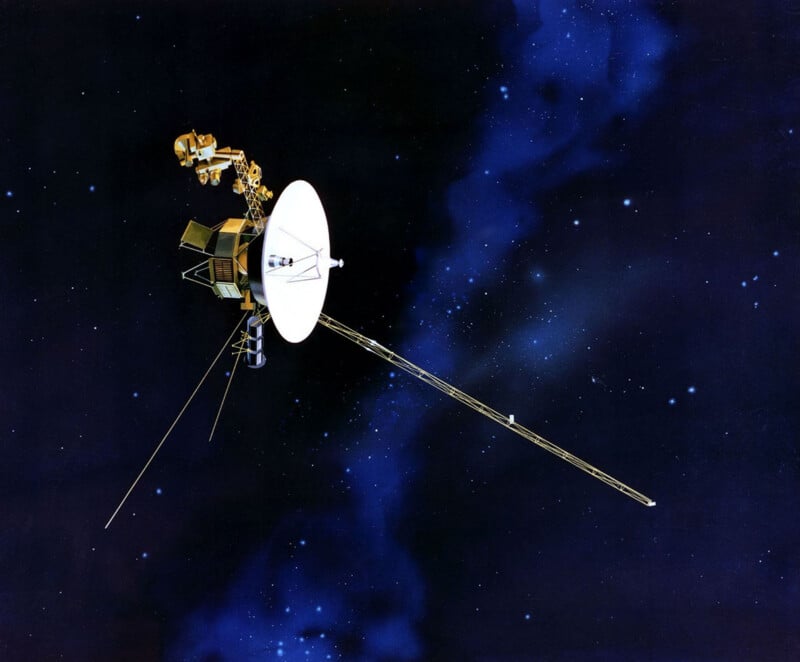 Artist’s illustration of the Voyager 2 spacecraft | Credit: NASA/JPL-Caltech
“The savings should provide power to keep its three [remaining] instruments operating for at least an extra year,” NASA says.
NASA plans to perform the same update on Voyager 1, which is farther away from Earth than Voyager 2 despite launching a few weeks later. Voyager 1’s trajectory gave it a bigger boost from the gravitational fields of Jupiter and Saturn, getting Voyager 1 up to a faster speed sooner.
On December 10, 2018, Voyager 2 joined Voyager 1 as the only human-made objects ever to enter interstellar space, the space between the stars, 11 billion miles away from the Sun.
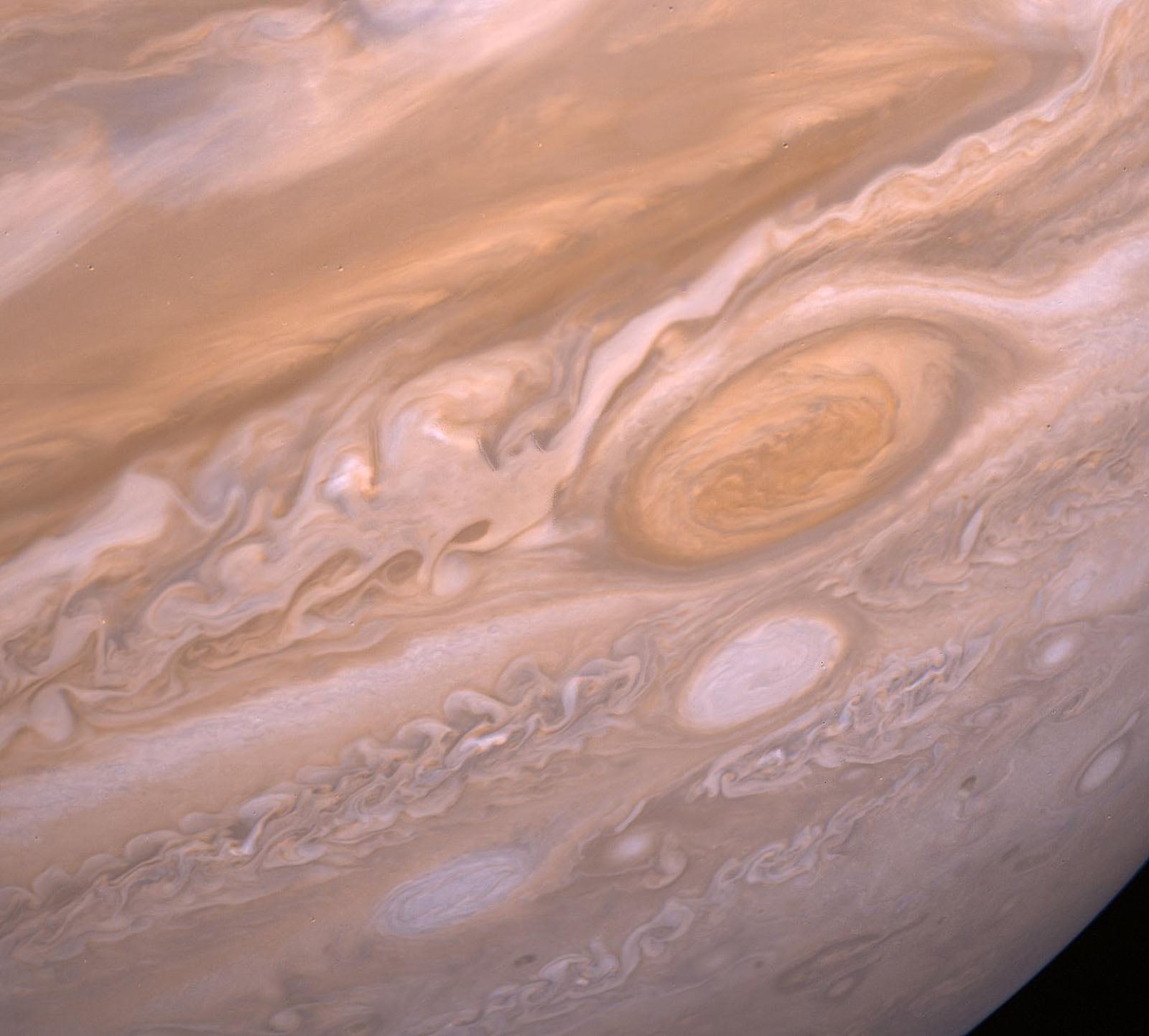
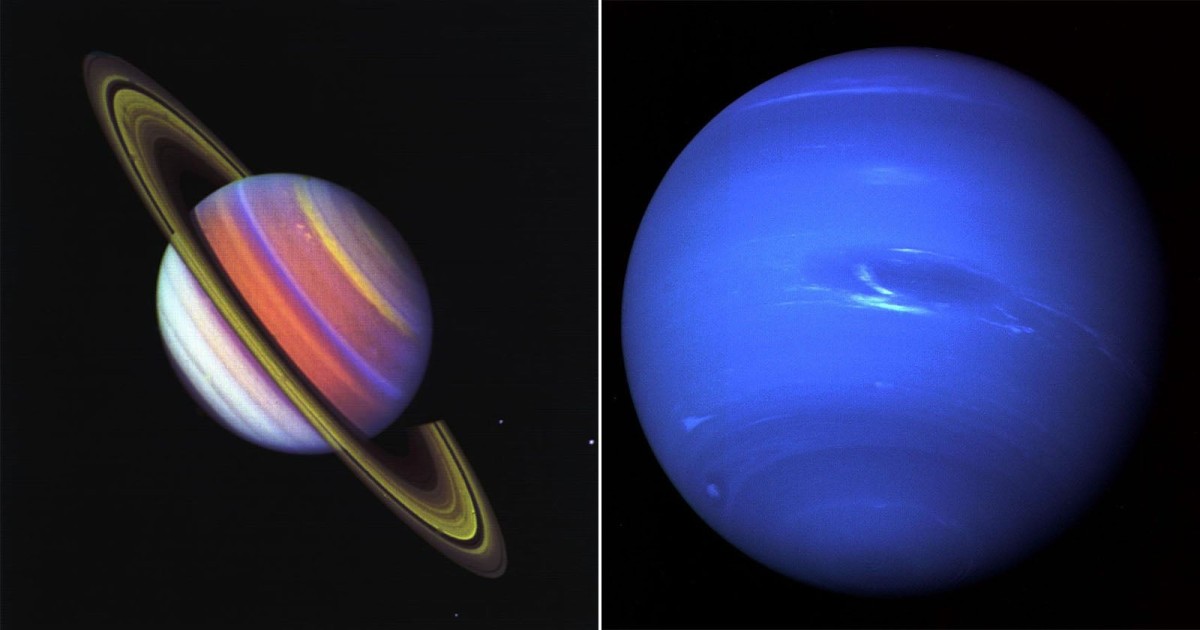
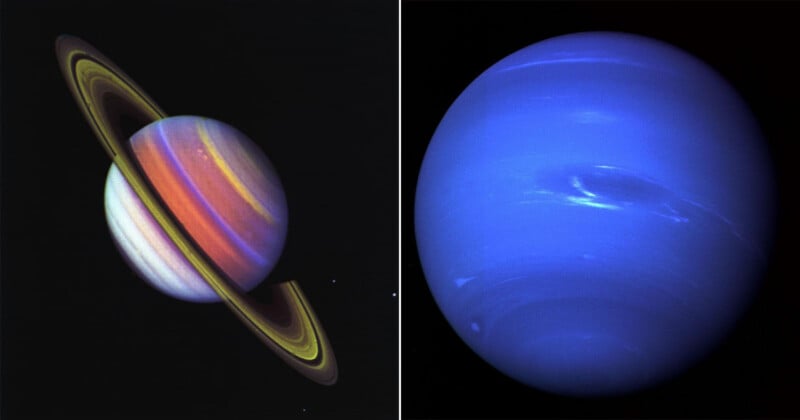
Voyager 2’s slower path allowed it to visit all four giant outer planets in the Solar System: Jupiter, Saturn, Uranus, and Neptune. Some of Voyager 2’s most famous photos are of these planets. Voyager 2 remains the only spacecraft ever to visit Uranus and Neptune.
Thanks to its Imaging Science System cameras, which are customized television-style cameras that slowly scan color images one line at a time, Voyager 2 made lots of history. It discovered a 14th moon at Jupiter, 10 new moons and a pair of new rings at Saturn, and five moons, four rings, and a “Great Dark Spot” at Neptune.
While Voyager 1 had the honor of capturing “Pale Blue Dot,” there’s no question that both Voyager spacecraft have captured extremely important photos and ushered in an unprecedented era of planetary science.
Image creditsNASA
Affiliate Disclosure PetaPixel articles may include affiliate links; we may earn a commission if you buy through one.
What's Your Reaction?
 Like
0
Like
0
 Dislike
0
Dislike
0
 Love
0
Love
0
 Funny
0
Funny
0
 Wow
0
Wow
0
 Sad
0
Sad
0
 Angry
0
Angry
0











Comments (0)