

Panasonic did what Apple, Sony and Nikon couldn’t: overturn a Red Raw video patent
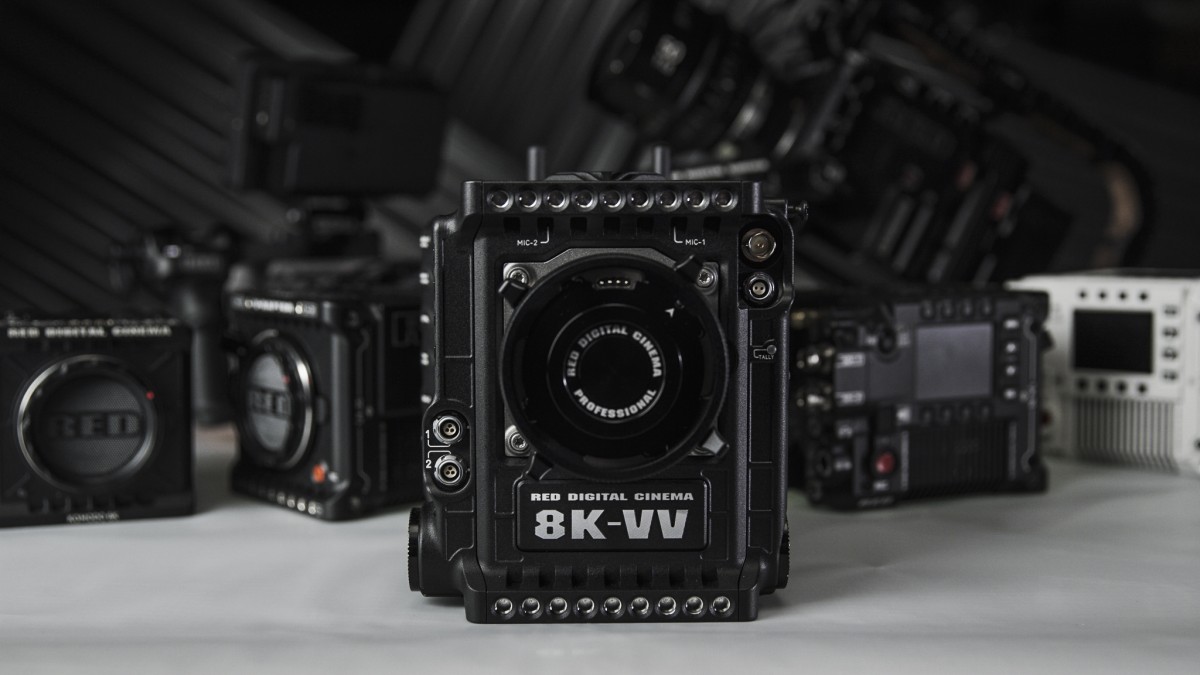
Japan’s patent court just invalidated one of the patents that stood in the way of Raw video’s adoption
 Red
Red
When you use DPReview links to buy products, the site may earn a commission.
The Japanese Patent Office has declared one of Red’s key Raw video patents as invalid, following a challenge by Panasonic.
The court determined that many of the claims made in the patent, first filed in the US in 2008, would have been obvious to someone skilled in the subject area and familiar with existing developments.
The news, first reported by Thom Hogan, put Nikon’s video subsidiary in the position of trying to defend a patent that Nikon had previously argued was invalid.
The patent itself describes a high-resolution video camera that compresses its Raw data, and appears to correspond to the patent at the center of historic claims against Sony and Apple and the almost inevitable counter-suits from those companies. We reported on many of these challenges, as well as Nikon’s, over the years.
Nikon famously resolved the dispute by buying the company. Some of Red’s cinema camera and Raw knowledge has subsequently been applied to recent Nikon models.
It’s difficult to know what the impact the rejection of this patent will be, given Canon, Panasonic, Sony and Blackmagic Design all now produce cameras with internal Raw video capture. One possibility the abolition of the license fees reportedly due to Red from users of Apple’s ProRes RAW codec. But given Red went from being privately held to being absorbed into Nikon, it’s difficult to get a sense for how significant these might be. And, of course, we shouldn’t assume even a minor cost reduction would necessarily get passed on to consumers.
About the Author: Richard graduated as a scientist but had a lot more fun writing and shooting for his university magazine. A number of years spent variously as a reporter, writer and editor on science and engineering titles combined his knowledge of science with his interest in images and words. But it was spotting the connections between emission spectra, white balance and all the nonsense he’d taught himself playing around in Photoshop that helped kindle an interest in digital photography. Searching for a camera led to him discovering DPReview and Richard was recruited by Phil Askey in 2007. He’s been combining his love of photography, communication and attention to detail (pedantry?) ever since. He has unusually strong opinions about lenses for the APS-C format.
Want to stay up to date on the latest product news and releases? Add DPReview as a preferred source to ensure our independent journalism makes it to the top of your Google search results.

What's Your Reaction?
 Like
0
Like
0
 Dislike
0
Dislike
0
 Love
0
Love
0
 Funny
0
Funny
0
 Wow
0
Wow
0
 Sad
0
Sad
0
 Angry
0
Angry
0









Comments (0)