

Scammers Are Using AI to Pinpoint Where Your Holiday Photos Are Taken
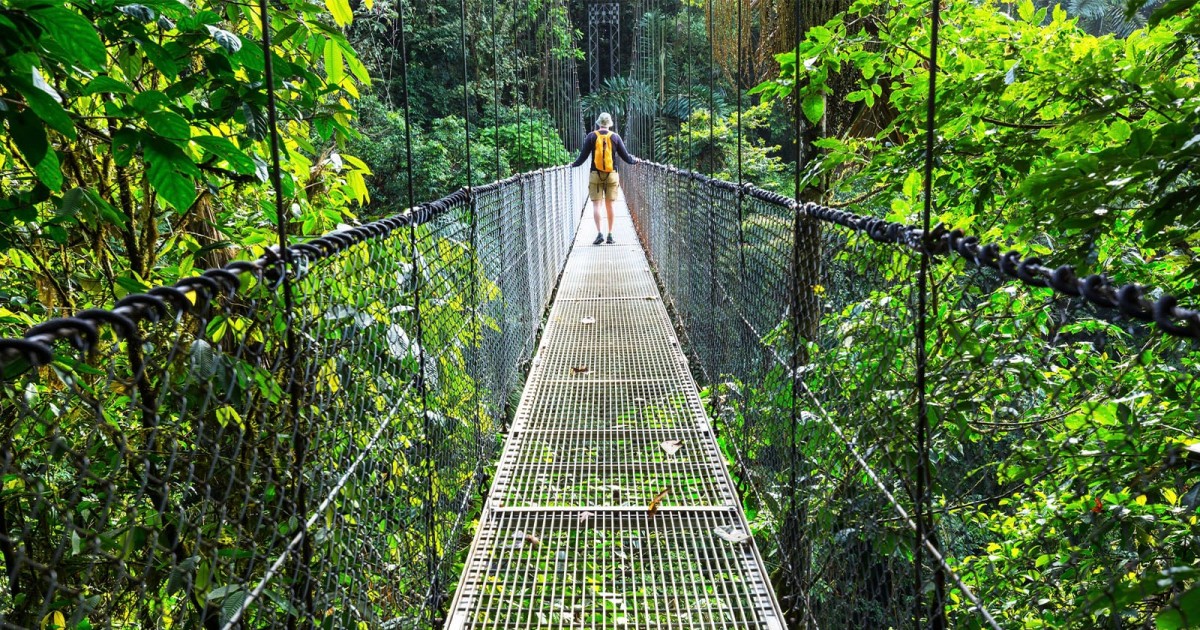
 Even an undetailed photo, such as this one taken in Costa Rica, can be indenified.
Scammers are increasingly exploiting photos posted on social media to gather personal information about a target so they can use it against them.
Research from McAfee, an anti-virus software company, found that AI models can geolocate even the most obscure travel photos, some achieving over 90% accuracy.
The AI doesn’t rely on any metadata or embedded coordinates; it just uses the image itself, picking up on clues like the background, the architecture, the signage, the light, or any naturally occurring details in a photo.
McAfee fed over 20,000 images into two freely available AI vision models and asked them to geolocate each photo. One model achieved 87% accuracy, while the other achieved 91%.
“That means in roughly 9 out of 10 cases, an AI model that’s available for free, to anyone, could look at an ordinary travel photo and correctly name where it was taken,” McAfee says.
“And when the exact city wasn’t identified, the country alone was almost always correct. For a scammer, that’s more than enough. It’s also enough to turn a vague, generic scam into one that feels specific, timely, and believable.”
How the Scam Works
Say someone is on holiday in Costa Rica and shared a snap to Instagram and Facebook of themselves posing in front of a beautiful but anonymous vista. They haven’t added any information about where they are exactly, but they just want to let people know they’re doing something cool.
But a few days later, while still on vacation, that person gets a text message that purports to be from their bank. It reads: “We detected unusual activity while you were traveling in Costa Rica — please verify immediately.”
It seems legit, so they click on the link to confirm their details. Barring the vague photos shared on social media, nobody knows they are in Costa Rica. Nobody that is, except the clever AI model and the crooks that are using it.
How to Prevent This Scam
The Guardian suggests the best way is to delay posting photos on social media until you’re back home. Alternatively, users can change their settings so that only trusted people can see them.
Scammers often employ urgency as a tactic: if you get a text message referencing your holiday destination, treat that as a red flag rather than a sign of credibility. Scammers use location familiarity precisely because it feels reassuring.
And finally, don’t click on links included in text or emails; it’s better to contact the bank or company using the details provided on their website.
Image creditsHeader photo licensed via Depositphotos.
Affiliate Disclosure PetaPixel articles may include affiliate links; we may earn a commission if you buy through one.
What's Your Reaction?
 Like
0
Like
0
 Dislike
0
Dislike
0
 Love
0
Love
0
 Funny
0
Funny
0
 Wow
0
Wow
0
 Sad
0
Sad
0
 Angry
0
Angry
0









Comments (0)