

The 8 Most Fun Fantasy Movies of All Time, Ranked
Few cinematic genres are as grabbing and exciting as fantasy. Perhaps even more impressive than its ability to realize realms of escapist wonder and magic is its proven variety, with everything from stunning epics like The Lord of the Rings trilogy to rich philosophical think pieces like The Seventh Seal, and even grounded tales of real-world wonder like It’s a Wonderful Life illuminating the tonal breadth the genre is capable of. It should come as no surprise to anyone that nestled within this scope of emotional moods and narrative styles is a small pocket of fun-loving adventure that has delivered some of the most cheerful pictures the medium has ever seen.
Be it the frenetic fun of a satirical comedy lampooning fairy tale tropes or a rollicking adventure that immerses viewers in a spectacle of action, wonder, and propulsive momentum, these eight fantasy flicks epitomize the genre at its most energized and delightful. Whether we’re laughing aloud or watching on in stunned silence, these movies are perfect for those who want to embrace the adventurous spirit and unbridled joy fantasy can offer.
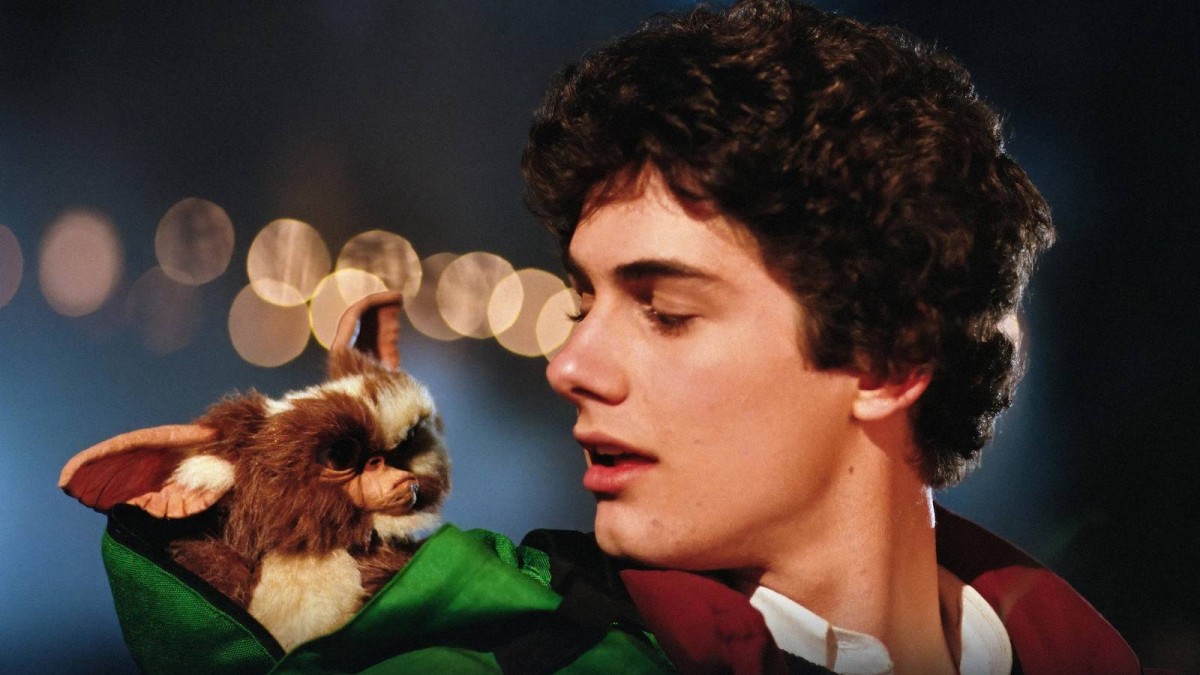
8 'Gremlins' (1984)
 Image via Warner Bros.
The 1980s was a time of cinematic excess. In many ways, Gremlins stands among the decade’s greatest examples of this, with the cult classic gem striking a deft balance between dark comedy, family horror, and beastly fantasy while offering a spectacle of engrossing propulsion. It begins when young Billy (Zach Galligan) is given a mogwai as a pet for Christmas, along with a series of rules relating to caring for the creature. When those rules are inadvertently broken, a reign of tiny terror descends on the people of Kingston Falls as the Gremlins engulf the town in a frenzy of mayhem and destruction.
Tonally faultless, director Joe Dante finds the perfect juxtaposition between treating the Gremlins as villains and leaning into the fun-filled hysteria of their antics, finding a gleeful sadism in the characters and their appetite for disorder. It subverts holiday warmth with the Gremlins’ infectious wickedness, breaking all the rules of a typical family film in a manner that is relentlessly delightful. Laced with an acidic charm from the creature designs, puppetry, and their penchant for dark comedy hilarity, Gremlins is an absorbing spin on 80’s horror and fantasy that has proven itself to be timelessly enjoyable.
7 'The Nightmare Before Christmas' (1993)
 Image via Touchstone Pictures
A haunted Halloween treat that is just as easy to enjoy at Christmastime as well, The Nightmare Before Christmas finds the heart beneath the horror of ghouls, ghosts, and goblins as it delivers a stunning showcase of stop-motion animation and Gothic musical allure. When the King of Halloweentown, Jack Skellington (Danny Elfman/Chris Sarandon), grows obsessed with Christmastown’s colorful celebration, he rallies his frightful followers to abduct Santa Claus (Ed Ivory) so he can take charge of the festive season while giving it his own spooky spin, an ambition that has some unexpected and disastrous results.
Combining the forbidden fun of Halloween’s spooky aesthetic with the charms and warmth of Christmas, The Nightmare Before Christmas finds a quirky appeal in its tale of good-natured ambition and clashing traditions. The vibrancy of this allure is only bolstered by director Henry Selick’s mastery of stop-motion animation, which imbues the film with an entirely unique and original visual display that is every bit as punchy today as it was upon release in 1993. Complimented by catchy songs, great characters, and a zest of morbid fun that somehow plays into the cheerful aura of the tale, The Nightmare Before Christmas is a triumph of accessible family fun that all fantasy-lovers must watch.
6 'Stardust' (2007)
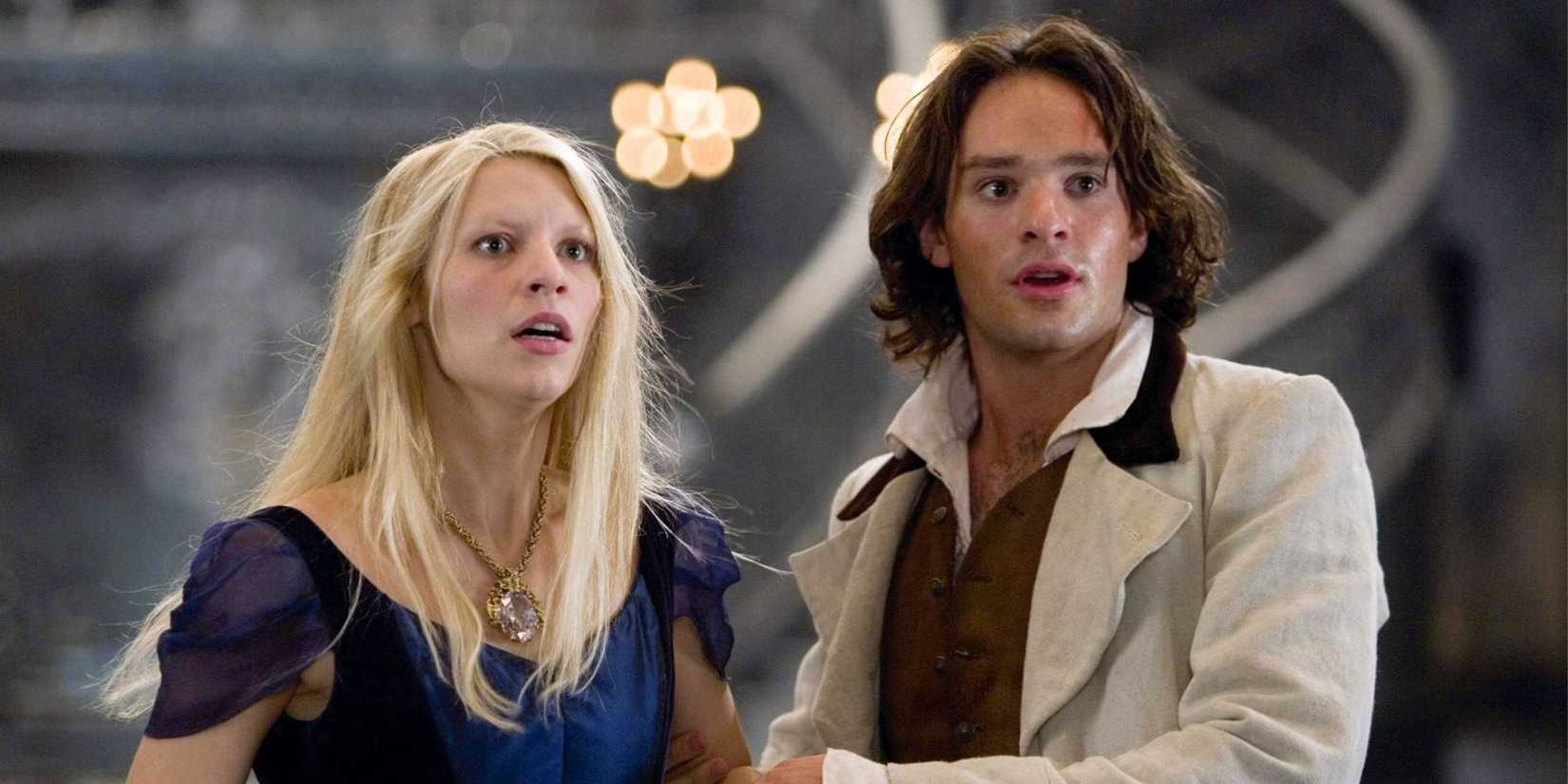 Image via Paramount Pictures
One of the most underrated movies of the 21st century of any genre, Stardust is a bona fide modern fantasy cult classic that operates at a frenetic, invigorating pace as it combines high-fantasy excitement, fairy tale romance, propulsive adventure, and fiery comedic wits with infectious results. Bolstered by its all-star ensemble cast, it follows a lovestruck young Englishman who vows to retrieve a fallen star from the magical realm of The Wall in exchange for her hand in marriage. Tristan’s (Charlie Cox) situation changes, however, when he discovers the fallen star is personified as a woman named Yvaine (Claire Danes), and that he must fend off evil witches and ambitious princes who would use her power for their own gain.
Director Matthew Vaughn is incredibly clever in how he gives Stardust compelling dramatic beats without ever letting the silliness and escapist fun of the movie be overshadowed. Every sequence of high-stakes danger and life-and-death urgency is mixed with laugh-out-loud comedy, a quality that allows the movie to occupy an air of unpredictability without making the suspense taxing on the viewer. The end result is a masterclass in fantasy entertainment, a joyous romp of imaginative adventure that finds a great deal of fun in its appetite for absurdity and its knack for excitement.
5 'Who Framed Roger Rabbit' (1988)
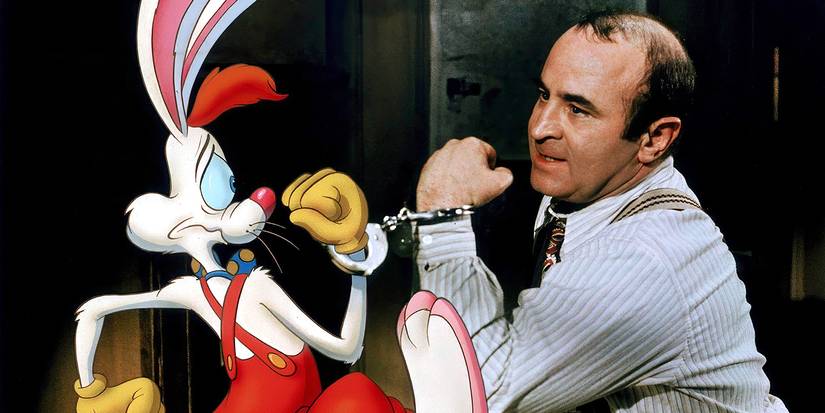 Image via Buena Vista Pictures
There have been many times before when fantasy cinema has thrived through its ability to combine sensationalist magic with real-world environments. Perhaps no movie has done this quite as energetically as 1988’s auspicious crime-comedy classic Who Framed Roger Rabbit, which blends the narrative style of traditional film noir with cartoon comedy chaos to present one of the most vibrant and iconic movies of the 1980s.
Set in a version of 1940s L.A. where humans co-exist with animated movie stars, it follows “toon”-hating private eye Eddie Valiant (Bob Hoskins) as he finds himself as the last hope for Roger Rabbit (Charles Fleischer), an anxious actor framed for the murder of a Hollywood exec. Realized with a meticulous attention to detail to ensure the marriage of live-action and animation is seamless, Who Framed Roger Rabbit is a timeless feat of format-blending cinematic exuberance complimented by razor-sharp comedic writing, a genuinely enticing mystery plot, and a faultless ability to implement cartoon characters into the noir setting.
4 'Monty Python and the Holy Grail' (1975)
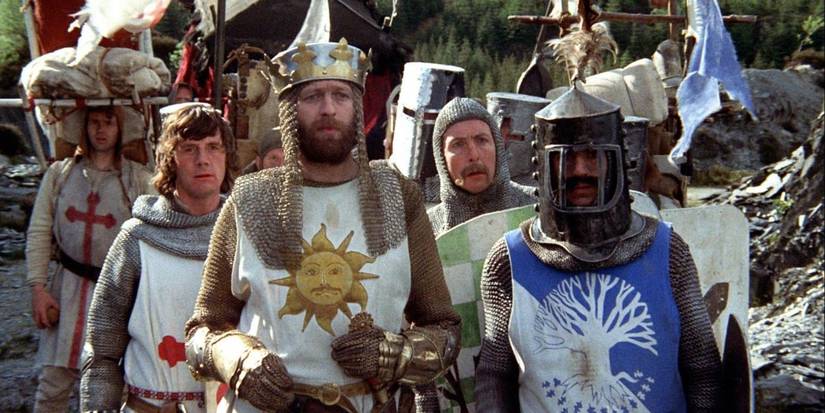 Image via EMI Films
Arthurian legend has been adapted to the screen in many ways over the years, from the stylized action of King Arthur: Legend of the Sword to the epic scope of Excalibur, and even to the dramatic, psychological edge of The Green Knight. Over the years, it's proven to be suitable for everything from blockbuster bravado to cerebral suspense, which allows a brilliant irony to emerge with the thought that 1975’s absurdist parody Monty Python and the Holy Grail could be the greatest adaptation of the folklore source material that cinema has ever seen.
The first feature film release from the renowned comedy troupe, it follows King Arthur (Graham Chapman) and the Knights of the Round Table as they set out in search of the Holy Grail, a dangerous conquest that sees them cross paths with everything from murderous bunny rabbits to the Knights Who Say “Ni!”. Combining inspired lunacy with witty wordplay, slapstick hilarity, meta-comedy, and a keen eye for social satire beneath the veneer of unrelenting ridiculousness, Monty Python and the Holy Grail stands as one of the all-time great comedy movies, one that indulges in fantasy tropes with a playfulness that only adds to the non-stop hysterics making for one of the funniest and most fun films ever made.
3 'Pirates of the Caribbean: The Curse of the Black Pearl' (2003)
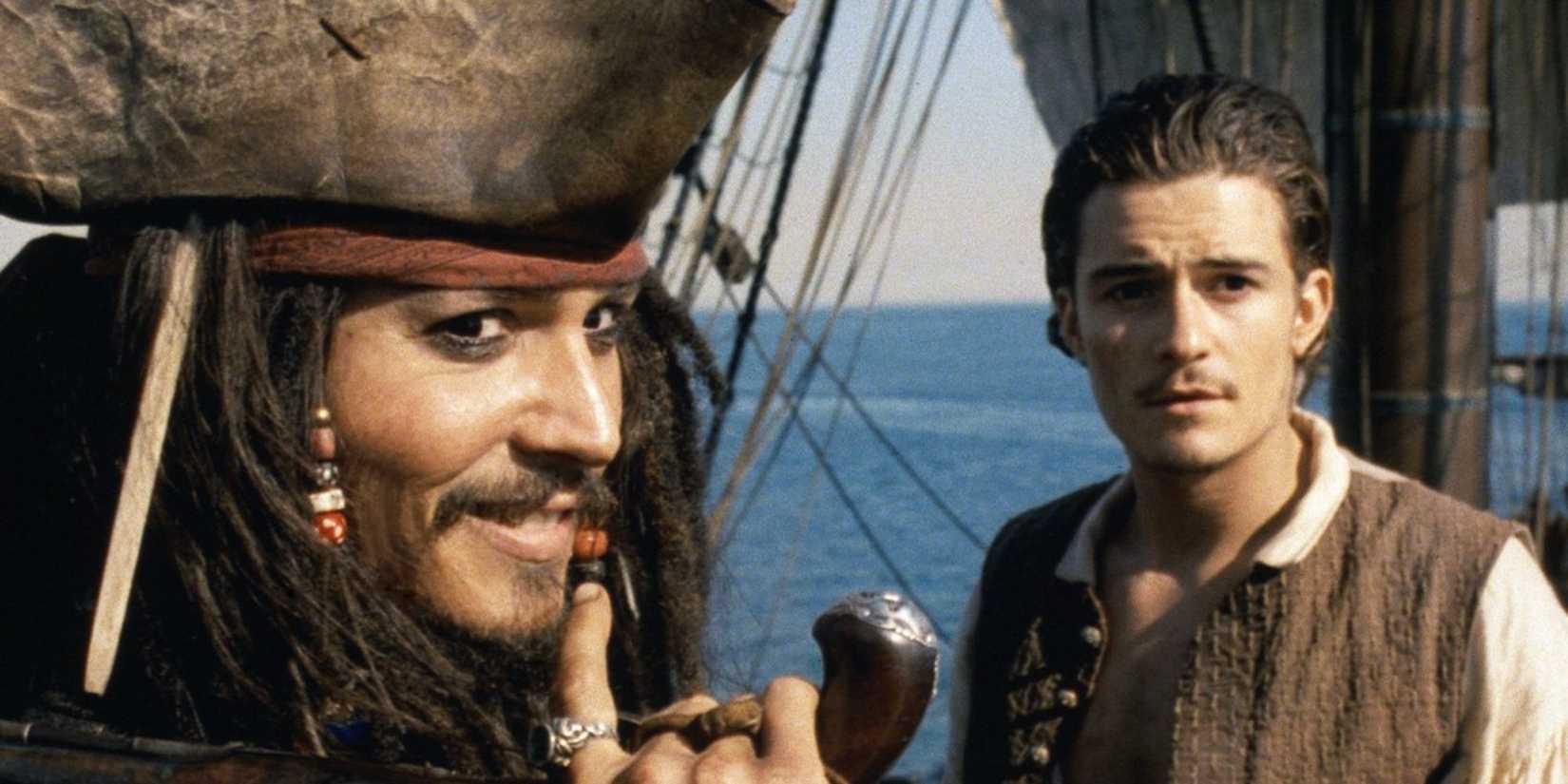 Image via Walt Disney Studios Motion Pictures
Operating with the same frenzied appetite for fun and excitement as the Disneyland amusement park ride it was based on, Pirates of the Caribbean: The Curse of the Black Pearl isn’t just a stunning showpiece of fantasy fun, it is one of the most absorbing and entertaining blockbusters cinema has ever seen as well. Blending swashbuckling adventure with sweeping romance, slapstick comedy, elaborate action, and, of course, plenty of fantasy allure, the ravishing 2003 masterpiece marks one of the most infectiously enjoyable movies audiences have been treated to this century.
Beyond the perfect pacing of its story and the sheer ambition of some of its set pieces, it also exudes a sense of spirited awe through its stunning practical filmmaking and mastery of CGI, invigorating score, and its unforgettable characters—particularly Johnny Depp’s portrayal of Captain Jack Sparrow. Even as the fantasy elements stray towards supernatural horror with the cursed, undead pirate crew, The Curse of the Black Pearl imbues it with a thrilling excitement that is enchanting to viewers of all ages.
Collider Exclusive · Oscar Best Picture Quiz
Which Oscar Best Picture
Is Your Perfect Movie?
Parasite · Everything Everywhere · Oppenheimer · Birdman · No Country
Five Oscar Best Picture winners. Five completely different visions of what cinema can be — and what it can do to you. One of them is the film that was made for the way your mind works. Ten questions will figure out which one.
🪜Parasite
🌀Everything Everywhere
☢️Oppenheimer
🐦Birdman
🪙No Country for Old Men
FIND YOUR FILM →
01
What kind of film experience do you actually want? The best movies don't just entertain — they leave something behind.
ASomething that pulls the rug out — that makes me think I'm watching one kind of film and then reveals I'm watching another entirely. BSomething overwhelming — funny, sad, absurd, and genuinely moving, all at once. CSomething grand and weighty — a film that makes me feel the full scale of what I'm watching. DSomething formally daring — a film that pushes what cinema can even do. ESomething lean and relentless — pure tension with no wasted frame.
NEXT QUESTION →
02
Which idea grabs you most in a film? Great films are driven by a central obsession. What's yours?
AClass, inequality, and what people are willing to do when desperation meets opportunity. BIdentity, family, and the chaos of trying to hold your life together when everything is falling apart. CGenius, moral responsibility, and the catastrophic weight of a decision you can never take back. DEgo, legacy, and the terror of becoming irrelevant while you're still alive to watch it happen. EEvil, chance, and whether moral order actually exists or if we just tell ourselves it does.
NEXT QUESTION →
03
How do you like your story told? Form is content. The way a story is shaped changes what it means.
AGenre-twisting — I want it to start in one lane and migrate into something completely different. BMaximalist and genre-blending — comedy, action, drama, sci-fi, all in one ride. CEpic and non-linear — cutting between timelines, building a mosaic of cause and consequence. DA single unbroken flow — I want to feel like I'm living it in real time, no cuts to safety. ESpare and precise — every scene doing exactly what it needs to do and nothing more.
NEXT QUESTION →
04
What makes a truly great antagonist? The opposition defines the protagonist. What kind of opposition fascinates you?
AA system — invisible, structural, and almost impossible to fight because it has no single face. BThe self — the ways we sabotage, abandon, and fail the people we love most. CHistory — the unstoppable momentum of events that no single person can stop or redirect. DThe industry — the machinery of culture that chews up talent and spits out irrelevance. EPure, implacable evil — a force so certain of itself it becomes almost philosophical.
NEXT QUESTION →
05
What do you want from a film's ending? The final note is the one that lingers. What do you want it to sound like?
AShock and inevitability — a conclusion that recontextualises everything that came before it. BEarned emotion — I want to cry, laugh, and feel genuinely hopeful, even if the world is a mess. CDevastation and grandeur — an ending that makes me sit in silence for a few minutes after. DAmbiguity — something that leaves enough open that I'm still thinking about it days later. EBleakness — an honest refusal to pretend the world is tidier than it actually is.
NEXT QUESTION →
06
Which setting pulls you in most? Where a film takes place shapes everything — mood, stakes, what's even possible.
AA gleaming modern city with a hidden underside — beauty masking rot, wealth masking desperation. BA collapsing suburban life that opens onto something infinite — the multiverse of a single ordinary person. CThe corridors of power and science at a world-historical turning point — where decisions echo for decades. DThe grimy, alive chaos of New York and Hollywood — fame as both destination and trap. EVast, indifferent landscape — desert and highway where violence arrives without warning or reason.
NEXT QUESTION →
07
What cinematic craft impresses you most? Every great film has a signature — a technical or artistic element that makes it unmistakable.
AProduction design and mise-en-scène — every frame composed to carry meaning beneath the surface. BEditing and tonal control — the ability to move between registers without losing the audience. CScore and sound design — music that becomes inseparable from the dread and awe of what you're watching. DCinematography as performance — the camera not recording events but participating in them. ESilence and restraint — what's left unsaid and unshown doing more work than any dialogue could.
NEXT QUESTION →
08
What kind of main character do you root for? The protagonist is the lens. Who you choose to follow says something about you.
ASomeone smart and resourceful who makes increasingly dangerous decisions under pressure. BSomeone overwhelmed and ordinary who turns out to be capable of something extraordinary. CA brilliant, tortured figure whose gifts and flaws are inseparable from each other. DA self-destructive artist whose ego is both their superpower and their undoing. EA quiet, principled person trying to make sense of a world that has stopped making sense.
NEXT QUESTION →
09
How do you feel about a film that takes its time? Pace is a choice. Some films sprint; others let tension accumulate slowly, deliberately.
AI love a slow build when I know the payoff is going to be seismic — patience for a devastating reveal. BGive me relentless momentum — I want to feel breathless and emotionally spent by the end. CEpic runtime doesn't scare me — if the material demands three hours, give me three hours. DI want it to feel propulsive even when nothing is technically happening — restless energy throughout. EDeliberate and unhurried — I want dread to accumulate in the spaces between the action.
NEXT QUESTION →
10
What do you want to feel walking out of the cinema? The best films leave a mark. What kind of mark do you want?
AUnsettled — like I've just seen something I can't fully explain but can't stop thinking about. BMoved and energised — like the film reminded me what actually matters and gave me something to hold onto. CHumbled — like I've been in the presence of something genuinely important and overwhelming. DExhilarated — like I've just seen cinema doing something it's never quite done before. EHaunted — like a cold, quiet dread that stays with me for days.
REVEAL MY FILM →
The Academy Has Decided Your Perfect Film Is…
Your answers have pointed to one Oscar Best Picture winner above all others. This is the film that was made for the way your mind works.
Parasite
You are drawn to films that operate on multiple levels simultaneously — that begin in one genre and quietly, brilliantly migrate into another. Bong Joon-ho's Parasite is a film about class, desire, and the architecture of inequality that manages to be darkly funny, deeply suspenseful, and genuinely shocking across a single extraordinary running time. Your instinct is for cinema that hides its true intentions until the moment it's ready to reveal them. Parasite is exactly that — a film that rewards close attention and punishes assumptions, right up to its devastating final image.
Everything Everywhere All at Once
You want it all — and this film gives you all of it. The Daniels' Everything Everywhere All at Once is one of the most maximalist films ever made: action comedy, multiverse sci-fi, family drama, existential crisis, and a genuinely earned emotional core that sneaks up on you amid the chaos. You are someone who responds to ambition, who doesn't want cinema to choose between being entertaining and being meaningful. This film refuses that choice entirely. It is overwhelming by design, and its overwhelming nature is precisely the point — because the feeling of being crushed by infinite possibility is exactly what it's about.
Oppenheimer
You are drawn to cinema on a grand scale — films that understand history not as a backdrop but as a force, and that place their characters inside that force and watch what happens. Christopher Nolan's Oppenheimer is a film about the terrifying gap between what we can do and what we should do, told with the full weight of one of the most consequential moments in human history behind it. You want your films to feel important without feeling self-important — to earn their ambition through sheer craft and the gravity of their subject. Oppenheimer does exactly that. It is enormous, complicated, and refuses easy comfort.
Birdman
You are drawn to films that foreground their own construction — that make the how of the filmmaking part of the what it's about. Alejandro González Iñárritu's Birdman, shot to appear as a single continuous take, is cinema examining itself through the cracked mirror of a fading actor's ego. You respond to formal daring, to the feeling that a film is doing something that probably shouldn't be possible. Michael Keaton's performance and Emmanuel Lubezki's restless camera create something genuinely unlike anything else — a film that is simultaneously about creativity, relevance, self-destruction, and the impossibility of ever truly knowing if your work means anything at all.
No Country for Old Men
You are drawn to cinema that trusts silence, that refuses to explain itself, and that treats dread as a form of meaning. The Coen Brothers' No Country for Old Men is a film about the arrival of a new kind of evil — implacable, arbitrary, and utterly indifferent to the moral frameworks we use to make sense of the world. It is one of the most formally controlled films ever made, and its controlled restraint is what makes it so terrifying. You want your films to haunt you, not comfort you. You are not interested in resolution if resolution would be dishonest. No Country for Old Men is honest in a way that most cinema never dares to be.
↻ RETAKE THE QUIZ
2 'Shrek' (2001)
 Image via DreamWorks Animation
Fun-loving and ferocious, Shrek delivers a rousing counterpunch to the Disney animated fairy tale movies from decades ago that injects absorbing modernistic gags and barbed satirical wit into the realm of mainstream animated adventure. Following Shrek (Mike Myers), a cantankerous ogre, as he agrees to rescue an imprisoned princess for a powerful lord in exchange for a life of peaceful isolation in his swamp. Circumstances change, however, when Shrek finds himself falling in love with Princess Fiona (Cameron Diaz).
It finds much of its enthralling sense of fun in its lampooning of fairy tale tropes, from the hilarious vulgarity and uncouth behavior of the heroes to the clever parody of classical characters like the Three Blind Mice and Pinocchio. However, Shrek also finds tremendous depth in this pursuit, positing the beauty is not a virtue of character and that the journey to discover self-worth and acceptance is the most important venture anyone can embark on. Complimenting this nuance with iconic sequences like the Smash Mouth “All Star” intro, Shrek’s wrestling match, and the “Muffin Man” interrogation, Shrek is a procession of high-spirited and satirical brilliance that epitomizes the cheeky fun of animated cinema.
1 'The Princess Bride' (1987)
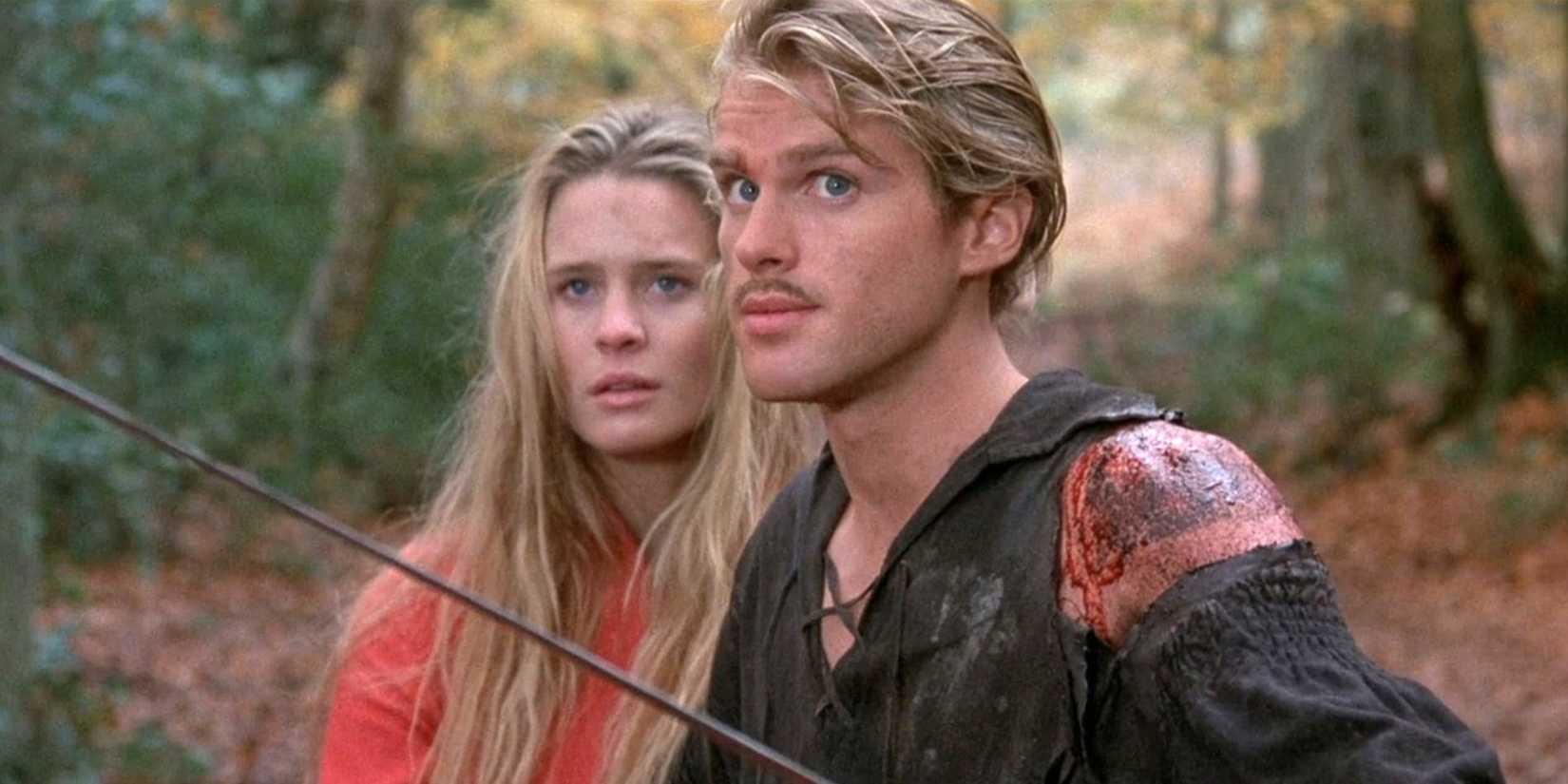 Image via 20th Century Studios
Buoyed by William Goldman’s screenplay adaptation of his own novel and Rob Reiner’s ability to direct the story with humor and heart, The Princess Bride soars as one of the most immersive high-fantasy adventures cinema has ever seen, as well as a tender romantic voyage, a cleverly self-referential comedy, and even a rousing tale of revenge and rescue. Framed as a grandfather reading a fairy tale to his sick grandson, it embeds viewers in the magical realm of Florin where swashbuckling pirate Wesley (Cary Ewles) fights to spare his one true love, Buttercup (Robin Wright), from having to marry a cruel and foul prince.
As if the emotional stakes of that journey alone weren’t already enough, The Princess Bride also revels in what is the most gratifying B-plot of all time, that, of course, is Inigo Montoya’s (Mandy Patinkin) endeavor to avenge his murdered father. With its story containing a litany of iconic and unforgettable scenes while also finding a cozy, escapist glee off the back of its somewhat rudimentary production value, The Princess Bride isn’t just the most fun fantasy film of all time; it is one of cinema’s ultimate comfort watches, an enthusiastic, riveting, and triumphant tale of fairy tale adventure the delivers laughs and excitement with every single scene.
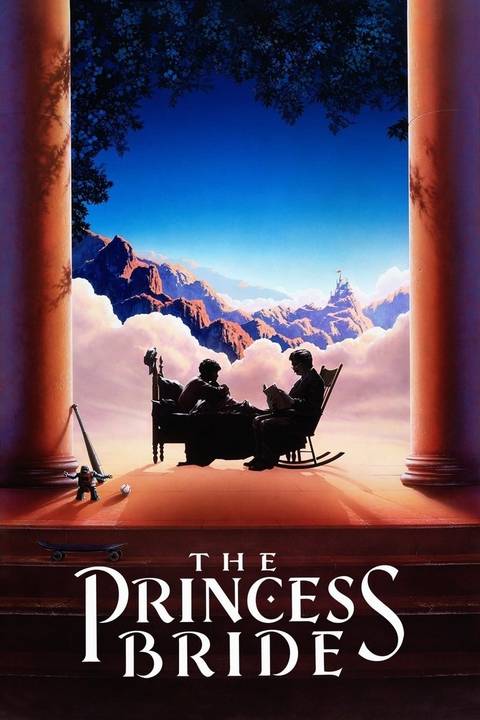
The Princess Bride
Release Date September 25, 1987
Runtime 99 minutes
Writers William Goldman
What's Your Reaction?
 Like
0
Like
0
 Dislike
0
Dislike
0
 Love
0
Love
0
 Funny
0
Funny
0
 Wow
0
Wow
0
 Sad
0
Sad
0
 Angry
0
Angry
0






Comments (0)