

The Atlas ONE Is a Three-Pack System That’s a Camera Bag Only When You Need It
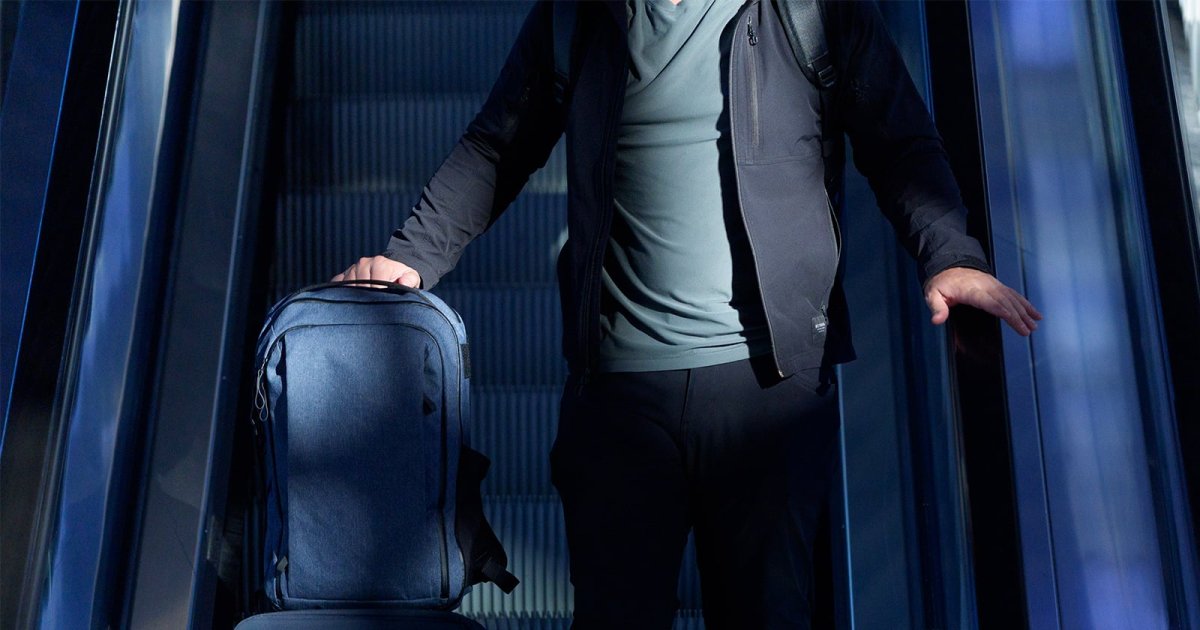
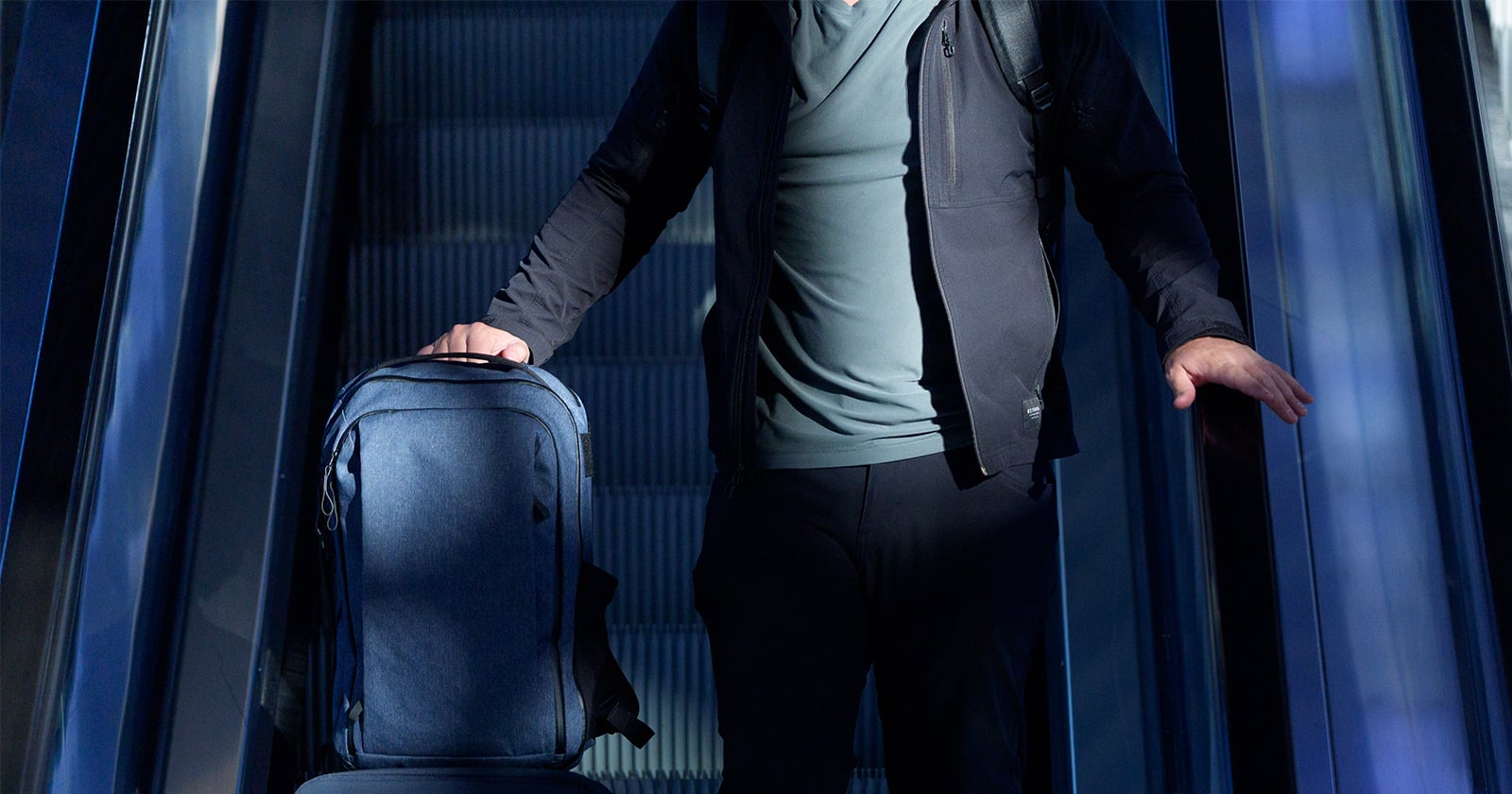
Atlas Packs has launched the Atlas ONE, a system of three ultralight backpacks that work as a low-profile everyday pack and turn into a camera bag only when the day calls for one.
The line is live on Kickstarter, where it has cleared $35,000, nearly triple its $12,500 goal, before its June 27 deadline. Each version is a small, limited run, with most between about 85 and 200 units. Kickstarter orders count toward those caps. So, when a configuration sells out, it’s gone.
The Atlas ONE is the work of Allan Henry, who spent 20 years as a sports photojournalist at USA Today and earned Photo of the Year recognition from Sports Illustrated / Golf Magazine. Two decades of moving through airports and tournament crowds with his photography gear left him with the complaint most photographers share: you buy one bag for the camera and another for the rest of the day, and you accept the compromise.
“A bag is built for one purpose, so compromise is built into it,” Henry says. “A pack is built for many.”
The packs are designed to stay discreet, with a removable logo patch and no loud branding to advertise that expensive gear is inside.
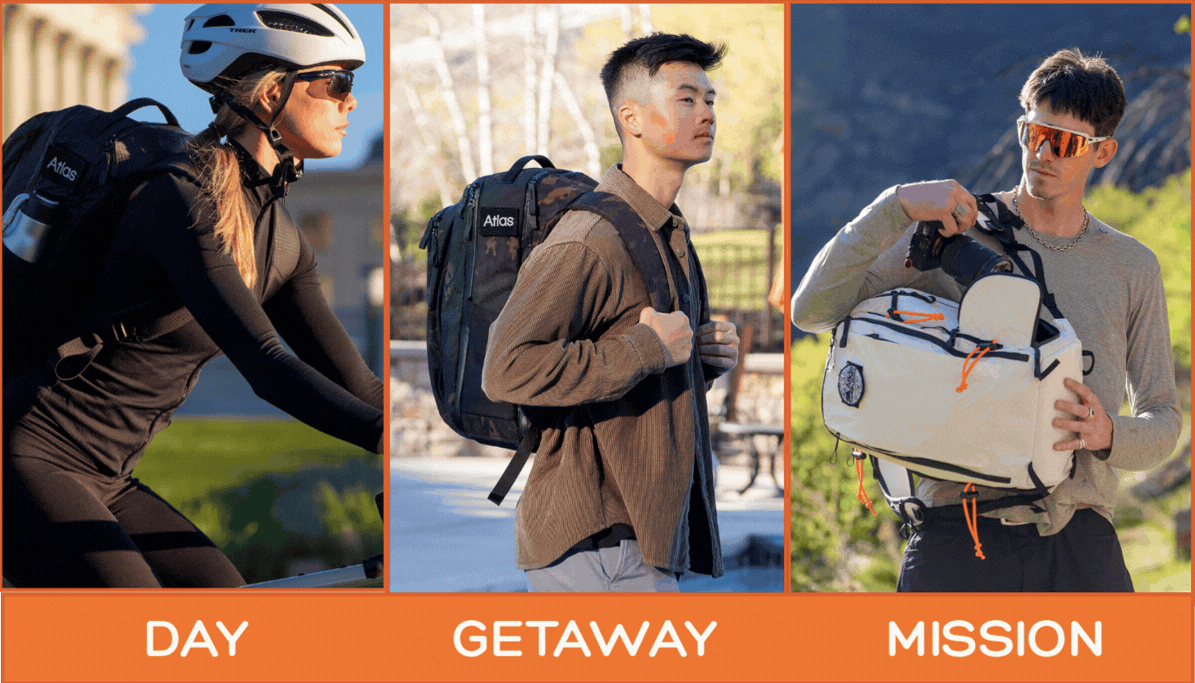
Three Packs, One System
The lineup splits by how a day actually unfolds, and all three cost the same within a fabric tier, so the choice is not about money there. The Day is the everyday pack. It is 20 to 25 liters and about 2.5 pounds (1.1 kilograms), and slim enough at 4.5 inches (12 centimeters) deep to sit flat against your back and slide under an airplane seat. Its nine-liter Clamshell Core holds a camera body with a 70-200mm telephoto zoom attached, and a five-liter front pop-out adds room when the load grows.
“Camera in the morning, gym at night, same bag,” Henry says.
 The Atlas ONE Day
The Getaway is the one-bag traveler, 25 to 32 liters from about 2.9 pounds (1.3 kilograms). A double-sided clamshell can open to a 16-inch MacBook Pro and an iPad on one side and a 12-liter camera core on the other that holds a 200-600mm super-telephoto zoom with the body still attached. It compresses to meet budget-airline limits as tight as 40 by 20 by 25 centimeters. “Bags get checked,” Henry writes on the campaign page. “Getaway boards.”
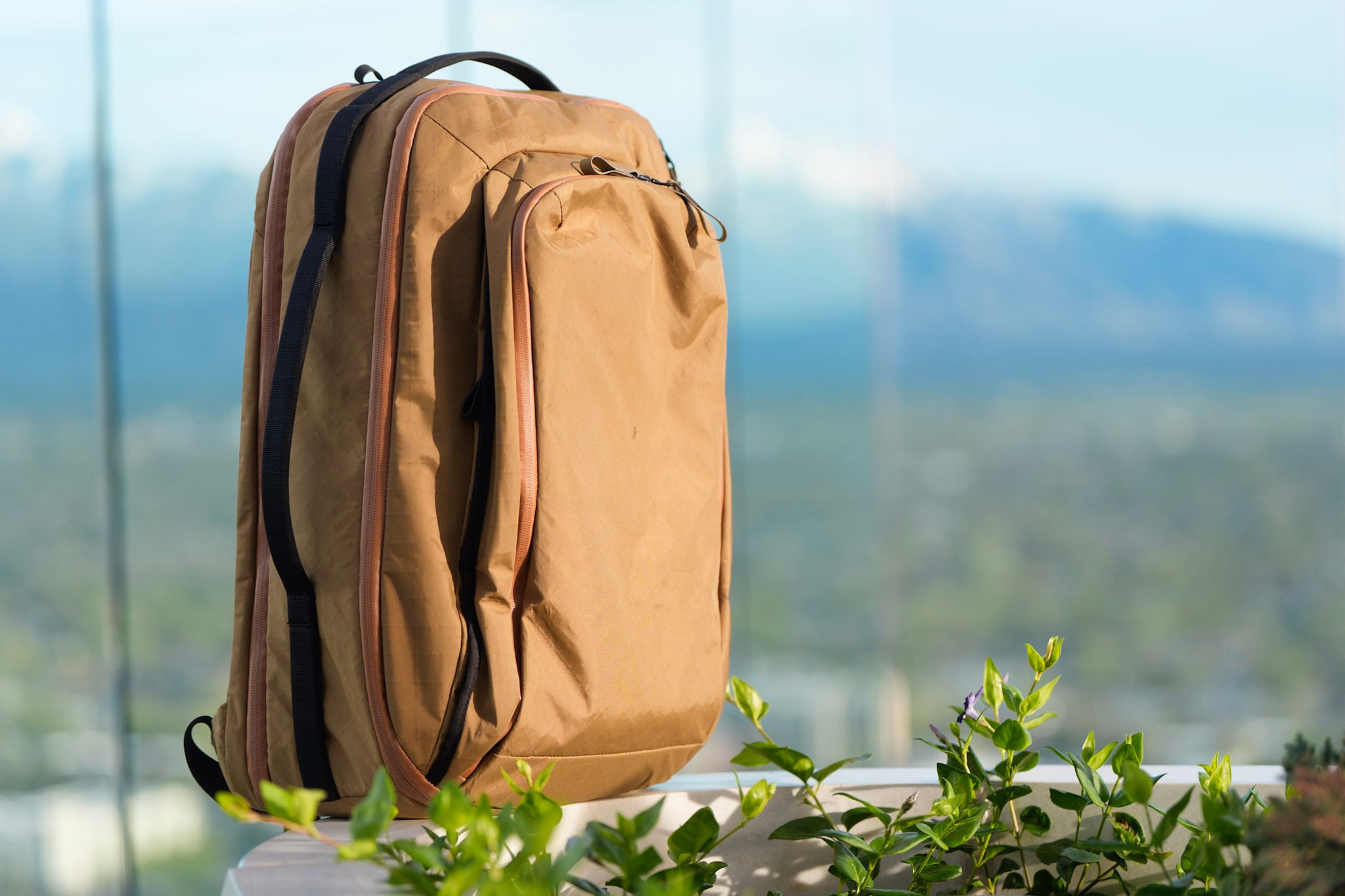 The Atlas ONE Getaway
The Mission is the all-in-one for camera, travel, and everyday use. At 27 to 30 liters and about 3.5 pounds (1.6 kilograms), it is built around the patented 14-liter Origami Camera Core. Its flexible bottom slides up or down in the camera core, and Atlas says that movable design means no maze of traditional velcro dividers to keep a camera secure.
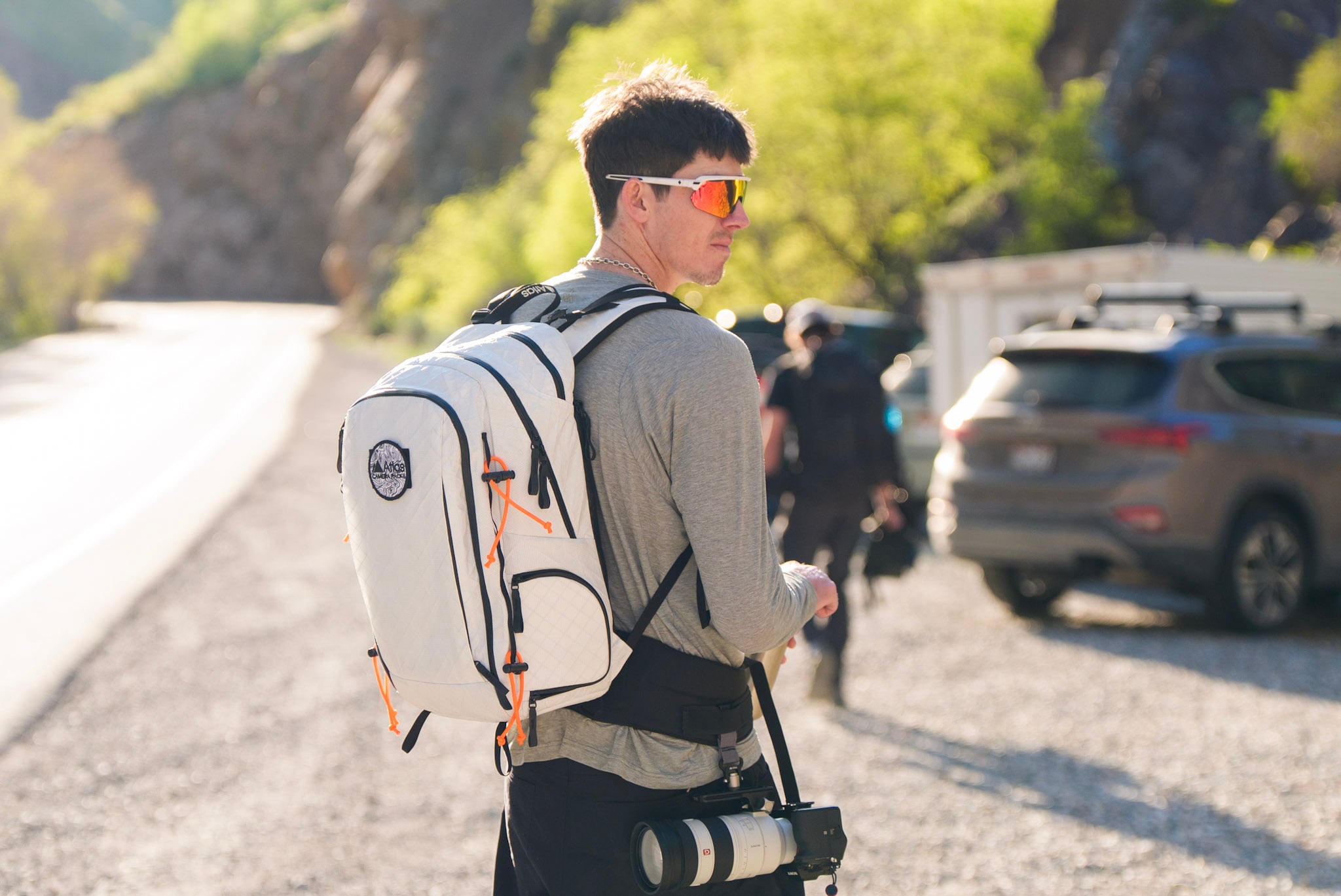 The Atlas ONE Mission
A magnetic side door lets a photographer pull a body and lens without breaking stride. The pack fits a 200-600mm zoom with the body attached, and it accepts an optional hiking belt for heavier loads.
“Your Pack, Your Way”
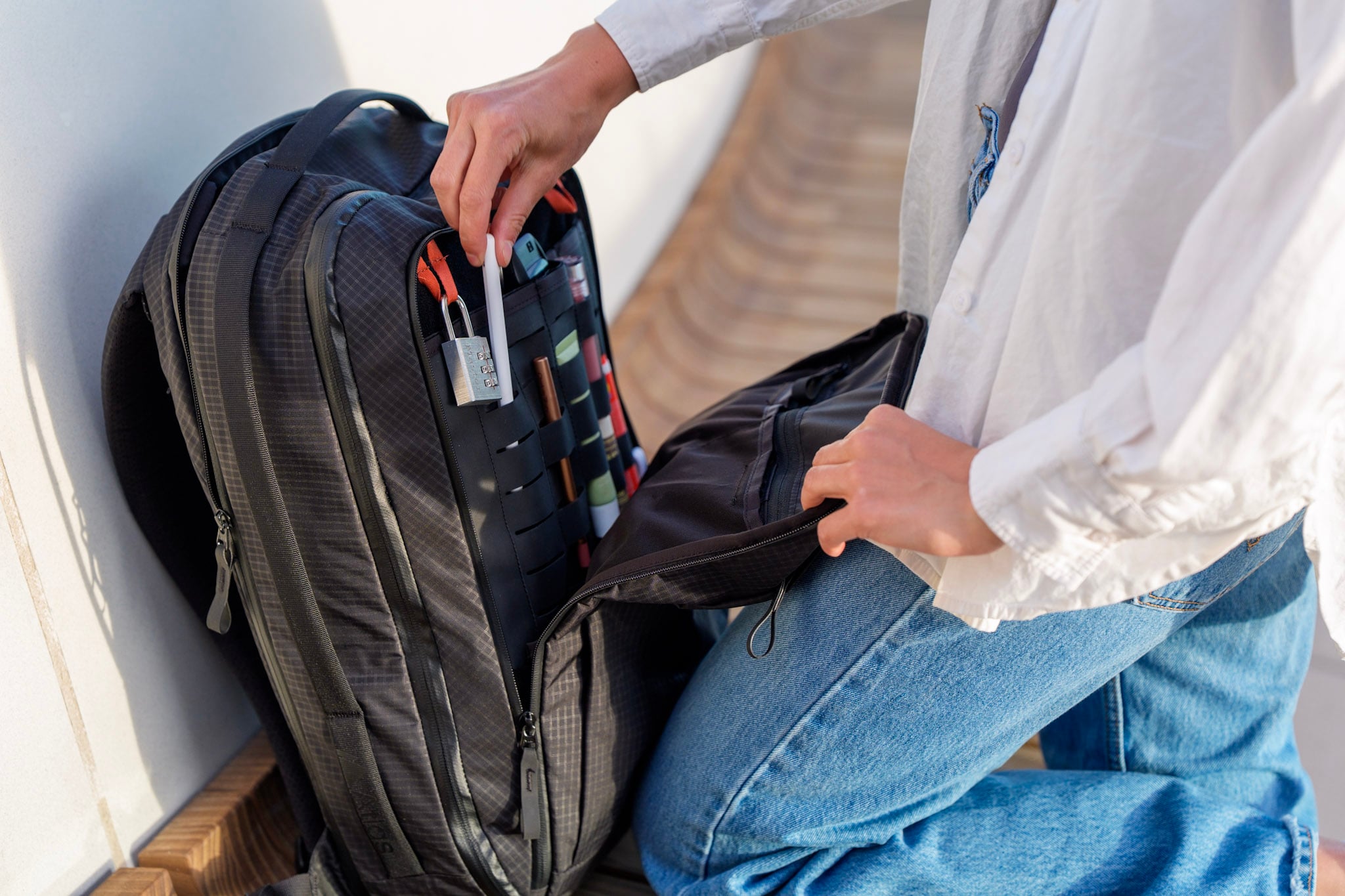
What the three share is the inside. Every Atlas ONE is lined wall to wall with Velex, a soft loop fabric, so any hook-and-loop accessory sticks anywhere and moves when the kit changes. That full-interior lining also lets the packs work with camera cubes and pouches from other brands, not just Atlas inserts.
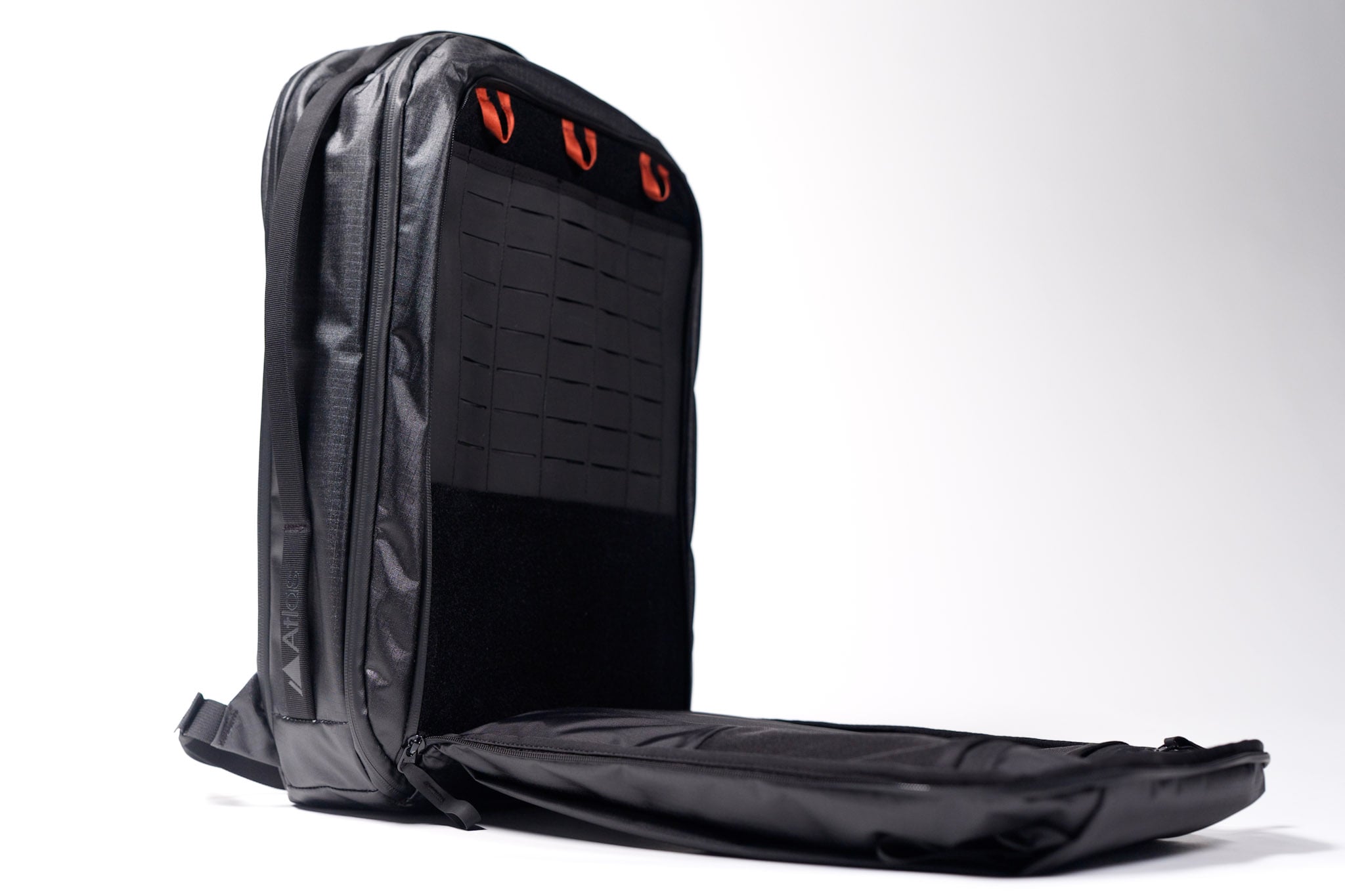 Atlas ONE
Atlas adds its own organization on top, led by the CapCase, a camera case with a magnetic cap that flips open in one motion and a zipper that locks it shut. Hidden “pants pockets” behind the shoulder straps on the Day and Getaway hold a passport, keys, and a phone. The packs are frameless, built on a modified elastic yoke, a stretchy harness that rides the weight up onto the shoulders.
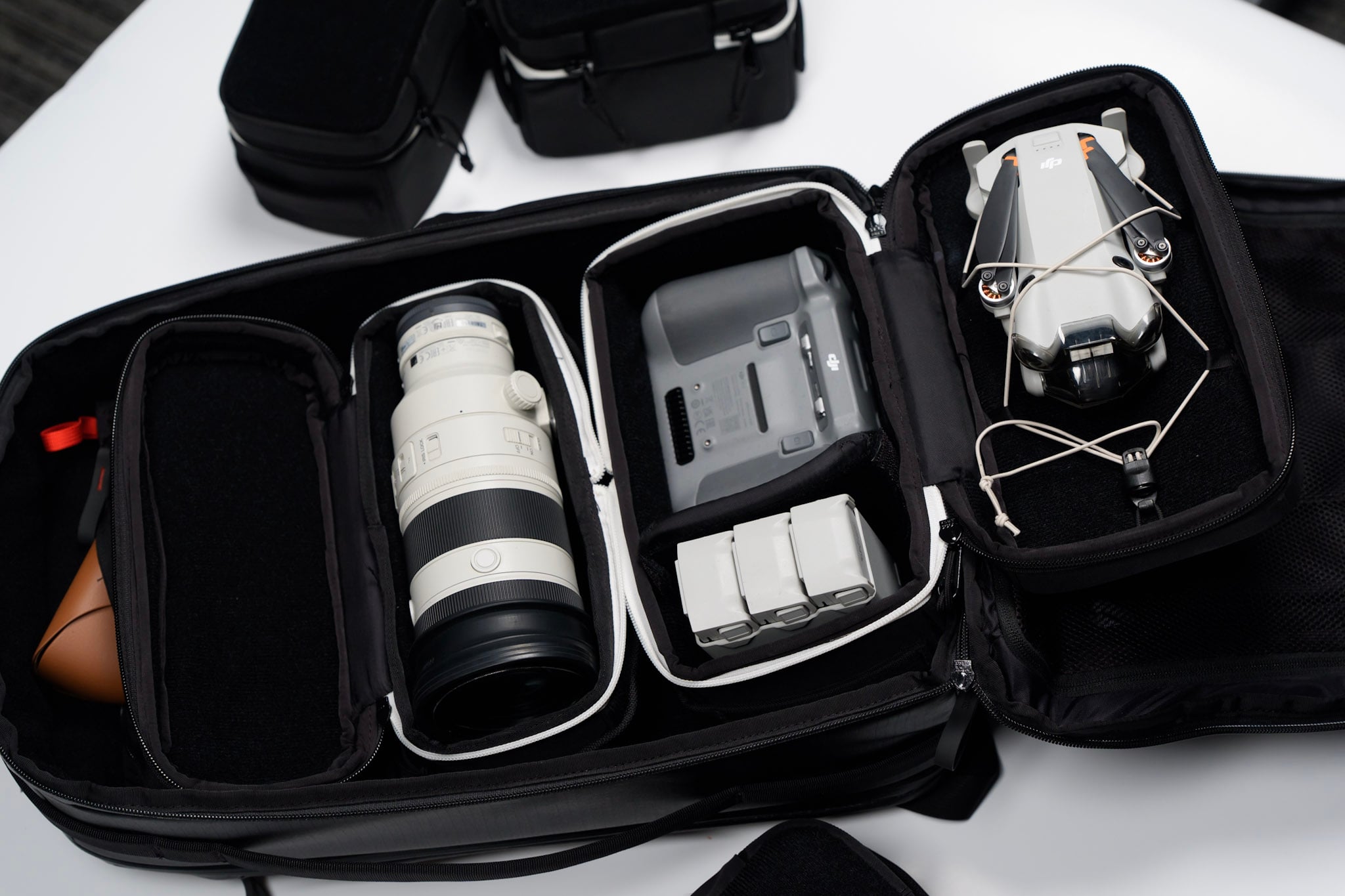 The Atlas Packs CapCase
The fabric does real work. The company’s own testing put maximum load force from about 245 pounds for the base NY Rip fabric to between 534 and nearly 700 pounds for the Challenge Sailcloth tiers, well beyond what a loaded kit weighs. One of those tiers uses a recycled fabric woven from about 10 plastic bottles per yard.
Pricing and Availability
The Atlas ONE is priced by material, not size. It runs through six fabric tiers from $285 to $399, at current Kickstarter rates. After the campaign, the packs move to pre-order on the Atlas site at a higher price the company has not set yet, and they stay direct-to-consumer rather than reaching retail. Production is scheduled to start in September, with packs expected to ship between December and January. Every pack carries a 100-day return window and a lifetime warranty.
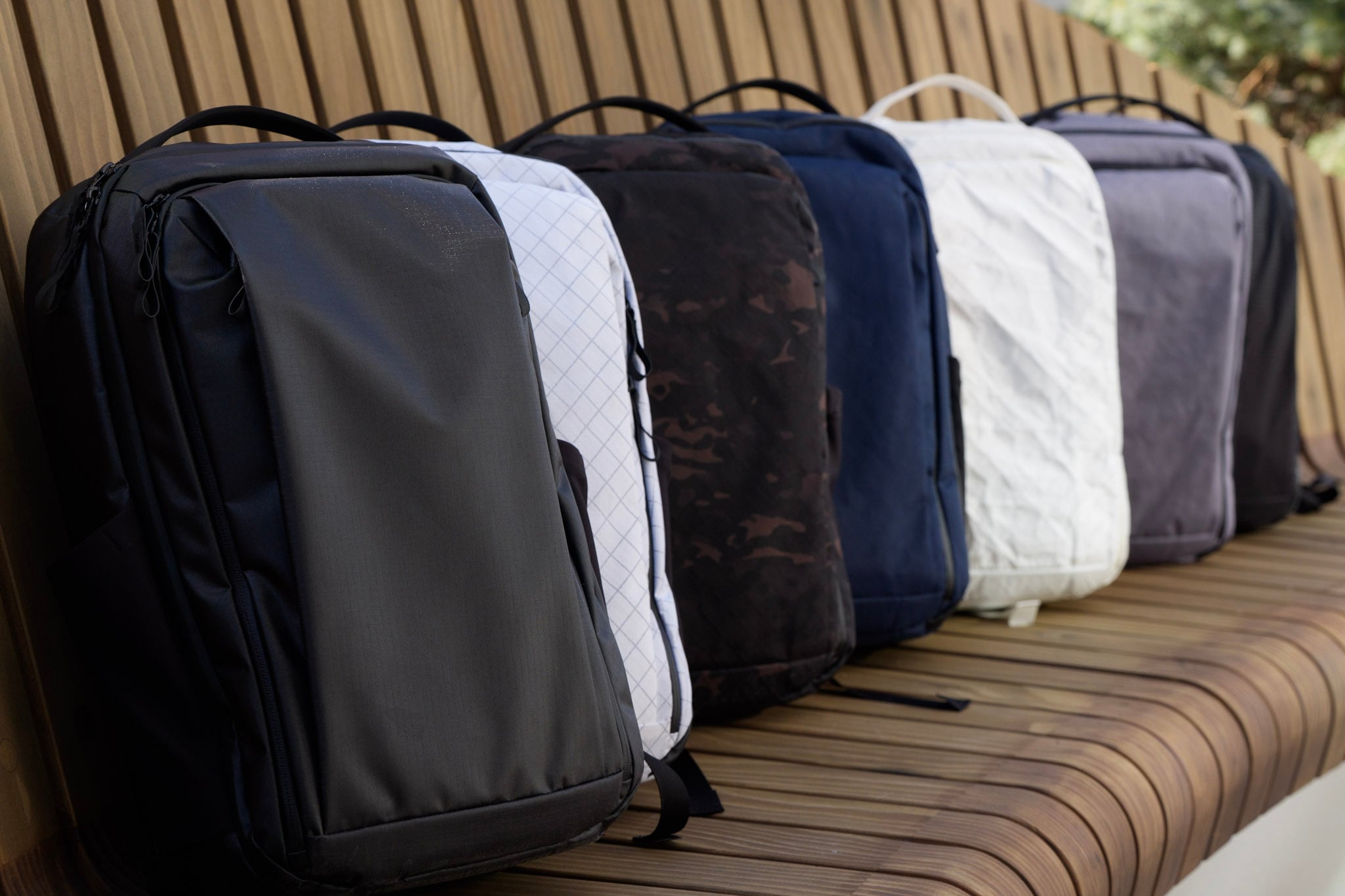 The Atlas ONE Day pack in a variety of colors and cloth options
The packs are sewn in the Philippines on the same lines that build for Osprey, Patagonia, Gregory, and Arc’teryx, with Henry at the factory during production. Past Atlas models have been named Carryology’s Camera Bag of the Year and have made National Geographic’s list of best travel camera bags.
Backing a Kickstarter is not the same as buying a finished product, and the usual risks apply: a small-batch campaign can slip its timeline, and the load and weight figures are the company’s own. Henry is blunt about the calendar, telling anyone who needs a pack by a fixed date not to back at all. With most configurations capped near 85 to 200 units and Kickstarter orders counting against them, some may close before the campaign does.
Image credits: Atlas Packs
Disclaimer: Make sure you do your own research into any crowdfunding project you’re considering backing. While we aim to only share legitimate and trustworthy campaigns, there’s always a real chance that you can lose your money when backing any crowdfunded project. PetaPixel does not participate in any crowdfunding affiliate programs. Coverage of a Kickstarter campaign is not an endorsement of any campaign, company, or product.
To hold projects accountable, all crowdfunding campaigns on which PetaPixel reports are financially backed with the lowest tier option in order to give the publication visibility into all backer-only communications. If a campaign owner acts in a manner inconsistent with its promises, PetaPixel will share that information publicly.
What's Your Reaction?
 Like
0
Like
0
 Dislike
0
Dislike
0
 Love
0
Love
0
 Funny
0
Funny
0
 Wow
0
Wow
0
 Sad
0
Sad
0
 Angry
0
Angry
0






Comments (0)