

The PGYTECH OneGo Roamer Is an Excellent Hybrid Camera Bag


PGYTECH has built a reputation for designing camera accessories that sit between professional function and everyday usability, and the OneGo Roamer Tote Backpack continues that approach. Available in both 18L and 25L versions, it is designed to switch between a dedicated camera backpack and a more casual tote-style carry solution.
On paper, it is a simple concept: one bag that works for shooting days, travel, and everyday life. In practice, it aims to solve one of the most common problems photographers face: carrying camera gear without always feeling like they are carrying camera gear.
2-in-1 Design: Camera Backpack Meets Everyday Tote
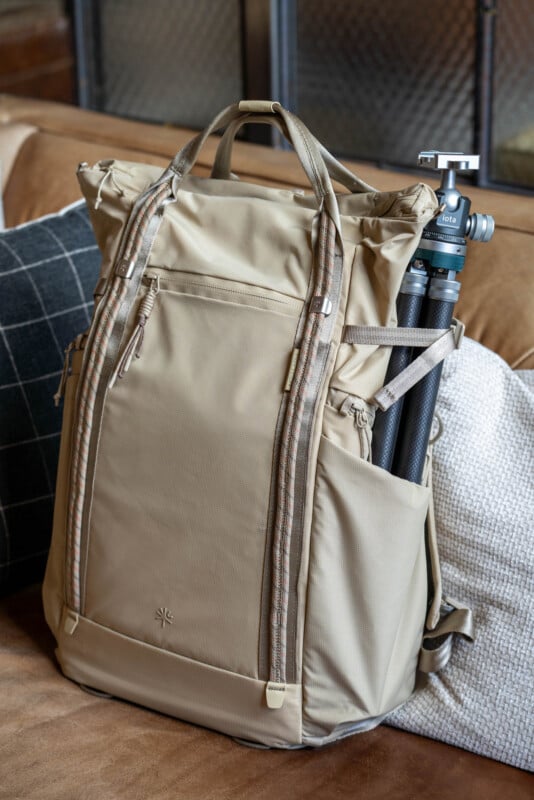
The defining feature of the OneGo Roamer is its convertible design. The bag can switch between a structured camera backpack and a more relaxed tote-style carry depending on the situation.
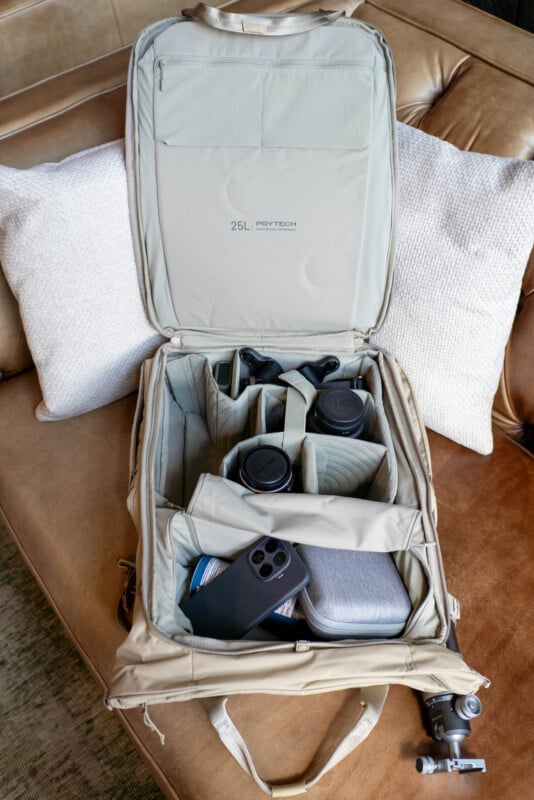
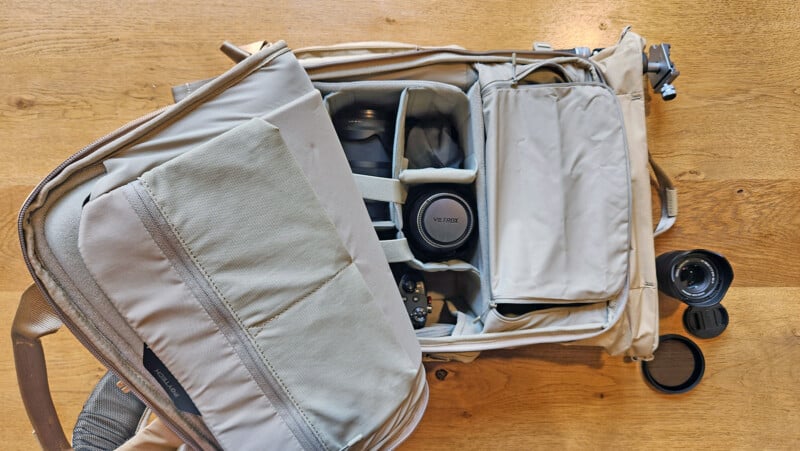
Inside, a fully removable organizer insert with adjustable DIY dividers allows full customization for camera bodies, lenses, drones, and accessories. When removed, the bag opens to reveal a clean, open compartment suitable for everyday carry, travel essentials, or work gear.
This dual-use approach makes it especially useful for photographers who do not want to switch bags between shooting days and regular use. It transitions easily between airport travel, location work, and daily commuting.
Build Quality and Everyday Comfort
Comfort plays a major role in any camera backpack, especially for photographers who spend long days walking between locations.
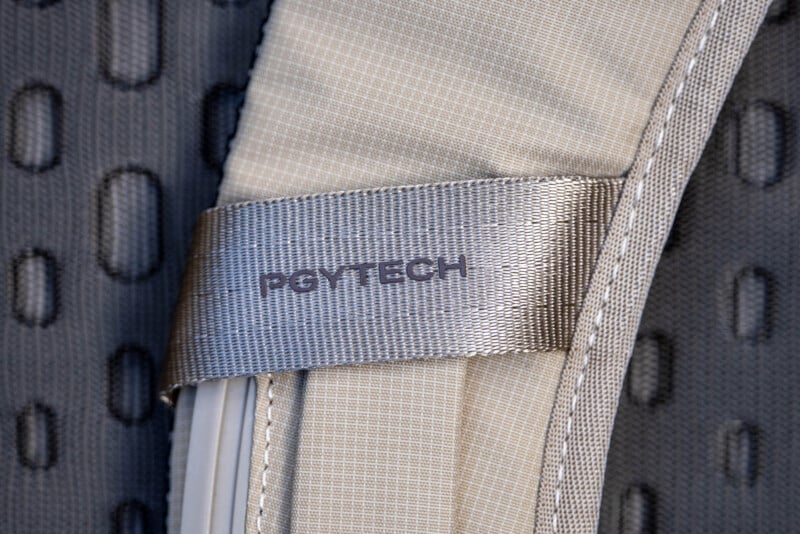
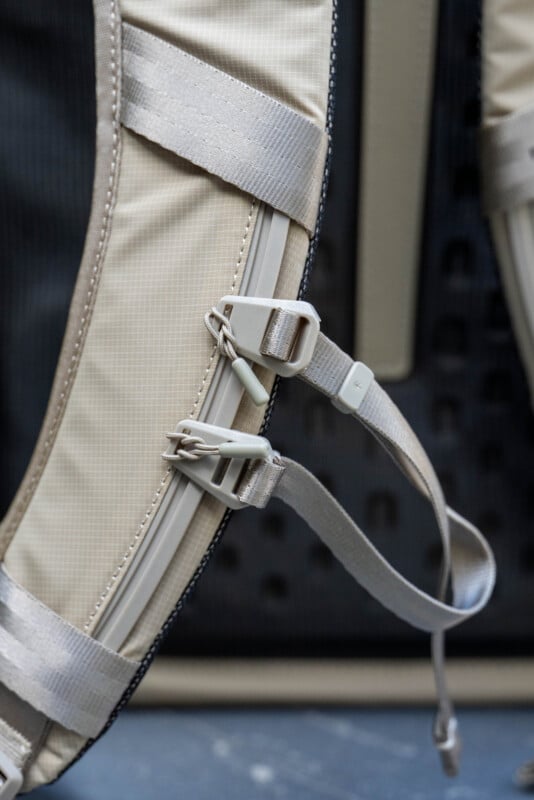
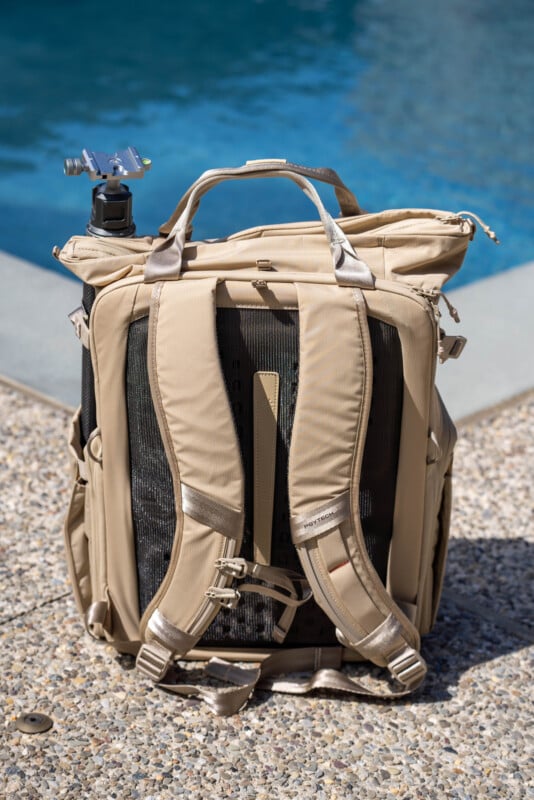
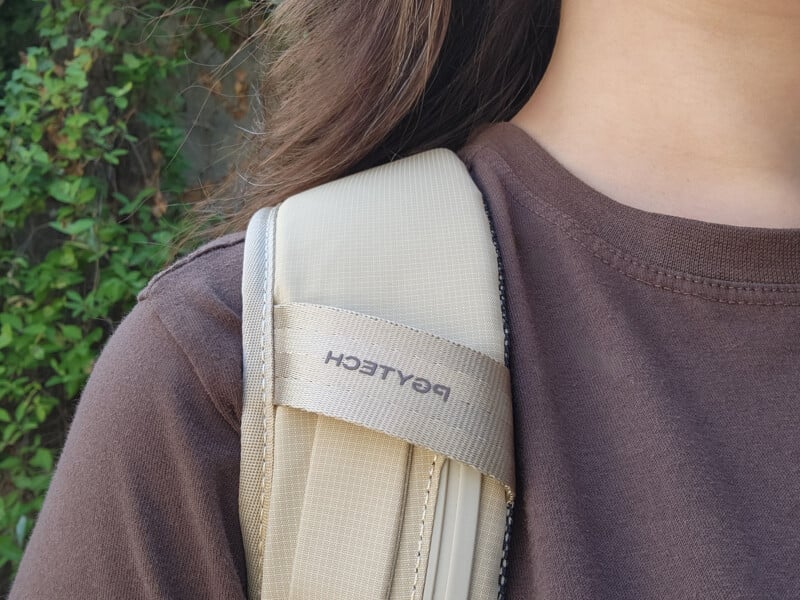
The OneGo Roamer uses PGYTECH’s AirFoam back system, designed to follow the natural curve of the spine while improving airflow through a 3D mesh panel. Combined with padded shoulder straps and a quick-release chest strap, the system distributes weight evenly and is rated to carry up to 22 pounds (10 kilograms) of gear.
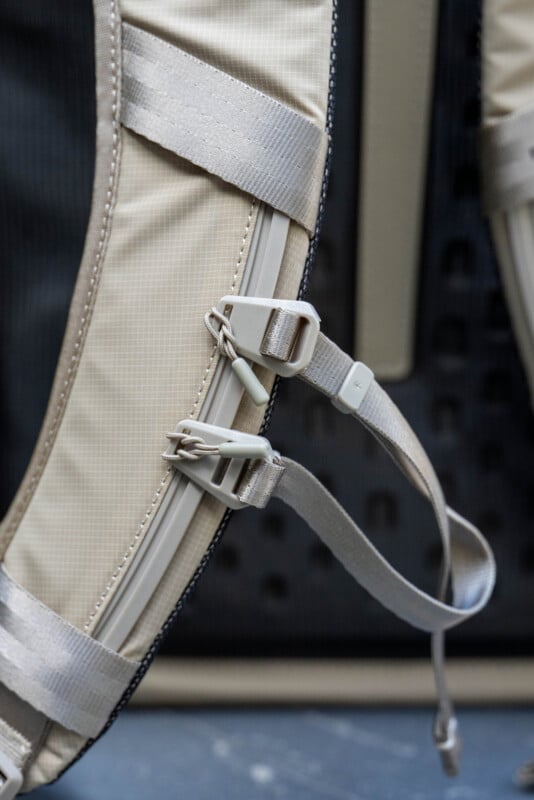
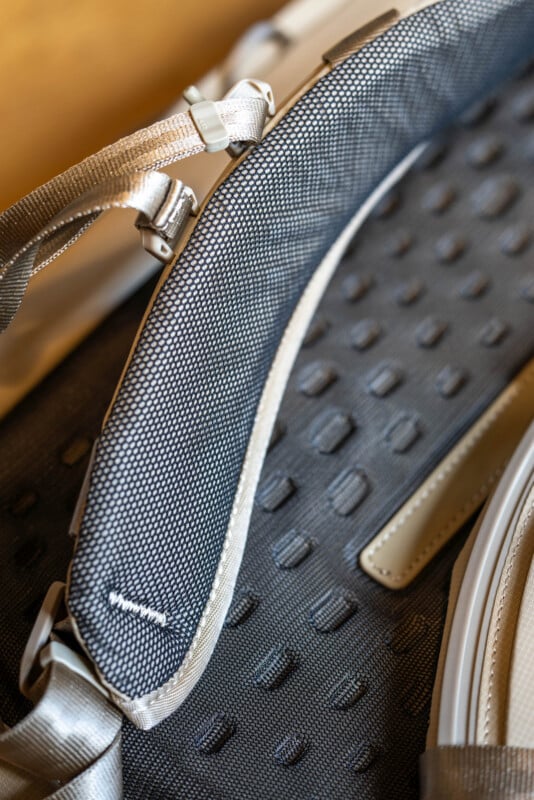
In real use, this makes a noticeable difference on long shooting days, when heavier setups can quickly become tiring. The breathable design also helps reduce heat buildup during travel or outdoor sessions.
Despite its structure, the bag remains relatively lightweight, with the 18L version weighing 2.5 pounds (1.1 kilograms) and the 25L version weighing 3.3 pounds (1.5 kilograms), excluding internal dividers and straps.
Fast Access and 180 Degree Lay-Flat Design
One of the strongest functional aspects of the OneGo Roamer is how quickly it allows access to gear.
The bag opens fully in a 180-degree lay-flat design, making it easy to see and organize all equipment at once. This makes swapping lenses or reorganizing kits much faster compared to traditional top-loading bags.
In addition to the main opening, there is a side access zipper for quick access to a camera body and a top quick-access pocket for smaller essentials such as a phone, wallet, or filters.
For photographers working in fast-paced environments like street photography, travel, or events, this combination of access points helps reduce downtime between shots.
Storage, Organization, and Real-World Capacity
The 18L and 25L versions of the OneGo Roamer are clearly aimed at different types of photographers, and the difference between them becomes more noticeable once you start building out a real shooting kit rather than just looking at listed specs.
What stands out across both versions is how intentionally the internal space is designed. Instead of forcing a fixed layout, PGYTECH leans into a modular approach that lets you shape the interior to your workflow. That flexibility matters more in practice than raw capacity numbers, especially when you are switching between photography, travel, and hybrid creator setups.
18L Version
The 18L version is best suited for lighter, more mobile kits where speed and portability matter more than maximum gear loadout. In practical terms, it is the kind of bag you would bring for a full day of shooting in a city or a travel-focused trip where you want to stay lightweight.
According to PGYTECH, it can comfortably handle up to two camera bodies and around three lenses, depending on size, along with smaller accessories like batteries, filters, and a compact charger setup. It also has enough structure to accommodate a DJI Mavic-style drone kit, making it appealing to hybrid creators who combine stills, video, and aerial work in a single setup.
There is also support for a 15-inch MacBook Air, which makes it useful as a daily work bag for editing on the go or backing up files between locations. The overall feel of the 18L version is compact and efficient, with enough space to stay flexible without encouraging overpacking.
25L Version
The 25L version, which we tested, shifts the focus toward longer shooting days, travel assignments, and situations where your gear needs to handle more scenarios in a single bag. It is not just a larger version of the same concept, but a more expanded system designed to handle heavier and more varied kits.
It fits up to a 16-inch MacBook Pro along with two camera bodies and up to four lenses, depending on configuration. This makes it more suitable for photographers who regularly work with multiple focal lengths or need to switch between photo and video setups without repacking.
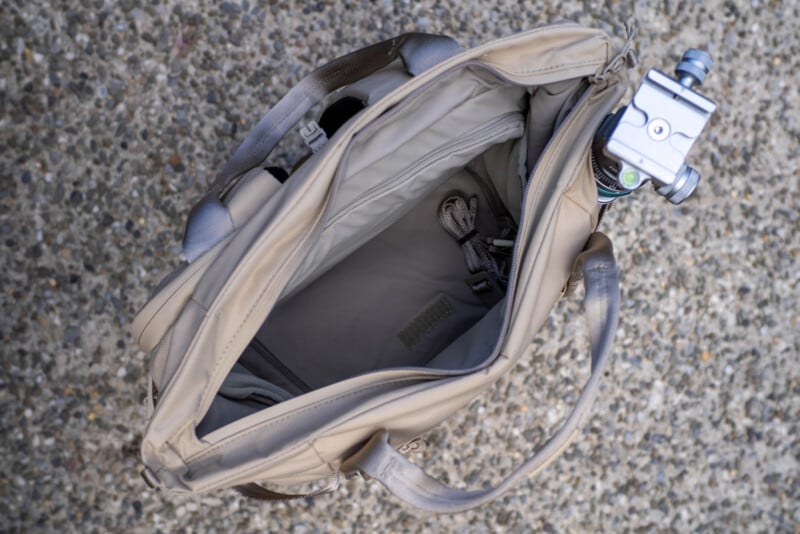
The additional space also makes a meaningful difference for travel. There is room for clothing, spare batteries, charging gear, and small personal items, which turns the bag into a more complete carry-on solution rather than just a dedicated camera pack. For creators working on multi-day trips or location-based assignments, this added flexibility becomes one of its strongest advantages.
Like the 18L version, it also supports DJI Mavic-style drone kits, but with more breathing room for accessories and expansion. This makes it easier to organize gear in a way that keeps frequently used items accessible without unpacking the entire bag.
Shared Design Approach
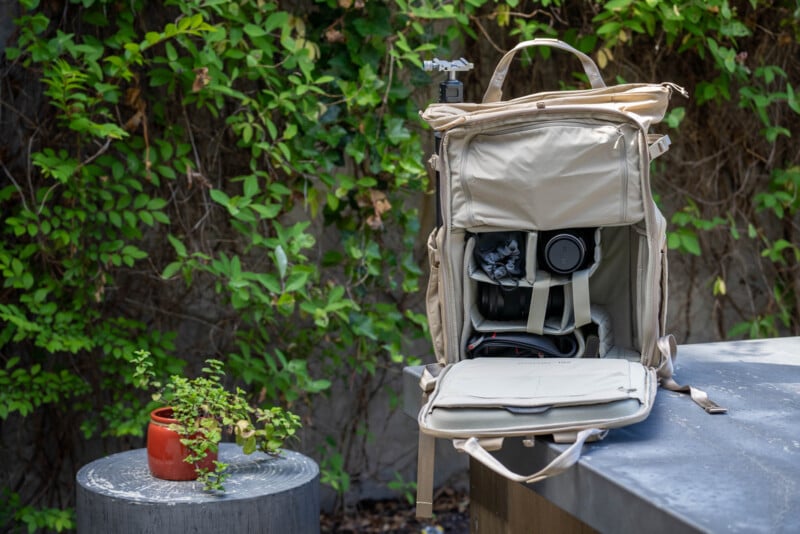
Both versions use a fully modular internal divider system that can be reconfigured depending on the type of shoot. This allows photographers to prioritize either speed of access or maximum protection depending on their workflow.
In real-world use, this modularity is what defines the experience more than any single specification. Whether you are building a compact travel kit or a full hybrid photography and video setup, the OneGo Roamer adapts to how you shoot rather than forcing you into a fixed layout.
Security, Materials, and Small Details That Matter
Beyond structure and storage, PGYTECH has included several thoughtful details that improve real-world usability.
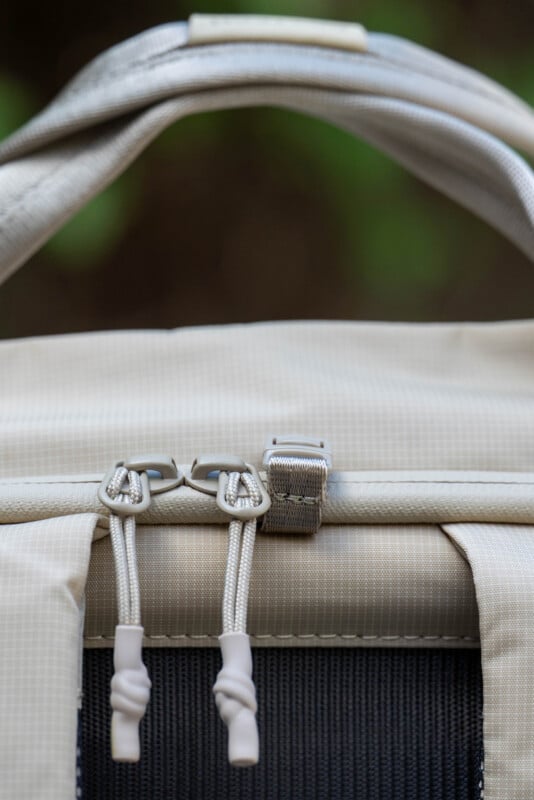
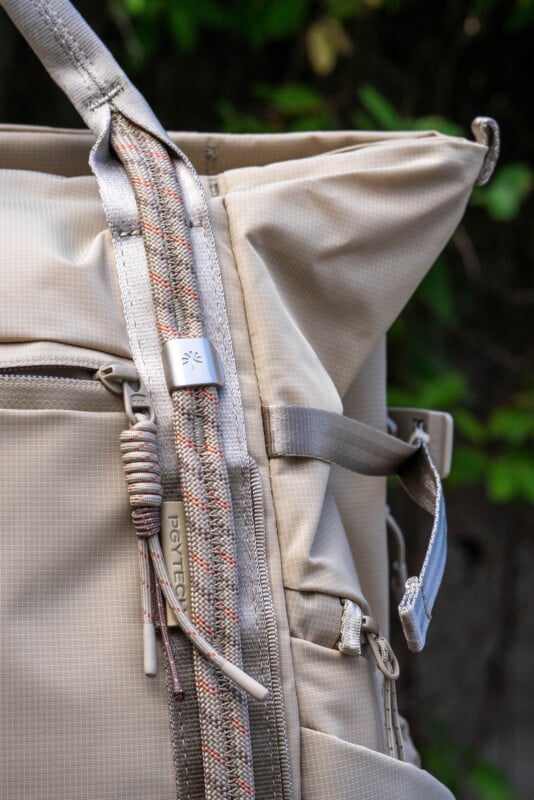
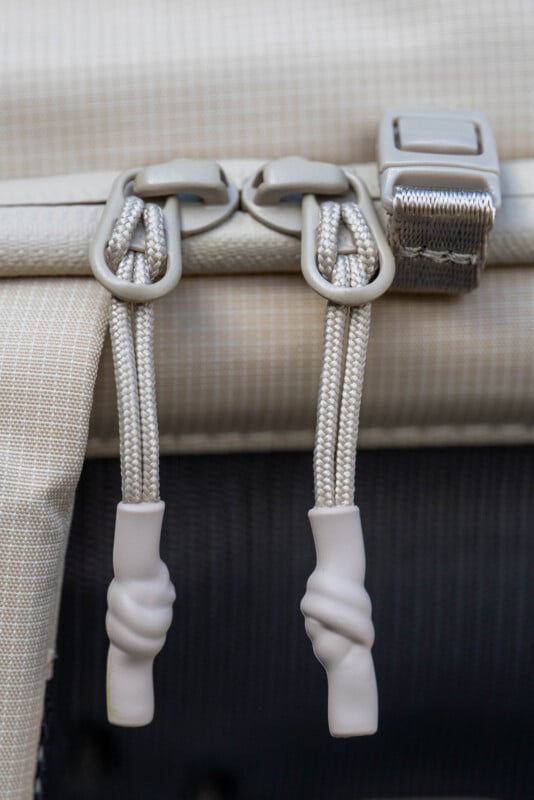
The bag uses coated YKK splash-resistant zippers for light weather protection. There is also a hidden AirTag pocket for tracking, along with an anti-theft zipper loop and safety buckles that cover the main compartment opening, providing an additional layer of protection against accidental openings or unwanted access while traveling.
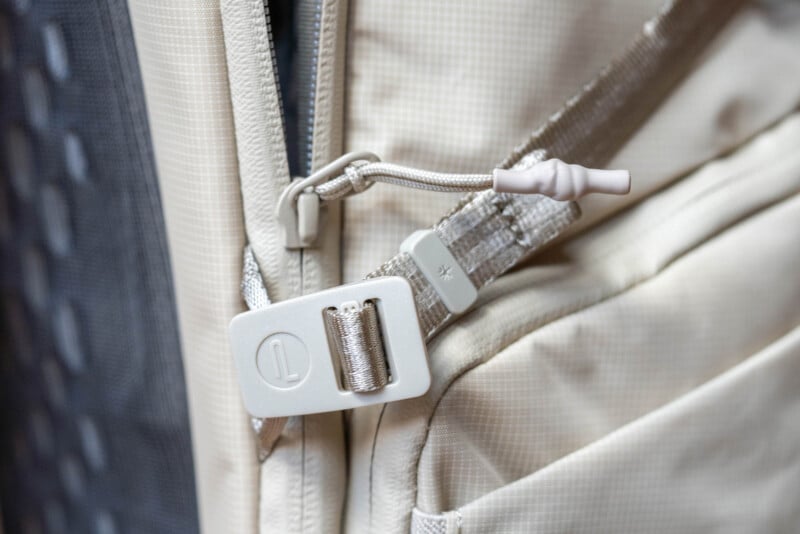
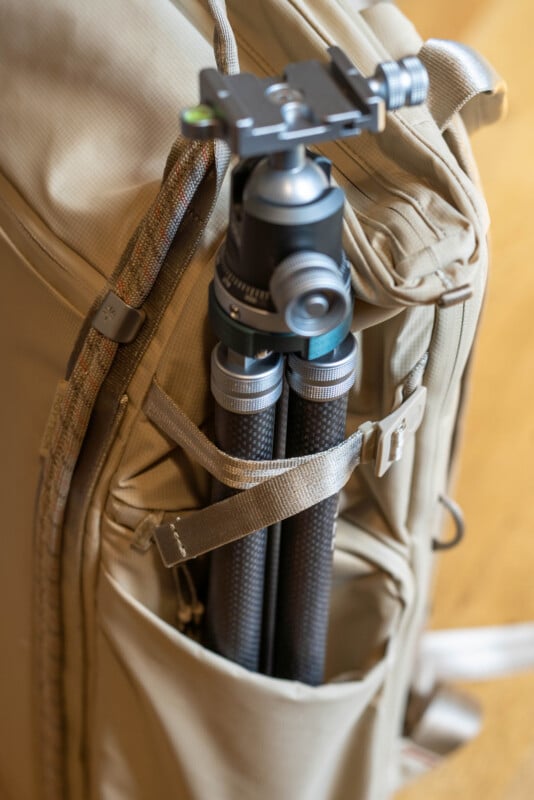
On the exterior, a modular webbing system allows for customization and accessory mounting. Tripods can be attached via side or bottom straps, and gimbals can be secured using included straps.
Small touches like the TagPort system also allow for personalization, giving the bag a more individual feel compared to standard camera backpacks.
Field Test
After several weeks of use, the OneGo Roamer Tote Backpack has become one of the best multipurpose camera backpacks I have tested. The first thing that stood out was its weight. Even before loading camera gear, the bag feels surprisingly lightweight and feature-rich, making it well-suited for travel, day trips, and everyday carry.
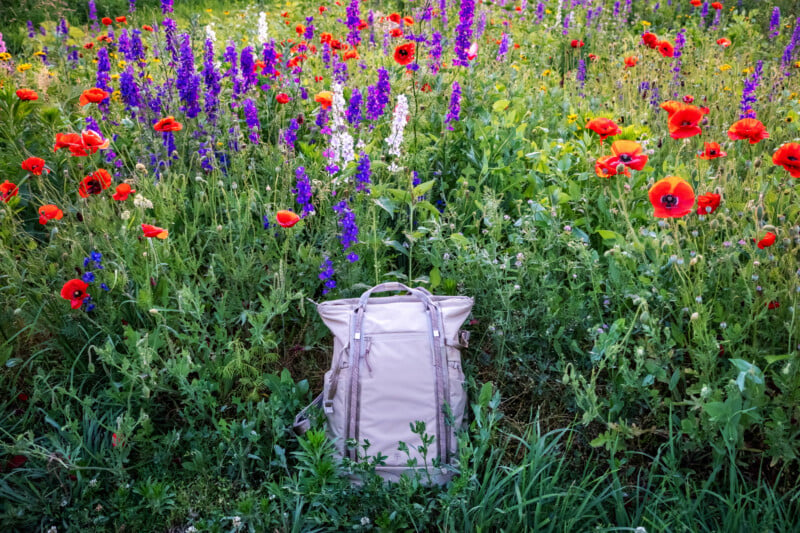
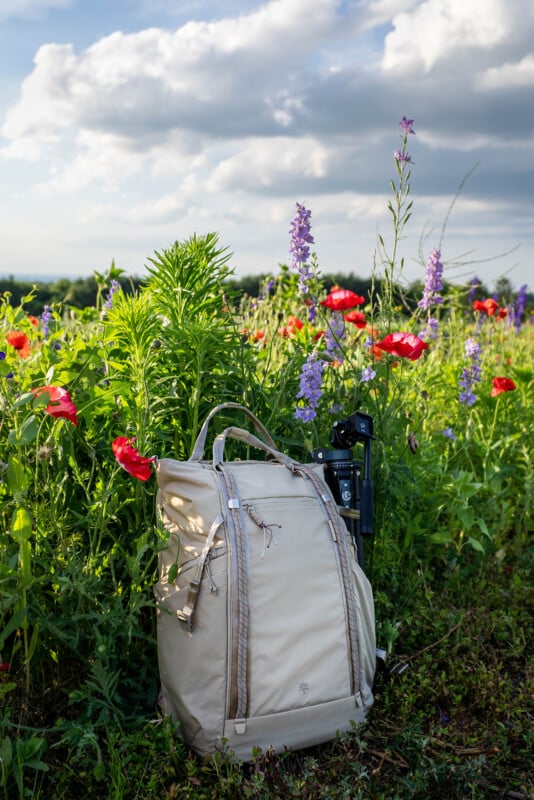
I was also immediately drawn to the styling. While the bag clearly blends elements of a long-handled tote and a traditional camera backpack, it does not scream “camera bag” in the way many dedicated photography packs do. That understated appearance is something I appreciate, as it helps the bag blend into everyday environments rather than advertising that it may be carrying thousands of dollars worth of camera equipment. The Sand Khaki colorway that I tested further reinforces that low-profile aesthetic, combining earth tones with terracotta and gray accents that look equally at home in an office, on a hiking trail, or at the beach.
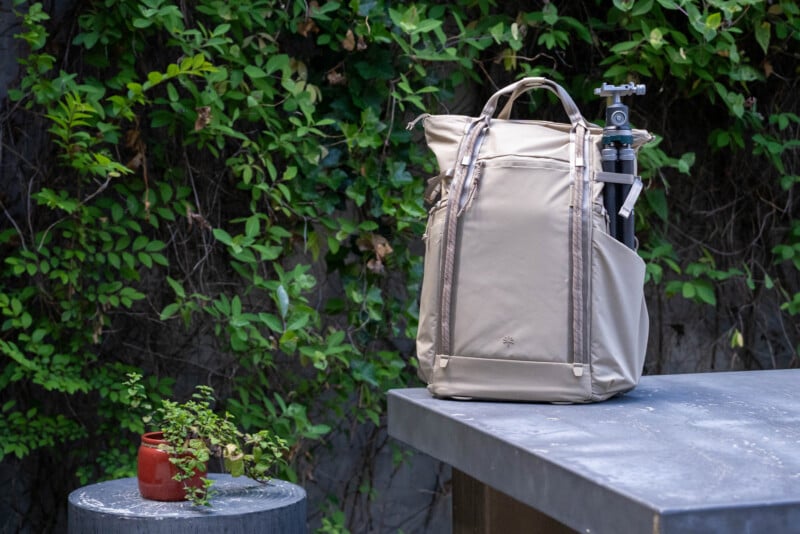
The pocket layout is one of the strongest aspects of the design. The rear-opening compartment provides full access to the interior, making it easy to pack, reorganize, or prepare gear before a shoot. Beyond camera storage, there is room for a laptop, water bottles, and larger personal items. I frequently used the upper compartment for a rolled-up hoodie, lightweight rain jacket, lunch, and even oversized filter cases that never seem to fit comfortably inside traditional camera bags.
One of my favorite features is the battery storage section integrated into the camera access compartment. Not only does it keep batteries organized, but the individual slots also include flip indicators that let you mark depleted batteries. It is a small detail, but one that demonstrates how much thought went into the design. Throughout the bag, there are similar touches that suggest photographers were involved in its development.
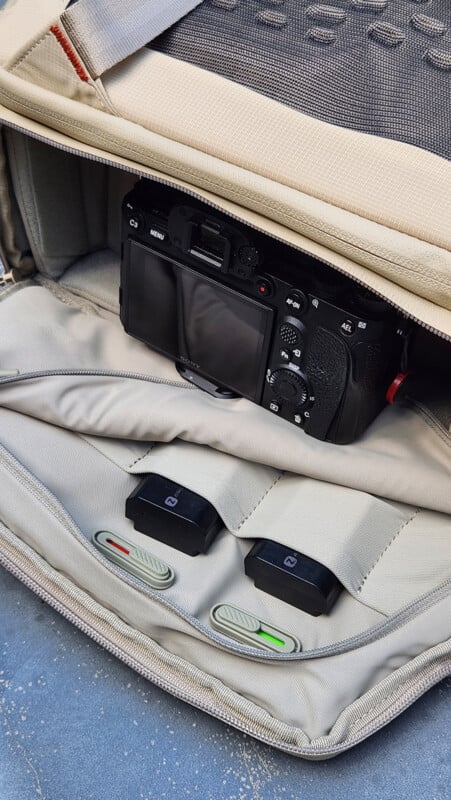
Setup is straightforward despite the bag arriving with all dividers packed flat. PGYTECH includes a helpful configuration guide attached to the bag that illustrates different layouts for camera gear, drones, and other equipment. I ultimately configured mine as an everyday carry setup rather than a dedicated wildlife kit, which I think is where the bag shines. While it can accommodate substantial gear, this is not necessarily the backpack I would choose for transporting large 500 or 600mm telephoto lenses. Instead, it excels as a daily companion for photographers who carry a mix of camera, several lenses, accessories, and personal items.
During testing, I used the bag on hikes, while photographing wildflowers, during pool days, and on general outings. It easily accommodated a camera body, multiple lenses ranging from primes to standard zooms, a compact folding gimbal, accessories, and still had room to spare. The weather-resistant materials also held up well.
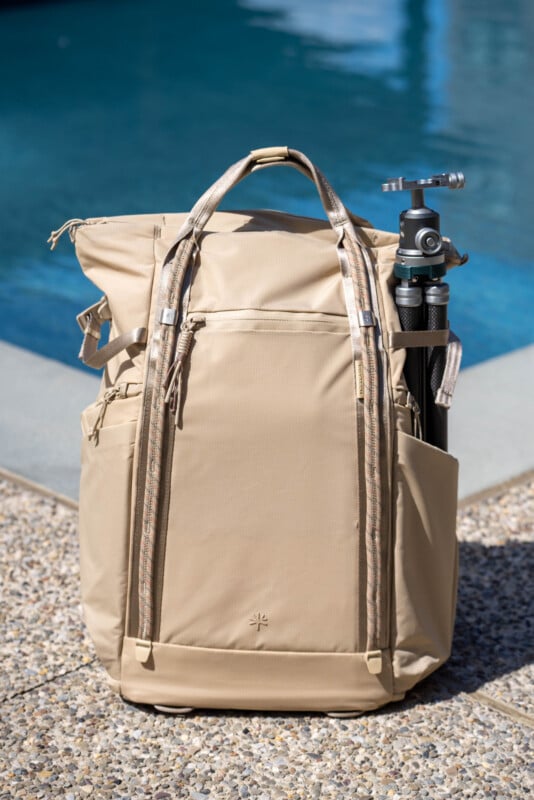
I intentionally selected the light beige colorway to see how it would handle real-world use and potential staining. After exposure to dirt, grass, sand, and wet conditions, the bag showed only minor scuffs and a few marks on the bottom panel. Many of the photos accompanying this review were taken at the end of my testing period, and the bag still looked clean despite all of its adventures.
Combined with its comfortable carry system, thoughtful organization, and versatile design, the OneGo Roamer Tote Backpack has become one of my favorite everyday carry camera backpacks and is likely to remain in my regular rotation.
What Didn’t Work For Me
With so much going for it, there is only one aspect of the OneGo Roamer Tote Backpack I disliked. The mesh material used on the shoulder straps and back panel can be uncomfortable when in direct contact with skin.
I understand the reasoning behind the design. The mesh is intended to improve airflow and reduce heat buildup during long days of carrying gear. When wearing a T-shirt, hiking shirt, or other typical outdoor clothing, I found the bag comfortable and had no complaints.
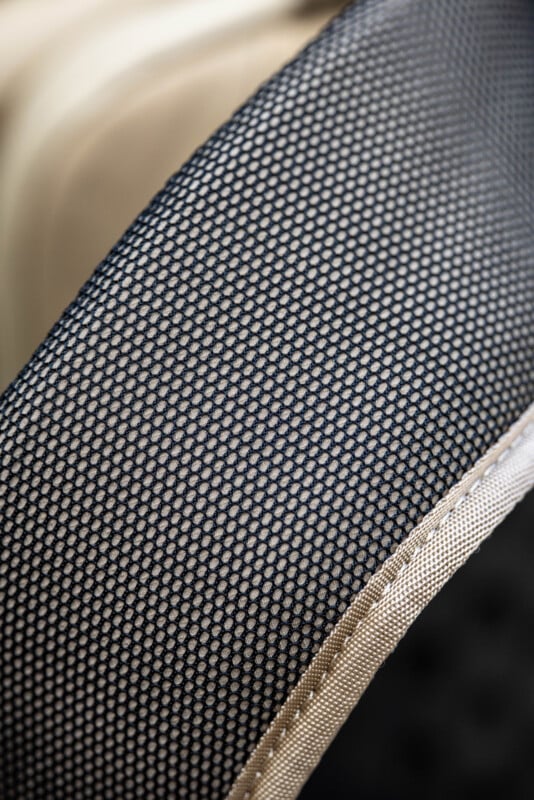
However, the experience changed whenever the straps came into direct contact with skin. While using the backpack with a tank top or spending time at the beach or pool, I found the mesh noticeably rough against my shoulders. As the straps moved during walking, the material felt scratchy and abrasive, especially compared to the softer fabrics used on some competing backpacks.
For many photographers, this may never be an issue, particularly if they typically wear shirts with sleeves or use the bag in cooler conditions. But for those who frequently shoot in hot weather, at the beach, or in situations where bare skin contacts the shoulder straps, it is something worth considering.
Fortunately, this complaint is limited to a very specific use case. Aside from that issue, the OneGo Roamer checks nearly every box I look for in an everyday camera backpack.
18L vs 25L: Which One Should You Choose?
Choosing between the two sizes depends largely on shooting style.
The 18L model is ideal for photographers who travel light, shoot minimal kits, or want a compact everyday bag that does not feel oversized. It works well for city shooting, short trips, and lightweight setups.
The 25L version is better suited for photographers who carry multiple lenses, a second camera body, or drone gear. It also works better for travel situations where the camera bag doubles as a carry-on for longer trips.
An Excellent Everyday Carry for Photographers Who Want to Carry More Than Cameras
The OneGo Roamer Tote Backpack is best suited for photographers who want a camera bag that integrates seamlessly into their daily routine.
Throughout my testing, the bag proved equally comfortable carrying camera equipment, travel essentials, work gear, and personal items. The combination of thoughtful organization, flexible storage, discreet styling, and weather-resistant materials made it easy to use whether I was heading to a photo assignment, spending a day at the pool, or simply carrying lunch and camera on a nice day out. With its customizable dual interior sections, I also appreciated that it never felt like I had to choose between bringing camera gear and bringing everything else that I needed for the day.
Photographers looking for a dedicated wildlife or sports backpack designed around multiple large telephoto lenses will likely find better options elsewhere. However, for creators who carry a camera as part of their everyday life and want a bag that feels equally at home commuting, traveling, or exploring outdoors, the OneGo Roamer strikes an impressive balance between camera protection and everyday practicality.
Welcome to a PetaPixel Showcase, in which our staff gives you a hands-on with unique and interesting products from across the photography landscape. The Showcase format affords manufacturers the opportunity to sponsor hands-on time with their products and our staff, and it lets them highlight what features they think are worth noting, but the opinions expressed by PetaPixel staff are genuine.
Image credits: Photographs by Kate Garibaldi
What's Your Reaction?
 Like
0
Like
0
 Dislike
0
Dislike
0
 Love
0
Love
0
 Funny
0
Funny
0
 Wow
0
Wow
0
 Sad
0
Sad
0
 Angry
0
Angry
0








Comments (0)