

This subtle Pixel 11 Pro feature reminds me of the golden days of Android phones

Follow ZDNET: Add us as a preferred source on Google.
ZDNET's key takeaways
- Pixel 11 Pro models have a pulsing light indicator on the camera bump.
- HiLight pulses in response to incoming calls and Gemini interactions.
- Expanded functionality may be coming, but don't expect it at launch.
I remember when life was much simpler, when I could just plop my phone down and know exactly when and how to respond to it depending on the color of its teensy-weensy LED indicator.
Back in college, flashes of green meant someone on Facebook -- likely my studymates -- had sent a message to grab lunch or meet in the library. Blue meant that I had missed calls. And yellow meant that those same study mates were sending me Snapchats instead of studying.
Also: The simple phone habit change that saves your screen time (and your sanity)
Then, the power efficiency of OLED panels paved the way for always-on displays, and the need for more context on our screens meant that the LED indicators of the 2010s became insufficient -- and eventually extinct. (It didn't help that every phone manufacturer wanted to design their devices like supermodels: thin and stylish, leaving no room in the chassis for extra parts.)
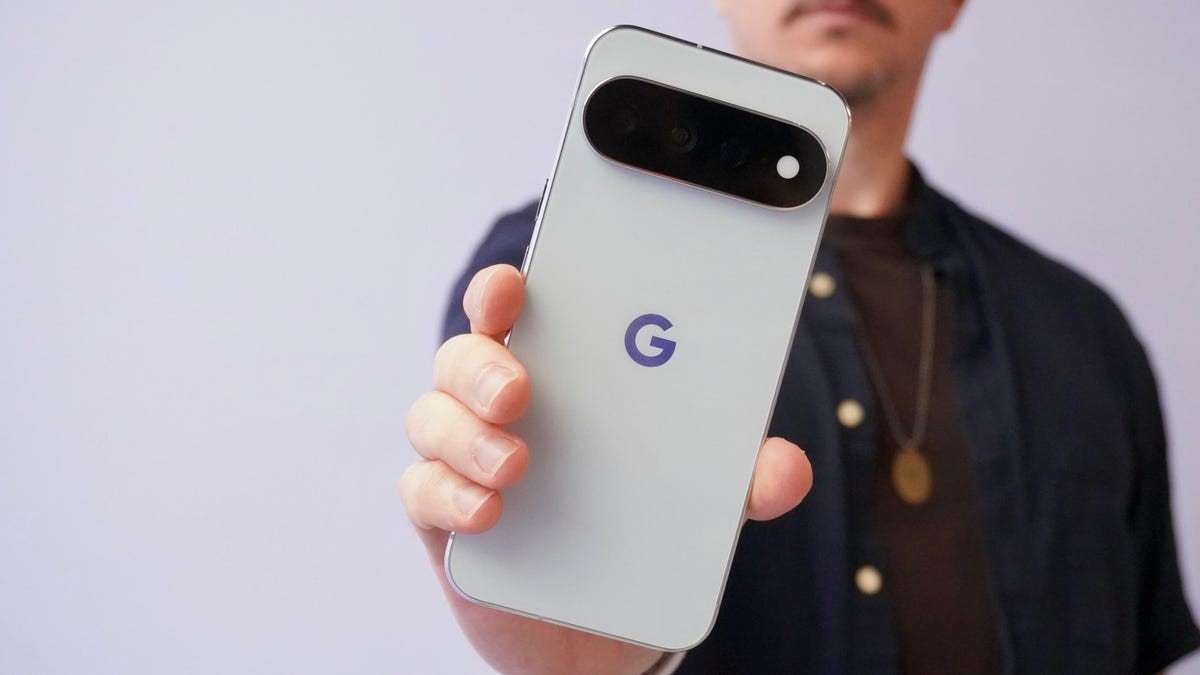
For a moment, I thought that I'd never feel the nostalgic minimalism of yesteryear, but the Google Pixel 11 Pro series has changed my mind. With the newest models, Google is introducing HiLight, a pulsing indicator that replaces the temperature sensor in the camera bump -- and it's very promising.
How it works
Like the notification LEDs on older Android phones, HiLight signals to the user when an alert is incoming. For now, the feature is limited to phone calls and Gemini interactions, meaning it'll display an aura of color when someone is calling you, or when Gemini is listening, thinking, and responding. That's it.
From our early observations, the LED indicator isn't particularly bright or easy to spot across the Pixel 11 Pro phones (the base Pixel 11 does not feature HiLight). Instead, it's more of a subtle beacon that you'll have to train (or retrain) yourself to peek at and understand.
Also: I was glued to my phone all day - these 7 tricks helped me break the habit
The feature also works hand in hand with the Pixel's "Flip-to-shhh" gesture, as they're both intended to promote digital well-being. Google told ZDNET that the wave of colors in HiLight was designed with accessibility in mind, so that even users with color blindness can discern it.
The elephant in the room
The big question mark with a feature like HiLight is what more it will be able to do. Google hasn't had the best track record of maintaining products over the past decades; in this case, it replaced the temperature sensor that some users dearly loved, so I'm not holding my breath for HiLight to become anything significantly greater.
However, some more surface-level integrations, such as messages, general notifications, and even calendar events, make so much sense. And it would truly mark the return of the old-school notification LED.
Also: The new Pixel 11 isn't enough to make me give up my Pixel 9 Pro - here's why
Google says it's working on integrations with the Messages app -- which I'm guessing will be centered on favorited group chats and contacts -- but the company hasn't confirmed any other future plans, such as opening up to third-party apps and services.
That's something we've seen before with Nothing's Glyph interface, but the design of the UK brand is much more polarizing. Given the Pixel's popularity, Google should have a greater chance of developer adoption. Hopefully, it doesn't keep those interested waiting too long.
What's Your Reaction?
 Like
0
Like
0
 Dislike
0
Dislike
0
 Love
0
Love
0
 Funny
0
Funny
0
 Wow
0
Wow
0
 Sad
0
Sad
0
 Angry
0
Angry
0







Comments (0)