

Virginia county with 250 data centers begins to rein in building — Loudoun’s more than 250 data centers made it one of the richest counties in the US, but residents are pushing back
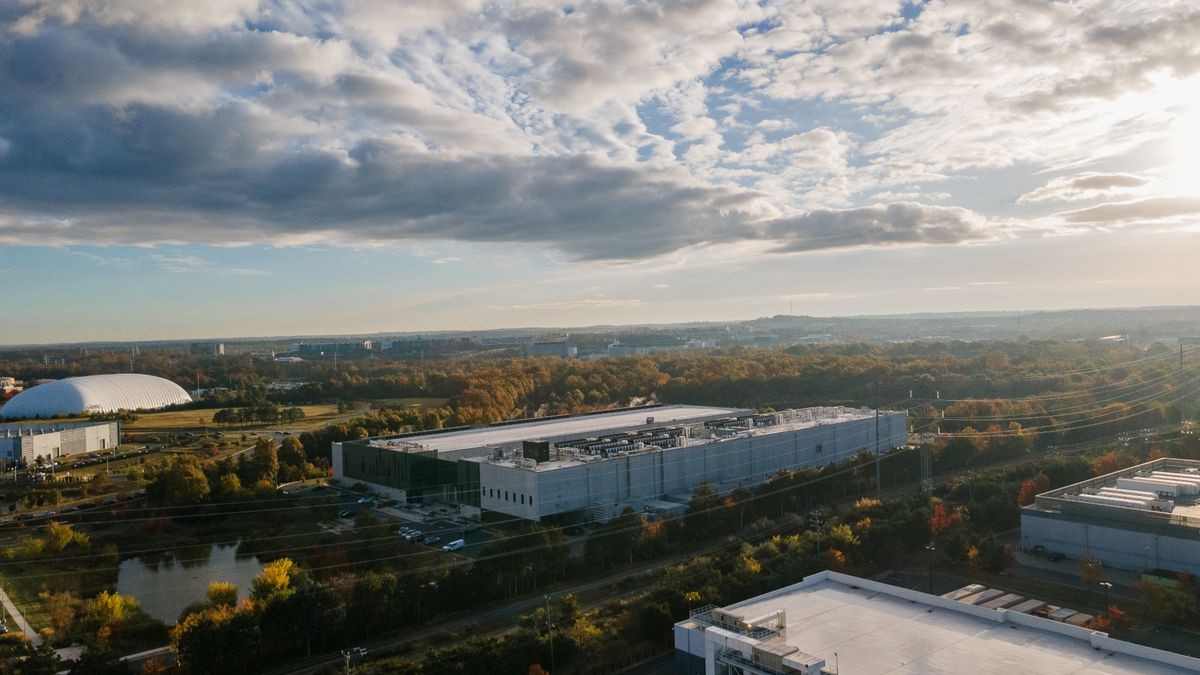
Loudon County, Virginia, located just 22 miles west of Washington, D.C., has the greatest concentration of data centers in the United States. According to The New York Times, after years of booming data center construction that has brought lots of benefits to the local region, the county is beginning to rein in data center construction in response to local residents' complaints.
It all started when a federal government demand led to the installation of fiber internet lines in the area, owing to its proximity to Washington, D.C. This grew even more during the dot-com craze of the late ‘90s, when many companies built a ton of fiber connections in the region. This made it ideal for building early data centers in the area, with AOL moving its headquarters in the region in 1996. By the year 2000, the county voted to categorize data centers as office parks, meaning companies can build these structures with little oversight and approvals.
This incentivized tech giants to build data centers in the area; by 2007, there were already 29 such facilities in Loudoun, with the number growing almost ten-fold nearly 20 years later. Interestingly, it seemed that the negative impacts of these projects in the area were little to none. In fact, the people of Loudoun appreciated them, as they brought in a lot of money for the county. Data centers brought in a $150 million income in 2015, but this number has grown to $1.1 billion in 2025. This cash windfall allowed Loudoun to cut property taxes to just $0.805 per $100 of assessed value — that’s less than 0.8%, making it among the lowest in the United States, especially for a suburban area.
Aside from that, the tax windfall from data centers allowed the county to fund more schools, with two new ones opened in the area, plus another one under construction, build a $102 million recreation center that has multiple pools and hydro massage chairs, plus spend $22 million converting a former presidential estate into a public park. This also allowed the county to expand its fire and emergency services, and ensure that its roads, bridges, and tolls are in excellent shape. Because of this, many residents support data centers in the region; in a July town hall meeting discussing it, some people attended wearing shirts that said: “I Support Data Centers Because I Like: Lower Taxes, Excellent Schools, Better Job Opportunities, and More.”
This is a stark contrast to what the rest of the country is seeing when it comes to data centers. New developments have raised various issues nationwide, from electricity price hikes up to 76% in the biggest power region of the U.S. and excessive water consumption that caused low water pressures for neighboring communities to 24/7 noise pollution that basically made the area unlivable and allegations of air pollution brought about by unpermitted gas turbines needed to power the data center. It’s for these reasons that many people are protesting the development of these projects in their communities, and several counties and states have passed data center moratoriums.
Despite widespread support for data centers in Loudoun, people are starting to push back against more recent developments. Loudoun Board of Supervisors member Juli Briskman, who is among the people in charge of its land, zoning, and economic policies, said, “It’s gone way too far. We’ve become addicted to the data centers for their tax revenues, but at what cost?” Some residents have also started complaining about data center developments in their vicinity. A Vantage data center, which has started operations recently, was the center of a noise complaint because of its diesel and gas turbine generators, while another resident in nearby Ashburn is raising an issue about Dominion Energy planning to put up a 185-foot-tall high-voltage electricity transmission tower in her backyard. There have also been reports that another tech company is buying over 100 homes in a luxury community for $4 million apiece, which is double their current market value.
Because of these issues, Loudoun ended its policy of zoning data centers as office parks, meaning anyone who wants to build a project in the area must now go through an approvals process from the public. This will make it significantly slower to get projects like these off the ground, and there’s also no guarantee of approval. Just last month, Amazon applied to build four more data centers in the region, and some board members have already signaled that they will reject the project.
Get Tom's Hardware's best news and in-depth reviews, straight to your inbox.
When done right, data centers can bring economic prosperity for the community that they are in, which is exactly what Loudoun County was able to achieve. After all, data centers aren’t just about AI — they’re also used to serve the digital economy and keep the internet running, so that online services like Facebook, Instagram, Netflix, Spotify, Google Maps, Uber, and more can operate smoothly at scale. However, the massive processing power demanded by artificial intelligence workloads means that data centers serving its needs use up tons more power and water, which can make living near one untenable for most residents unless the local government takes steps to protect their interests.

Follow Tom's Hardware on Google News, or add us as a preferred source, to get our latest news, analysis, & reviews in your feeds.
Jowi Morales is a tech enthusiast with years of experience working in the industry. He’s been writing with several tech publications since 2021, where he’s been interested in tech hardware and consumer electronics.
What's Your Reaction?
 Like
0
Like
0
 Dislike
0
Dislike
0
 Love
0
Love
0
 Funny
0
Funny
0
 Wow
0
Wow
0
 Sad
0
Sad
0
 Angry
0
Angry
0











Comments (0)