

What the Upcoming Copyright Office Fee Increase Means for Photographers
The U.S. Copyright Office has officially started the clock on a significant fee change that will impact how photographers protect their work. On July 14, 2026, the office submitted its final proposed fee schedule to Congress. This triggers a statutory 120-day review period, meaning that unless Congress intervenes, a new set of higher fees will automatically go into effect in mid-November 2026. For working pros and serious enthusiasts who regularly register their images, this policy update shifts the baseline economics of their practices.
The Cost of the New Fee Structure
The most direct change for photographers is the price of the standard group registration for photographs, which covers up to 750 images per application. The fee is set to climb from $55 to $85. This represents a roughly 55% increase, a jump that significantly outpaces general economic inflation. By comparison, the Consumer Price Index rose by about 23% since the Copyright Office last adjusted these specific fees in 2020.
For high-volume operations or specialized studios, the adjustment is even steeper. The fee to register a photographic database and its subsequent updates is skyrocketing from $250 to $700.
According to the official fee study data published by the Copyright Office, the increases stem from rising internal processing costs. The office revealed that the actual administrative cost to process a group registration is $105.52 for published photos and $150.77 for unpublished photos. In their documentation, the office framed the $85 rate as a compromise designed to recover a greater portion of operating expenses while attempting to keep the system accessible to individual creators.
While recent discussions in the industry hinted at the potential for a subscription-based registration model, the official timeline clarifies that this is not an imminent alternative. The Copyright Office noted that a subscription option remains a distant, exploratory concept tied to a multi-year IT modernization project. It is a point for future discussion rather than a directive or a clear direction for the current rollout.
The Practical Impact for Your Images
Beyond pure dollar amounts, the fee hike introduces a quiet friction. When the administrative cost of legal protection for your work rises, it can subtly alter how an archive is managed. Copyright registration might shift from a routine, automatic line item into a deliberate cost-benefit analysis. Higher registration fees force photographers to reconsider their archives. Instead of registering everything, they may be forced to choose which images to protect based on immediate profit potential rather than long-term worth.
With the mid-November 2026 deadline approaching, you have a limited time to register your photos at the current, lower rates. Here is how to finalize your filings before the fees increase.
First, look through the catalog from the first half of the year and organize images into distinct batches, keeping in mind the 750-image limit per application. If you have unregistered photos from previous years, you might want to consider reviewing them too. Second, ensure that published and unpublished works are strictly separated into different filings, as combining them can invalidate a group claim. Processing these batches over the next few weeks allows you to secure the current $55 rate before the adjustment takes effect.
Looking Ahead
Ultimately, these changes represent the evolving administrative realities of running a photography practice. The window to act under the existing fee structure closes in mid-November 2026, making the upcoming autumn a critical timeline for updating your copyright records.
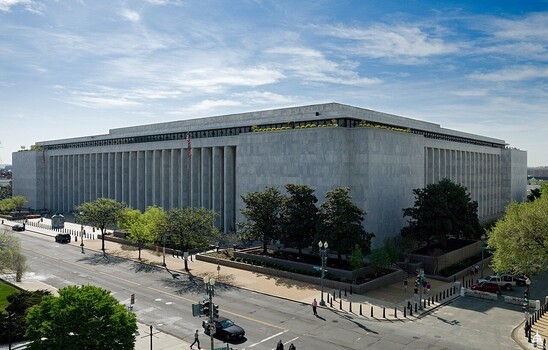
Lead image: USCapitol, Public domain, via Wikimedia Commons.
What's Your Reaction?
 Like
0
Like
0
 Dislike
0
Dislike
0
 Love
0
Love
0
 Funny
0
Funny
0
 Wow
0
Wow
0
 Sad
0
Sad
0
 Angry
0
Angry
0










Comments (0)