

11 TV Shows We Thought Would Be The Next Star Trek
Star Trek is a seminal classic, but its lasting impact on science fiction cannot be overstated. Airing from 1966 to 1969, Star Trek: The Original Series followed a group of futuristic explorers aboard the USS Enterprise starship. From Stark Trek's heroic Captain Kirk (William Shatner) to the pragmatic half-Vulcan Spock (Leonard Nimoy), the action-adventure's ensemble cast created groundbreaking new archetypes.
Stardate 47988.1 · Crew Assessment
The Final Frontier
Trivia Challenge
🚀ShipsEnterprise!
⭐CrewMake it so
☠EnemiesResistance is…
⚡TechWarp speed!
📖LoreLive long…
ENGAGE →
01
The USS Enterprise is the most iconic starship in science fiction. What is the registry number of Captain Kirk’s original Enterprise from The Original Series?
ANCC-1701-D BNX-01 CNCC-1701 DNCC-74656
✓ Correct! NCC-1701 is the registry of Kirk’s original Constitution-class Enterprise. The “-D” suffix belongs to Picard’s Galaxy-class ship, NX-01 is Archer’s Enterprise, and NCC-74656 is Voyager.
✗ Red alert! The answer is NCC-1701. Kirk’s original Constitution-class Enterprise carried this now-legendary registry. NCC-1701-D is Picard’s Enterprise from TNG, NX-01 is Captain Archer’s, and NCC-74656 belongs to Voyager.
NEXT →
02
Kirk’s most trusted officer is a half-human, half-Vulcan science officer famous for his logic and iconic salute. Who is this legendary character?
AData BSpock CTuvok DSarek
✓ Correct! Mr. Spock, played by Leonard Nimoy, is the half-Vulcan science officer whose “Live long and prosper” salute became a cultural icon. His struggle between logic and emotion defines the heart of the Original Series.
✗ Red alert! The answer is Spock. Data is an android from TNG, Tuvok is Voyager’s Vulcan tactical officer, and Sarek is Spock’s Vulcan father. Only Spock is the half-human, half-Vulcan first officer of Kirk’s Enterprise.
NEXT →
03
Starfleet’s most important regulation forbids interference with the natural development of alien civilizations. What is this guiding principle called?
AThe Temporal Accord BGeneral Order One CThe Omega Directive DThe Prime Directive
✓ Correct! The Prime Directive (also known as General Order 1) is Starfleet’s most sacred law. It prohibits interfering with less-developed civilizations — though Kirk, Picard, and Janeway have all famously bent or broken it when lives were at stake.
✗ Red alert! The answer is the Prime Directive. While “General Order One” is technically another name for it, the Prime Directive is the universally known term. The Omega Directive and Temporal Accord are separate, more specialized Starfleet protocols.
NEXT →
04
“Resistance is futile.” This chilling declaration belongs to a cybernetic collective that assimilates entire civilizations into its hive mind. What is this fearsome species called?
AThe Borg BThe Dominion CThe Romulans DSpecies 8472
✓ Correct! The Borg are Star Trek’s most terrifying villains — a hive-mind collective that forcibly assimilates species and technology. Captain Picard was famously assimilated and transformed into Locutus in the landmark TNG episode “The Best of Both Worlds.”
✗ Red alert! The answer is the Borg. The Dominion is the Gamma Quadrant empire from DS9, the Romulans are a rival empire, and Species 8472 is actually one of the few species that the Borg themselves fear. Only the Borg declare “Resistance is futile.”
NEXT →
05
Captain Jean-Luc Picard commands the Enterprise-D in The Next Generation and later received his own series, Star Trek: Picard. Which acclaimed actor portrays him?
AWilliam Shatner BAvery Brooks CPatrick Stewart DScott Bakula
✓ Correct! Sir Patrick Stewart brought gravitas, Shakespeare, and Earl Grey tea to the captain’s chair for seven seasons of TNG, four films, and three seasons of Star Trek: Picard. His “Make it so” is one of TV’s most iconic catchphrases.
✗ Red alert! The answer is Patrick Stewart. William Shatner plays Captain Kirk, Avery Brooks is Captain Sisko on Deep Space Nine, and Scott Bakula captains the NX-01 Enterprise. Only Sir Patrick Stewart portrays the legendary Jean-Luc Picard.
NEXT →
06
Starfleet vessels travel faster than light by bending space around them using a matter-antimatter reaction. What is this propulsion system called?
ATranswarp Drive BWarp Drive CSlipstream Drive DSpore Drive
✓ Correct! Warp Drive is the standard faster-than-light propulsion in Star Trek, powered by dilithium-regulated matter-antimatter reactions. Zefram Cochrane invented it in 2063, which led to humanity’s first contact with the Vulcans.
✗ Red alert! The answer is Warp Drive. Transwarp is an advanced Borg technology, Slipstream is an experimental quantum drive, and the Spore Drive uses mycelial network navigation (from Discovery). Standard Starfleet vessels use Warp Drive.
NEXT →
07
At Starfleet Academy, cadets face a notorious no-win scenario designed to test their character under impossible circumstances. James Kirk is the only cadet who ever beat it — by cheating. What is this test called?
AThe Prometheus Trial BThe Omega Simulation CThe Corbomite Maneuver DThe Kobayashi Maru
✓ Correct! The Kobayashi Maru is an unwinnable rescue simulation that tests how cadets handle certain death. Kirk reprogrammed it so he could win — earning a commendation for original thinking. It was memorably featured in Star Trek II: The Wrath of Khan.
✗ Red alert! The answer is the Kobayashi Maru. The Corbomite Maneuver is a TOS episode, not an Academy test. The Kobayashi Maru is the famous no-win scenario that Kirk defeated by reprogramming the simulation — because he doesn’t believe in the no-win scenario.
NEXT →
08
In the widely regarded greatest Star Trek film, a genetically enhanced superhuman from Earth’s past seeks revenge against Captain Kirk. “KHAAAAN!” Who is this iconic villain?
AKhan Noonien Singh BGeneral Chang CQ DGul Dukat
✓ Correct! Khan Noonien Singh, played by Ricardo Montalbán, is Star Trek’s greatest villain. First appearing in the TOS episode “Space Seed,” he returned in The Wrath of Khan (1982) for a devastating revenge plot that cost Spock his life.
✗ Red alert! The answer is Khan Noonien Singh. General Chang is a Klingon from Star Trek VI, Q is TNG’s omnipotent trickster, and Gul Dukat is DS9’s Cardassian antagonist. Only Khan inspired Kirk’s legendary scream across the cosmos.
REVEAL MY SCORE →
Mission Complete Your Starfleet Record
/ 8
Are you an Admiral — or still a cadet on deck-scrubbing duty?
↻ RE-ENGAGE
The Expanse
2015–2022
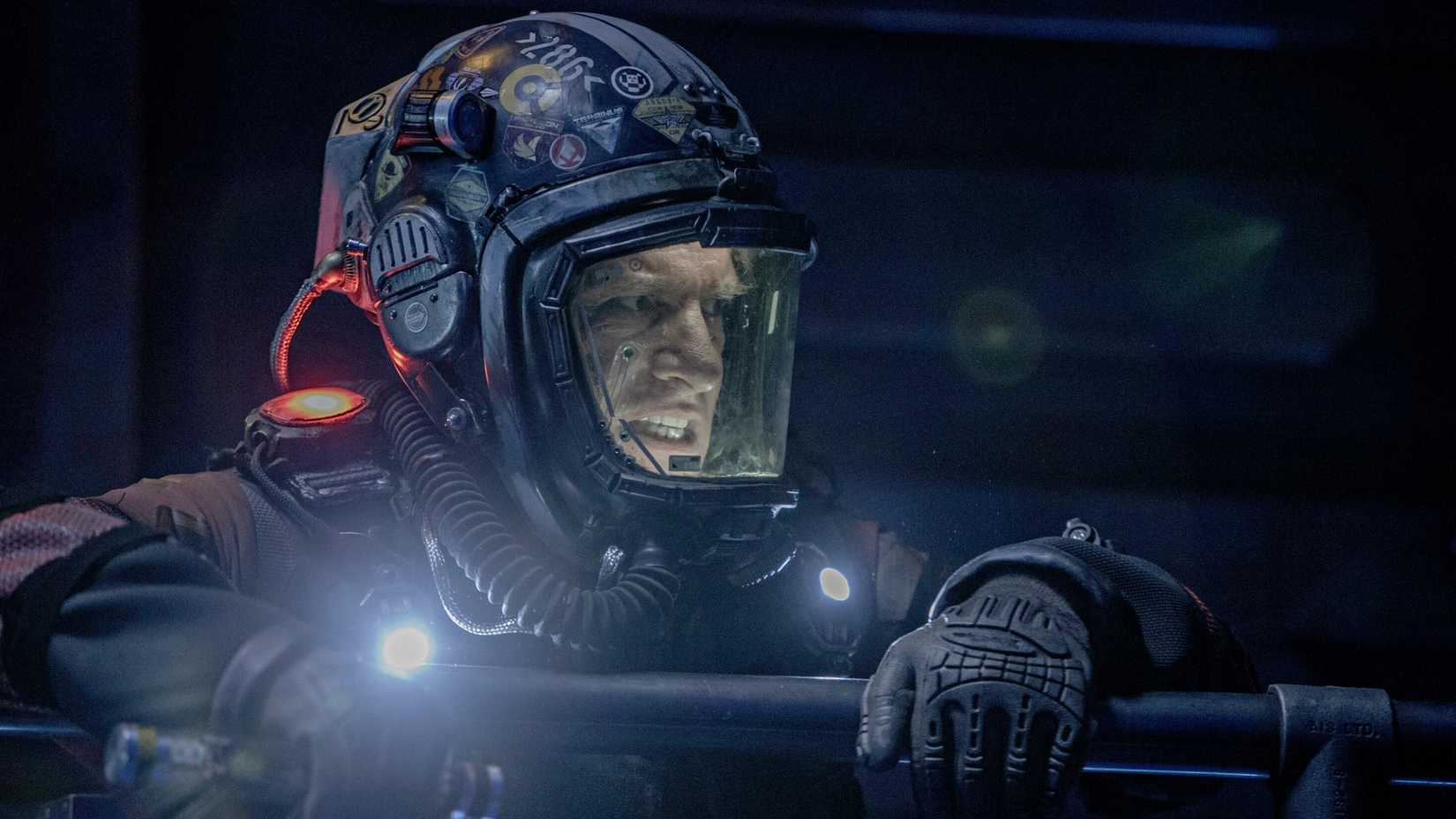
Set in the distant future, The Expanse explores a dystopian world where colonization has spread to the Milky Way itself. With the solar system now under human occupation or military rule, the world has fallen into disarray. When a young heiress goes missing, however, a disenchanted starship captain must team up with a detective to investigate across the planetary wastelands.
While it's one of the best book-to-screen sci-fi adaptations of recent memory, The Expanse initially seemed like a far grittier version of Star Trek. The ubiquitous franchise was renowned for its bold political commentary and expertly-crafted allegories, but the original series never became as jaded as The Expanse. Similarly, Star Trek rarely put such a heavy emphasis on conspiratorial mysteries.
Babylon 5
1994–1998
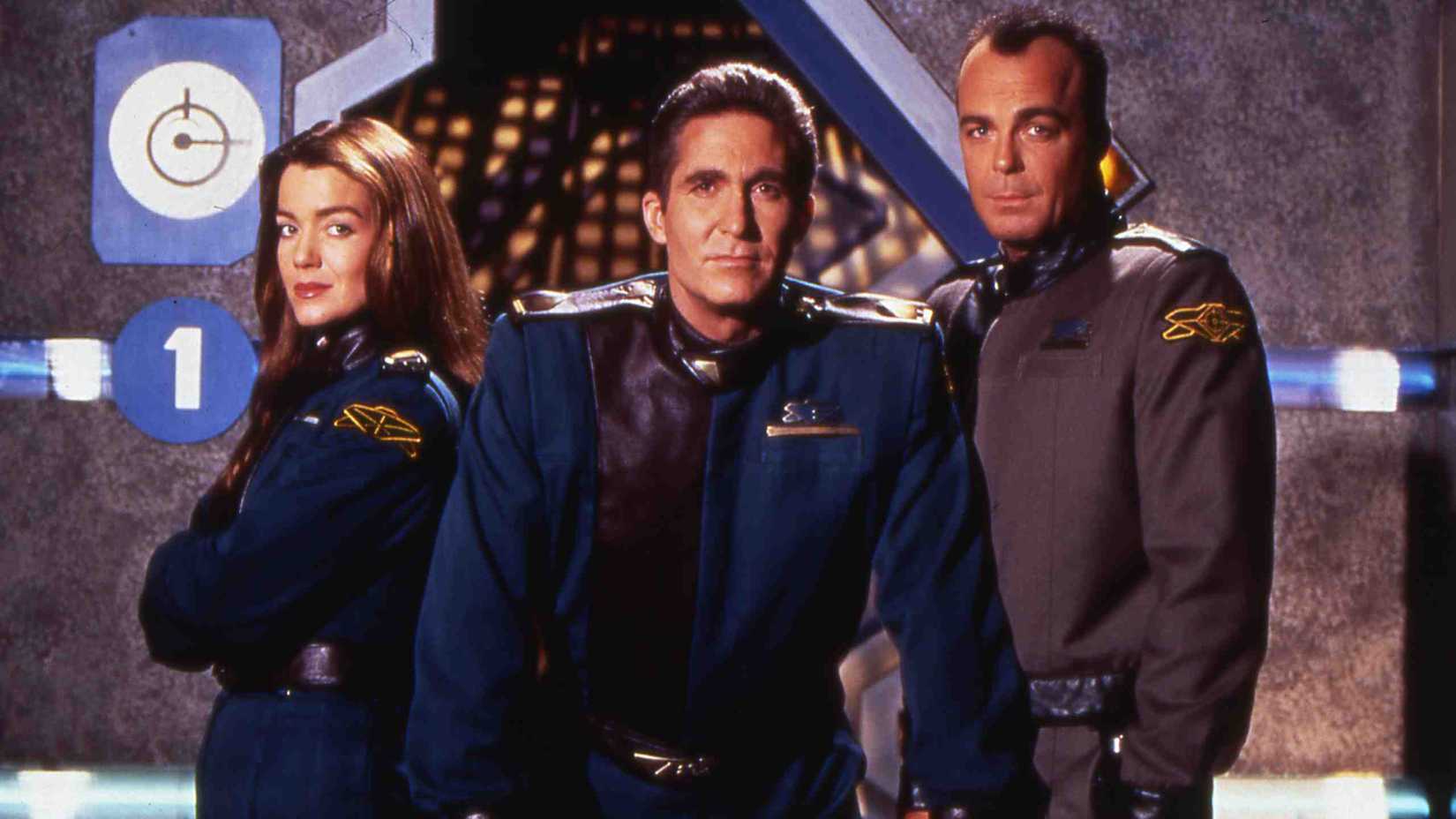
From the deep blue space station uniforms to the radically political overtones, Babylon 5 instantly captured the interest of classic Star Trek fans. Though the five-season space opera premiered nearly 30 years after the original series, Star Trek's influence is palpable throughout every episode of Babylon 5's epic cosmic action. Nevertheless, the 1994 drama was far from a mere imitator.
Babylon 5 had an experimental approach to storytelling, treating each episode like an ongoing book's next chapter. Consequently, the show evaded the pitfalls of many sci-fi procedurals whose self-contained storylines eventually took a toll on its audience. Babylon 5 always felt like it was building toward something— and it has one of the greatest quotes in sci-fi history to boot.
Stargate SG-1
1997–2007
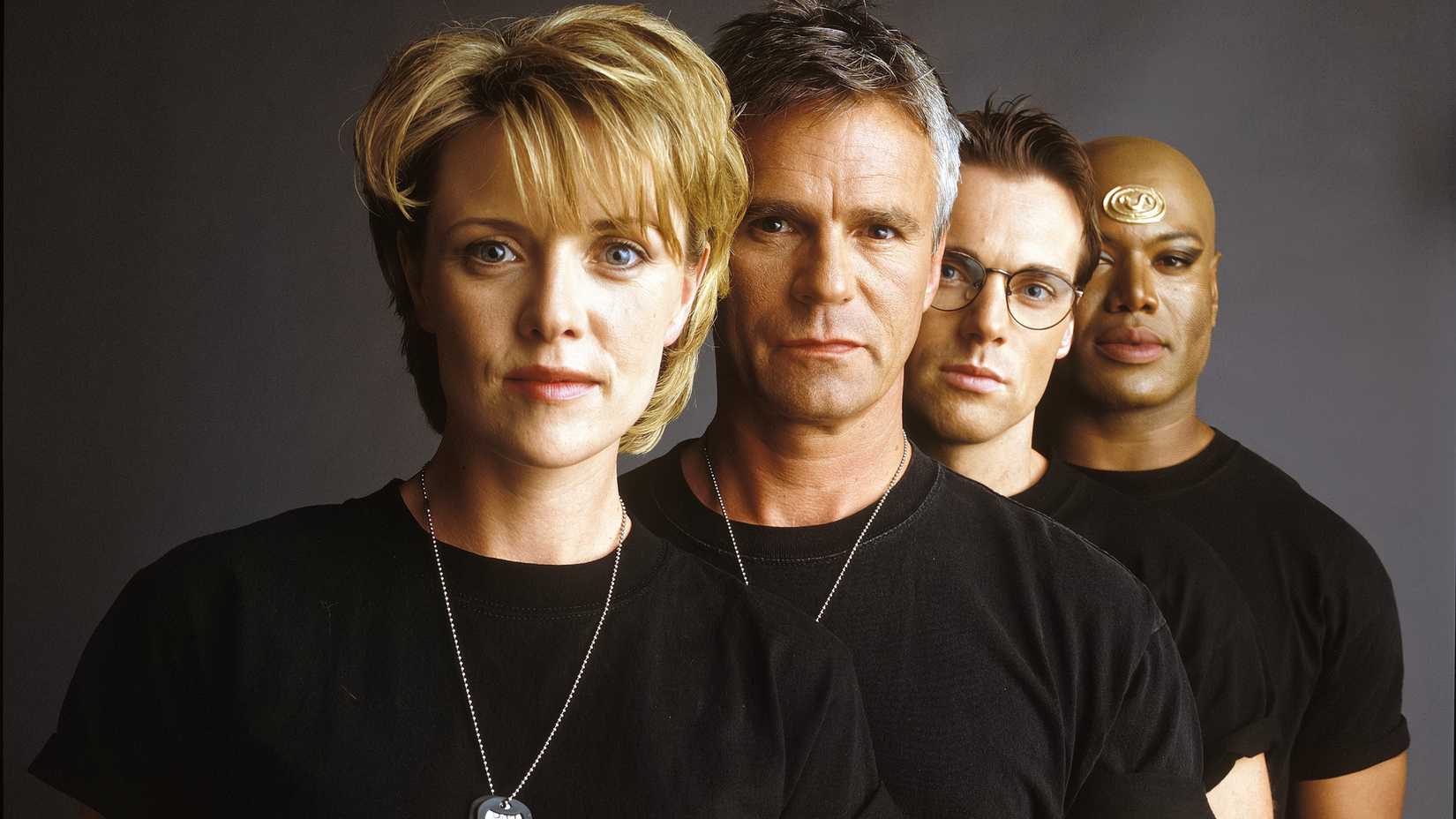
The Stargate franchise began with the 1994 film of the same name, but it truly took off with Stargate SG-1, a sequel television spinoff. Rather than confine a small team to the claustrophobic quarters of a spaceship, Stargate followed a group of military operatives who travel to distant lands using the eponymous Stargate portal.
|
Title |
Year |
|
Stargate SG-1 |
1997-2007 |
|
Stargate Infinity |
2002-2003 |
|
Stargate Atlantis |
2004-2009 |
|
Stargate Universe |
2009-2011 |
|
Stargate Origins |
2018 |
Truthfully, it would be difficult to conflate Star Trek and Stargate if you've actually seen both series. The former is a prototypical space opera, while the latter draws inspiration from Greek mythology to Arthurian legends. The titles may be similar enough to fool a sci-fi newbie, but Stargate's ever-expanding universe is wholly original and far from a Star Trek rip-off.
Red Dwarf
1988–2020

At first glance, Red Dwarf may seem like the television equivalent of a cheesy B-movie, but that's precisely the point. The sci-fi British sitcom subverts the tropes created by shows like Star Trek and uses them as the foundation for comedy. The Red Dwarf's crew is a ragtag group of misfits and sci-fi clichés— which is exactly why it works.
The sitcom isn't meant to be as confronting as Star Trek, nor as epic as Star Wars, but it has its own charm, including the hilarious relationship dynamics between its downright peculiar main cast. Star Trek fans will either love or hate Red Dwarf, but the comedy certainly found its own audience across its 12 seasons and decades on air.
Farscape
1999–2003
 MovieStillsDB
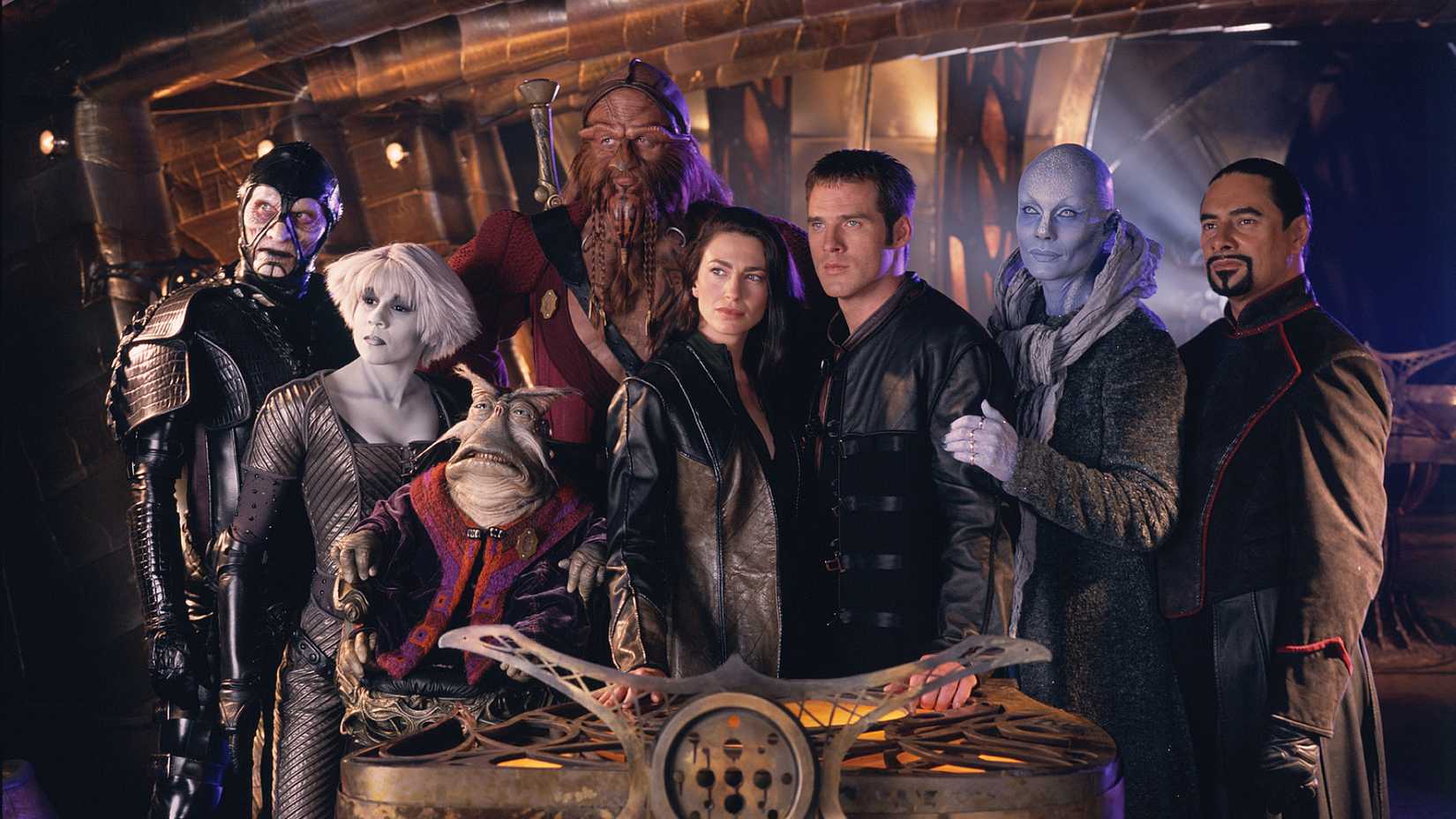
Space operas typically throw the viewer into an immersive alternate reality with little to no preamble, forcing them to immediately buy-in to the far-out setting. In stark contrast, Farscape offers the audience a tether to the real world: John Crichton (Ben Browder), an American astronaut from the then-present who wanders into the sci-fi spectacle via a wormhole.
Despite its grounding in reality, Farscape is— visually, at least— much more whimsical than the original Star Trek. The Australian sci-fi series uses Jim Henson Company puppets, extreme prosthetics, and eye-catching makeup looks to transport the viewer aboard Leviathan ship Moya, while its plot explores familiar themes of oppression, totalitarian regimes, interspecies racial tensions, and Farscape's realistically complicated space navigation.
SeaQuest
1993–1996
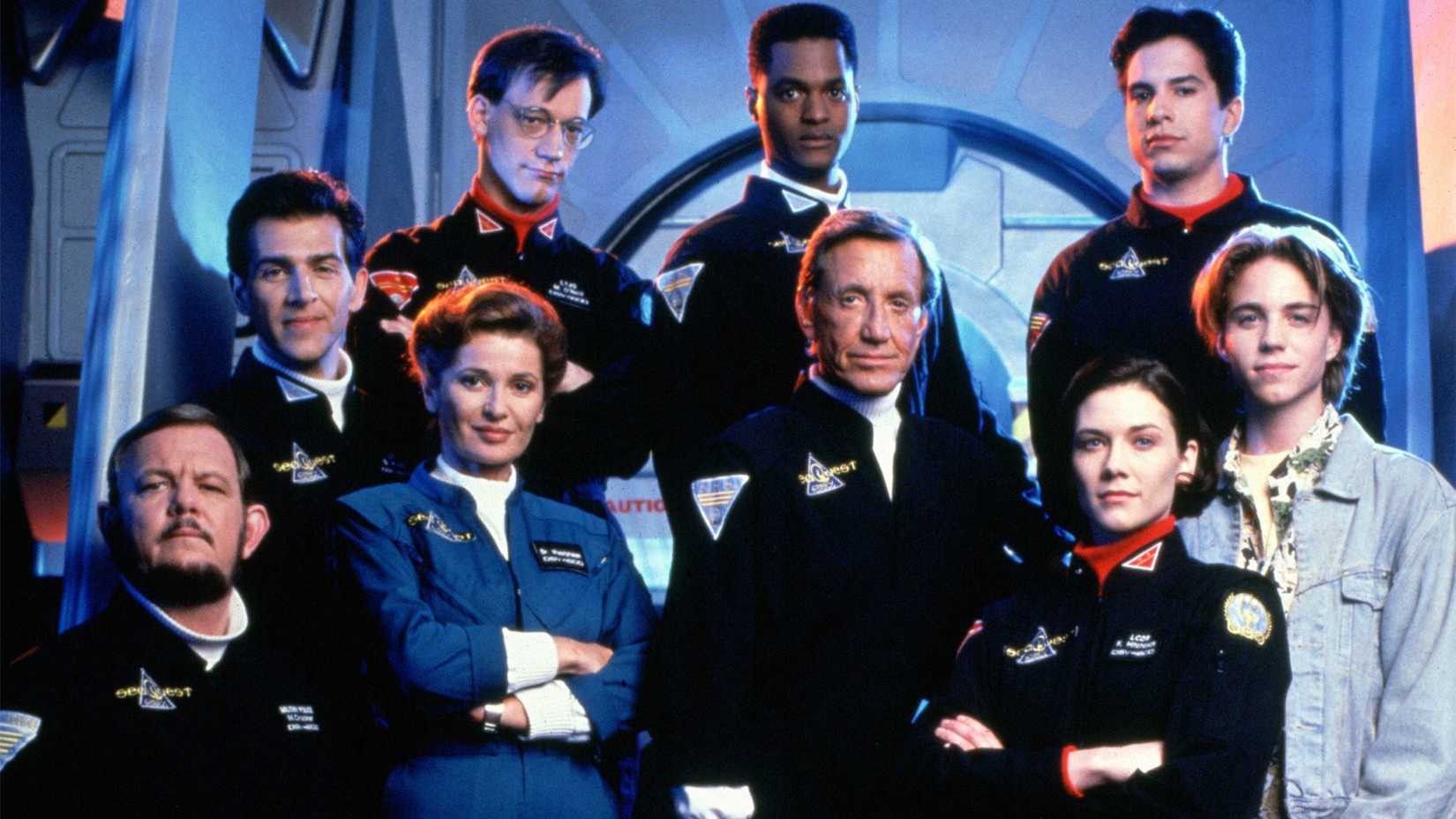
SeaQuest (also known as SeaQuest DSV or SeaQuest 2032) is often likened to a Star Trek premise that takes place underwater rather than in a vast galaxy. In place of the USS Enterprise, the motley crew of SeaQuest worked on a deep-sea submarine, as humanity was forced to turn to the ocean floor after draining the planet's resources.
Although SeaQuest is now considered a cult classic sci-fi show, it suffered from low ratings and behind-the-scenes conflicts that led to the series' cancelation after three drastically different seasons. In the end, the nautical opera was a far cry from any sci-fi institution, especially Star Trek.
Odyssey 5
2002
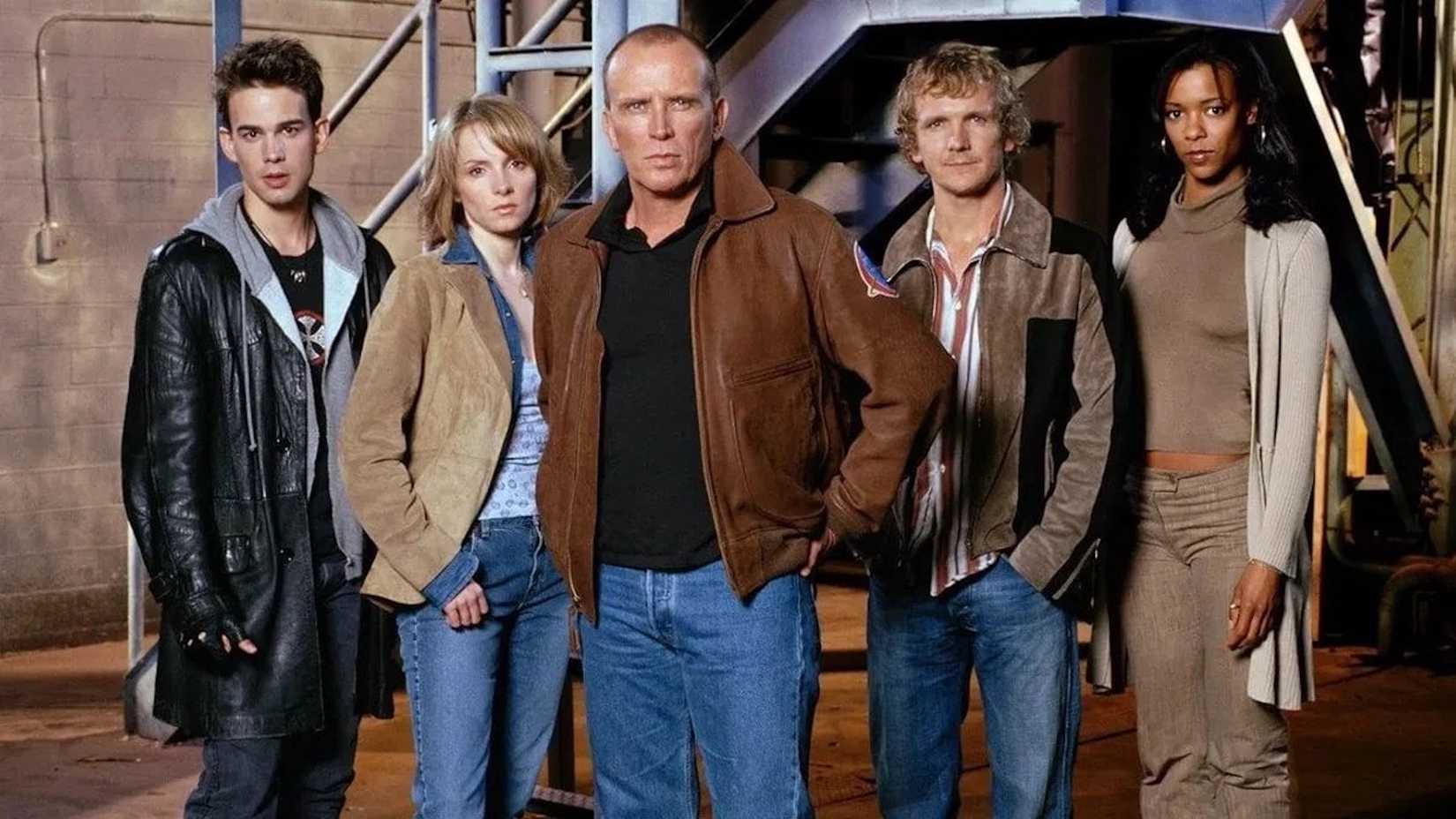
By the time 2000s sci-fi hit its stride, the genre often succeeded by deconstructing norms rather than perpetuating them. Consequently, Odyssey 5 took the exact opposite approach as hits like Star Trek; instead of boldly going "where no man has gone before," the Odyssey's astronauts focus solely on Earth. As a result, the sci-fi/time-travel hybrid feels notably disjointed.
The one-season wonder had plenty of fascinating plots, including the dangers of AI, the butterfly effect, and the ethics of altering the past. Nevertheless, Odyssey 5's marketing hindered its potential, as the audience's preconceived notions of what a sci-fi show should look like clashed with the Canadian drama's reality.
Firefly
2002
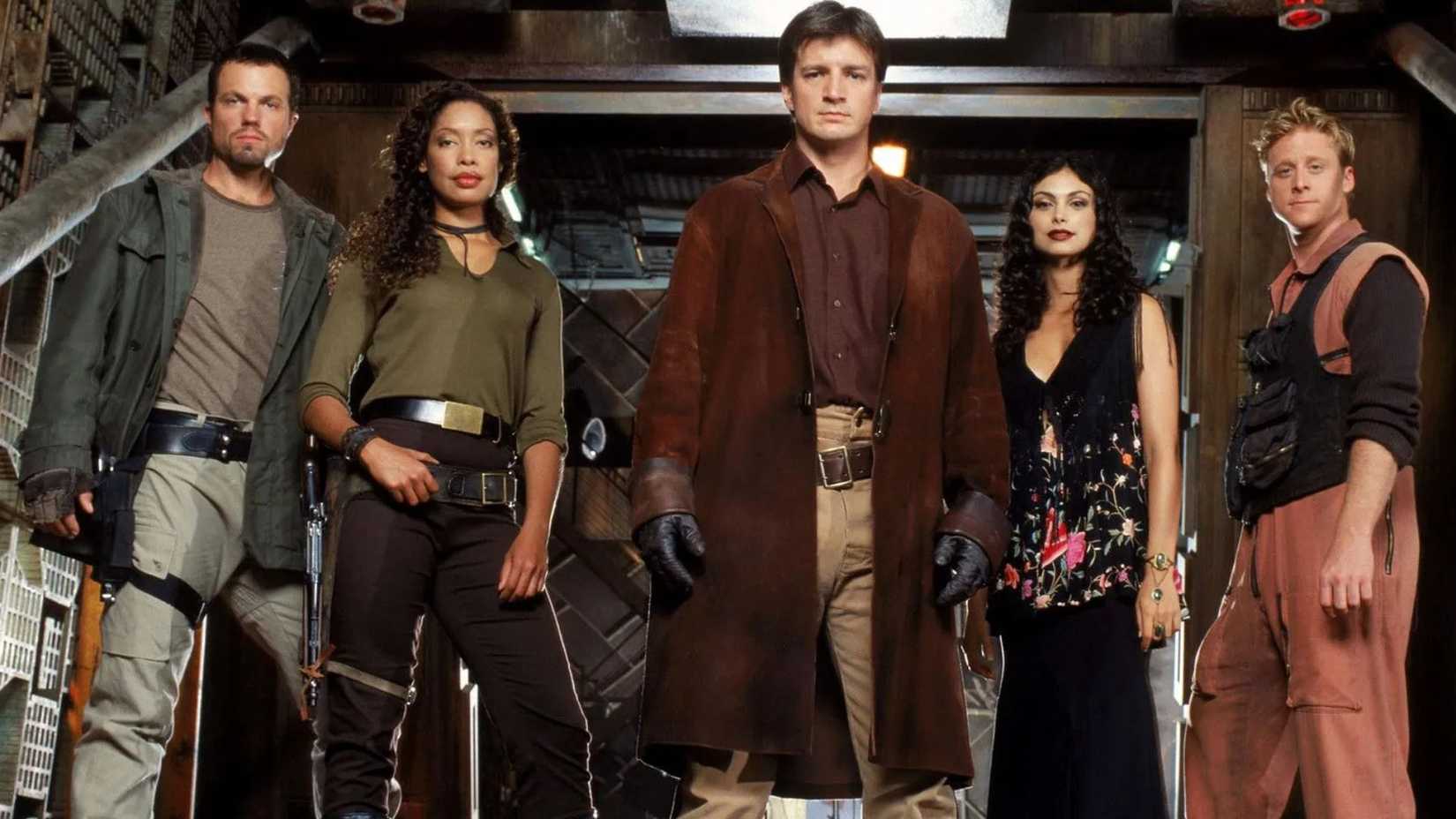
Firefly may be the most popular failed TV show of all time, as fans have loudly protested the space western's premature cancelation for nearly a quarter of a century. The now infamous series focused on the Serenity, a ship traveling the universe following a civil war and an ecological disaster that left earth inhospitable.
Related
10 Best Shows With Less Than 40 Episodes
While many great shows have over 100 episodes (and sometimes even reach 200), some of the most iconic television series are quick binges.
Firefly had too many twists and idiosyncrasies to be Star Trek's perfect replacement, but it could have easily been seen as the Y2K version of the sci-fi classic, had it not ended after a single season. Regardless, Firefly's legacy is wildly prolific without any spiritual attachment to Star Trek, but the world will never know what might have been.
Andromeda
2000–2005
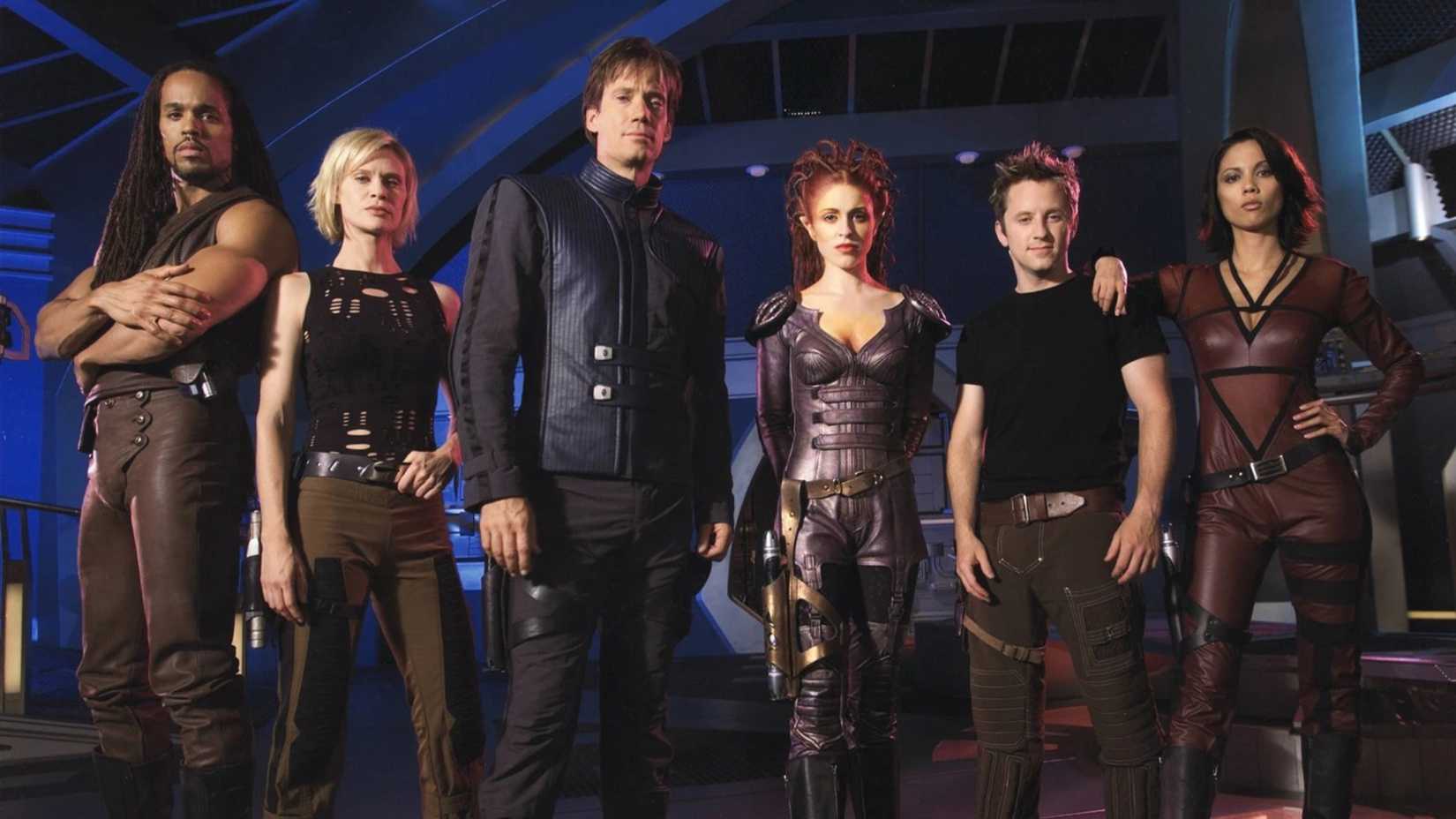
Ironically, Andromeda may be Firefly's spiritual successor rather than Star Trek. Nonetheless, there are clear thematic ties between the two space operas— and, unsurprisingly, a few key differences. Just like Star Trek, Andromeda navigated political conflicts in deep space and focused on a diverse crew aboard a cutting-edge starship.
Yet, there was a feeling of solidarity on the USS Enterprise, reflected in matching uniforms and general camaraderie, that is palpably missing from Andromeda. In its place is a purposeful sense of individuality, wherein each character serves a different narrative function. Andromeda is criminally underrated, but it never quite found its footing. Granted, neither did many iterations of Star Trek.
For All Mankind
2019–Present
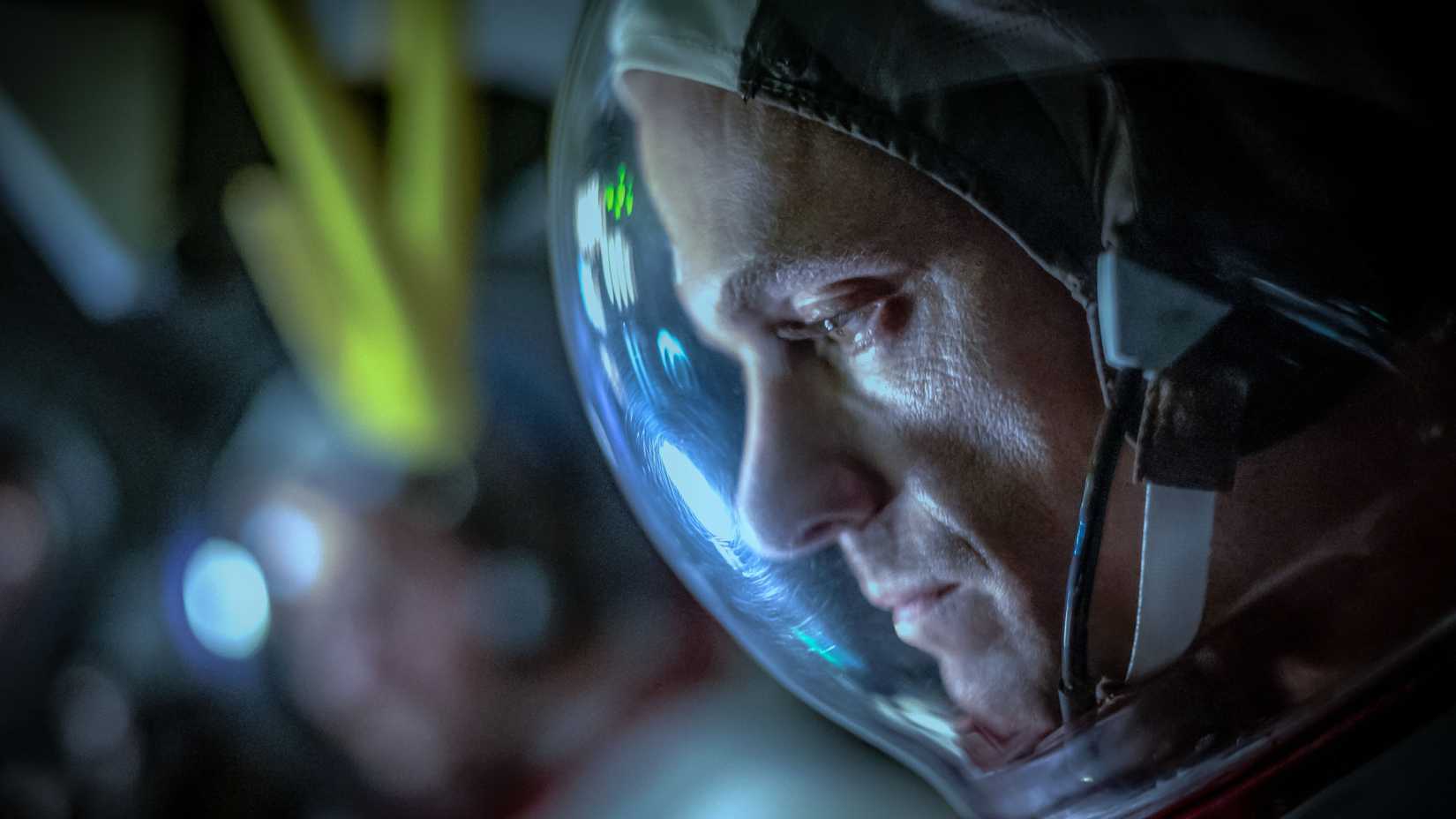
Star Trek is rooted firmly in fantasy, but For All Mankind presents the more novel format of an alternate history. Notably taking place in the past rather than the far-off future, For All Mankind follows the Space Race and its aftermath— instead of echoing real life, however, the Apple TV drama speculates what would've happened had the Soviet Union won.
For All Mankind has a 92% average score on Rotten Tomatoes.
For All Mankind has kick-started one of the best sci-fi franchises of the century, but Star Trek has an entirely different appeal. The Apple TV original is imaginative, but it rehashes old conflicts, while Star Trek bravely pushed the envelope with its social commentary. Both are fantastic, but comparing them is apples and oranges.
What's Your Reaction?
 Like
0
Like
0
 Dislike
0
Dislike
0
 Love
0
Love
0
 Funny
0
Funny
0
 Wow
0
Wow
0
 Sad
0
Sad
0
 Angry
0
Angry
0






Comments (0)