

12 States File Antitrust Lawsuit to Block Paramount-Warner Bros. Discovery Merger
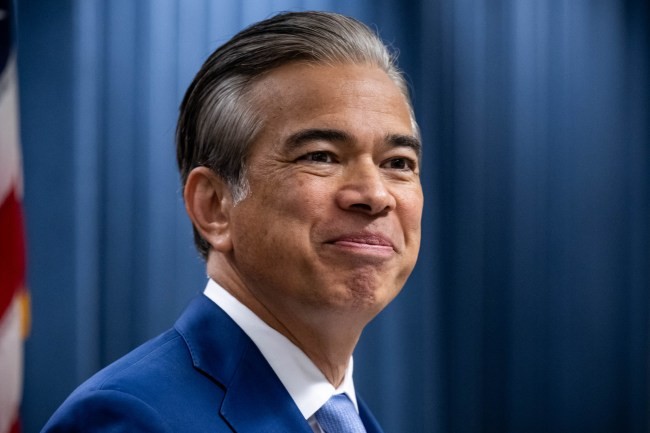
A coalition of 12 states has filed an antitrust lawsuit on Monday, July 13 to block the planned merger between Paramount and Warner Bros. Discovery in a $111 billion transaction.
The lawsuit, led by California District Attorney Rob Bonta, wrote in a suit that the merger would “extinguish competition between Paramount and Warner Bros. and inflict substantial harm on movie theatres, basic cable distributors, and, ultimately, audiences nationwide.”
The suit argues that a merger would specifically harm competition and violate the Clayton act by impacting wide-release theatrical films released in the United States, the distribution of top-grossing theatrical films in the U.S., and the licensing of basic cable channels to distributors in the U.S.


“The merger combines two of the nation’s five major film distributors, leaving only four to control over 85 percent of all wide release theatrical films in the United States,” the suit reads. “It combines two of the five major owners of basic cable channels, leaving only two (the combined company and Disney) to control 59 percent of all basic cable in the United States. After this merger, for every dollar generated by wide-release theatrical films and basic cable channels in this country, the combined company will pocket more than a quarter. This merger, in short, would create a media behemoth.”
In a lengthy statement, Paramount said that the suit must be rejected, that it defies evidence, and the delay to the closing only benefits Big Tech and harms consumers and Hollywood talent. It notes that 24 different jurisdictions internationally have already cleared the transaction. It also said that Paramount has been very clear about the various benefits to workers, creators, and theaters.
A spokesperson said in a statement: “The lawsuit filed by the state attorneys general, in the most generous light, reflects a fundamentally flawed application of the antitrust laws and is wrong on both the facts and the law. We will vigorously defend the transaction and demonstrate that this challenge is inconsistent with sound competition policy and the competitive realities of the media marketplace. Delaying this transaction will only harm entertainment workers who have already suffered over recent years as technology has disrupted their livelihood and cost California tens of thousands of entertainment jobs.” “The combination of Paramount and WBD will create a stronger, well-capitalized, creative-first media company that is better positioned to compete with companies like Netflix that have come to dominate the industry for audiences, premium content, and creative talent. Put simply, any attempt to block this transaction undermines the very principles antitrust law is designed to promote: more competition, more choice for consumers, and more opportunities for creators and workers. The practical effect of this lawsuit is to shield those dominant streaming platforms like Netflix and technology companies from much needed competition while preventing the significant benefits this transaction will deliver for consumers, creators, workers, and the broader Hollywood economy. We will continue to fight against any attempt to derail a deal that strengthens competition, expands opportunity, and positions the combined company to compete in an increasingly competitive global media landscape.”
The U.S. Department of Justice last month said it would not challenge the Paramount-WBD merger, arguing that it would “increase competition” and “benefit American consumers and workers.” Paramount had planned to close the transaction prior to a deadline of September 30, at which point a ticking clock fee kicks in requiring Paramount to pay shareholders an additional fee each quarter the transaction does not close. The states were the last domestic hurdle Paramount had to close, though it was also seeking approval from the UK and the European Union.
The lawsuit argues that Paramount and Warner Bros. Discovery after the merger would control 27 percent of the overall wide-release theatrical films, 30 percent of the top-grossing tentpole movies, and 34 percent of the basic cable channels in the U.S. In turn, the states argue that it will create worse terms for theater owners who now have to negotiate with the combined entity, it will create higher prices for consumers, lower quality and quantity of films, and even likely cause other studios to coordinate and consolidate even more to compete. On the cable channel end, the suit argues it’s likely to cause more blackouts or carriage disputes between cable providers and Paramount-WBD, higher fees for providers, reduced investment in content, and again harm consumers with fewer options and higher prices.
It also referred to CEO David Ellison’s frequent comments that the combined company intends to release 30 movies theatrically each year between the two studios. The suit says that this claim however is not legally enforceable, it’s not credible, and it of course doesn’t have anything to do with the harm to basic cable channels. It finally states that any benefits of the merger do not begin to outweigh the potential harms, and that all of the above would impact thousands of job losses in the entertainment industry.
The lawsuit notably does not mention the streaming market as one of the three areas that would be most impacted, as even though the combination of Paramount+ and HBO Max would make it significantly larger, it still would not have a higher market share than Netflix in terms of subscribers or in terms of overall engagement.
Previous reports indicated that Paramount did not expect to close the transaction before July 22, and the states will in the meantime be looking for a judge to grant an injunction on the merger before then, and it’s possible the transaction could close before then, forcing any divestitures Paramount would need to make to happen retroactively.
A report in Semafor over the weekend claimed that Paramount was considering shifting all of its operations out of California if such a lawsuit were to come from the states, but that no decisions had been made.
What's Your Reaction?
 Like
0
Like
0
 Dislike
0
Dislike
0
 Love
0
Love
0
 Funny
0
Funny
0
 Wow
0
Wow
0
 Sad
0
Sad
0
 Angry
0
Angry
0








Comments (0)