

15 Years Later, Batman: Arkham City Remains Batman's Last Gaming Masterpiece

Published Oct 25, 2026, 4:00 PM EDT
Austin Manchester is a writer and editor living in New York City. At Polygon, he covers gaming and entertainment news, reviews new video games, interviews behind-the-scenes talent, and more. He enjoys discovering hidden gems and sharing them with Polygon's audience. Previously, he was the gaming editor for AIPT Comics and has written for other outlets like XDA, How-To Geek, and The List.
He enjoys soulslikes, character-driven RPGs, and third-person shooters plucked straight out of the Xbox 360 era. He also likes to flex his non-video game nerdy knowledge sometimes, whether that's explaining who's who in the new Wolverine game or recommending a comic book series about a sentient sword.
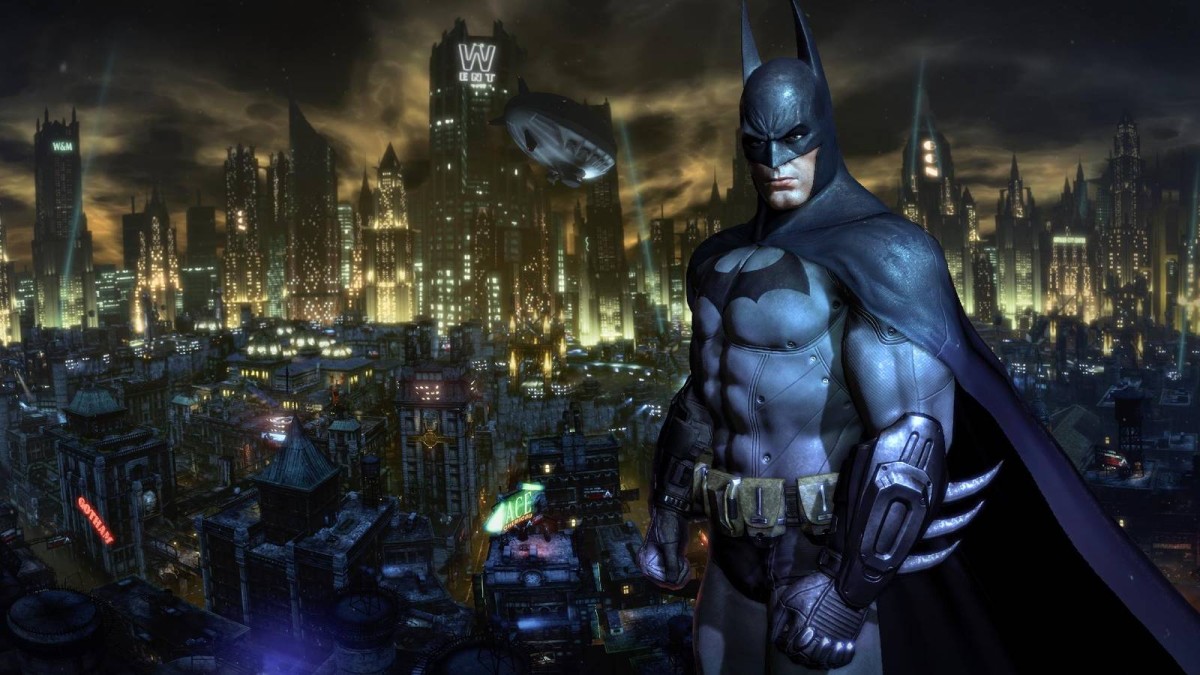
Rocksteady's sequel set a new benchmark for superhero games
 Batman: Arkham CityImage: Rocksteady/Warner Bros.
Sign in to your Polygon.com account
Batman: Arkham Asylum was released in 2009 at a time when superhero video games were usually relegated to being uninspired movie tie-ins. Some of them were good, like X-Men Origins: Wolverine, but most of them were either forgettable or downright bad. Arkham Asylum was something different — a superhero game based on an original idea from a renowned Batman writer, Paul Dini (Batman: The Animated Series). It was great, and set the foundation for its even greater 2011 follow-up.
Rocksteady’s Batman: Arkham City came out on Oct. 18, 2011. 15 years later, it’s still considered one of the best games around, and its influence can still be seen in other superhero games. It’s also undoubtedly the last universally beloved Batman game.
Compared to Arkham Asylum, Arkham City opens things up. Instead of being confined to the creepy corridors of the psychiatric hospital like in the first game, a whole section of Gotham becomes Batman’s playground for brutally maiming criminals within an inch of their lives. Random enemy encounters, fun one-off boss battles, and countless collectibles — so many goddamn Riddler trophies — populate its world. With all these elements, Rocksteady basically created a playbook for future superhero games, like Insomniac’s Spider-Man series, to successfully copy.
Those Spider-Man games, and non-superhero action games like Middle-earth: Shadow of Mordor, borrowed heavily from the Arkham games. They’re known for their free-flowing, counter-based, combo-heavy combat that finds Batman sliding around the battlefield breaking elbows and smacking goons in the face. Stealth is equally viable in Arkham City, as he can hunt goons and henchmen from the shadows. Throw some gadgets into combat and, truthfully, playing Marvel’s Spider-Man 2 isn’t much different than Arkham City, despite coming out 12 years later.
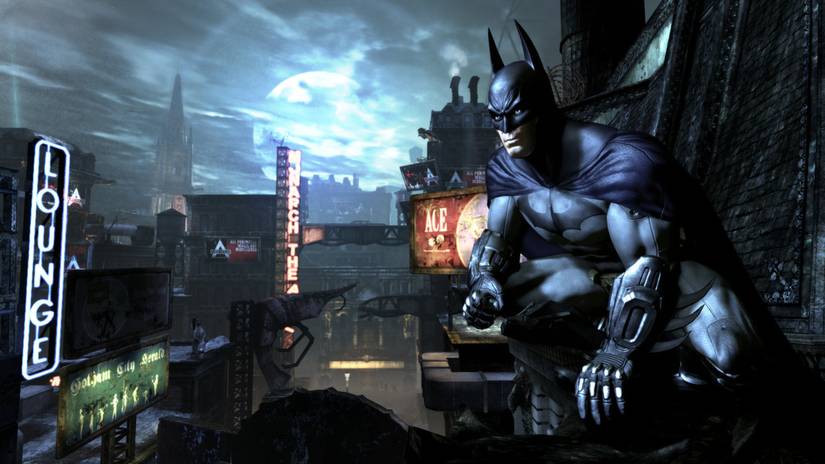 Image: Rocksteady Studios/WB Games
Even though Arkham City is at the top of the class in terms of superhero games, it’s kind of surprising there hasn’t been a truly great Batman to come for its throne since. That’s not to say we haven’t gotten any good ones, though. For example, 2013’s prequel Arkham Origins was a solid entry from a different developer, WB Games Montréal, but was a snow-covered imitation of what made Arkham City great.
The final Arkham game came closest to topping Arkham City, but it wasn’t without its flaws. While the first two featured Joker as the primary antagonist, Batman: Arkham Knight brings him along for the ride as a hallucination living inside Batman’s head, almost like Rocksteady was too afraid to do a Batman game without him. Add in the disappointment that the titular Arkham Knight — whom Rocksteady teased would be an original character — was unsurprisingly just a rehash of Jason Todd/Red Hood, and Arkham Knight lacked truly compelling antagonists.
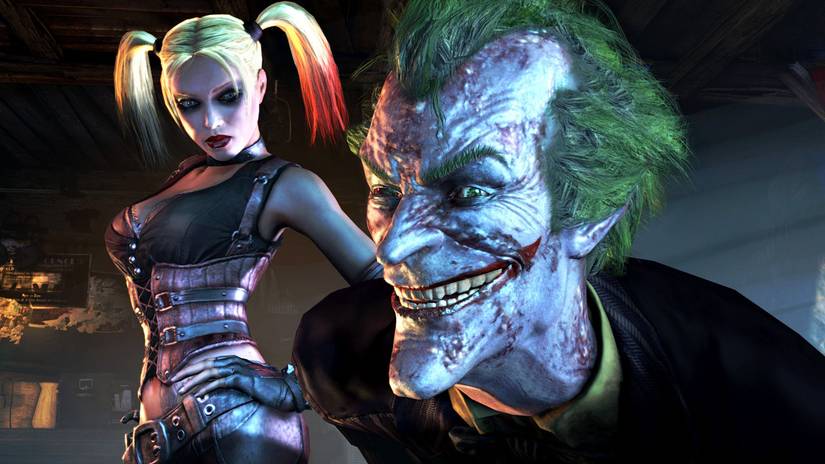 Image: Rocksteady Studios/Warner Bros. Interactive Entertainment
It also included way too much reliance on the Batmobile, which was more of a tank than a car, and didn’t quite jive with Batman’s whole no guns and no killing policies. The Batmobile was much more appropriate in this summer’s Lego Batman: Legacy of the Dark Knight. It’s the best Batman game we’ve gotten since the Arkham series, mostly because it’s an imitation of what made those games great… except it’s, ya know, kid-friendly and made of Legos.
 Free sign-up
Get Polygon’s Wishlister newsletter
A weekly cheat sheet to what you’ll eventually love to play. No buying, no commitment — just saving for later.
Sign up freeFree. Unsubscribe anytime.
But Legacy of the Dark Knight, as great as it is, might only make you yearn to revisit Arkham City and its adult-oriented, gritty, and grimy take on The Caped Crusader. It does just about everything better than its many successors and imitators in the years since.
Arkham City is so beloved, and sold so well (it reportedly moved over 12 million copies), that it’s surprising Rocksteady and publisher Warner Bros. largely left the series on ice after Arkham Knight (aside from a couple VR games). Arkham Origins developer WB Games Montréal instead went on to make the panned Gotham Knights, while Rocksteady spent an eternity making the live-service failure Suicide Squad: Kill the Justice League.
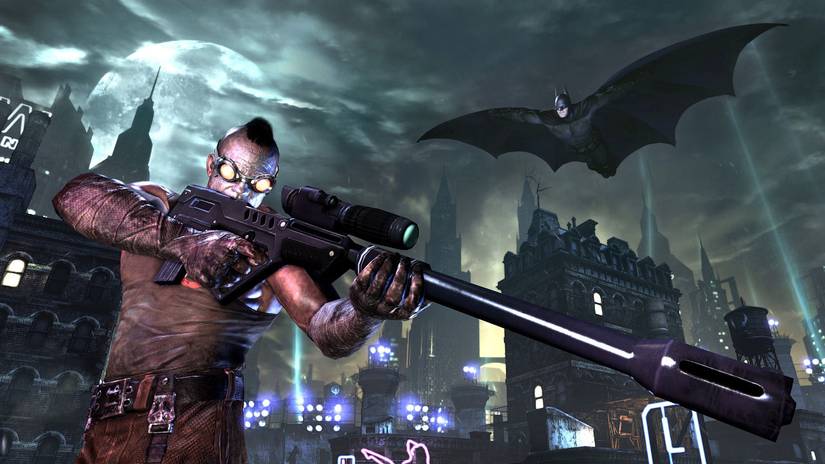 Image: Rocksteady Studios/Warner Bros. Interactive Entertainment
In 2025, reports claimed Rocksteady was looking to make a single-player Batman game, and rumor has it that game would spotlight Terry McGinnis’ Batman Beyond. Whether it’s another Arkham game or one set in Neo-Gotham, just the idea of Rocksteady returning to Batman is enough to get any Dark Knight fan excited.
Until Rocksteady’s next Batman game comes out — if it ever does — at least we have Arkham City to replay. No other superhero game can quite match its highs.
What's Your Reaction?
 Like
0
 Dislike
0
 Love
0
 Funny
0
 Wow
0
 Sad
0
 Angry
0







Comments (0)