

6 Thriller Movies With Twist Endings Better Than The Usual Suspects

Published Sep 17, 2026, 5:26 AM EDT
Senior Music Editor at Screen Rant, Sarah's love of sound and story drive the beat. A globetrotting brand whisperer and award-winning journalist, she’s built cross-cultural narratives around the world—but music has always been her true north. She launched DJ Mag North America, successfully introducing the iconic UK brand to the U.S. market. Previously, she carved a space for EDM inside the pages of VIBE, blending electronic and hip-hop culture long before it was trendy.
This article contains major spoilers for all the movies listed.
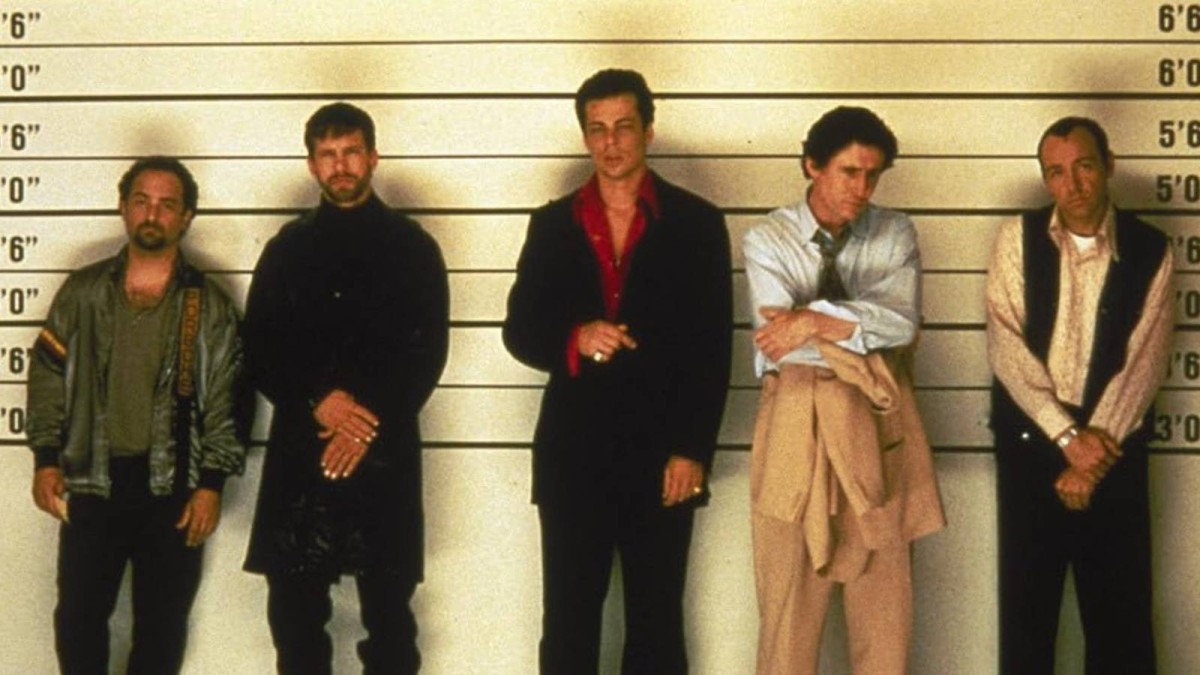
The Usual Suspects set an almost unfair standard for the movie twist. Once Verbal Kint walks out of the police station and Agent Kujan starts noticing the names scattered around his office, an entire story collapses in a matter of seconds. The audience has not simply been fooled about Keyser Söze. They have been fooled about nearly everything they just watched.
Beating an ending that famous takes more than revealing the killer or dropping one final shock before the credits. Great thrillers often plant clues early enough that the entire movie can practically be spoiled in its first scene, but the best twists only become obvious once viewers know where to look. A strong ending should make earlier conversations and seemingly insignificant choices suddenly mean something different.
That rule also knocks out several obvious contenders. Fight Club has one of cinema's greatest reveals, but Tyler Durden's identity comes out well before the ending. Gone Girl detonates its biggest surprise around the midpoint, while The Crying Game does the same with its defining reveal. Se7en is more complicated: its finale is devastating, but the contents of the box deepen the horror rather than rewrite the entire story.
The following six thriller movies save their biggest cards for the end. Some expose an elaborate deception, while others turn what looked like a straightforward thriller into something far darker. All leave enough breadcrumbs behind that a second viewing becomes a completely different experience.
Primal Fear

Primal Fear spends most of its runtime convincing both defense attorney Martin Vail and the audience that Aaron Stampler needs saving. Edward Norton plays the timid altar boy accused of murdering an archbishop, while Richard Gere's Vail becomes increasingly convinced that Aaron's violent alternate personality, Roy, committed the crime.
Then Aaron drops the stutter.
The ending of Primal Fear reveals that Roy never existed as a separate personality at all. Aaron created the entire performance because he knew exactly what Vail needed to believe in order to win the case. Norton's sudden shift in posture and voice is chilling enough, but Vail's realization that his own ego helped Aaron escape justice makes the twist even crueler.
Unlike The Usual Suspects, the deception does not depend on an elaborate invented story. Aaron has been sitting directly in front of Vail the entire time, letting his attorney construct the lie for him.
The Game
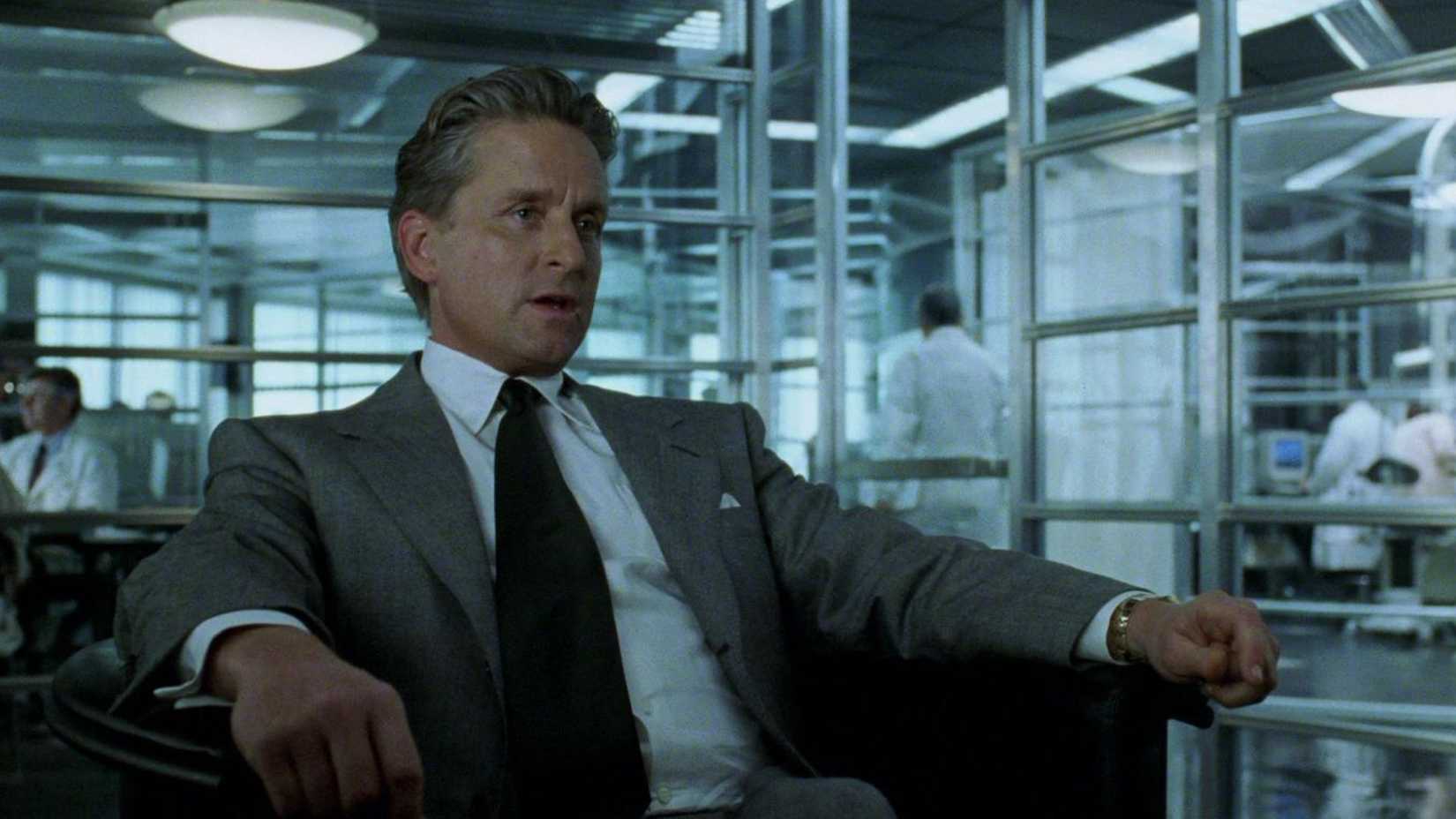
David Fincher builds The Game around a question that keeps changing: how much of what Nicholas Van Orton is experiencing is actually part of the game? Michael Douglas' wealthy, emotionally isolated banker initially treats the mysterious birthday gift from his brother like an inconvenience before his life begins unraveling around him.
By the final stretch, Nicholas appears to have lost everything. He even believes he has accidentally killed his brother before jumping from the roof of a building, only to crash through a glass ceiling into the elaborate finale of the game itself.
The reveal is outrageous, and deliberately so. Fincher has spent the movie pushing Nicholas—and the audience—past the point where any rational explanation feels possible. It also makes The Game a particularly entertaining example of the paranoid 1990s tech thriller, where unseen systems seem capable of controlling every part of someone's life.
Whether the twist feels ingenious or completely insane may depend on the viewer, but few endings commit harder to the bit.
Shutter Island

For most of Shutter Island, Teddy Daniels appears to be the only sane man inside a deeply suspicious institution. Leonardo DiCaprio's U.S. Marshal arrives at Ashecliffe Hospital to investigate a missing patient and gradually becomes convinced that the doctors are conducting something far more sinister on the island.
The ending of Shutter Island turns that investigation inside out. Teddy is actually Andrew Laeddis, a patient at Ashecliffe who created the marshal identity after killing his wife when she drowned their children. The conspiracy he believes he has uncovered is an elaborate role-play designed by his doctors to force him to confront the truth.
That alone would make for a memorable twist, but Scorsese saves one final ambiguity for the closing scene. Andrew's question about whether it would be worse to live as a monster or die as a good man suggests he may understand exactly who he is and simply cannot bear to keep living with it.
The Prestige
 Credit: MovieStillsDB
Christopher Nolan practically tells the audience how The Prestige works before the movie has properly begun. Every magic trick has three parts, and viewers are repeatedly warned that they are watching closely without actually seeing what is happening.
The ending proves the movie has been following its own rules all along.
The multiple twists in The Prestige reveal that Alfred Borden has been sharing his life with an identical twin, allowing the brothers to alternate between Borden and Fallon. Robert Angier, meanwhile, has taken his obsession even further, using Tesla's machine to duplicate himself and drowning one version during every performance of the Transported Man.
Neither revelation exists merely to shock. Both expose how completely the men have sacrificed their lives to outperform each other. Once the secret is known, even small moments involving Borden's marriage or Angier's performances take on a much darker meaning.
Oldboy

Park Chan-wook's Oldboy already feels like a nightmare before its most infamous revelation arrives. Oh Dae-su is imprisoned without explanation for 15 years, abruptly released, and given a short window to discover who destroyed his life and why.
The answer is worse than anything he could have imagined.
Lee Woo-jin has not merely orchestrated Dae-su's imprisonment. He has manipulated him into beginning a relationship with Mi-do, who is eventually revealed to be Dae-su's own daughter. The horrifying twist in Oldboy transforms Dae-su's entire quest for revenge into another stage of Woo-jin's revenge against him.
What makes the ending so brutal is how thoroughly victory disappears from the equation. Dae-su learns the truth, but knowledge offers no escape. His desperate response only underlines that Woo-jin's real punishment was never physical imprisonment. It was making Dae-su live with what came afterward.
The Sixth Sense
M. Night Shyamalan's greatest trick with The Sixth Sense is that its ending feels shocking the first time and obvious the second. Bruce Willis' Malcolm Crowe appears to spend the movie helping Cole Sear understand his ability to see dead people, while struggling with the apparent collapse of his own marriage.
Then Malcolm finally notices what has been in front of him all along.
He died after being shot at the beginning of the movie. Suddenly, every scene in which his wife appears to ignore him has a completely different meaning, and Cole's famous confession that he sees dead people turns out to describe Malcolm as much as anyone else.
There are enough clues that the Sixth Sense twist arguably should have been obvious, but Shyamalan keeps audiences focused on Cole instead. That is what gives the ending an edge even over The Usual Suspects: the twist does not merely expose a deception. It turns what seemed like a damaged marriage and a child's supernatural problem into Malcolm's own ghost story.

Release Date August 6, 1999
Runtime 107 minutes
Producers Barry Mendel, Frank Marshall, Kathleen Kennedy
What's Your Reaction?
 Like
0
Like
0
 Dislike
0
Dislike
0
 Love
0
Love
0
 Funny
0
Funny
0
 Wow
0
Wow
0
 Sad
0
Sad
0
 Angry
0
Angry
0








Comments (0)