

72 Years Later, Lord of the Rings Still Has The Definitive Best Retcon In Fantasy History
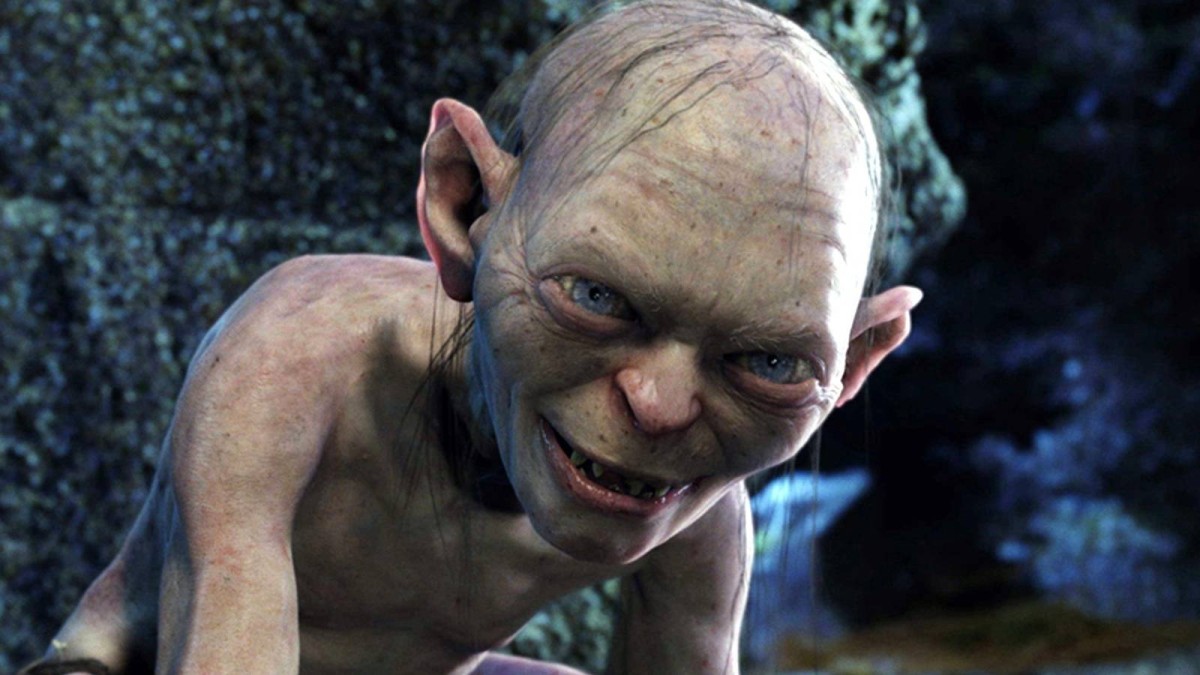
 Credit: MovieStillsDB
Published Jul 21, 2026, 8:53 AM EDT
Ambrose Tardive is an editor on ScreenRant's Comics team. Over the past two years, he has developed into the internet's foremost authority on The Far Side. Outside of his work for ScreenRant, Ambrose works as an Adjunct English Instructor.
Sign in to your ScreenRant account
The Lord of the Rings is the undisputed greatest fantasy franchise of all time, but that was only made possible by the crucial changes author J.R.R. Tolkien made to the story between the publication of The Hobbit and The Fellowship of the Rings. Changes that are clear as day when readers look at the original versions of both texts back-to-back. That's right. An early retcon made Lord of the Rings what it is today.
Tolkien published The Hobbit in 1937. The Rings books followed almost twenty years later; 17 to be exact, with Fellowship and Two Towers released in 1954 and The Return of the King completing the trilogy a year later. The behind-the-scenes story of Tolkien's masterpiece is an epic of its own kind. If that story were to be told episodically, the series' first major retcon would be a big story beat.
Of course, the retcon is about the Ring. Specifically, how it ended up in the hands of Bilbo Baggins, following his encounter with Gollum. In Tolkien's first edition of The Hobbit, things go differently than how it is later described in The Lord of the Rings: The Fellowship of the Ring. The small change to the story Tolkien made wound up having an outsized influence on the franchise. Arguably, it was essential to shaping the One Ring as fans understand it today.
J.R.R. Tolkien Retcon (And Later Revised) How Bilbo Got The Ring In "The Hobbit"

As the story originally went in The Hobbit, Bilbo Baggins won the One Ring from Gollum in a contest of wits. That is, Gollum willingly handed over the Ring after being beaten at his own game. That doesn't sound like the character as Lord of the Rings fans would come to know him, does it? No, because when The Hobbit was written and released, Gollum hadn't fully taken shape as a character yet.
Nor had the idea of the Ring's absolute power over its wearers, its absolute corrupting influence. That became clear to J.R.R. Tolkien as he worked on The Lord of the Rings trilogy. So he changed the story. For Tolkien, that included rewriting The Hobbit. Later editions of the book feature a more recognizable Gollum and Ring. And the new version nods to the old by having Bilbo lie to his allies and say he won the ring, rather than stealing it.
Tolkien had been developing what would become Middle Earth for years already before writing The Hobbit, but it was only after the book was done that he realized how critically important it was to his fantasy saga. It is an understatement to say that it was a pivotal moment in literary history when J.R.R. Tolkien realized that the magical ring in The Hobbit was actually the One Ring, the most powerful artifact in the world that he had created.
The Lord Of The Rings' Greatness All Stems From Tolkien's Ring Retcon

Without the events of The Hobbit, The Lord of the Rings never takes place. Though it didn't necessarily start out as a prologue or prequel to the Rings trilogy, that's what Hobbit ultimately became. It was the story J.R.R. Tolkien had to write to get to the story he wanted to tell. Even in its published form, it was a flawed, formative draft, until the author went back and revised it to bring it in line with The Lord of the Rings.
Over time, the entire fate of Middle Earth came to rest on what was, originally, a ring of invisibility, introduced in a side quest from The Hobbit. That's a testament to the incredible scope of Tolkien's creativity. The more he thought about it, the more he realized the ring was actually the Ring, the One Ring. And as the true extent of the One Ring's sinister influence became clear, he realized he'd gotten it "wrong" in his earlier story.

Consequently, he retconned and revised The Hobbit. Everything else in Lord of the Rings spins out of that. It is the greatest retcon in the history of the fantasy genre, and just another reason that Tolkein is the undisputed master of the genre, and Lord of the Rings cannot be surpassed in its place in fiction.
What do you think, fantasy fans? Are there examples of greater retcons in the genre? Are there greater retcons in Lord of the Rings? You tell us!
Created by J.R.R. Tolkien
What's Your Reaction?
 Like
0
Like
0
 Dislike
0
Dislike
0
 Love
0
Love
0
 Funny
0
Funny
0
 Wow
0
Wow
0
 Sad
0
Sad
0
 Angry
0
Angry
0









Comments (0)