

8 Hit Shows From The Early 2000s That Hit Much Different Today
The early 2000s was a fascinating era for television. It was the last period of appointment viewing, when network hits could become cultural phenomena. Broadcast networks: ABC, CBS, NBC, and Fox, were in their golden age before prestige TV took over.
Before streaming transformed how shows were marketed, series needed a premise that could instantly grab a viewer's attention in a commercial break or a TV Guide listing. A teenage detective, a wealthy California family taking in a troubled outsider, and suburban housewives hiding dark secrets were all hit early 2000s shows that could be explained in a single sentence.
Many of the biggest shows of the 2000s embraced optimism, emotional honesty, and the idea that people could make a difference. At the same time, the early 2000s helped usher in a new era of complicated protagonists who were not always easy to root for.
Many early 2000s masterpiece TV shows exist in a world that seems almost impossible to recreate today: a time before smartphones, social media, and constant connectivity. Looking back, these shows capture the final years of a more private world where people were not constantly documenting, sharing, and curating their lives online.
That is what makes revisiting early 2000s television so fascinating: these shows were made for a world that no longer exists. Whether they feel ahead of their time, hopelessly nostalgic, or unexpectedly relevant, they all reveal something new when viewed more than 20 years later.
The West Wing
1999-2006
 MovieStillsDB
The West Wing feels like a time capsule from a very different era. It presents a White House where passionate public servants debate policy in good faith, compromise is possible, and institutions are treated with optimism rather than cynicism. In that sense, it can seem almost impossibly idealistic through a modern lens.
Yet the show's core themes of public service, integrity, and striving to do the right thing remain just as compelling today. Stylistically, it also proved decades ahead of its time. Aaron Sorkin's rapid-fire dialogue and signature walk-and-talk sequences became so influential that countless prestige dramas have adopted their own variations, from Severance to House of the Dragon.
Meanwhile, the ensemble has only become more impressive with time, as actors like Allison Janney, Bradley Whitford, and Dulé Hill went on to acclaimed careers. There's also something distinctly early-2000s network TV about its premise: no elaborate mythology or genre hook, just exceptionally talented people trying to excel at one of the world's most demanding jobs.
Malcolm In The Middle
2000-2006
Malcolm in the Middle remains one of the funniest family sitcoms ever made, but it also feels unmistakably rooted in the early 2000s. Despite embracing a single-camera style that was ahead of its time, the series captures an era before smartphones, social media, and constant digital distractions reshaped family life.
The Wilkersons' problems are refreshingly simple: paying bills, surviving school, sibling rivalries, and finding enough money to keep the lights on. That grounded approach gives the show an old-fashioned quality today, even as its humor remains remarkably timeless.
It is surreal now to see Bryan Cranston in a network comedy. Long before he became television's most infamous antihero as Walter White in Breaking Bad, Cranston was essentially America's lovable sitcom dad. The contrast only makes his performance more impressive in hindsight.
While modern sitcoms often lean on heightened concepts or serialized storytelling, Malcolm in the Middle succeeds through relatable family chaos, proving that sharp writing and memorable characters never really go out of style. Its enduring popularity inspired a four-episode Malcolm in the Middle revival in 2026.
Gilmore Girls
2000-2007
 Image via MovieStillsDB
Gilmore Girls has become one of television's ultimate comfort rewatches, especially once the weather turns colder. Few series capture the cozy feeling of fall and winter quite like Gilmore Girls' Stars Hollow, where every season brings another quirky town festival, familiar faces gather at the local diner, and neighbors genuinely know one another.
It feels like an idyllic small town that barely exists anymore, making the series both timeless and unmistakably tied to the early 2000s. Lorelai and Rory are constantly talking on the phone, but it’s a pre-smartphone era. Their relationship unfolds through long conversations over coffee instead of endless texts, memes, and social media posts.
That slower pace gives the show a warmth that's difficult to replicate today. Ironically, bringing the characters into the smartphone era was part of what made Gilmore Girls: A Year in the Life seem less magical. Stars Hollow still looked the same, but some of the cozy, disconnected charm that defined the original series had inevitably faded.
The Wire
2002-2008
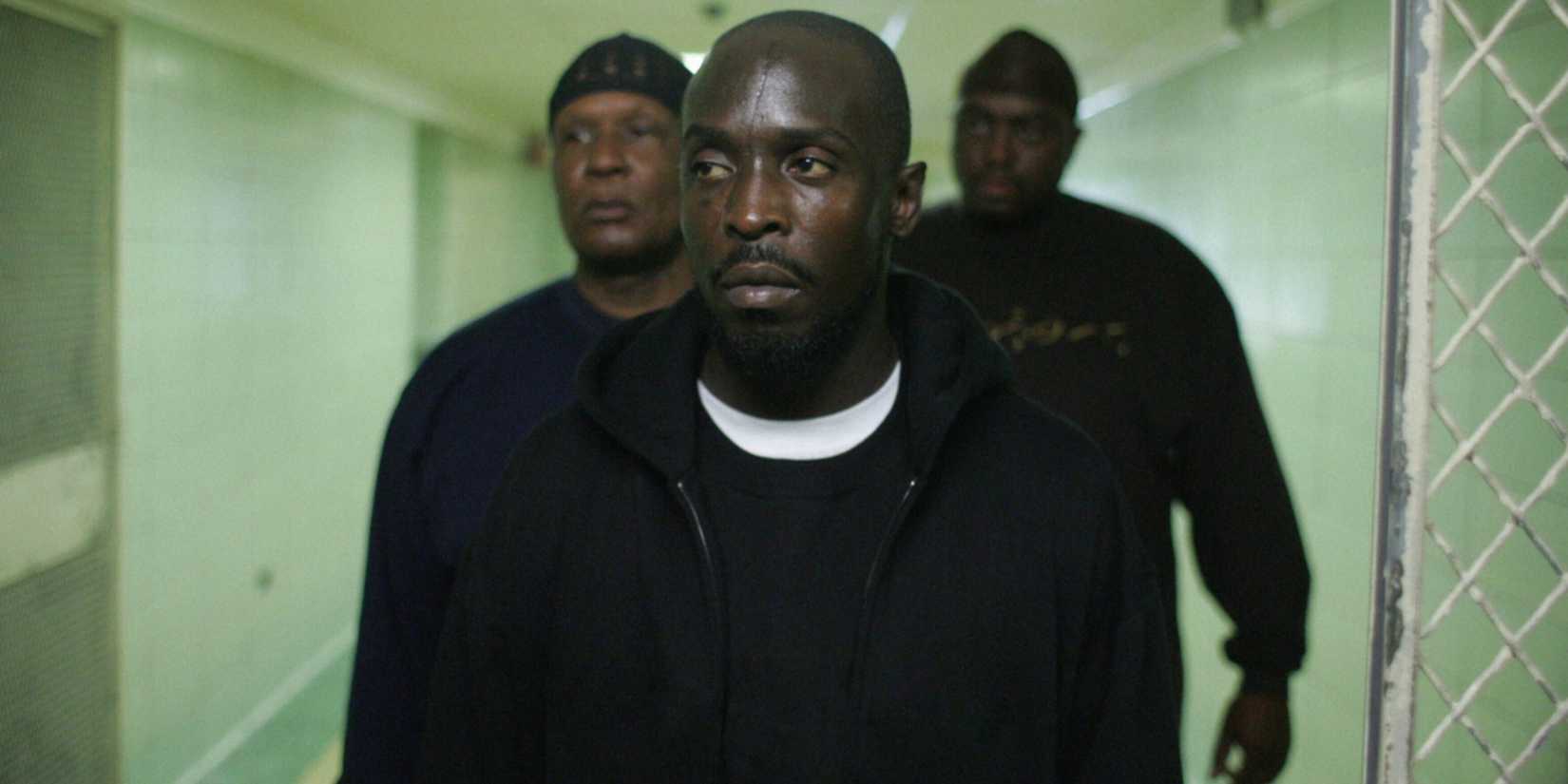
Unlike many shows from the early 2000s, The Wire has become more relevant with age rather than more dated. When it aired, the HBO drama was beloved by critics but remained a relatively niche series. Today, it is routinely considered one of the greatest television dramas ever made.
With its examination of policing, the war on drugs, politics, education, poverty, and journalism in Baltimore, The Wire became the great American novel. Revisiting the series also means seeing how many future stars were hiding in plain sight.
Idris Elba transformed Stringer Bell into one of television's most memorable antiheroes, while Lance Reddick brought quiet authority to Cedric Daniels before becoming a genre icon. A young Michael B. Jordan delivered a heartbreaking performance as Wallace before becoming one of Hollywood's biggest stars.
The stakes are enormous, but the series never needs constant twists to prove it. In an era of increasingly high-concept prestige television, there is something almost quaint about a show that trusted ordinary people, everyday struggles, and institutional failures to create some of the most compelling drama ever made.
The O.C.
2003-2007

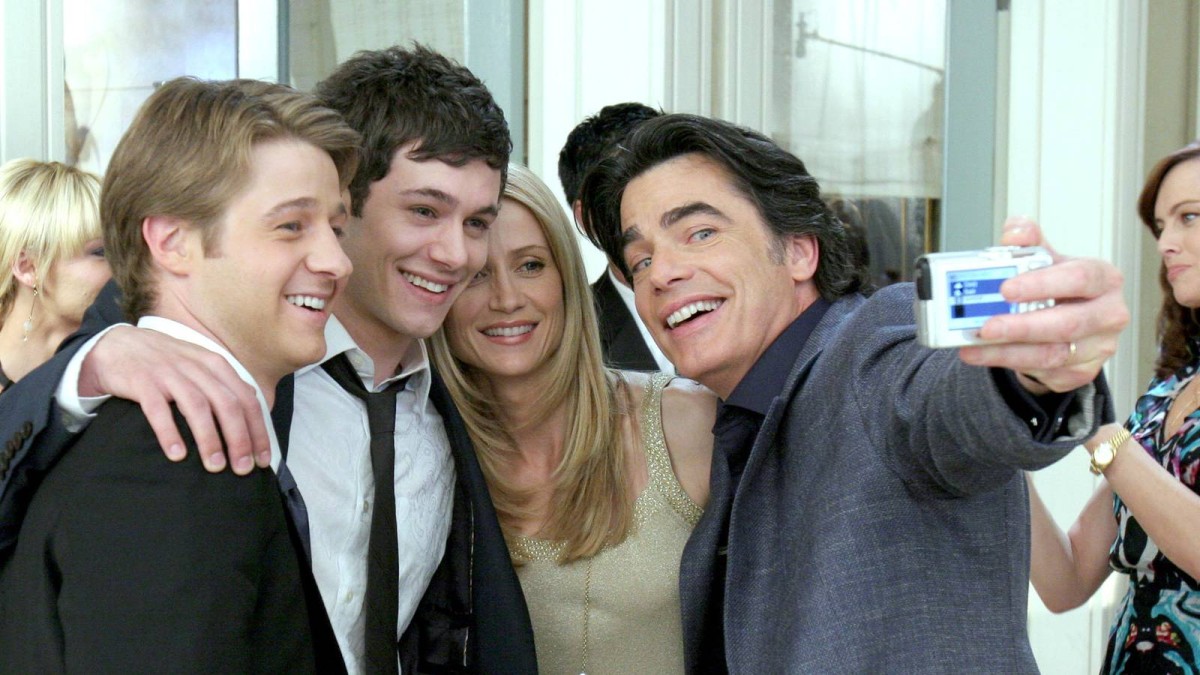
When The O.C. premiered in 2003, it became a genuine pop culture phenomenon. The O.C. helped define the 2000s, launching a generation of heartthrobs like Adam Brody, Rachel Bilson, and Mischa Barton while inspiring a wave of similar shows, from One Tree Hill to Gossip Girl.
Today, it seems like a time capsule of pre-social media adolescence, when drama unfolded through missed calls, rumors, and showing up at someone's house and showing up at someone's house instead of sending a text. The series also captured the 2000s tension between idealism and materialism, contrasting Newport's McMansions, Range Rovers, and Abercrombie aesthetic with stories about identity and belonging.
Its indie soundtrack, featuring bands like Death Cab for Cutie, Rooney, Modest Mouse, and The Killers, arguably aged better than the show itself, preserving its cultural influence. The O.C. hasn't aged perfectly, but it remains a surprisingly earnest story about community and the belief that one family can change someone's life. That sincerity feels increasingly rare in 2026.
Nip/Tuck
2003-2010

When Ryan Murphy’s Nip/Tuck premiered in 2003, it felt like one of the most shocking shows on television. Centered around plastic surgeons surrounded by beauty, wealth, and excess, the FX drama explored a culture obsessed with reinvention and the desire to control how others see you.
At the time, its graphic violence, sexuality, and deliberately outrageous storylines made it feel like boundary-pushing television. Today, however, the world Nip/Tuck was satirizing has only become more extreme. The celebrity obsession, cosmetic procedures, and pressure to curate a perfect image have expanded in the age of social media, influencers, and GLP-1 commercials at the SuperBowl.
The show now seems like a prediction of where culture was heading. Nip/Tuck captured a moment when the pursuit of perfection was becoming a cultural obsession, and decades later, its darkest warnings are more relevant than ever. More recently, Ryan Murphy's The Beauty pushes the conversation into sci-fi territory, proving that the anxieties Nip/Tuck explored were only the beginning.
Veronica Mars
2004-2007
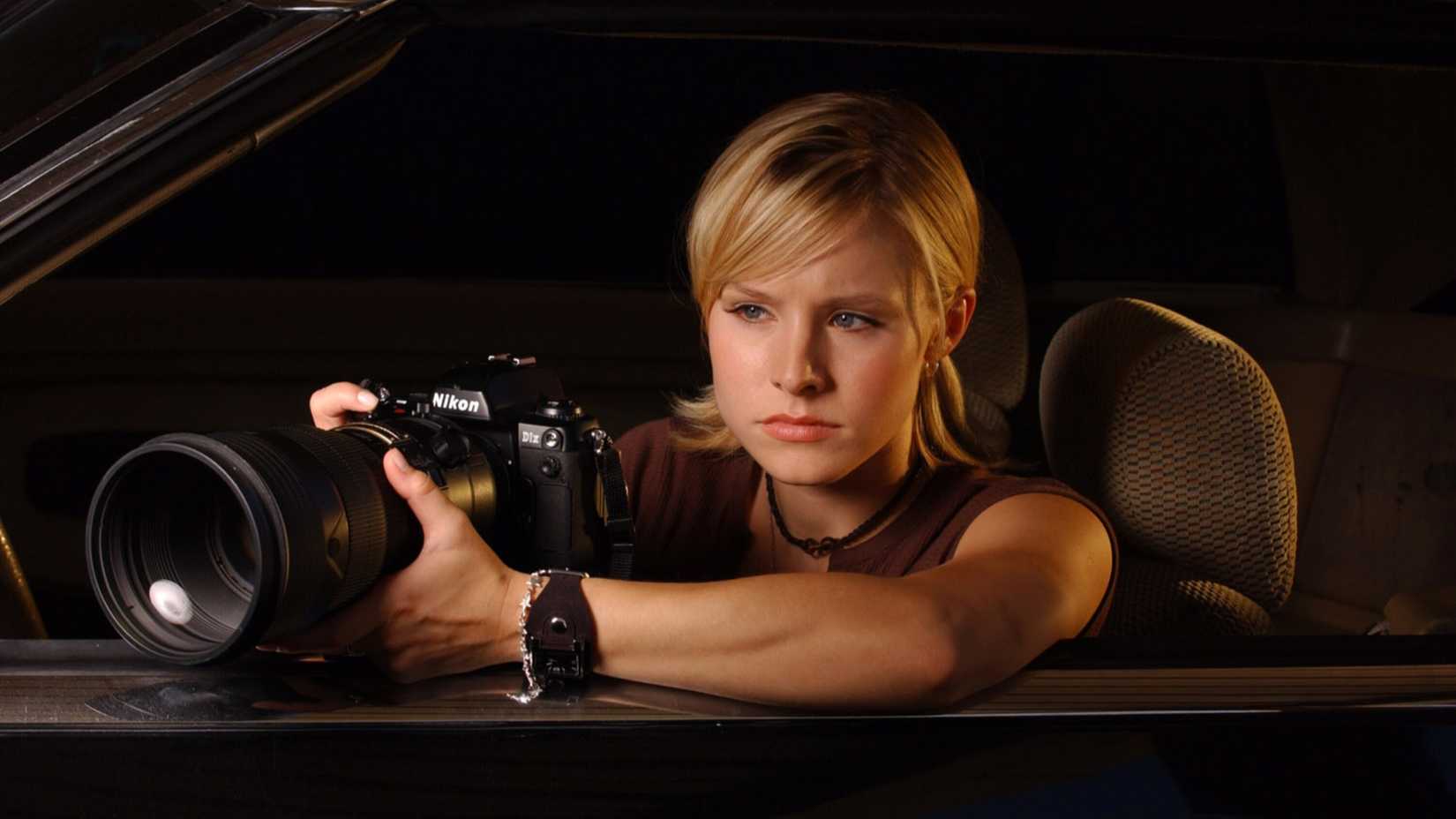
Veronica Mars changed TV two decades ago: a high school noir mystery with a sarcastic teenage protagonist, serialized storytelling, and sharp commentary on class inequality. The UPN series felt unusual for its era, but its mix of mystery, comedy, and social commentary now seems closer to the genre-bending dramas that dominate streaming.
Veronica Mars was ahead of its time, serving as one of the early examples of show with a flawed but hyper-capable female lead who did not need to be softened to be likable. Smart, funny, angry, and guarded, she helped pave the way for the complicated female antiheroes audiences embrace today.
The biggest reminder of its era is its technology. Veronica solves cases with flip phones, landlines, physical cameras, paper records, and voicemail. It’s a world where information was not instantly searchable.
Meanwhile, the divide between Neptune's wealthy "09ers" and everyone else still feels relevant, as the show's themes of privilege, inequality, and institutional failure remain surprisingly timely. However, modern viewers may also examine Veronica Mars' use of trauma and violence as mystery engines more critically, reflecting a broader shift in how those stories are handled.
Desperate Housewives
2004-2012

When Desperate Housewives premiered in 2004, it was a genuine cultural event, becoming one of the defining shows of ABC's early-2000s resurgence until the show ended in 2012. At its core, the series was built around the idea that the suburban dream was often a carefully constructed illusion.
Wisteria Lane looked perfect from the outside, but behind every door were secrets, resentment, financial struggles, betrayals, and identity crises. The show is also deeply tied to a specific era of wealth and femininity, with its manicured lawns, designer wardrobes, and picture-perfect homes creating a version of suburbia that feels almost impossible today.
Its technology is an even bigger time capsule, as mysteries unfold through landlines, answering machines, and overheard conversations. While some critics dismissed Desperate Housewives as a guilty pleasure, its central quartet offered a surprisingly complex portrayal of women.
Although some Desperate Housewives storylines have aged poorly, the series remains a fascinating blend of old-fashioned soap opera and modern satire: Dallas and Dynasty filtered through American Beauty. Desperate Housewives is a quintessential early 2000s show, and though it’s still an incredible guilty pleasure, it does hit differently in 2026.
What's Your Reaction?
 Like
0
Like
0
 Dislike
0
Dislike
0
 Love
0
Love
0
 Funny
0
Funny
0
 Wow
0
Wow
0
 Sad
0
Sad
0
 Angry
0
Angry
0





Comments (0)