

Demand for EV chargers is outstripping supply, says ChargePoint report
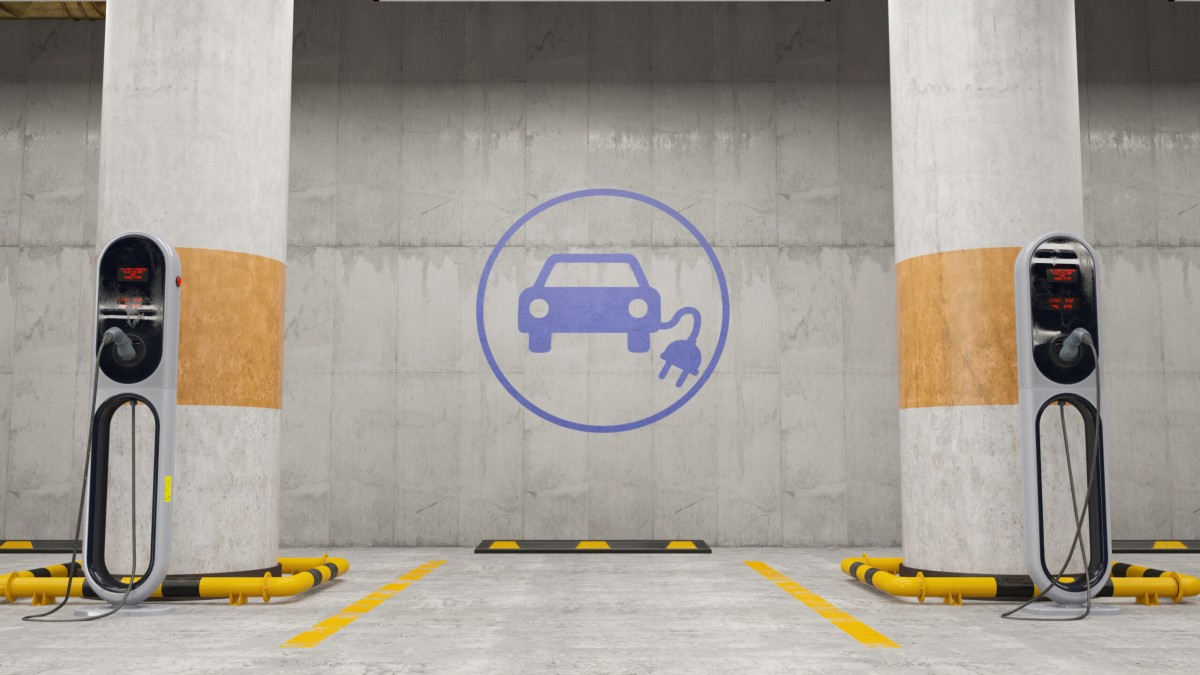
“So what we’ve determined, especially for—and we’ve got so much workplace charging, this is where most of our data comes from, but I think it’s relevant for other use cases as well—but on a five-day, eight-hour-a-day workplace scenario, if you’re above 30 percent utilization, you’re going to have drivers coming in that can’t find an open charger,” Wilmer said.
“And it’s fascinating to watch this happen because you’ll see a workplace make the decision to put some chargers in the parking lot because their employees are demanding it… So they put some in, and then other employees now have charging at work, so they buy EVs, and all of a sudden you’re up above 30 percent. And the employees are now more upset than they were before they even had EV charging because they can’t find a charger. So again, in a workplace, eight-hour-day workweek, 30 percent is kind of the magic number,” he said.
V2G RSN?
ChargePoint has developed a new range of cheaper and more powerful Level 2 (AC, 240 V) chargers for North America and has partnered with Eaton (for its smart breaker technology) to enable bidirectional charging. “We’re really pushing to get to a point where you can do a vehicle-to-home solution at a much, much lower price point than what’s available today to make it palatable for consumers that want basic use cases, just power my house when the power’s out,” Wilmer said. “You get into the more interesting use cases where I can sell my energy back or things like that, that’s all possible as well. But in the US, I mean, I had three power outages on Christmas Day; that was brutal.”
But Wilmer thinks a degree of standardization, both among the automotive industry and electrical utilities, is a necessary step before the widespread growth of V2G, where EVs might send spare power back to the grid, becomes commonplace. Additionally, “the first thing you need is cars that are AC bidirectional. Most of the vehicles in the market now only are DC bidirectional. And a DC bidirectional solution in the home is way expensive and physically very large. It just takes up way too much space. So we need the cars to get AC bidirectional-capable,” he said.
What's Your Reaction?
 Like
0
Like
0
 Dislike
0
Dislike
0
 Love
0
Love
0
 Funny
0
Funny
0
 Wow
0
Wow
0
 Sad
0
Sad
0
 Angry
0
Angry
0










Comments (0)