

Game Of Thrones Franchise's Return With New Episodes Is Officially The Start Of An Era

Published Jun 7, 2026, 2:29 PM EDT
Tom is a Senior Staff Writer at Screen Rant, with expertise covering everything from hilarious sitcoms to jaw-dropping sci-fi epics.
Initially he was an Updates writer, though before long he found his way to the TV and movies team. He now spends his days keeping Screen Rant readers informed about the TV shows of yesteryear, whether it's recommending hidden gems that may have been missed by genre fans or deep diving into ways your favorite shows have (or haven't) stood the test of time.
Tom is based in the UK and when he's not writing about TV shows, he's watching them. He's also an avid horror fiction writer, gamer, and has a Dungeons and Dragons habit that he tries (and fails) to keep in check.
The modern entertainment era is defined by franchises and cinematic universes. However, while IPs like the MCU, Star Trek, and Star Wars have a legacy behind them that helps them maintain cultural dominance, one relative newcomer managed to capture the zeitgeist in a way many established legacy properties struggle to. That franchise is, of course, Game of Thrones.
Now, House of the Dragon season 3 is set to arrive on June 21, and the return to Westeros is exciting for reasons beyond the next phase of the War of the Greens and the Blacks. With A Knight of the Seven Kingdoms season 1 concluding only a few months ago, HBO is finally operating on the same kind of interconnected release schedule that has powered the MCU and Star Wars for years. Whether that ultimately succeeds or not, this moment marks the beginning of a completely new era for Westeros.
Game Of Thrones Is Now A True Franchise
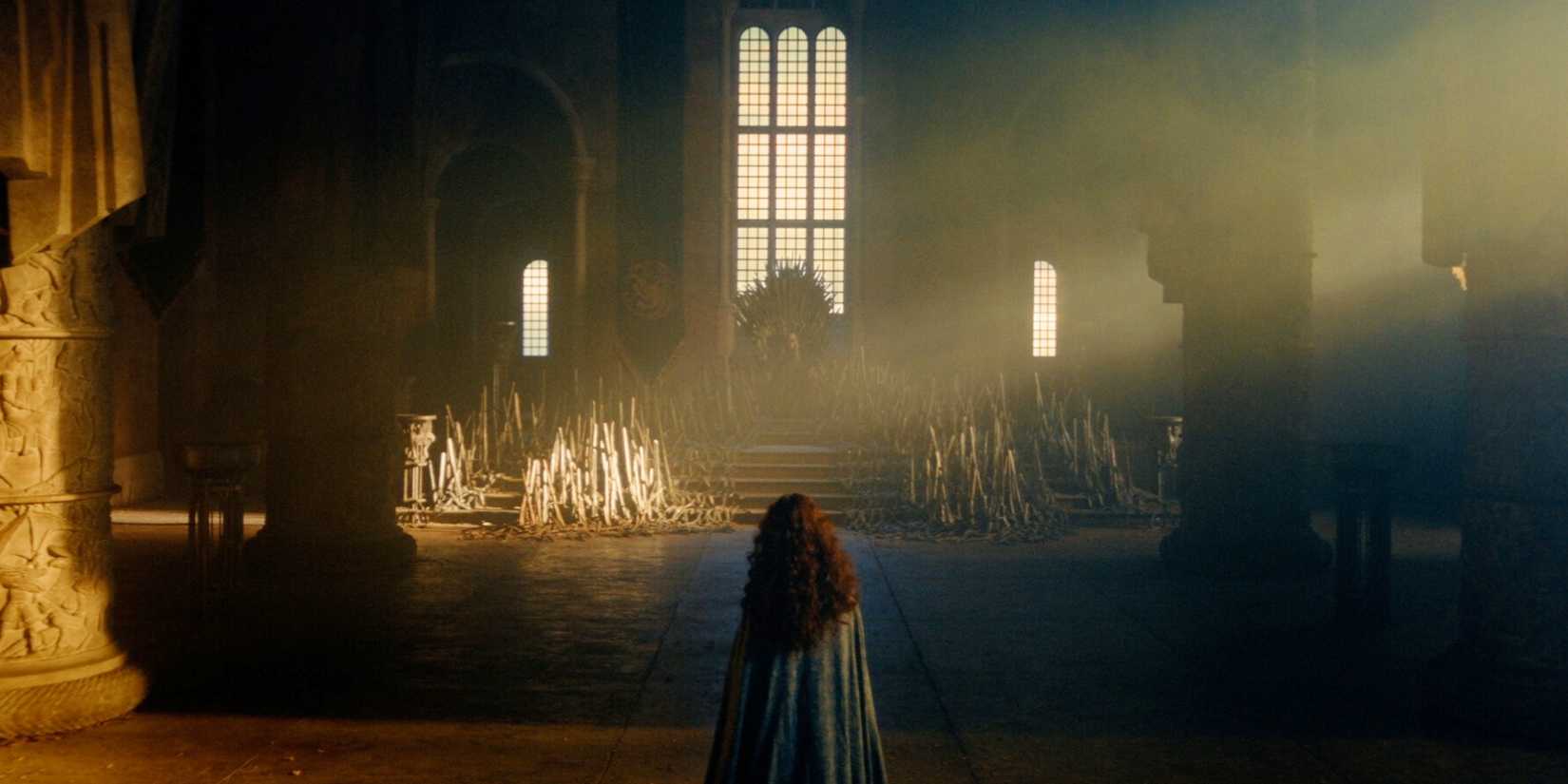
The arrival of House of the Dragon season 3 marks a genuine turning point for the wider Game of Thrones cinematic universe. For years, the franchise existed in a relatively traditional format. There was one massive flagship series, and everything revolved around it. Even after Game of Thrones concluded, HBO approached expansion into franchise territory cautiously. House of the Dragon was pushed as a prequel story for GoT rather than one piece of a larger machine. That dynamic has now fundamentally changed.
With A Knight of the Seven Kingdoms premiering earlier this year and House of the Dragon season 3 arriving in June, 2026 will be the first year with multiple live-action Westeros shows releasing together. That might sound normal for franchises like Star Wars or Star Trek, but it represents a huge evolution for Game of Thrones. Suddenly, stories set in Westeros no longer feel like occasional events. The setting finally feels like an ongoing universe.
What makes this especially interesting is how different the two 2026 Game of Thrones shows are. House of the Dragon leans heavily into the political chaos and dragon spectacle that defined GoT. A Knight of the Seven Kingdoms, meanwhile, offers a smaller-scale story focused on wandering knights and quieter adventures. That variety is exactly what major cinematic universes need to survive long-term.
What’s more, the expansion into full cinematic universe territory isn’t slowing down. Game of Thrones: Aegon’s Conquest, the franchise’s first movie, is also currently in development. There also continues to be rumors of Game of Thrones sequels, such as a show focusing on Arya Stark. It’s clear that HBO is no longer treating Westeros as a single prestige drama, and is finally committing to creating a franchise proper.
The Westeros Cinematic Universe Is A Huge Gamble
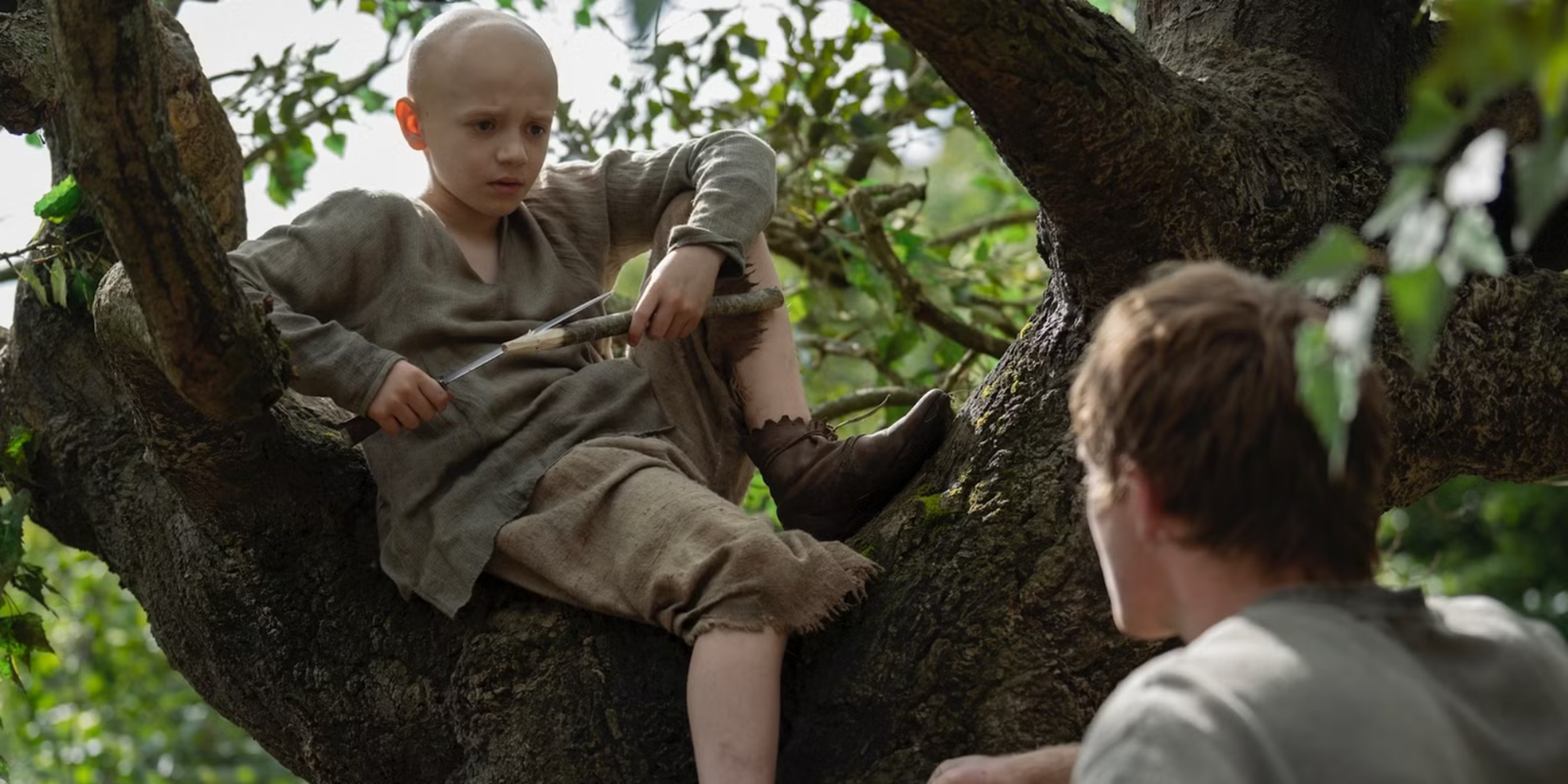
Though Game of Thrones becoming a proper cinematic universe may be exciting for diehard fans, there’s no guarantee it will work. While interconnected universes feel like they’re dominating pop culture, franchise fatigue is already setting in for audiences. The timing of HBO’s major Westeros push may be coming too late.
The reality is that neither House of the Dragon nor A Knight of the Seven Kingdoms has matched the cultural dominance of Game of Thrones. As far as viewership goes, each Game of Thrones spinoff has offered diminishing returns compared to the original series. What’s more, other franchises seem to suggest this problem isn’t unique to Westeros, but something inherent with the cinematic universe business model itself.
The various Walking Dead spin-offs mainly attract hardcore fans rather than broad mainstream audiences. The Boys also faced criticism during its final season because viewers felt too much attention was spent setting up the upcoming prequel Vought Rising. Even the MCU and Star Wars have struggled with oversaturation.
There was once enormous hype surrounding potential Game of Thrones spinoffs. However, that conversation started years ago, and audiences have changed dramatically since then. Expanding Westeros into multiple annual releases could backfire spectacularly unless each new show is good enough to justify its existence beyond simply being a new Game of Thrones series.
What's Your Reaction?
 Like
0
Like
0
 Dislike
0
Dislike
0
 Love
0
Love
0
 Funny
0
Funny
0
 Wow
0
Wow
0
 Sad
0
Sad
0
 Angry
0
Angry
0








Comments (0)