

Meta reportedly plans to rent out its AI compute, sending AI stocks tumbling — 'Meta Compute' would put company in direct competition with AWS
 (Image credit: Getty / Bloomberg)
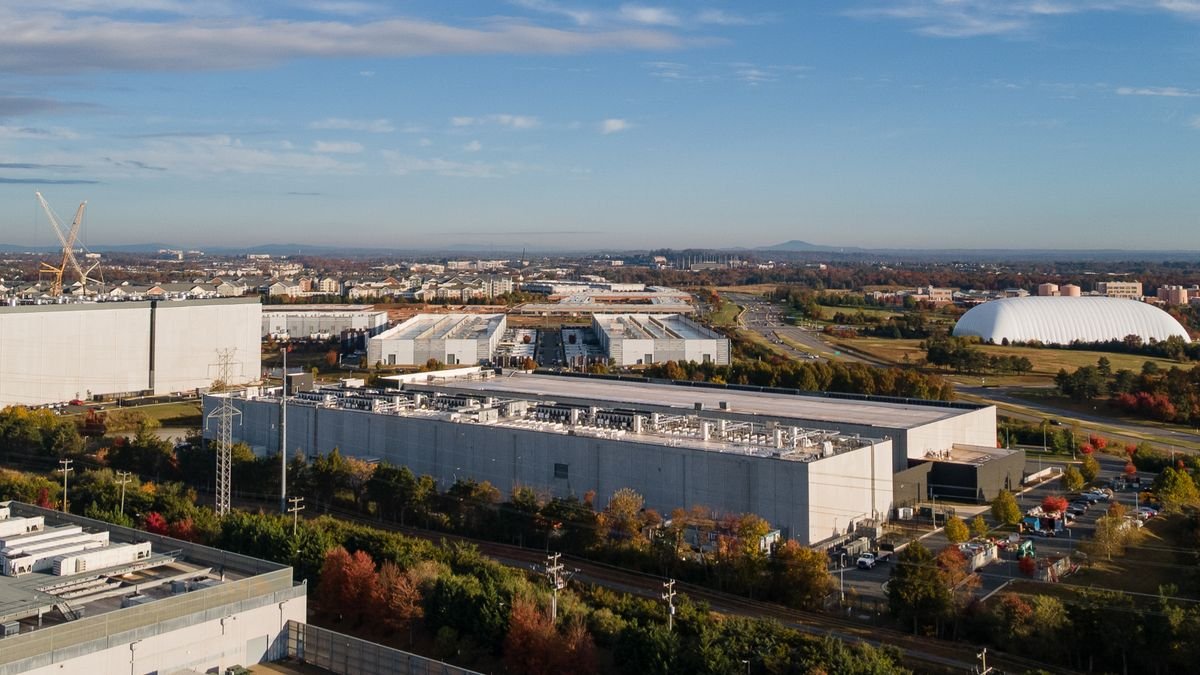
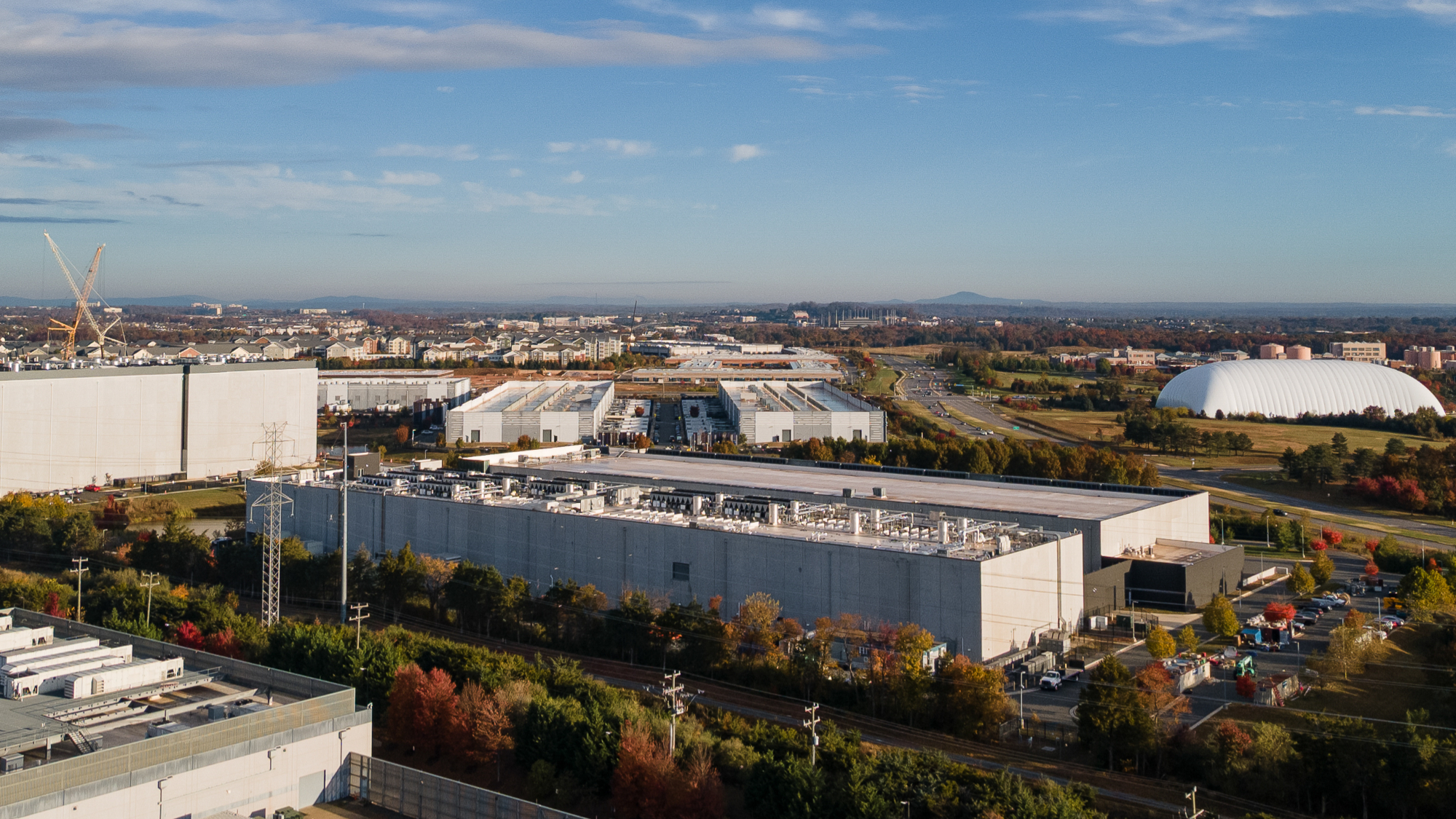
Meta is building a cloud business to sell excess AI computing capacity, according to a Bloomberg report that cites people familiar with the matter. The company is reportedly weighing two service models: selling developers access to AI models hosted on its own infrastructure, including its closed-weight Muse Spark model, in an arrangement similar to Amazon Web Services' Bedrock, or selling raw computing capacity in the same way neocloud providers such as CoreWeave do.
Go deeper with TH Premium: AI and data centers
The initiative is reportedly dubbed Meta Compute and is led by head of infrastructure Santosh Janardhan, Meta Superintelligence Labs leader Daniel Gross, and president Dina Powell McCormick. Either path would put Meta in direct competition with AWS, Google Cloud, and Microsoft Azure. Judging by Wednesday's trading, though, the market thinks the hyperscalers aren’t the ones with the most to lose.
Meta has been one of the neocloud sector's most important customers. The company expanded its cloud computing agreement with CoreWeave to $21 billion in April and has signed contracts worth up to $27 billion with Nebius, roughly $48 billion committed to renting other companies’ GPUs because its own buildout couldn’t keep pace with demand.
Investors repriced that relationship within hours of the Bloomberg report. Meta shares rose more than 10%, the stock’s biggest single-day gain in over five months, after a year in which it had fallen nearly 15% and lagged the S&P 500. CoreWeave fell 10.8%, and Nebius dropped 12.4%.
“The impact of adding Meta's capacity to the market is more likely to be on neoclouds than the big hyperscalers. Those companies like CoreWeave and Nebius rely on Meta for their growth, and Meta may not need them anymore,” Gil Luria, managing director at D.A. Davidson, told Reuters.
The report didn’t come out of nowhere. At Meta's shareholder meeting in May, CEO Mark Zuckerberg said entering cloud computing was “definitely on the table,” adding that companies were approaching Meta “almost every week” to buy access to its AI models or spare computing power.
Meta raised its full-year 2026 capex forecast to between $125 billion and $145 billion in April, citing higher component pricing and competition for land, power, and construction labor. The same week, Zuckerberg told employees that roughly 8,000 planned layoffs were a direct consequence of the company's infrastructure budget.
Get Tom's Hardware's best news and in-depth reviews, straight to your inbox.
That budget buys a heterogeneous fleet. Meta signed a 6 GW, $100 billion agreement with AMD in February, holds GPU deals with AMD and Nvidia worth roughly $110 billion combined, has announced four generations of its MTIA inference silicon, and struck a multi-billion-dollar Graviton deal with Amazon to cover general-purpose CPU shortfalls. Its Prometheus and Hyperion campuses are designed to scale to 1GW and up to 5GW, respectively.
Capacity at that scale arrives in large, indivisible increments timed to demand projections, which is how a company that was rationed on Gemini access by Google and paid neoclouds tens of billions for GPU time can simultaneously find itself with surplus compute worth selling.
We’ve seen a similar story with SpaceX. After xAI’s infrastructure, the company leased the entire capacity of the Colossus 1 data center in Memphis, more than 300 MW, to Anthropic for around $1.25 billion per month through May 2029, and subsequently agreed to rent capacity to Google for roughly $920 million per month. Bloomberg Intelligence estimates the arrangements could generate more than $50 billion by 2028.

Follow Tom's Hardware on Google News, or add us as a preferred source, to get our latest news, analysis, & reviews in your feeds.
Luke James is a freelance writer and journalist. Although his background is in legal, he has a personal interest in all things tech, especially hardware and microelectronics, and anything regulatory.
What's Your Reaction?
 Like
0
Like
0
 Dislike
0
Dislike
0
 Love
0
Love
0
 Funny
0
Funny
0
 Wow
0
Wow
0
 Sad
0
Sad
0
 Angry
0
Angry
0











Comments (0)