

Microsoft CEO Satya Nadella warns against unstable AI models
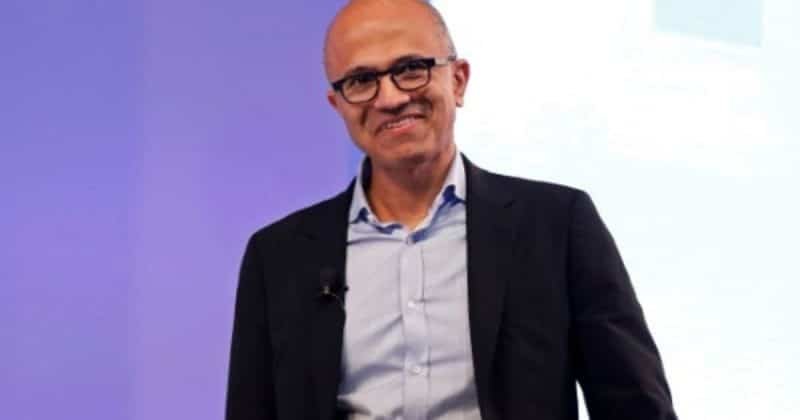
Satya Nadella has a message for every company reaching for the shiniest AI tool in the drawer: stop it.
The Microsoft CEO, speaking on the New York Times Hard Fork podcast in June 2026, urged businesses to rethink their reflexive dependence on the most powerful AI models for tasks that don’t require them. His core argument is deceptively simple. If AI’s economic benefits don’t flow broadly across industries, the entire sector risks looking like a bubble, and political backlash won’t be far behind.
The case against token-maxing
Nadella coined a useful term for the problem he’s diagnosing: “token-maxing.” It’s the tendency among companies to throw the most advanced, most expensive AI models at every problem, regardless of whether a simpler, cheaper model would do the job just fine.
“Don’t use frontier models for non-frontier problems,” Nadella said during the podcast appearance.
He admitted he’s guilty of it himself. Even the CEO of one of the world’s largest AI investors acknowledged the addictive pull of running everything through top-tier models. His point isn’t that frontier models are bad. It’s that the marginal benefits of using them need to actually outweigh the costs.
Nadella’s prescription is straightforward: route basic tasks to cheaper, less advanced models and reserve the heavy artillery for problems that genuinely demand it. Microsoft is already putting this into practice with its Copilot AI interface, which uses an auto mode designed to intelligently match tasks with appropriately sized models rather than defaulting to the most powerful option available.
The ecosystem stability problem
Nadella’s central concern is that frontier AI models need a surrounding ecosystem to remain stable. Without one, the concentration of AI value among a handful of large tech players creates a precarious dynamic. If the public perceives that massive investments in AI infrastructure, from data centers to energy grids, are only enriching a small number of companies, skepticism will follow.
Nadella first raised this theme publicly at the Davos forum in January 2026, where he stressed that AI’s rewards must extend beyond the major technology firms driving its development. The implication was clear: an AI economy that looks like it only works for Big Tech is an AI economy that invites regulatory intervention and public backlash.
Microsoft has been building a multi-model strategy, cultivating partnerships with OpenAI, Anthropic, and xAI rather than betting everything on a single AI provider.
Disclosure: This article was edited by Editorial Team. For more information on how we create and review content, see our Editorial Policy.
What's Your Reaction?
 Like
0
Like
0
 Dislike
0
Dislike
0
 Love
0
Love
0
 Funny
0
Funny
0
 Wow
0
Wow
0
 Sad
0
Sad
0
 Angry
0
Angry
0








Comments (0)