

No Ego in Photography: Why Shooting for Yourself Changed Everything for Me
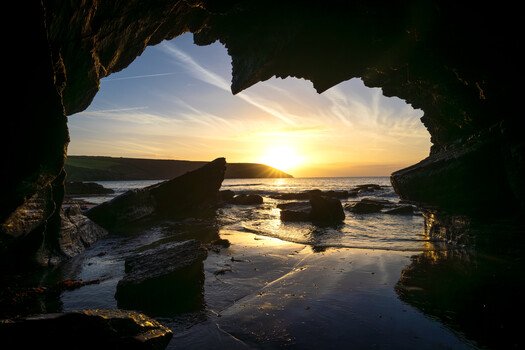
The longer I spend around photography, the more I realize how easy it is to quietly lose sight of why we started taking photographs in the first place.
It rarely happens all at once. Usually it happens gradually.
At the beginning, photography often feels simple. You take photographs because you enjoy the process. You are curious about light, composition, weather, locations, or simply the experience of being outside with a camera. There is very little pressure attached to it because there are no expectations yet.
Then at some point, whether through social media, external validation, comparison, or even your own ambitions, photography can start feeling different.
You begin wondering whether an image is good enough before you even take it. You start questioning whether a location has already been photographed too much. Sometimes you stand in front of a scene you personally enjoy but decide not to photograph it because you assume nobody else will care about it.
I know this because I have done all of those things myself.
That shift is where ego quietly enters photography, and I think ego in photography is misunderstood quite often. People usually associate ego with arrogance, but in my experience it is far more connected to self-consciousness than confidence.
It is the fear of judgment. The fear of irrelevance. The feeling that every image somehow needs to justify itself to other people before it is worth taking.
Once photography starts revolving around that mindset, it becomes very easy to lose enjoyment in the process entirely.
Photography Was Never Meant to Feel Like a Performance
One of the most important lessons I have learned over the years is that photography is still an incredibly personal act no matter how public the final image becomes.
Even when sharing work online or exhibiting photographs, the actual process of making the image is usually quiet and individual. You decide where to stand. You decide what matters in the frame. You decide when to press the shutter and when to stop shooting.
Those decisions belong entirely to you.
The problem begins when those decisions stop being guided by your own instincts and start being shaped by imagined reactions from other people.
I went through periods where I would arrive at beautiful locations and immediately start thinking about whether the image would "perform" well rather than whether it actually meant something to me personally. Without realizing it, I had started photographing for approval rather than for curiosity.
That mindset drains creativity surprisingly quickly.
Photography started feeling heavier during those periods. Instead of experimenting or enjoying the experience, I became overly focused on outcomes. Ironically, the more I chased validation, the less connected I felt to the photographs themselves.
"Don't Shoot for the Gallery"
One piece of advice that stayed with me over the years came from Michael O'Sullivan, who once said to me: "Don't shoot for the gallery."
At the time, I understood the phrase on a surface level, but the older I get, the more important I think that advice really was.
Shooting for the gallery means pre-judging the image before it even exists. It means imagining the audience before you have properly experienced the scene yourself.
Once you start doing that, your decision-making changes immediately.
You stop taking risks. You avoid quieter compositions because they may not attract attention. You start second-guessing personal work because it may not fit expectations. Sometimes you stop photographing entirely because nothing feels "worthy" enough.
That mindset limits growth massively because exploration disappears before it even begins.
Some of the photographs that matter most to me personally are images that would probably never become my most popular work online. They are quieter images. More subtle conditions. Simpler compositions. Photographs connected to a memory or experience rather than an obvious dramatic moment.
Years ago I might not even have bothered taking those images because I was too focused on how they might be received.
Now I value them far more.
Returning to the Same Locations Taught Me a Lot
One of the biggest signs that I had started shooting more for myself was when I stopped worrying about repetition.
There are locations across Ireland that I have photographed countless times over the years. Earlier in my photography journey, I sometimes avoided revisiting certain places because I worried people would see the work as repetitive.
The reality is that landscapes are never truly the same twice.
Light changes. Weather changes. Your perspective changes. Sometimes you return to a familiar place and see it completely differently because you have changed as a photographer since the last visit.
When you remove the pressure of constantly needing novelty, photography becomes much more observational again.
You begin noticing smaller details. Subtle shifts in atmosphere. Different moods within familiar scenes.
I think a lot of photographers miss out on deeper understanding because they feel pressured to constantly chase new locations rather than spending enough time understanding the ones already in front of them.
Social Media Complicates Things
I do not think social media is entirely negative for photography. It has introduced photographers to new ideas, new locations, and communities they may never have discovered otherwise.
But it absolutely changes behavior if you are not careful.
It becomes very easy to subconsciously photograph for engagement rather than for personal connection. Bright colors, dramatic edits, popular compositions, and easily digestible images often receive more attention online, and over time that can influence what photographers choose to shoot.
I noticed periods where I was thinking about the upload before I had even fully experienced the location itself.
That is not a healthy relationship with photography.
One question I ask myself more often now is very simple: would I still take this photograph if nobody else was ever going to see it?
Sometimes the answer genuinely reveals a lot.
If the photograph still matters without external validation attached to it, then chances are the motivation behind it is honest.
Removing Ego Made Photography More Enjoyable Again
The strange thing about ego in photography is that it usually makes the process less enjoyable while simultaneously convincing you that external success will fix that feeling.
In reality, the enjoyment usually comes back when you stop treating every image like a judgment of your ability.
Once I became less attached to reactions, photography started feeling lighter again.
I became more willing to experiment. More willing to fail. More willing to photograph scenes that interested me personally even if I knew they might not attract attention online.
That freedom improved my photography far more than chasing trends ever did.
It also helped me during quieter periods creatively.
Every photographer experiences phases where inspiration feels lower or where conditions simply do not cooperate. When photography is driven entirely by validation, those periods can feel discouraging very quickly.
When photography is driven by genuine curiosity, those periods become much easier to move through because the process itself still has value even when the results are inconsistent.
Technical Simplicity Comes From Letting Go of Ego Too
I also noticed that ego affects technical decisions far more than people realize.
There was definitely a period where I cared too much about owning certain gear because I associated it with credibility as a photographer. New lenses, expensive accessories, or complicated setups sometimes felt more connected to identity than actual necessity.
Over time I realized the camera is simply a tool.
Once ego is removed from photography, technical decisions become much more practical. You use the equipment that helps you create the photograph rather than the equipment that feels impressive to own.
Mistakes become easier to accept as well.
Instead of treating failed images as personal failures, they simply become information. Something did not work. You adjust. You learn. You move on.
That mindset is far healthier and far more sustainable long term.
Photography Lasts Longer When It Stays Personal
I think one of the biggest reasons photographers burn out is because photography slowly stops belonging to them.
It becomes tied to expectations, performance, comparison, or pressure. Eventually the process feels more like proving something than experiencing something.
The photographers I know who stay connected to photography for decades usually share one thing in common. They still photograph because they genuinely enjoy it.
Not because every image is successful. Not because every shoot produces portfolio work. But because the act of photographing itself still matters to them.
That is something I try to hold onto myself.
Some photographs never get shared. Some images exist purely because they captured a feeling or moment I personally wanted to remember. And honestly, some of those photographs matter more to me than the ones that perform best publicly.
And at the End of It All
Removing ego from photography does not mean lowering standards or losing ambition.
It simply means allowing photography to remain honest.
For me, the biggest improvement came when I stopped worrying so much about whether every image justified itself to other people. Once I focused more on photographing what genuinely interested me, the process became far more enjoyable, sustainable, and creatively fulfilling.
Photography does not always need to impress people to have value.
Sometimes it just needs to mean something to the person holding the camera.
And in the long run, I think those are often the photographs that last the longest anyway.
Does this resonate with you? Let's continue the conversation in the comments below.
What's Your Reaction?
 Like
0
Like
0
 Dislike
0
Dislike
0
 Love
0
Love
0
 Funny
0
Funny
0
 Wow
0
Wow
0
 Sad
0
Sad
0
 Angry
0
Angry
0





Comments (0)