

The perfect movie to watch after Christopher Nolan’s Odyssey is already streaming

Published Aug 2, 2026, 11:00 AM EDT
The 28 Years Later actor commands the screen in a quieter take on Homer's classic tale
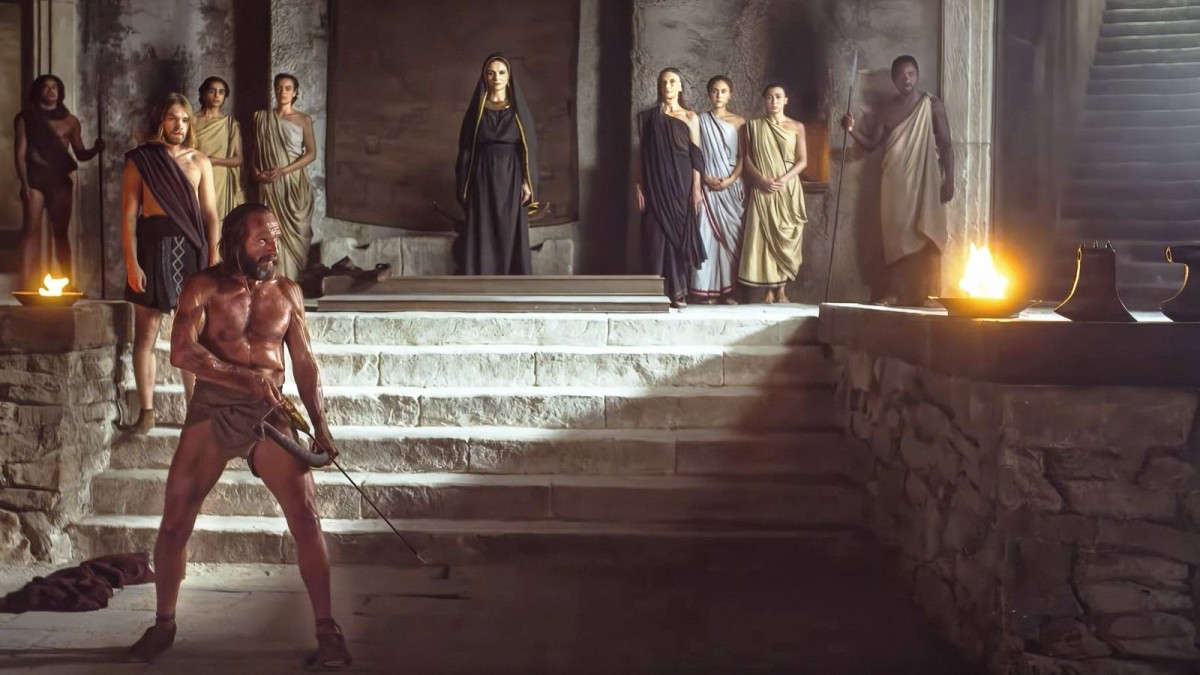
 Image: Bleeker Street/Everett Collection
Did you know Christopher Nolan's The Odyssey already has a sequel? And it’s streaming on Paramount Plus? This is a 95% true statement.
Nolan’s take on Homer is finally in theaters, bringing with it the spectacle audiences have imagined for nearly 30 centuries. The epic proves yet again to be one of literature's greatest adventures, and Nolan's blockbuster embraces that larger-than-life mythology with some of the very best depictions of Circe, the Cyclops, the Sirens, and the wrath of Poseidon. Although it's a story as old as time, Nolan still captures it with a sense of discovery that makes the familiar feel new again. IMAX has that effect.
Yet there's another adaptation of the same story worth seeking out after experiencing Nolan’s own epic, an adaptation that strips almost all of the myth away in favor of a more grounded, gritty presentation of Odysseus’s return home. Director Uberto Pasolini’s The Return skips almost everything people associate with The Odyssey to focus on what comes after, highlighting in blood-soaked detail what it means to come home after 20 years of violence. If you thought a weathered Matt Damon beating up Penelope’s suitors was a rush, wait until you see The Return.
The film stars Ralph Fiennes as an aging Odysseus. Washed up on the shores of Ithaca in the wake of a harrowing journey shaped by the fall of Troy and the wrath of Poseidon, Odysseus must navigate a home filled with suitors and a kingdom that no longer recognizes him. It's a surprisingly compelling way into a story most of us think we already know fairly well.
What struck me most watching The Return wasn't what it leaves out, but how confidently it commits to zooming in on the character’s arc with barely any nods to the better-known parts of the story. Pasolini isn't interested in competing with spectacle, and the film is better for it. Filmed on location in Greece (notably Corfu and The Peloponnese) and Italy, The Return feels steeped in an ancient world that’s tangible rather than mythological. Sun-bleached coastlines, weathered stone buildings, practical costumes, and understated production design give the impression of a lived-in Bronze Age instead of a heightened fantasy. It looks incredible without ever calling attention to itself.
The dialogue feels just as carefully considered, often pulling directly from Homer's themes without sounding overly theatrical. There's an honesty to the writing that trusts silence just as much as speeches, allowing conversations to linger in ways that feel surprisingly modern despite the ancient setting. And then there's Ralph Fiennes.
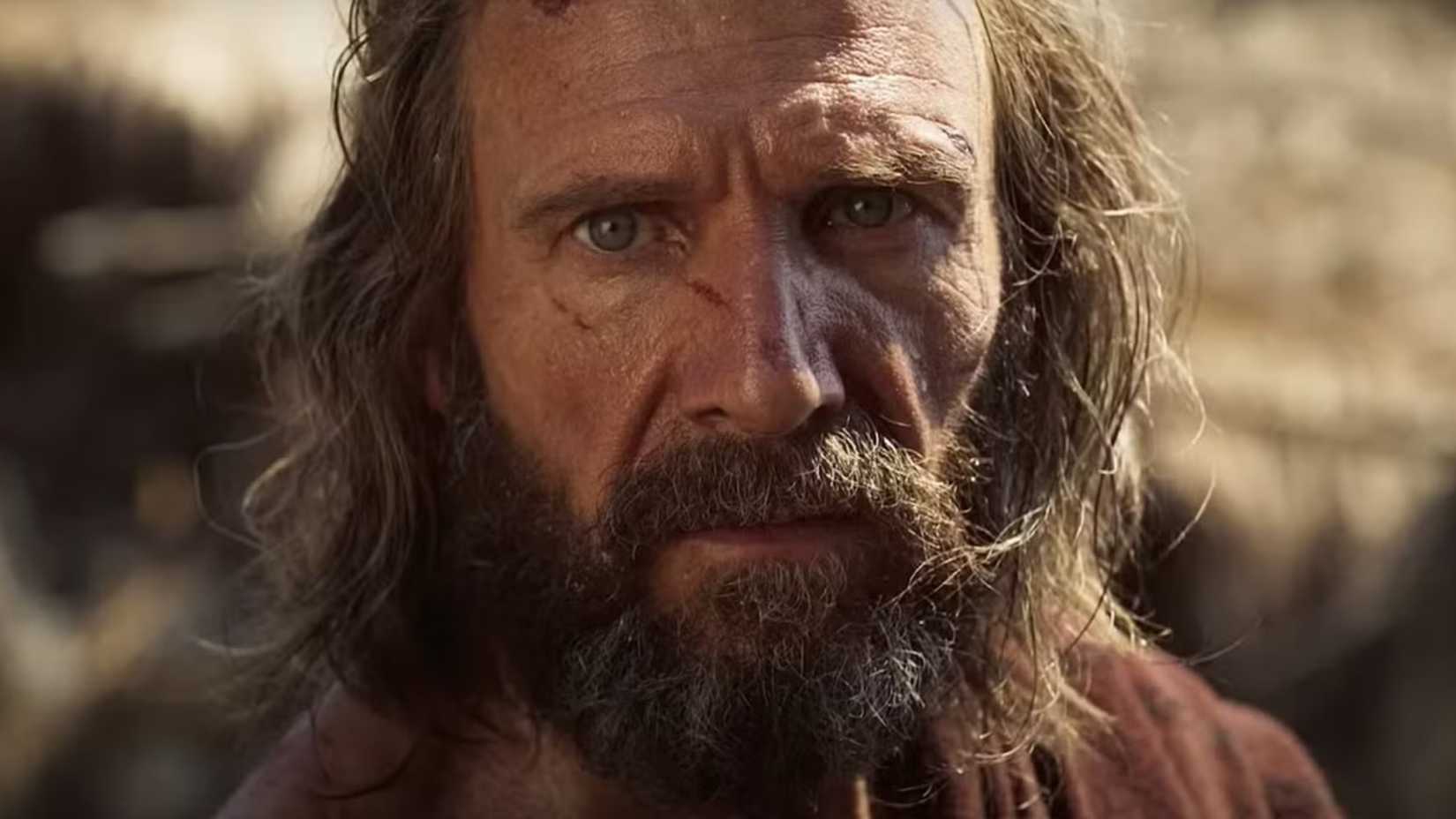 Image: Bleecker Street
Fiennes gives one of his strongest performances in years, portraying Odysseus less as a legendary king than as a man physically and emotionally hollowed out by decades of war. He's gaunt, exhausted, and constantly carrying the weight of memories no one else around him can fully understand. Even standing still, there's a physicality to the performance that tells its own story, making it an especially fascinating companion piece to some of his recent work in films like 28 Years Later and The Bone Temple, where his presence alone communicates volumes. (Sorry Nolan fans, but he’s even better than Damon in playing a weathered hero, in my opinion).
His delivery is exceptional throughout, but a handful of lines have stayed with me long after watching. One perfectly delivered line occurs during his return and reunion with Eumaeus (Claudio Santamaria), telling the man, "People love stories," with a kind of weary understanding that reframes the entire film. Later in the same scene comes the haunting reflection of moments that hang over the entire film but are never actually visually presented. He says in describing the sacking of Troy, "We burned it to the ground and dried the flames in blood." In Fiennes' hands, it isn't a triumphant remembrance of war, but a confession in the throes of immense regret. A lifetime of journeying compressed into a single sentence.
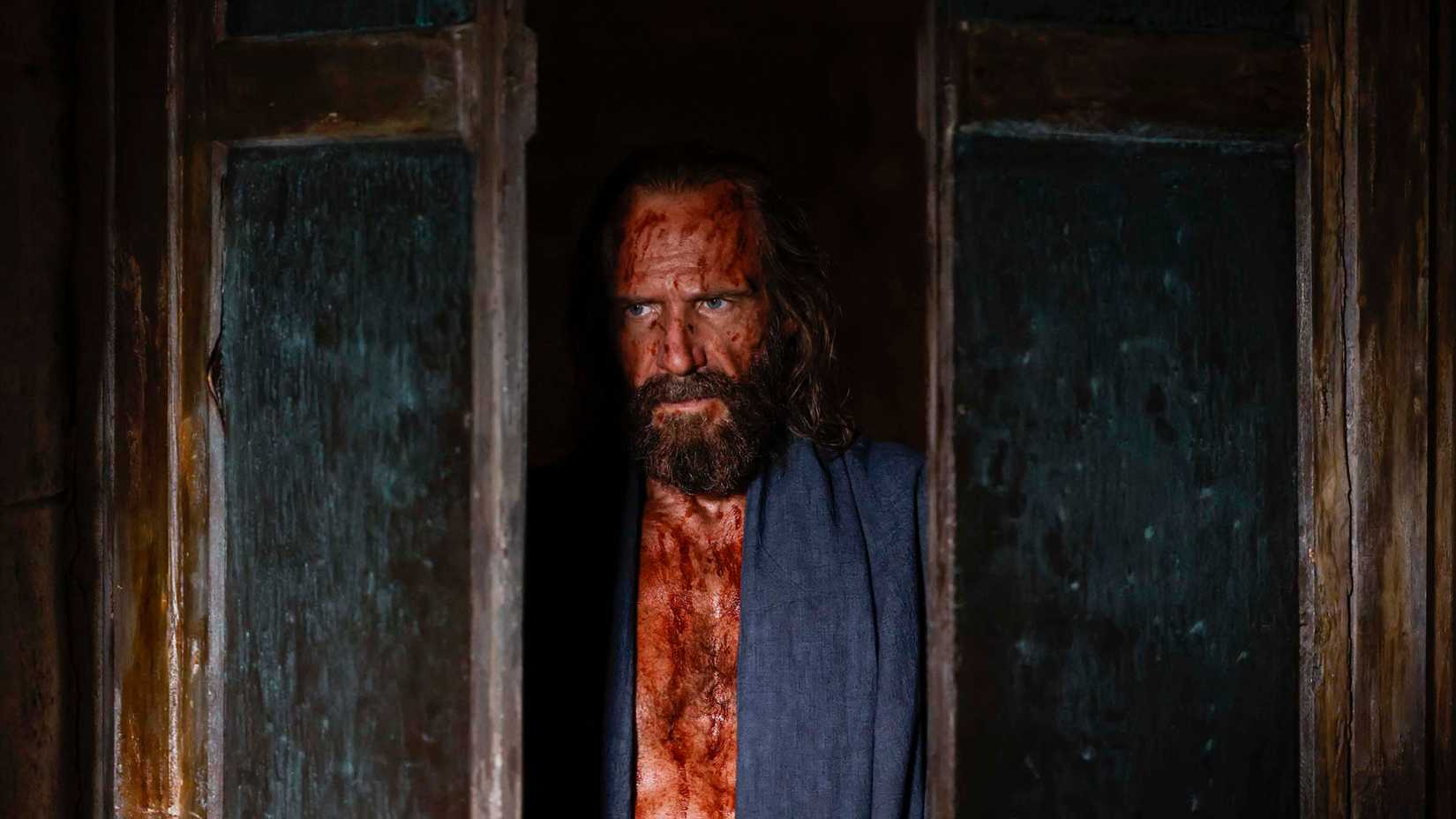 Image: Bleecker Street
That's really what separates The Return from other adaptations of The Odyssey. Nolan's film reminds us why Odysseus became one of mythology's greatest heroes. Pasolini reminds us what becoming that hero might have cost him in the long run.
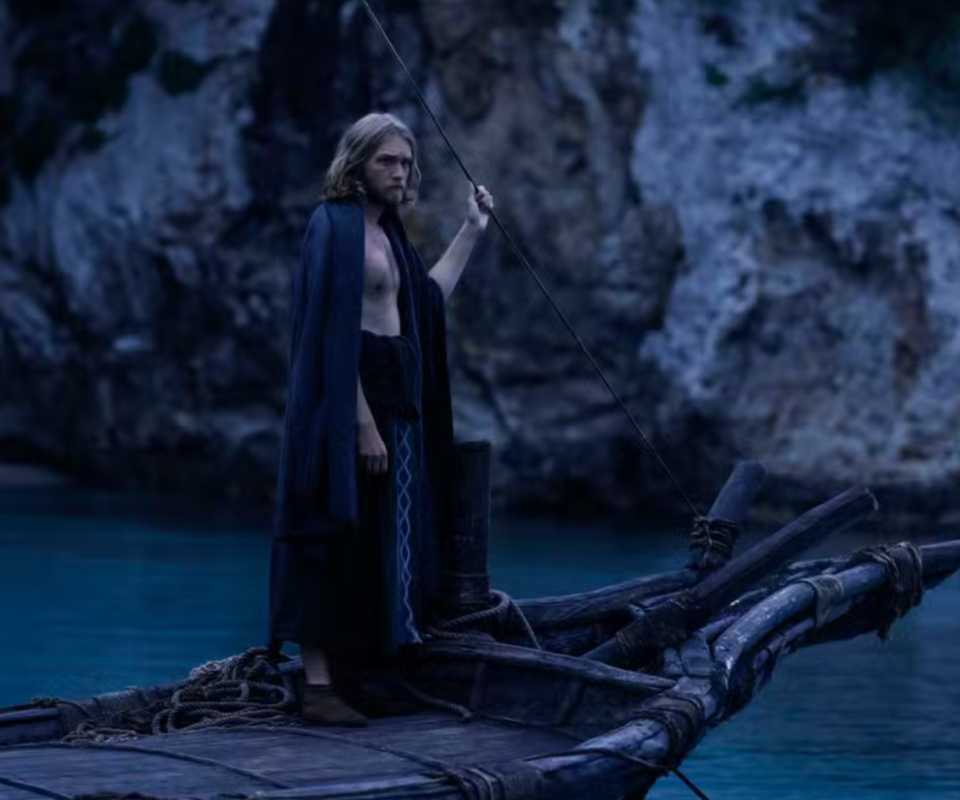
The supporting cast is equally strong. Charlie Plummer brings vulnerability to Telemachus, whose relationship with the father he barely knows becomes one of the film's emotional pillars. While the boy’s sea-bound venture is left off-screen, he gets some great moments to shine later into the story, especially following a thrilling chase scene through the woods as the suitors seek to kill him. Marwan Kenzari gives Antinous a dangerous confidence that makes every scene inside the palace simmer with tension. He’s no Robert Pattinson, but he handles the role with striking authority, and meets a particularly surprising end. Claudio Santamaria is quietly wonderful as Eumaeus, grounding the story with warmth and unwavering loyalty to Odysseus.
It’s interesting how, especially when compared to Nolan’s version, the most affecting moments in The Return aren't the confrontations, but the reunions. The sequence involving Argos, Odysseus' faithful dog, is genuinely heartbreaking. Pasolini lets the scene breathe, understanding that recognition carries more emotional weight than spectacle ever could. It's followed later by Odysseus' first encounter with Penelope, who doesn't realize the stranger before her is her long-lost husband. Their exchange is restrained, almost painfully so, built entirely on the unspoken costs of war. They're among the film's finest scenes because they recognize that The Odyssey isn't defined by the journey itself, but by the uncertainty of what awaits at its end.
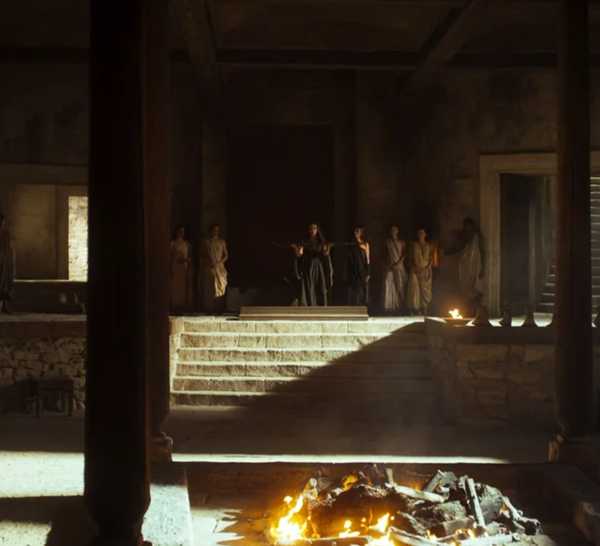
That deliberate pacing won't work for everyone — the beginning is slow. There are moments where The Return feels so committed to honoring Homer's text and its historical sensibilities that it risks becoming almost too restrained. But I also think that's its greatest strength. Rather than trying to reinvent one of literature's defining works, Pasolini pares it down to its most human observations. If Christopher Nolan's The Odyssey is the definitive modern blockbuster interpretation of Homer's epic, The Return feels like its perfect companion piece. One embraces the myth, while the other strips it away until all that's left is the man beneath it.
Watch Nolan's film for the adventure, then watch The Return for the reckoning. Together, they make a remarkably complete portrait of one of literature's greatest heroes.
The Return is streaming on Paramount Plus.
What's Your Reaction?
 Like
0
Like
0
 Dislike
0
Dislike
0
 Love
0
Love
0
 Funny
0
Funny
0
 Wow
0
Wow
0
 Sad
0
Sad
0
 Angry
0
Angry
0






Comments (0)