

Tokyo court rules movie and anime 'spoiler articles' are copyright infringement in landmark criminal case — detailed, monetized plot summaries land man in Japanese prison
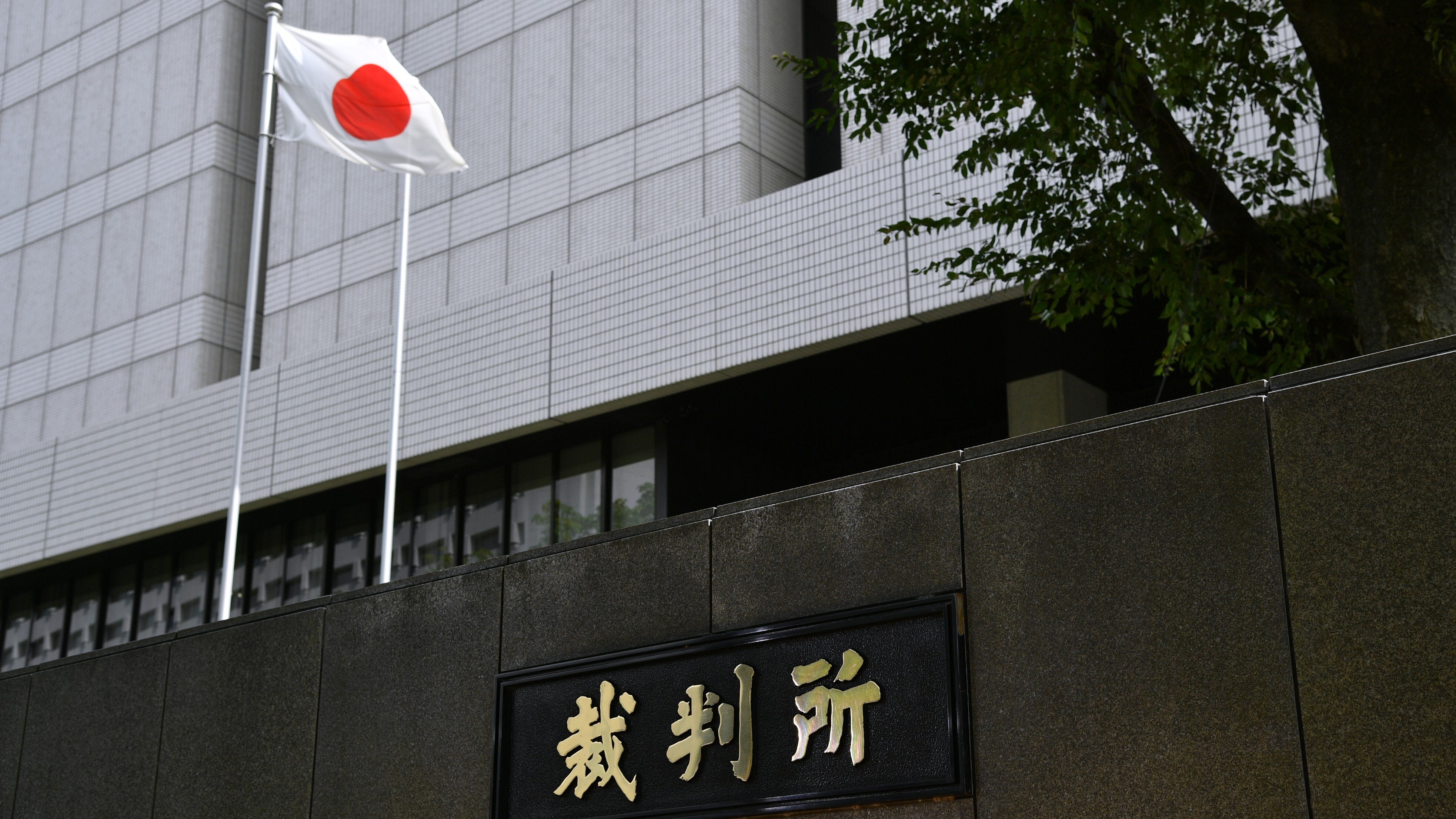 (Image credit: Getty Images)
In a new landmark ruling, the Tokyo District Court has sentenced 39-year-old Wataru Takeuchi to 1.5 years in prison and imposed a 1 million Yen ($6,300) fine for posting "spoiler articles." The defendant ran a website that shared detailed plot summaries of movies and anime, often describing the entire story from start to finish. Prosecutors argued these articles were infringing on copyright because of their strenuous detail.
The case was filed by CODA, on behalf of Kadowaka Corporation and Toho's complaints. It surrounds two specific articles written between 2018 and 2023. The first article was about an episode of the anime Overlord that aired in 2018, owned by Kadokawa. The second article detailed the movie Godzilla Minus One, which came out in 2023, owned by Toho, the largest studio in Japan, and a name infamous for stringent trademark protection.
Article continues below
Under Japanese law, “creating a new work by making creative modifications to the original while preserving its essential characteristics" is broadly classified as an adaptation. Of course, adapting anything requires permission from the original IP holder, which these spoiler articles didn't have. The defense argued against this by saying no one can fully grasp the characteristics of a project by reading an article on it.
The prosecutors could always swing back because it's not just about the opportunity cost of lost viewers anymore; it’s the fact that you’ve actively "profited" from that loss. Anyhow, the conclusion for this case sets a new precedent, one that everyone will perceive differently. If your plot summaries have too much detail in Japan, you might be held liable for copyright infringement unless you're compensating the IP holders.
Get Tom's Hardware's best news and in-depth reviews, straight to your inbox.
We mentioned CODA at the start, which stands for Content Overseas Distribution Association, and it's the engine behind this push for copyright protection in recent years. CODA is a coalition of 32 Japanese companies that collectively go after piracy. It has previously managed to ban "Fast Movies" — 10-minute-long recaps on YouTube that used edited footage from a project made by any studio part of CODA.
Now, CODA has taken the same logic and applied it to text, and while spoiler articles aren't effectively banned like fast movies (yet), Japan seems to be working toward that paradigm. Beyond combating piracy, CODA is redefining what ‘fair use’ represents as a whole because, unlike America, Japan doesn’t have a broad fair use doctrine. Instead, its law relies on specific justifiable exceptions, such as “quotation,” which allow limited use of copyrighted content under specific conditions and intent.

Follow Tom's Hardware on Google News, or add us as a preferred source, to get our latest news, analysis, & reviews in your feeds.
Hassam Nasir is a die-hard hardware enthusiast with years of experience as a tech editor and writer, focusing on detailed CPU comparisons and general hardware news. When he’s not working, you’ll find him bending tubes for his ever-evolving custom water-loop gaming rig or benchmarking the latest CPUs and GPUs just for fun.
What's Your Reaction?
 Like
0
Like
0
 Dislike
0
Dislike
0
 Love
0
Love
0
 Funny
0
Funny
0
 Wow
0
Wow
0
 Sad
0
Sad
0
 Angry
0
Angry
0











Comments (0)