

Tom Murphy Has Photographed Yellowstone’s Bison for Over 40 Years
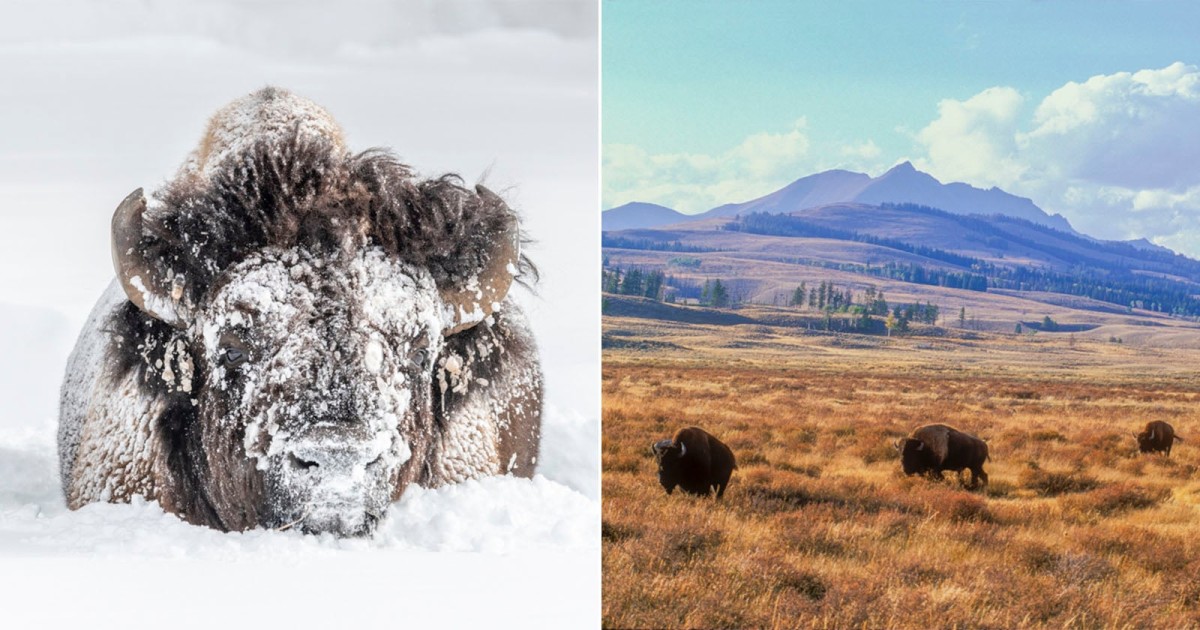
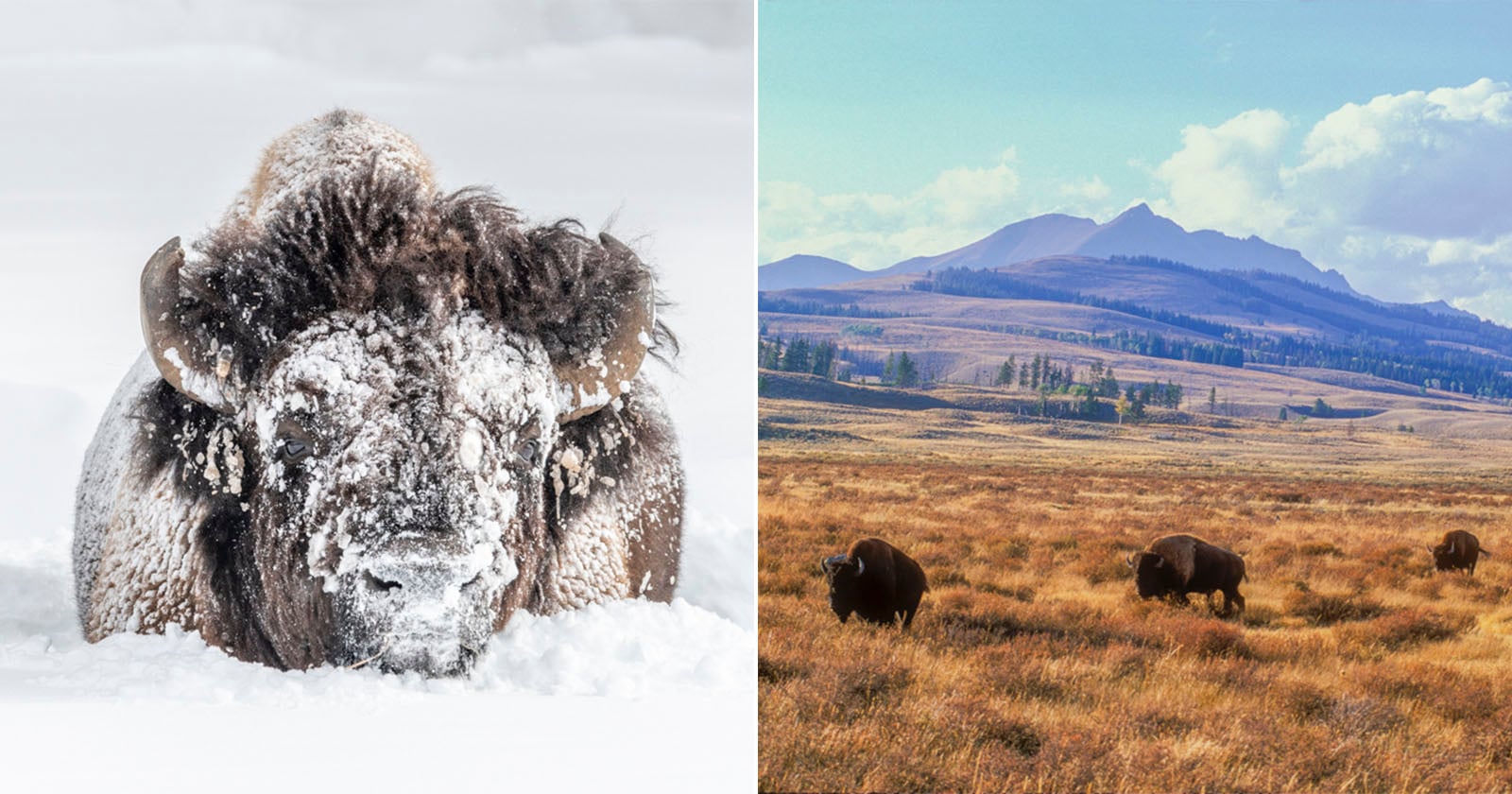
While fine art wildlife and landscape photographer Tom Murphy has traveled all around the world, capturing exceptional photographs, he is perhaps best known for his prolific and acclaimed work in and around Yellowstone National Park, where Murphy has called home for over 50 years.
Murphy’s illustrious career has included numerous beautiful photo books, including a new one in conjunction with the conservation organization, Yellowstone Forever, and even a United States Postal Service stamp offering Murphy’s work.
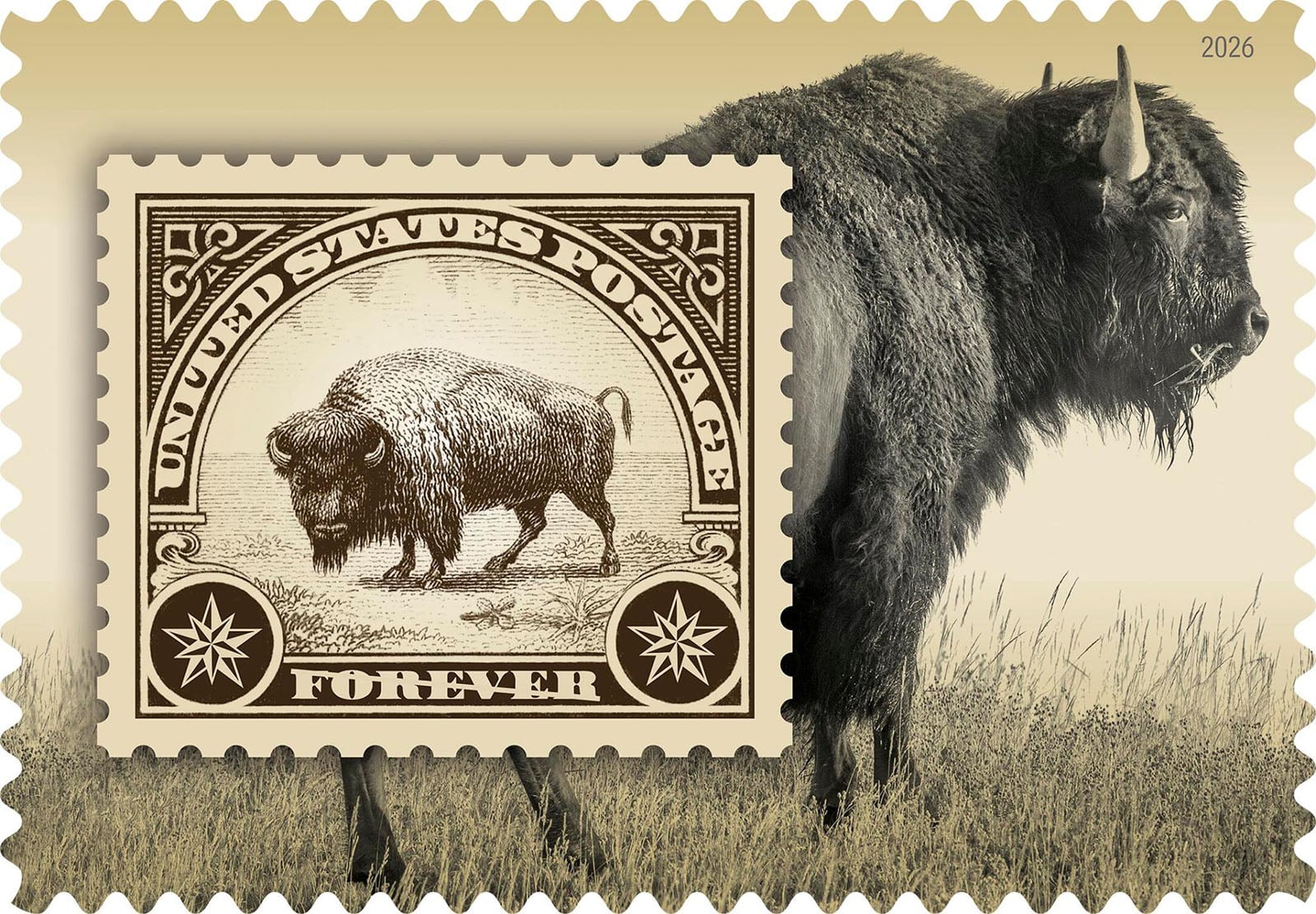 United States Postal Service
Yellowstone’s Historic Bison Are Undeniably Incredible
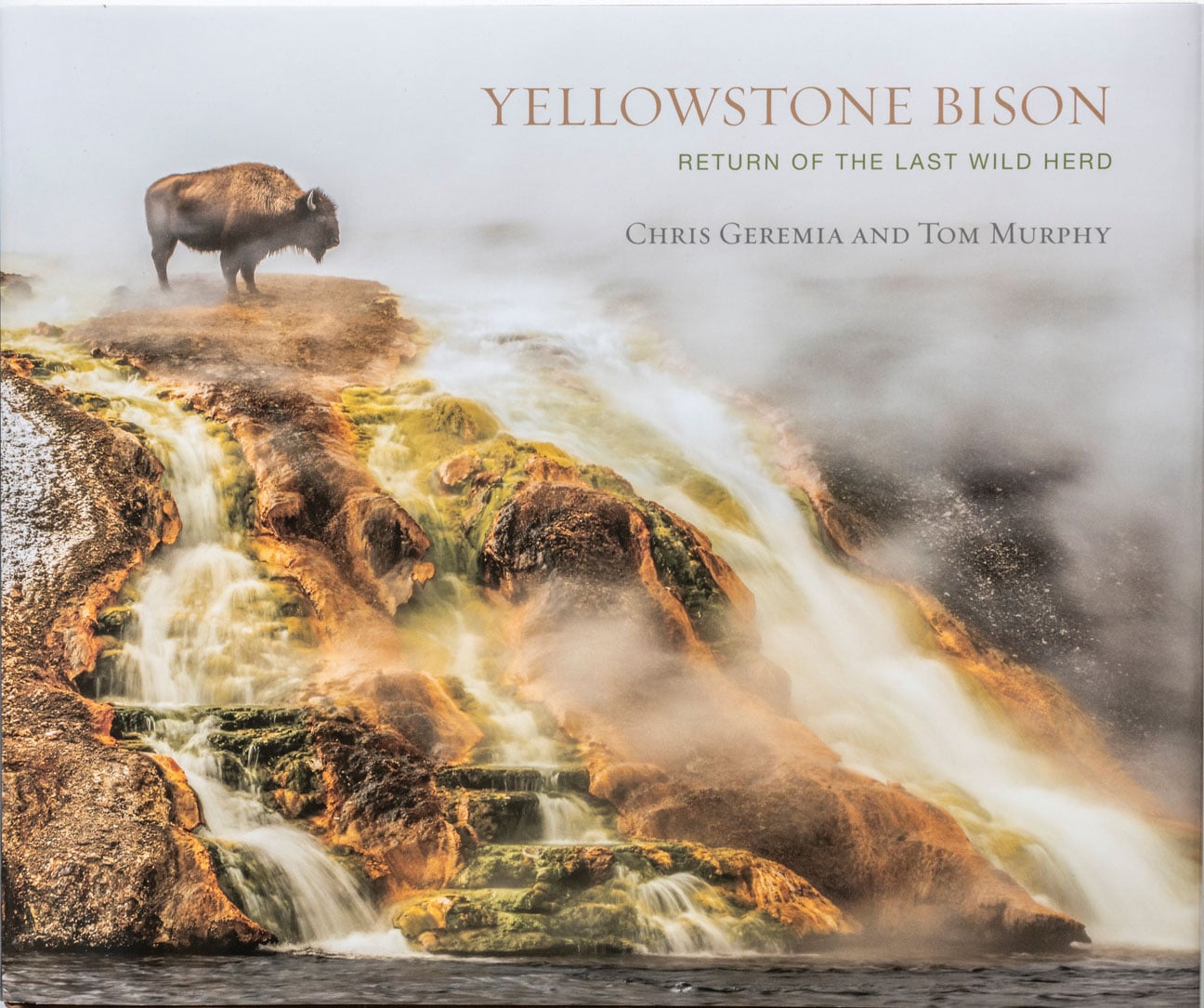
Murphy’s newest book, Yellowstone Bison: Return of the Last Wild Herd, is co-authored with Chris Geremia, who provides accessible biology and science thanks to his 20-year career managing the bison in Yellowstone National Park for the National Park Service. Murphy’s photos and Geremia’s words celebrate the beauty, strength, and resilience of the bison throughout the park.
“It’s a really nice relationship,” Murphy says of working with Geremiah. “Really easy to work with, smart guy, and I enjoyed the interchange of trying to illustrate what he understands from his studies.”
 Tom Murphy
The book is driven by the photographs, which Murphy hopes will encourage readers to learn more about how bison live thanks to Geremiah’s text.
“By the time they’re done reading the text, [readers] are going to know a lot about bison and understand more readily why I like them so much.”
Today, there are an estimated 5,300 wild bison in Yellowstone National Park. Yellowstone is home to the only continuously free-ranging wild bison population in the world, dating back to the prehistoric era. However, while it is healthy now, just over a century ago, the bison were down to about two dozen individuals, putting the species on the brink of extinction. It was only through positive human intervention and protectionist policies that people didn’t completely and irreversibly wipe out the herd.
A Lifetime of Loving Bison
Although Murphy’s career and stunning portfolio include photos of all sorts of wildlife in far-flung places like Africa, Antarctica, the tropics, and the Arctic, to name just a few of the diverse places Murphy has worked, it is bison that have long captivated his imagination, years before he ever picked up a camera.
Growing up on a 7,500-acre cattle range in South Dakota, Murphy recalls finding bison bones, hinting at a not-too-distant past when the megafauna still roamed free across the United States.
 Tom Murphy
“There were bison signs all over our ranch,” Murphy tells PetaPixel. “About a hundred and some years before I was born, there were still bison walking around in western South Dakota.”
“I dug up skulls, horn shells still laying in the grass. There were old trails, deep, like 10, 15-feet deep, going southwest to northeast. There were big wallows where [bison] rolled in the dirt. I mean, they’re huge, huge signs of past bison activity.”
Murphy first experienced bison in this way, seeing and feeling echoes of long-lost animals before he ever saw one for himself.
And when Murphy did see them firsthand on a family vacation to Yellowstone National Park, he was hooked. When he eventually moved there as an adult, Murphy says it was primarily because of Yellowstone’s wildness.
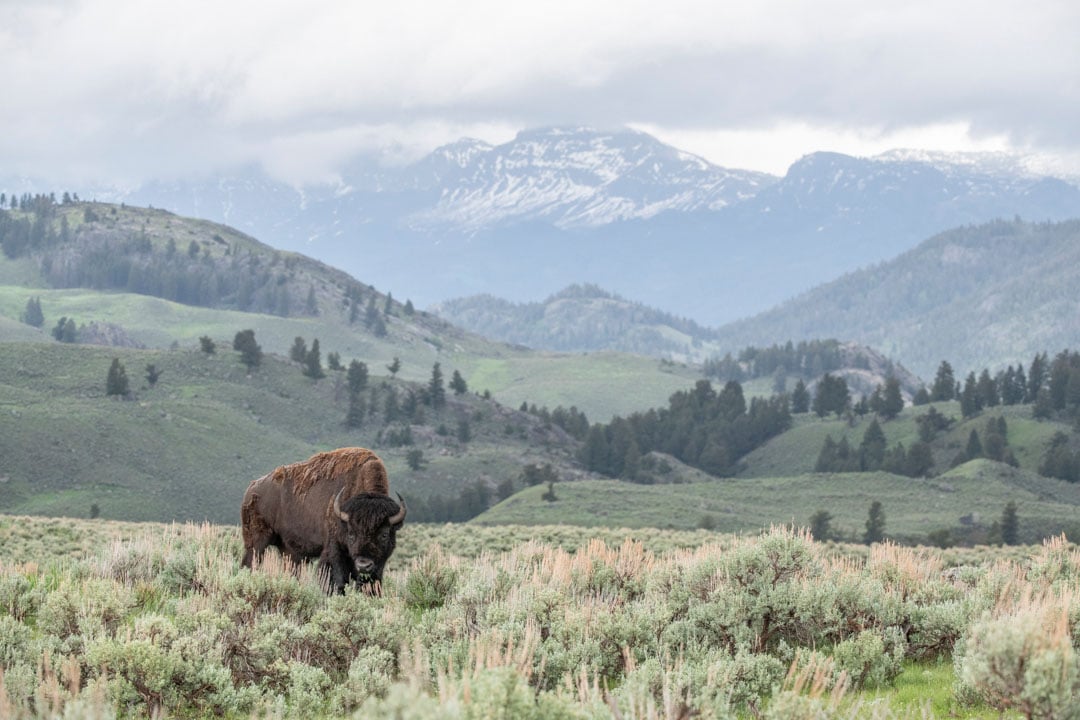
“[Bison] are a really intriguing animal,” Murphy says. “Plus, they’re just beautiful. They have unusual shapes.”
 Tom Murphy
Bison, which once roamed from near the Arctic to Mexico, evolved in remarkably harsh environments for hundreds of thousands of years. As Murphy poetically puts it, not only did bison shape the land, as he witnessed as a child, but the land shaped them. In Yellowstone, bison experience a very wide range of conditions, and Murphy’s robust portfolio captures all manner of weather and places where bison thrive.
When Murphy became interested in photography, which started because he wanted to document the beauty he saw firsthand living near Yellowstone, there were around 1,500 bison in the park. Today, there are nearly 5,500.
“They’re so much more common than the used to be,” he says. “But how they shape the landscape, how other animals interact with them, how they interact with bears, with wolves, each other, the rut, the mating season — it is really crazy.”
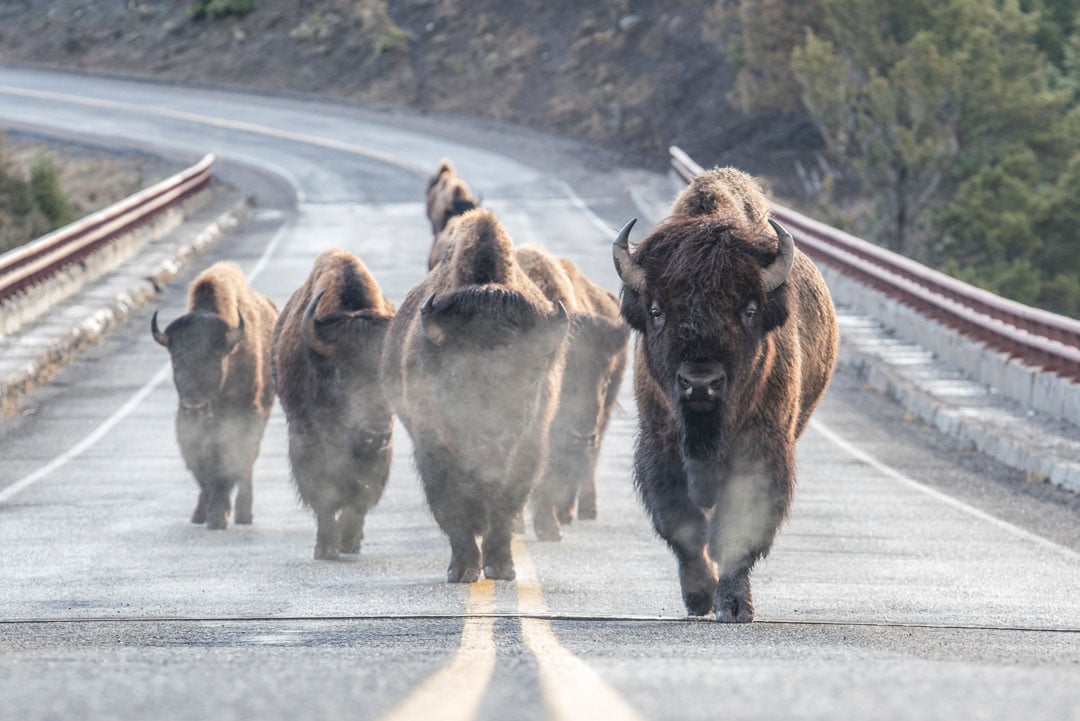
As Murphy knows all too well, these powerful 2,000-pound animals are big, fast, and potentially dangerous.
“Most of the time they’re pretty quiet, but you gotta remember, they can outrun most horses. They’re an extremely fast animal,” the photographer warns.
 Tom Murphy
One of his friends even saw two bulls fighting, and the loser jumped clear over a car in his frantic escape.
“That would have been a great YouTube video,” Murphy laughs. “But I believe him. He’s a very honorable guy. And I’ve seen them run like crazy.”
For Murphy, while photographing bison has ultimately been a huge part of his very successful career, there’s also that biological, natural history angle that makes the animals so interesting to him on a personal level.
“They’re one of my favorite animals in the world,” Murphy says. “Every time I go to Yellowstone, I run into bison. If I type ‘bison’ into my Lightroom filing system, I get 6,000 bison photographs.”
 Tom Murphy
While Murphy says he should discard some of these, most of the ones he has kept are great, which made picking the final photos for his new book, Yellowstone Bison, a monumental and challenging task. It’s entirely possible that no photographer on Earth has anywhere near the quantity and quality of bison photographs as Tom Murphy.
The initial target was a 200-page book, but it ended up being 244 pages.
“If they’d let me keep going, it would have been almost a 300-page book,” Murphy laughs.
Between the new book and the stamp, Murphy says it’s been gratifying to see so much interest in his photos and in bison in general.
 Tom Murphy
“I’ve been intrigued by these bison for the last 50 years, and it feels like people are starting to catch on that they’re really an amazing critter.”
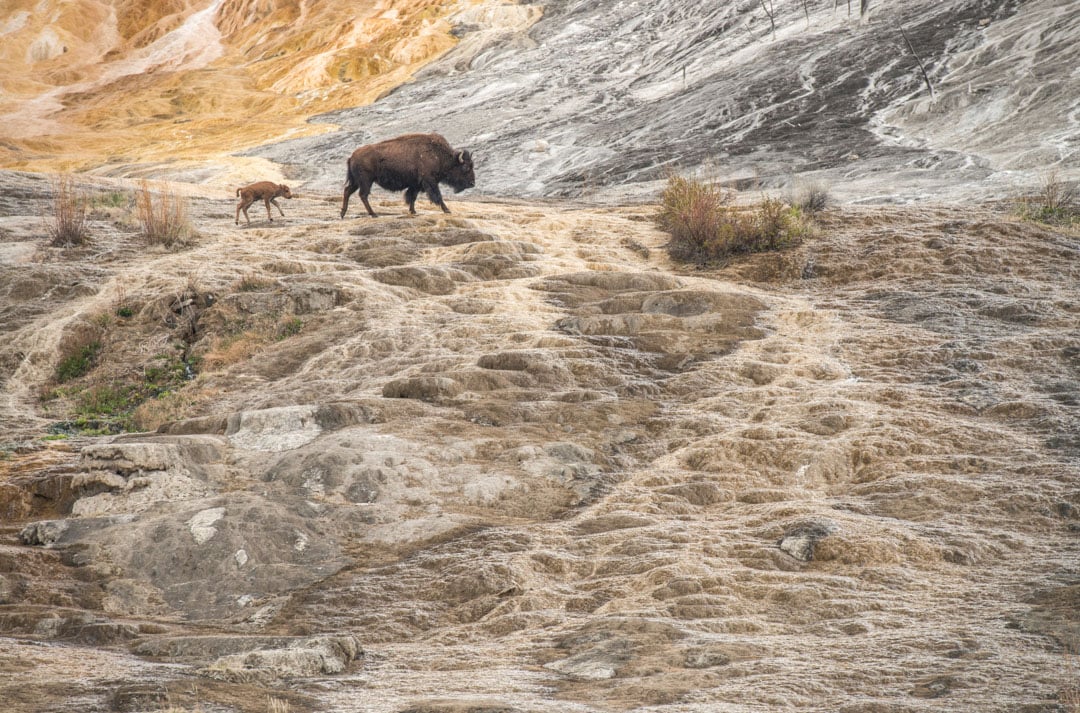
The photo on the cover is particularly interesting, showing a key part of what makes bison so amazing.
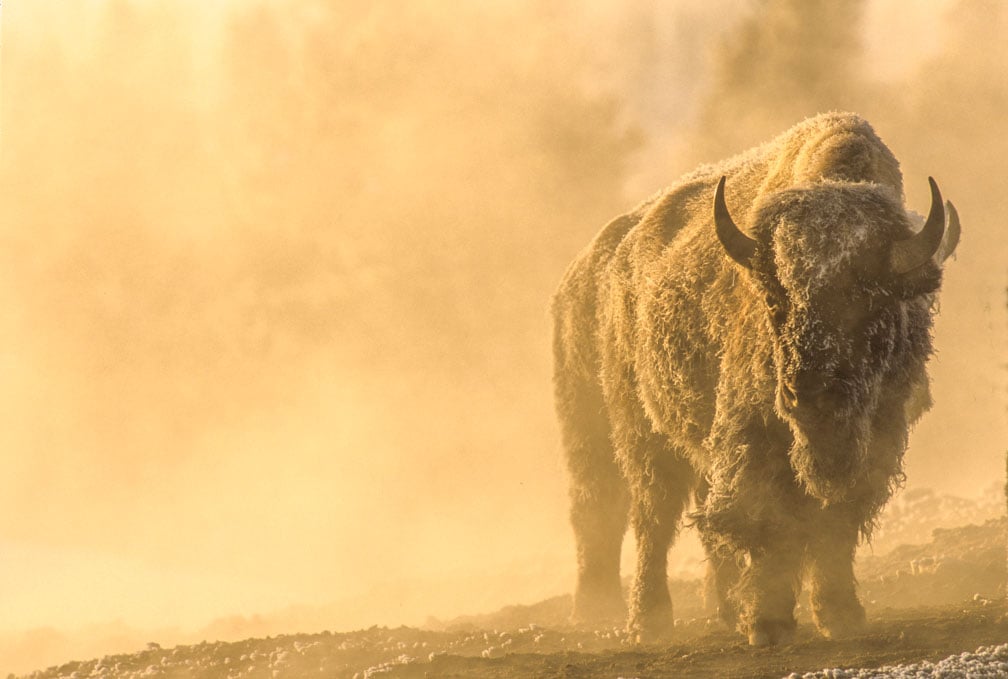
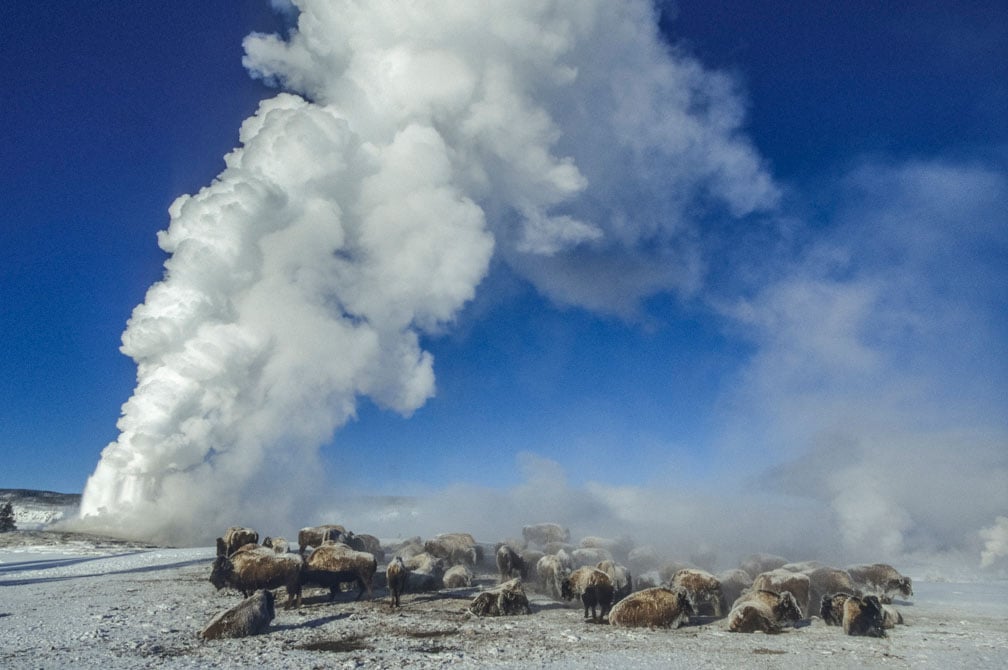
The bison on the cover is standing atop a runoff of Grand Prismatic, the largest hot spring in the United States and one of the most iconic areas in all of Yellowstone. It’s an unmistakable type of geothermal feature unique to the park, and an equally iconic Yellowstone animal.
“She was standing there, it was probably 20-below zero, and she was keeping warm from the steam. It says a lot about bison and Yellowstone National Park,” Murphy explains.
What Makes a Successful Wildlife Photograph
The cover shot is also emblematic of the type of photo Murphy believes is the most successful in wildlife photography.
A really good wildlife photo goes beyond just showing an animal; it captures something that makes them special, whether that’s where they live, what they do, or how they interact with their surroundings or other animals.
“What I’m after in my photographs, whether it’s a bison or whatever, is a deeper understanding, trying to project and show people their lives. You’ve got to get past just the simple illustration and go into a more in-depth pursuit of their lives,” Murphy says.
“I think there are three levels of interest and durability to wildlife photos,” Murphy posits.
 Tom Murphy
The first is just a beautiful, straightforward photo of an animal.
“That’s valuable. I shoot these things, and there are some in this new book.”
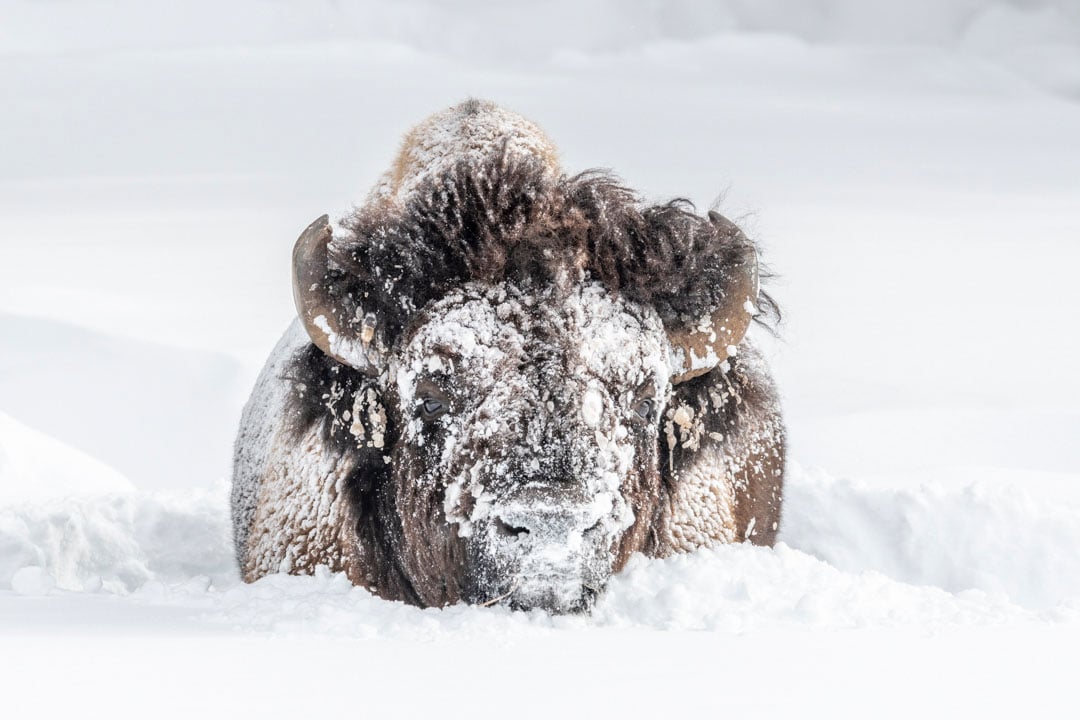
The second is at a more interesting level and shows something an animal is actually doing. It doesn’t have to be something dramatic, but it has to tell a story that a straightforward animal photo cannot.
 Tom Murphy
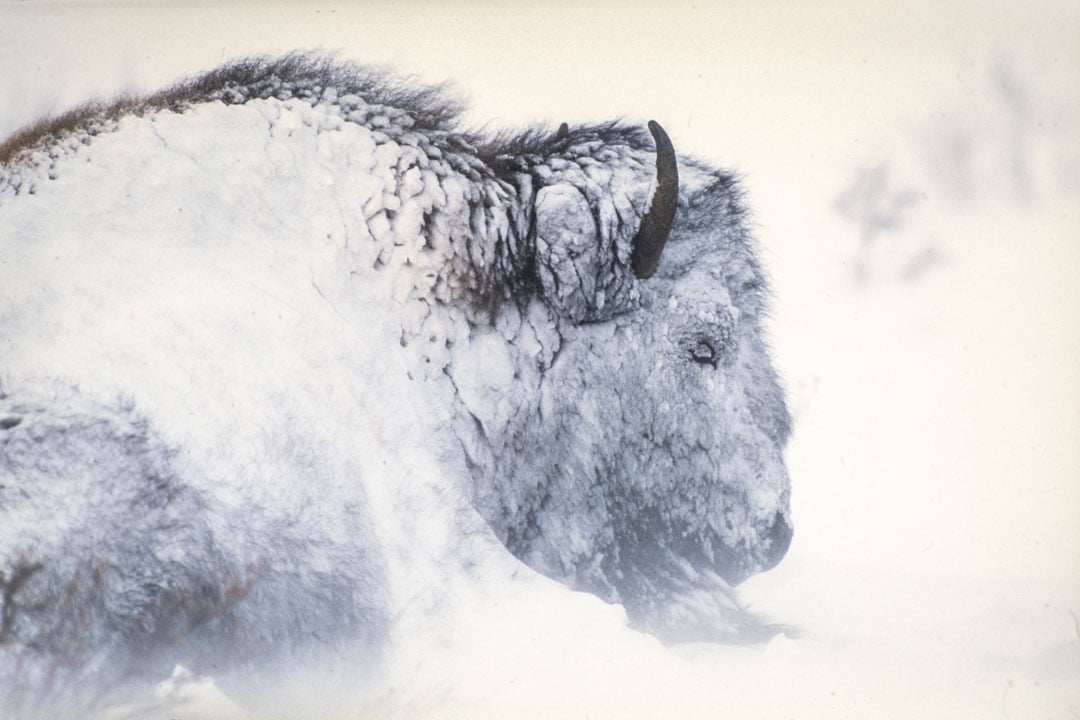
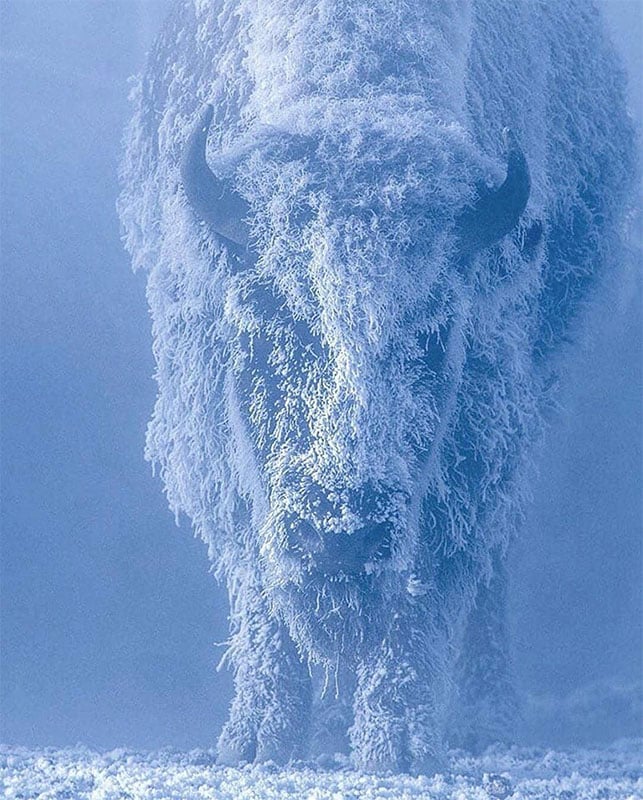
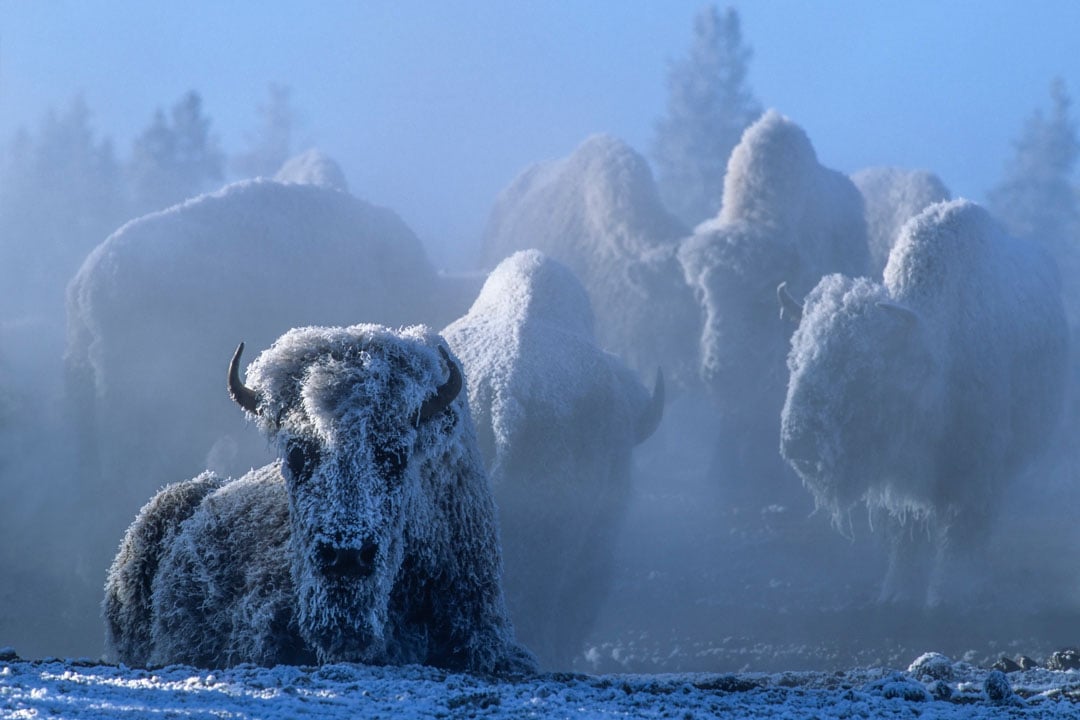
A good example of this is an image of Murphy’s that went viral a few years back. Many PetaPixel readers may have already seen it. The photo shows a bison standing in frigid, 30-below conditions, covered in ice.
“People love it, and I think for good reason, it shows the resilience and toughness of these creatures,” Murphy explains.
“It was just her and I out there, right after sunrise. I shot that about 35 years ago, and about five years ago, it caught on. It went viral.”
 Tom Murphy
This photo is not just a bison standing there, Murphy says, it’s an animal surviving and enduring.
“She wasn’t suffering, she was just enduring this cold, covered with this frost accumulated on her hair. She’s dealing with [the weather].”
 Tom Murphy
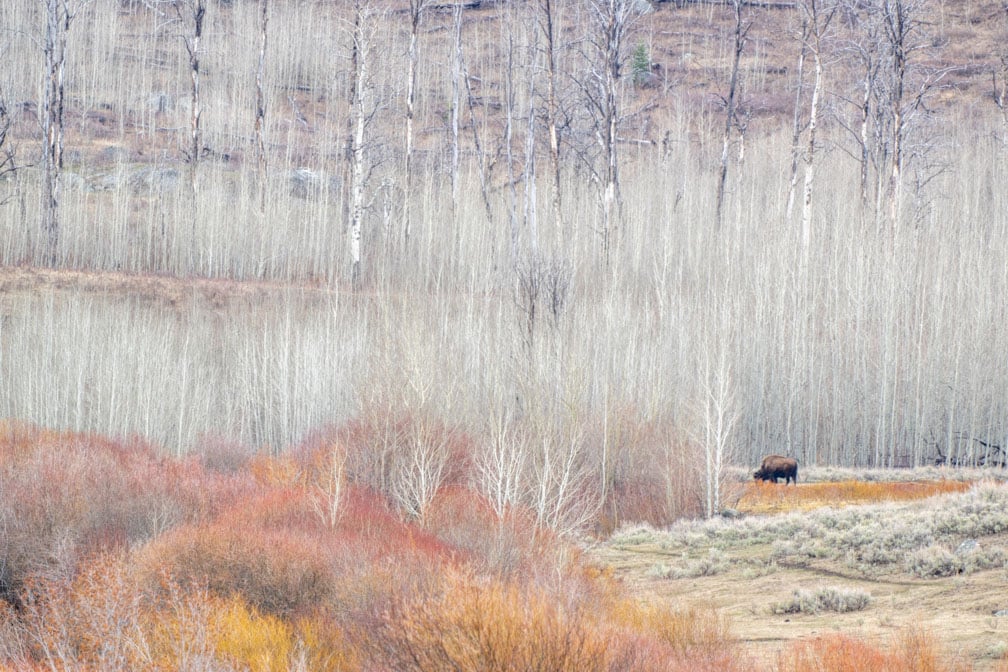
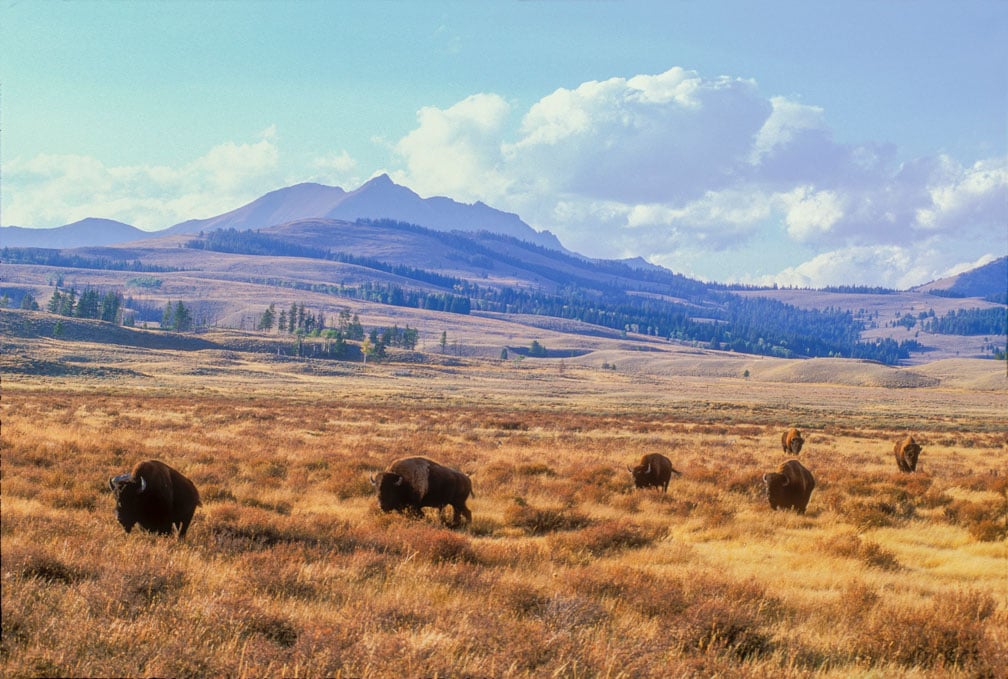
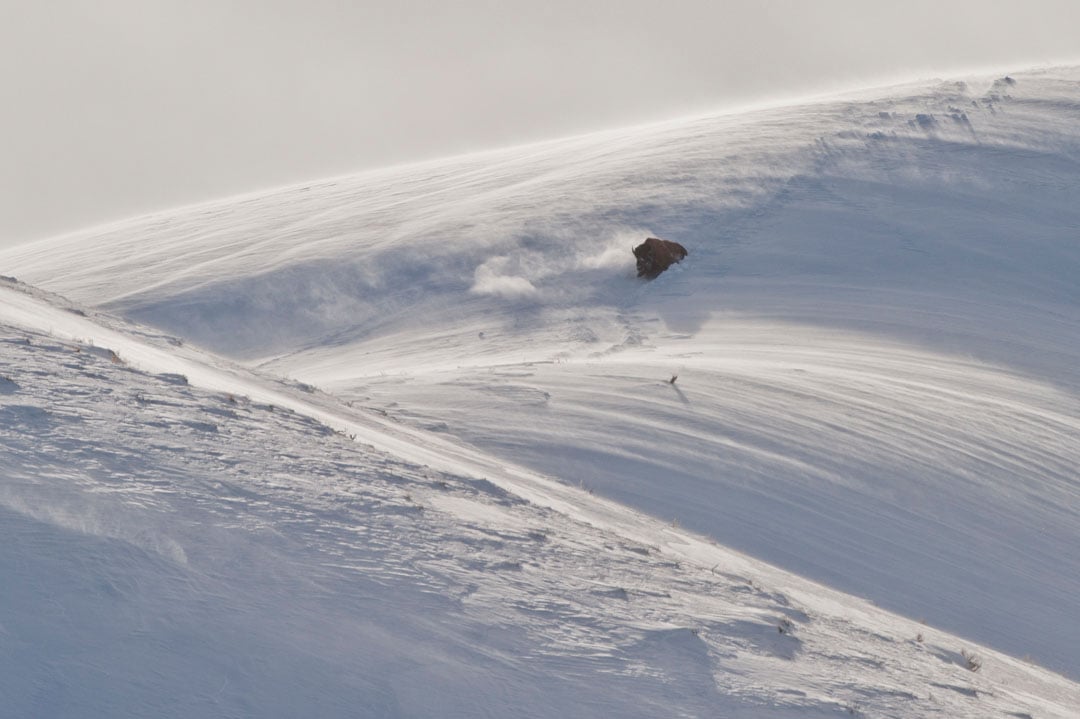
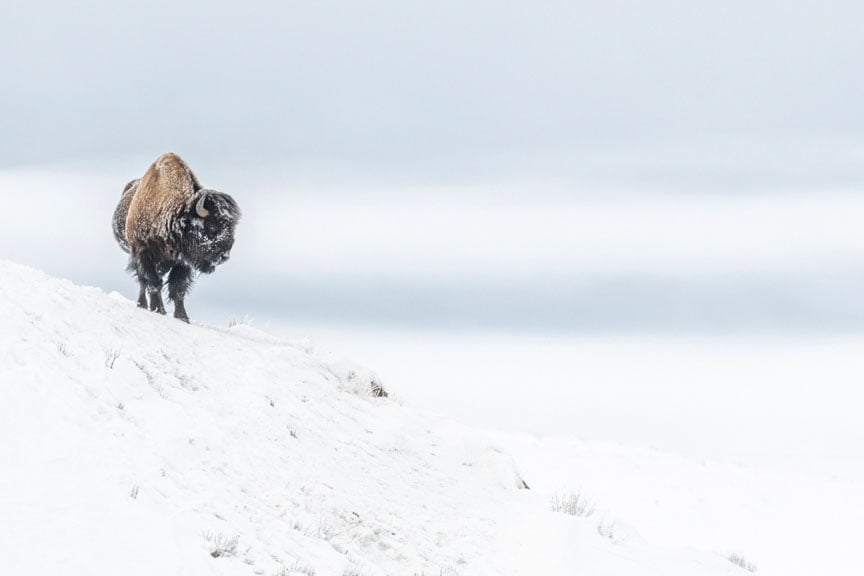
The third level is an animal doing something interesting in an interesting place. For example, a bison enduring harsh winter conditions surrounded by a stunning landscape. Both components of the image could stand on their own: a close-up of the bison or a landscape without the animal.
“Those are hard to get,” Murphy admits. “You have to have everything come together with good light, have the right equipment, et. cetera. Most importantly, you have to be there.”
Get Out There and Be Ready
“There’s that old age in the photography business. ‘How do you make a good photograph? F/8 and be there.’ Be there is the big deal, you know?”
Murphy says you can always bump into a good photograph by accident, but to create a body of work, you have to know your subject and be out there with them.
 Tom Murphy
“The secret is perseverance,” Murphy says, although he knows it’s not necessarily a secret at all, it’s just a difficult discipline.
Portfolios Take Years to Develop
“On one hand, I say I’m lucky. There’s a law referred to quite often, Murphy’s Law, that says everything that could possibly go wrong will go wrong. I don’t subscribe to Murphy’s Law,” Murphy says. “I subscribe to Murphy’s Luck, that you make your own. You’ve got to be there. You have to be ready. You must be paying attention. You have to be knowledgeable.”
He says that when he first went to Yosemite National Park, he thought he could do good work there in a few days. There is a lot to photograph, and he has the skills to make something happen.
 Tom Murphy
However, to put together a strong, exhaustive body of work in Yosemite, Murphy says he’d need 10 or 20 years. He has that long and more in Yellowstone and still feels like there’s a lot left to photograph.
“You know, 40-plus years of concentration on Yellowstone allowed me to have the time to accumulate the knowledge I need. So the secret in a lot of ways is time, too.”
When pressed on how he has stayed so interested in Yellowstone for all these years, Murphy says the park is always changing and always different. No matter how many times he explores, he will inevitably find something new.
Murphy has been to many places where a photographer could dedicate their entire life to capturing. Antarctica, the Okavango Delta in Africa, there’s plenty there, Murphy says.
 Tom Murphy
Yellowstone Is a Magical Place for Photographers Like Murphy
For him, Yellowstone has it all. It has everything he wants and more. Geothermal springs, mountains, canyons, rolling hills, forests, bison, wolves, bears, wildflowers, and constantly changing seasons.
“It’s just so much, you’re kind of overwhelmed by it.”
 Tom Murphy
Murphy mentions the classic folk song, “Clay Pigeons,” written by the late singer-songwriter Blaze Foley and arguably made famous by Grammy Award-winning artist John Prine.
In the song, Foley wrote, “I could build me a castle of memories, just to have somewhere to go.”
For Murphy, that’s what he has spent his life and photographic career doing.
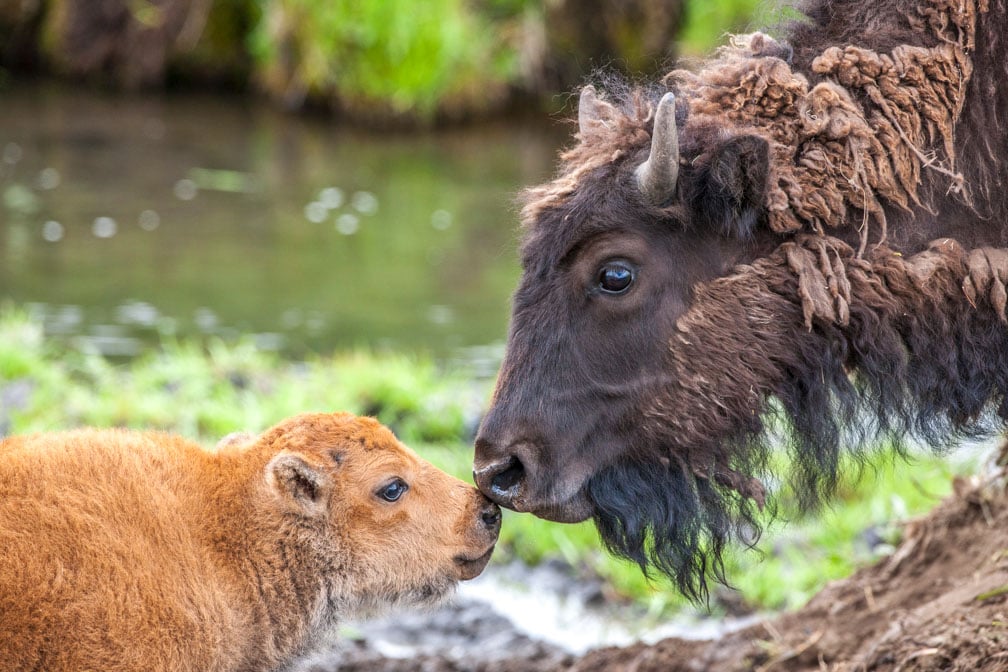
“I’m building this castle of memories of wild places,” Murphy says.
 Tom Murphy
“It’s a wonderful thing to spend your time pursuing beauty,” Murphy concludes of his career as a photographer.
Yellowstone Bison: Return of the Last Wild Herd is available now for for $59.99. Murphy’s other books, calendars, posters, and more are available through his website.
Image creditsTom Murphy
What's Your Reaction?
 Like
0
Like
0
 Dislike
0
Dislike
0
 Love
0
Love
0
 Funny
0
Funny
0
 Wow
0
Wow
0
 Sad
0
Sad
0
 Angry
0
Angry
0










Comments (0)