

US Treasury Yields Hit 18-Year High as Fed Holds Rates Under Warsh

TLDR:
- US 30-year Treasury yield surged past 5.20%, its highest level recorded since 2007.
- Fed held rates at 3.50%-3.75% despite three dissenting members favoring a rate hike instead.
- Credit card serious delinquencies climbed to levels not seen since 2010 amid rising costs.
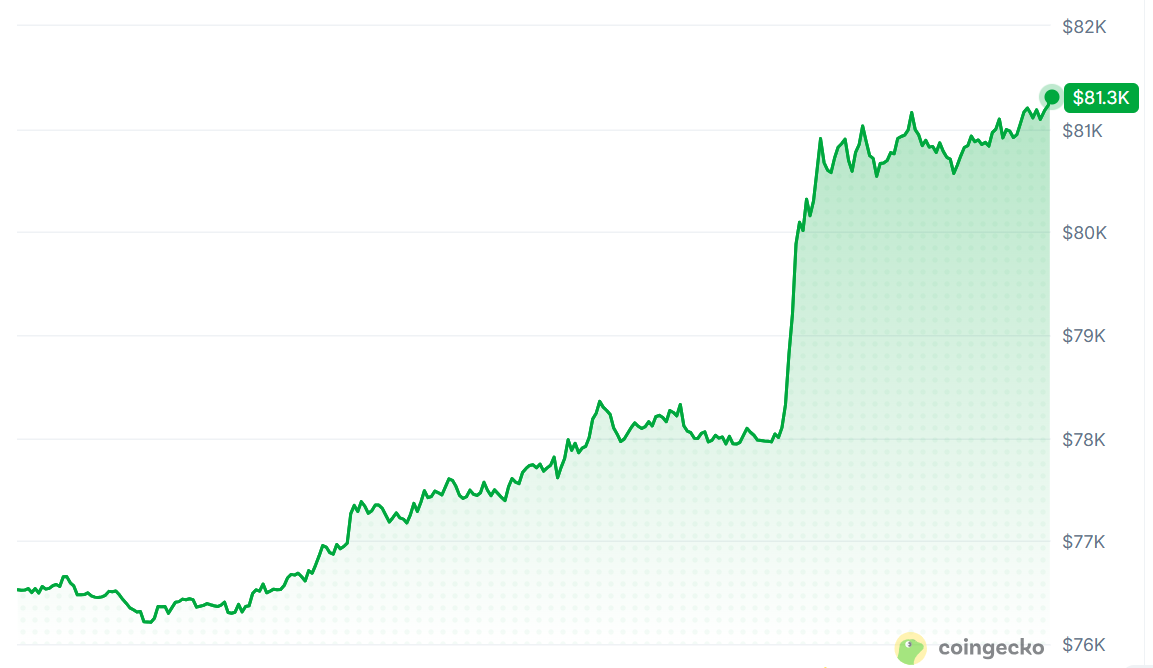
- Bitcoin dipped briefly on the news before recovering, showing contained crypto market reaction.
US Treasury yields climbed to their highest level since 2007 this week, rattling markets well beyond bonds. The move came even though the Federal Reserve left interest rates unchanged at its late July meeting.
Fed Chair Kevin Warsh signaled a shift away from forward guidance, telling investors to trust market signals over central bank commentary.
The 30-year yield pushed past 5.20%, while credit card serious delinquencies reached levels last seen in 2010. Together, these signals point to mounting strain across the US financial system.
Fed Holds Rates While Yields Surge
The Federal Open Market Committee voted 9-3 to hold rates steady at 3.50% to 3.75%. Three regional presidents dissented, favoring a quarter-point hike instead.
This marked the most hawkish split of Warsh’s tenure so far. Markets had priced in roughly a 40% chance of a hike before the meeting.
Financial commentary account The Kobeissi Letter noted the unusual timing of the yield move. Most of the increase came after the Fed’s decision was announced.
Analysts called this pattern unusual, since a less restrictive decision typically eases yields rather than raising them. Instead, long-term borrowing costs moved in the opposite direction.
Warsh explained the shift during his press conference, saying the Fed wants markets to “play the ball, not the referee.”
For years, Fed policy leaned heavily on guidance and forward messaging. Warsh’s approach flips that dynamic, leaving markets to interpret data without direct signals.
US inflation remains near 4%, well above the Fed’s 2% target. Record federal deficits and an energy shock tied to the Iran conflict add further pressure.
With few tools left to ease conditions without reigniting inflation, the Fed opted to pause and let markets set the pace themselves.
Mortgage Rates and Credit Stress Rise
Credit card serious delinquencies have climbed to their highest level since 2010. Rising borrowing costs are squeezing household budgets across income levels.
Consumers are increasingly relying on credit to cover everyday expenses. This trend often signals broader stress within the economy.
Mortgage rates are following a similar trajectory, with some estimates nearing 8%. Just eight months ago, consensus expected three rate cuts by year-end. Markets now price in two hikes by January instead, a sharp reversal in sentiment.
The shift has been swift and largely unexpected by most forecasters. Analysts note the Fed’s hands appear tied despite hopes for cuts. Cutting now risks pushing inflation toward 5%, an outcome policymakers want to avoid.
Crypto markets absorbed the news with relatively contained price action. Bitcoin dipped briefly before recovering within the same session.
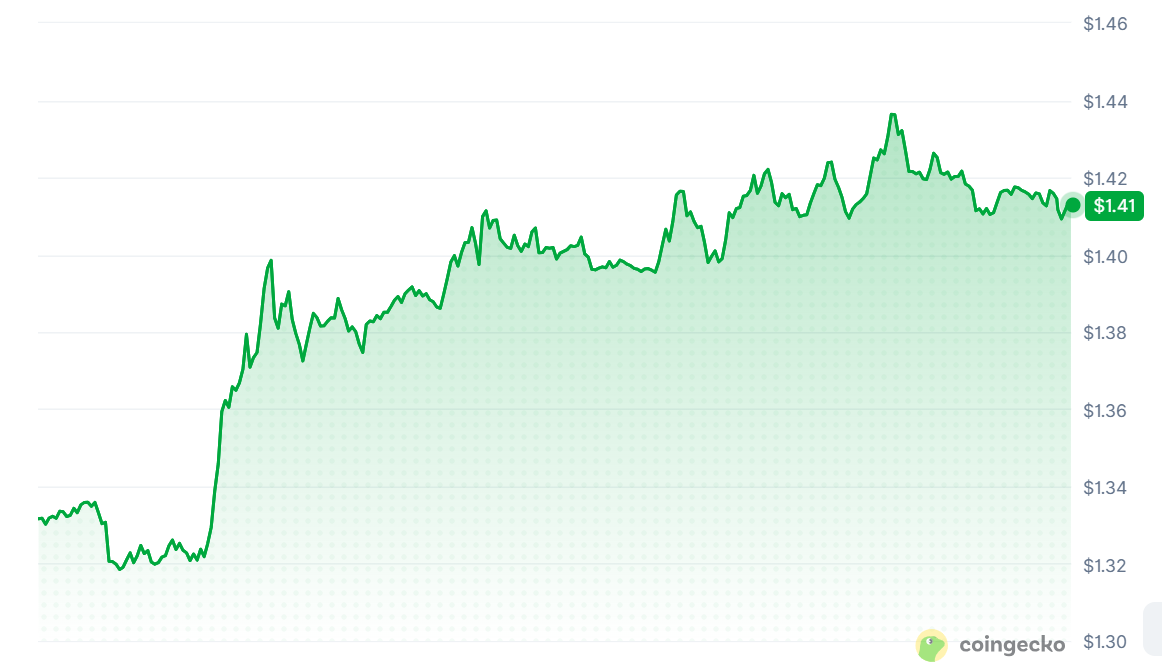
Ether and XRP traded steadily, though the Fear and Greed Index stayed low. Rising long-end yields now function as tightening the Fed avoided imposing directly.
The post US Treasury Yields Hit 18-Year High as Fed Holds Rates Under Warsh appeared first on Blockonomi.
What's Your Reaction?
 Like
0
Like
0
 Dislike
0
Dislike
0
 Love
0
Love
0
 Funny
0
Funny
0
 Wow
0
Wow
0
 Sad
0
Sad
0
 Angry
0
Angry
0








Comments (0)