

Wiki documents at least 44 instances in which Sony says you own your games as digital games ownership lawsuit progresses — project is direct assault on Sony's claim in recent ownership lawsuit
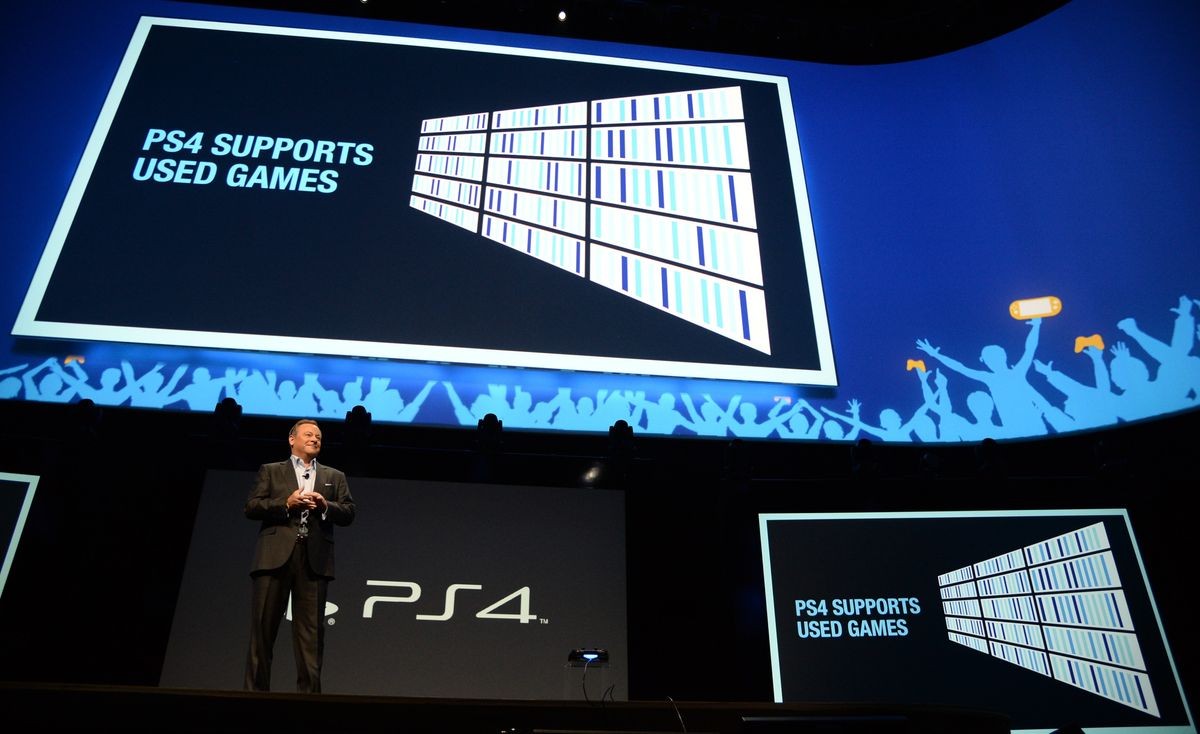
 (Image credit: ROBYN BECK/AFP via Getty Images)
In a recent lawsuit against Sony, the firm argued that "reasonable consumers would not be misled" into believing they own digital games that they "purchased" on the PlayStation Store. Folks on the Consumer Rights Wiki have now compiled a humongous list of specific instances in which Sony currently states that users do, in fact, own their digital PS4 and/or PS5 games. The list is currently up to 44 specifically documented statements, but actually notes hundreds of examples where Sony explicitly states that users do, in fact, "own" their games across its various services and pages.
In this case, Sony says that no "reasonable person" would believe that, when they add a game to their cart and click "Purchase" on the PlayStation Store, they are entering a contract that entitles them to ownership of the digital goods in question. Instead, Sony believes it's obvious that what you're paying for is a limited, revocable license for a service that only remains available as long as Sony offers it, which is quite different from ownership in a legal context.
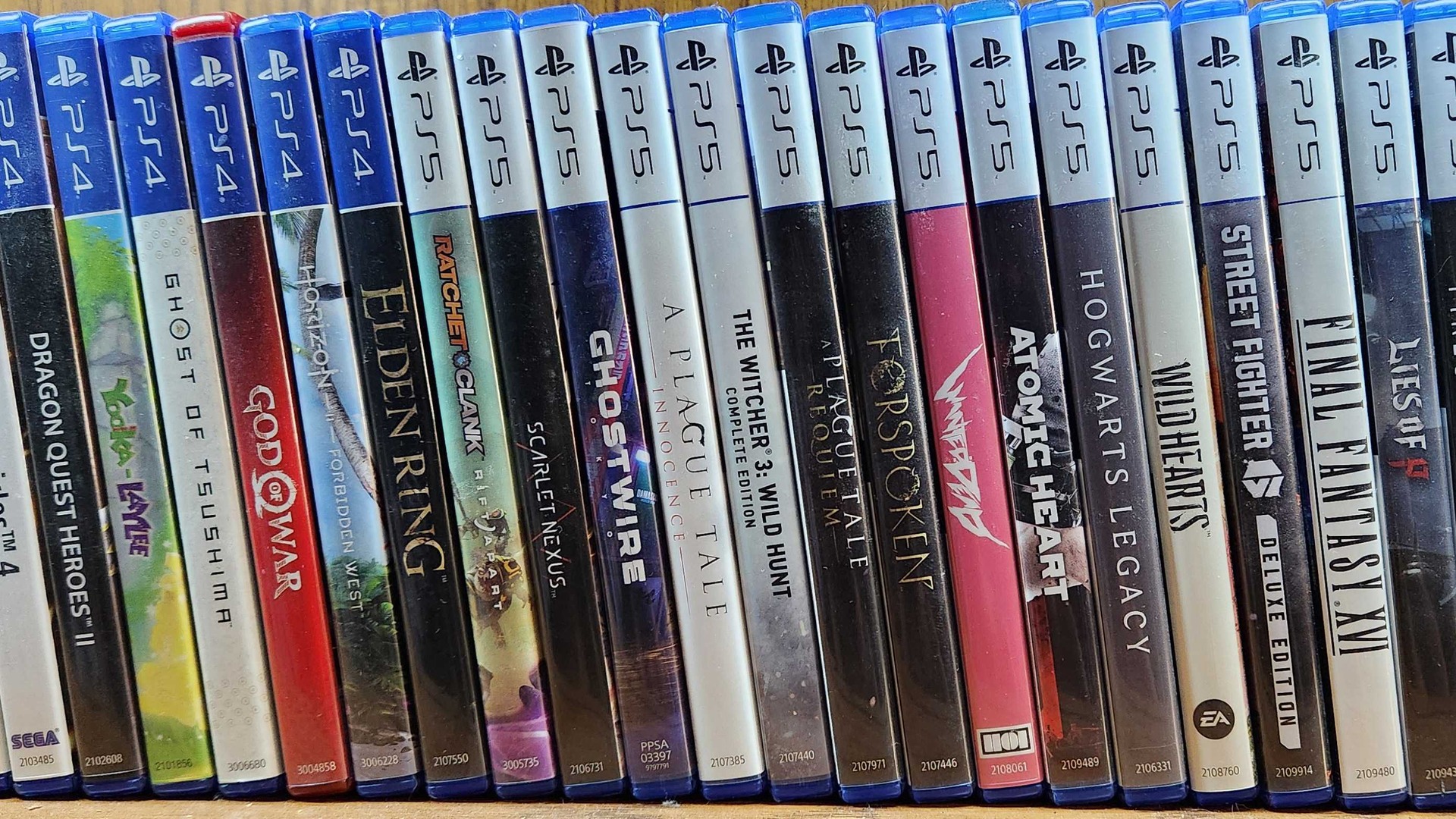
The case isn't exactly about ownership, though; it's really about consumer disclosure and product representation. The plaintiffs aren't arguing that buying a digital game somehow transfers ownership of Sony's underlying intellectual property, but rather that Sony's use of words such as "buy," "purchase," and "own" could reasonably lead consumers to believe that they were acquiring a durable right to use the game, rather than merely obtaining a revocable license. That distinction matters because Sony's defense depends in part on the claim that no reasonable consumer would interpret the transaction that way. At the same time, the plaintiffs have produced a substantial body of evidence showing that Sony itself routinely uses precisely that ownership language when describing the digital games its customers have purchased.
This issue is in particularly sharp relief now that Sony's digital store is confirmed to be the only way to purchase new PlayStation games from next year. The publisher's announcement that it would stop producing game discs in January of 2028 caused quite an uproar among gamers who value physical copies of games as a token of ownership. It's worth noting that most players do purchase games digitally (as much as 85% of PlayStation games, by some reporting), and also that disc production and usage become less practical as the manufacturing of both disc drives and discs slowly winds down.
The gamer outrage isn't really about the end of discs, though. This fury has been simmering for a good while now, as gamers resent perceived anti-consumer practices. The realization that discs are going away simply forced a lot of gamers outside the enthusiast sphere to confront the reality that they do not own their digital purchases and that they can be taken away at any time, just as Sony has already done in the past. This is especially pointed in light of the price increases asked by game publishers in the last few years, where games have gone from a typical ceiling of $60 USD up to $70 and now, more recently, $80 (with Mario Kart World, Zelda: Tears of the Kingdom, and now Grand Theft Auto VI), despite often struggling to provide the same level of satisfaction and enjoyment as older titles.
And so we come back around to the Consumer Rights Wiki and its list of times that Sony has explicitly used ownership language on its website and on its digital storefront. The Wiki catalogs these quotes with both links to live pages as well as archived snapshots and screenshots with the relevant text highlighted. The Consumer Rights Wiki was of course founded by consumer rights advocate and YouTuber Louis Rossmann, but much of the work was done by the community that has sprung up around the site as people rebel against the continuous erosion of their consumer rights, particularly by technology companies that argue against their own responsibility.
It's unfortunately still not clear if this case is actually going to trial yet. Sony is attempting to have the case moved to private arbitration, citing that all four plaintiffs agreed to such when signing up for the PlayStation Network; in that case, Sony will likely pay a small cash award to each plaintiff and the matter will be settled, legally speaking. If the case goes to trial, there's a possibility for real legal precedent to be set by a public ruling, at least in California. For the sake of consumer transparency on the PlayStation Store, let's hope that the court agrees to hear this one.
Get Tom's Hardware's best news and in-depth reviews, straight to your inbox.
Follow Tom's Hardware on Google News, or add us as a preferred source, to get our latest news, analysis, & reviews in your feeds.
Zak is a freelance contributor to Tom's Hardware with decades of PC benchmarking experience who has also written for HotHardware and The Tech Report. A modern-day Renaissance man, he may not be an expert on anything, but he knows just a little about nearly everything.
What's Your Reaction?
 Like
0
Like
0
 Dislike
0
Dislike
0
 Love
0
Love
0
 Funny
0
Funny
0
 Wow
0
Wow
0
 Sad
0
Sad
0
 Angry
0
Angry
0











Comments (0)