

"You'll be able to engage in these high stakes arms races": Civilization's Arc of Tomorrow update is trying to make the threat of nuclear apocalypse more interesting
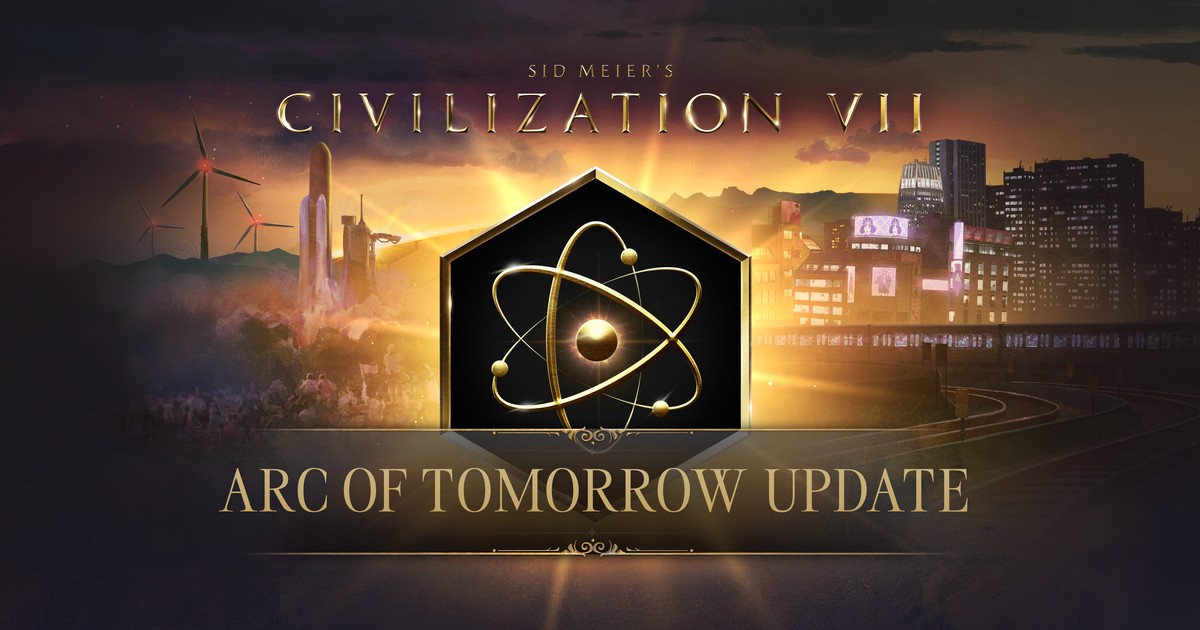
Sir or madam's choice of mutual assured destruction or proxy war
 Image credit: 2K Games
Civilization 7 is getting a new free update that takes the 4X strategy series into the atomic age, while trying to make nuclear era conflict a little more elaborate than just being first to research the requisite city-killing technology. Add in some new city state proxy war functionality, and you seemingly have everything you need to go full Henry Kissinger.
Titled Arc of Tomorrow, the update is out in 2027. It extends the game's playable timeline from the 1950s through the near future. Expect updated tech and civic trees, new Triumphs, new social policies, and new narrative events. There's also an expanded economic system that lets you combine goods to make more sophisticated commodities, such as enriched uranium, and new culture objectives in the shape of Great Works of Film, which apparently work a bit like Rock Bands in Civilization 6 – film crews must scout out the best shooting locations.
And then there are the new nuclear war mechanics, which of course necessitate the return of Gandhi as a playable leader. Arc of Tomorrow is promising both new offensive and defensive units, and "a new twist on mutually assured destruction". In a panel over the weekend, game director Matt Owens explained how it works.
"In previous iterations of Civ it was usually, OK, somebody got so far ahead on science that they get to nukes first, and they get to play with that really fun toy - hopefully, that's you," Owens began. "But then that's kind of the end of the game, right? As you nuke everything into oblivion and pave the way into victory. Here we get to have everybody put on a slightly more even playing field. You'll be able to engage in these highstakes arms races as everybody - all the major powers, at least, will have access to these nuclear weapons.
"And one of the things that we wanted to do was to really make that high stakes nuclear gameplay come to life was introduce this concept of what does mutually assured destruction mean, in the context of a Civilization game?" he went on. "Exploring that in a deeper way than we really have been able to before."
The key thing they're doing is introducing a one-turn delay when you fire off a nuclear missile, which swings the balance of power in nuclear conflict towards defence. "It's going to hang there for one turn and people will have a chance to respond," Owens explained. "So, while you have an advantage if you are the first one to make a strike, you have to have your defences in place. You have to have a plan in place and an understanding of your opponent's nuclear arsenal, because they are going to have an opportunity to rally their own defences, or send a retaliatory strike right back at you."
As you'd expect, a scrap between countries with beaucoup nukes at their disposal probably won't end well for either party. So it's just as well Arc of Tomorrow is giving us some baleful new methods of fighting indirectly. The update revives the Loyalty system from Civilization 6, which represents your level of control over each city's ruling class. In Civ 7, you'll be able to splinter disloyal cities off to form new city states… then have them act as your puppets in a shadow conflict with opposing empires you dare not openly provoke.
"This was a time after World War II, where there were many people breaking away from former empires and people had this sense of self-determination that had become very strong in that age," Owens went on. "So you will actually have the opportunity, once the loyalty reaches a crisis point potentially in distant parts of your empire, to actively recognise the independence of parts of your empire, to form new city states.
"They'll still be a part of you. You'll still be their suzerain at least in the immediate term. And you'll be able to engage with them to pursue multiple different victories."
City states that accept your authority, if not your direct rule, will provide bonuses, forming a NATO-style coalition. They'll also contribute dominion points towards a military victory. And they will take part in proxy wars.
"You can basically, if your city state is in close enough proximity to another city state, prompt that city state to engage in a smaller front war with just that opposing city state," Owens commented. "Especially in the late game of really any 4x game, but especially in Civ, you feel like you have to marshal the entirety of the resources of your empire to fight another empire, and it can be a lot of effort. So even though you're building up your nuclear arsenal in this atomic age, we wanted to make sure there were these smaller opportunities still, where you could still engage in the fun war gameplay of Civilization, by prompting these smaller, city state versus city state wars that allow you to have that fun while your grander strategy is developing in the background."
Players will be able to take direct control of their city states, or leave that to the AI. It gives warlike civvers who'd rather not irradiate the map another way to play with their tanks and (all-new) helicopters: as Owens summarised, "the nuclear war can be the grand finale to your campaign if you want, or it can be the clever way that you kind of navigate around the risk of mutually assured destruction, by engaging in many of these smaller wars."
Arc of Tomorrow aside, Civ 7 is getting its first proper paid expansion, Earthrise, which is all about going to space. I'll have another piece on that for you shortly. There's also a smaller update coming this month, which adds a "true Earth" map with realistic civ starting locations, together with improvements for diplomacy, resource generation and map generation.
What's Your Reaction?
 Like
0
Like
0
 Dislike
0
Dislike
0
 Love
0
Love
0
 Funny
0
Funny
0
 Wow
0
Wow
0
 Sad
0
Sad
0
 Angry
0
Angry
0










Comments (0)