

10 Fantasy Movie Villains Who Had A Point Ranked, Including the Wicked Witch Of The West

Published Nov 22, 2026, 2:31 PM EST
Once head of Screen Rant's Star Wars coverage, Tom's career began as a fan of the fantasy and sci-fi genres, and his love of major franchises has ultimately led to a decade-long career. He'd had the privilege of interviewing writers, authors, directors, actors, stunt coordinators, and VFX artists on a staggering number of his favorite franchises, including Star Wars, the MCU, Stranger Things, Halo, Foundation, and more. He's conducted set visits in the UK, attending major comic cons in New York and London, and reported at Star Wars Celebration 2023 as press. You can find him on Twitter @TomABacon, on LinkedIn @tabacon, or on Muckrack under tombacon.
Tom has a wide range of interests, and he continues to serve his university as a volunteer chaplain. He's heavily involved with his local church, and anyone who checks him out on Twitter will swiftly learn he's into British politics too.
The best fantasy villains are the ones who actually have a point. I don't mean that they're heroes in their own eyes, or that they have a believable origin that makes them sympathetic; with rare exceptions, the current wave of "villain origin" movies have often seemed more than a little frustrating. For me, Ebenezer's Scrooge rewrite just doesn't quite capture what Charles Dickens was trying to say with the original story. It doesn't quite work, on a basic human level.
When it comes to fantasy, though, the high stakes and greater scale mean truly understandable villains need to be handled with care. The goals are often vast and intimidating, meaning the bad guys (or girls) have to be able to justify what they're doing. In the best fantasy, their argument is solid but their character flaws mean they come up with the worst possible solution (it's true in superhero films too, hence the whole "Thanos was right" movement). So here are ten epic fantasy villains who do actually have a point.
10 Saruman
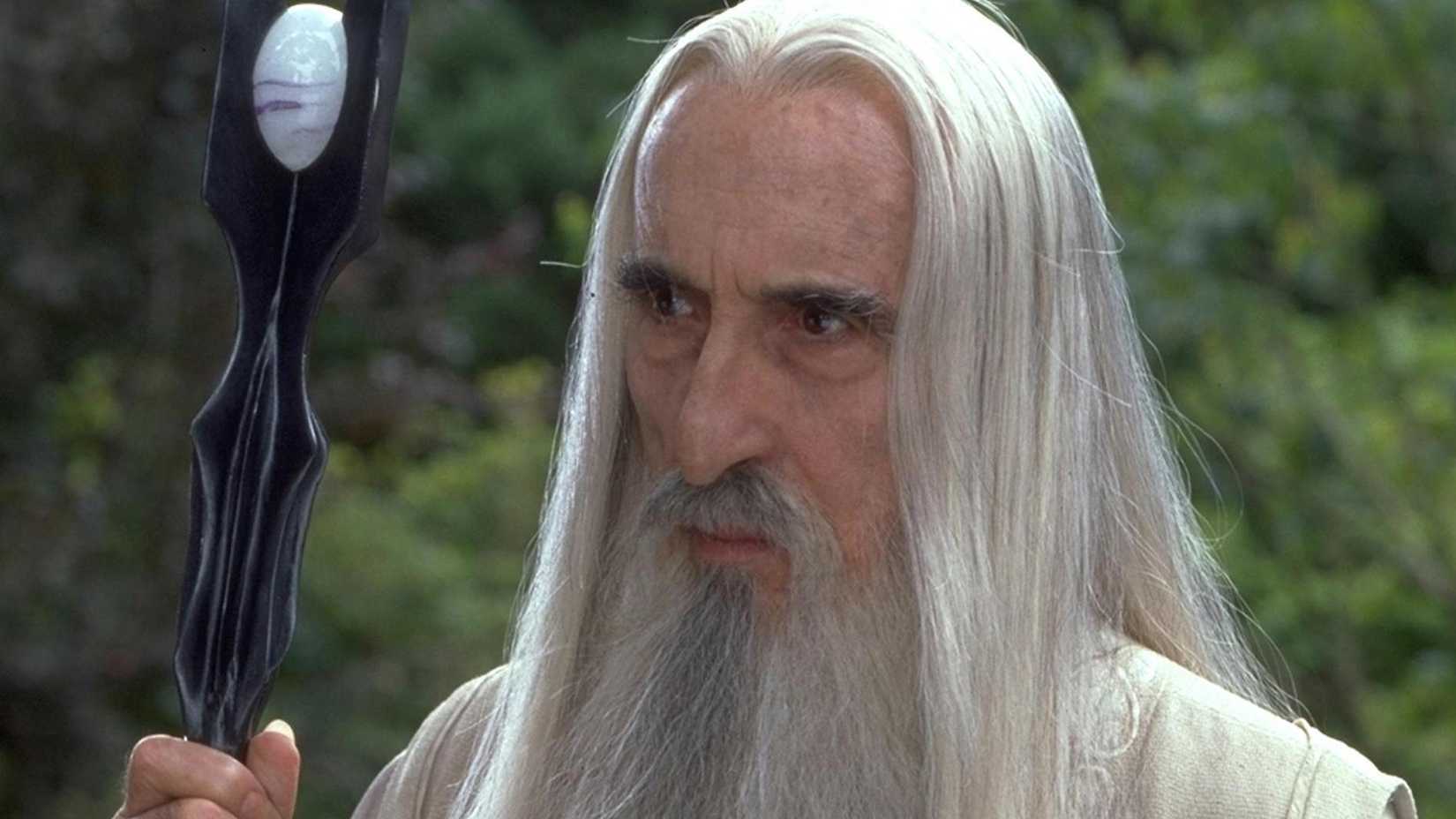
Let's start with Saruman, the secondary villain of J.R.R. Tolkien's epic The Lord of the Rings. Essentially, Saruman looked at a declining world and recognized the heartbreaking truth that civilization itself was declining. The kingdom of Numenor had fallen long ago, Gondor was a shadow of its former glory, the Dwarves were isolated and the Elves were in full retreat. The world was changing, and Saruman believed Middle-earth needed something new.
He'd diagnosed the problems rightly. Unfortunately, Saruman committed himself to a form of industralisation that was utterly destructive; worse still, he lost all perspective, forgetting the value of individual lives in comparison with the great narrative thrust of history. And, of course—like all the greatest villains—Saruman's solution to Middle-earth's problem was essentially a power-grab. He believed the world would be so much better if it just followed the course he set.
9 Gaston
 ©Buena Vista Pictures/Courtesy Everett Collection
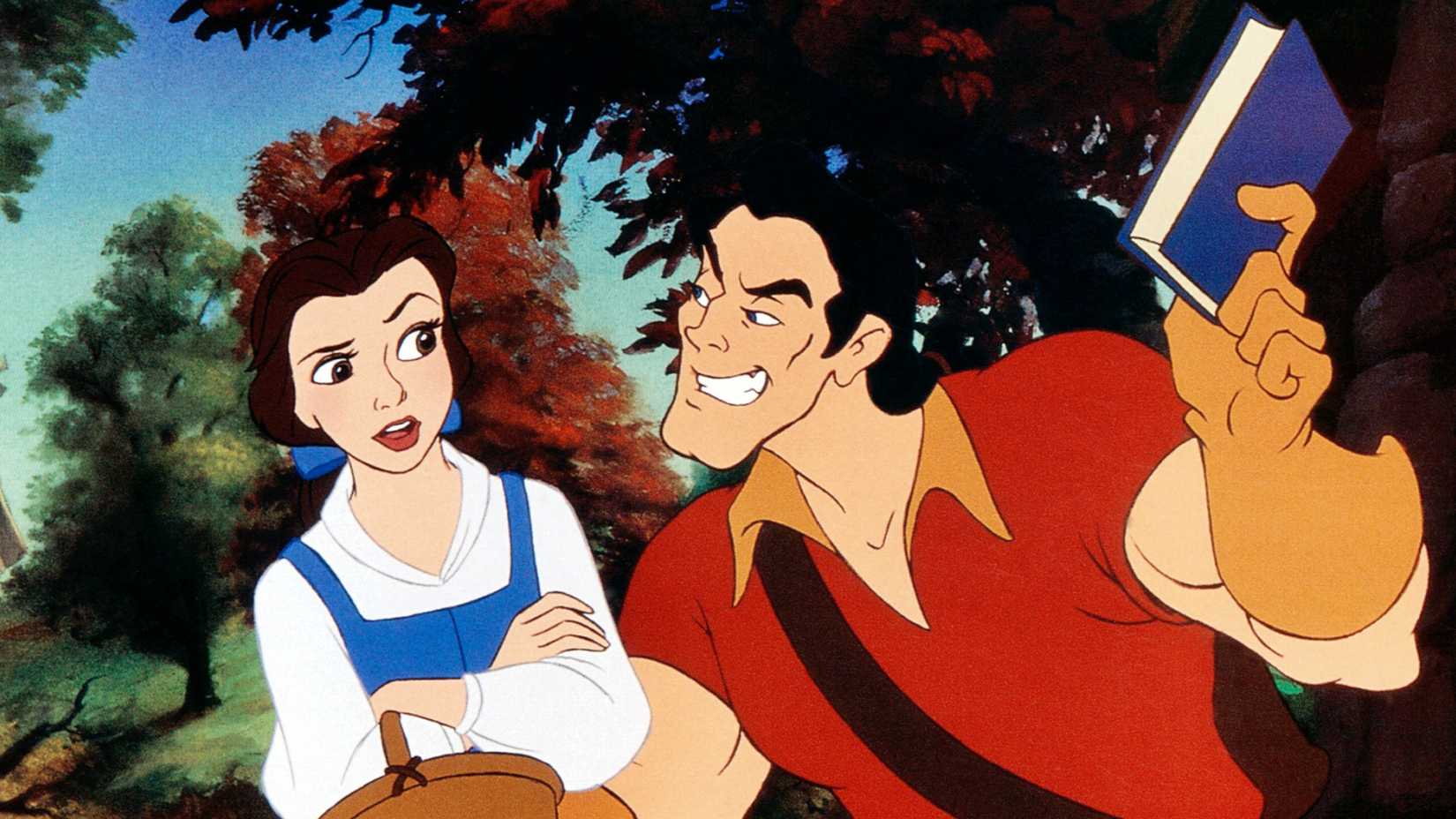
Let's get the obvious out of the way: Gaston is a jerk. By the end of the film, he's devolved to such a level that he's pretty much the titular "Beast." He probably didn't have that far to fall, given his famous song basically treats more like a thoroughbred than a human being. So no, Gaston is not the sympathetic hero, especially in the (delightful) live-action remake.
That said, Gaston does have a point in one respect: There's something genuinely disturbing about Beauty and the Beast. We have an enchanted castle ruled by a quasi-human animal, who holds a trespasser hostage and then demands Belle stay as his prisoner (ostensibly for the rest of her life). We can totally see why the nearby village might want to stage an intervention.
8 The White Witch

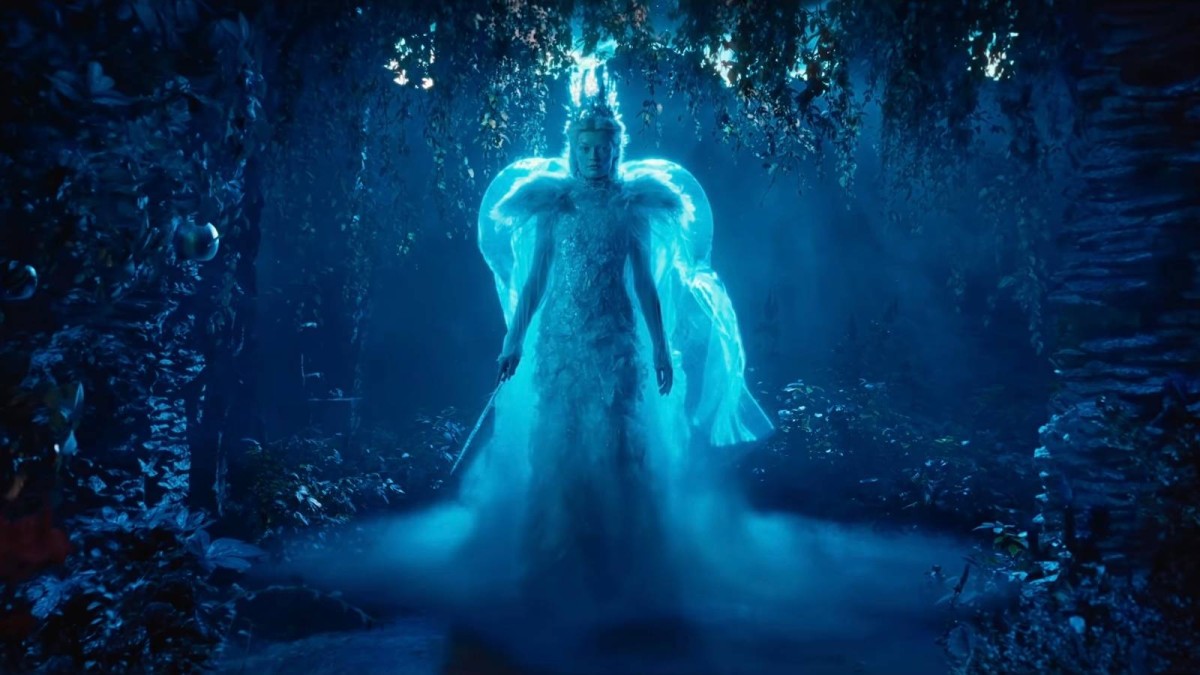
Now let's move to another classic villain, one whose motives feel oddly resonant with modern society: the White Witch. She believed society required a strong, powerful leader, and that the state had the absolute right to rule by force. Growing up in the courts of Charn, she looked on Narnia with distaste, recognizing that it was barely functional as a country. The White Witch was essentially your textbook authoritarian strongman, ruling by fear and coercion.
It's certainly true that Narnia lacked a functioning government until the White Witch took charge. But, of course, this is the catch; every authoritarian ruler forces a country to trade freedom against efficiency. And, as with Saruman, the White Witch's "solution" to Narnia's problems naturally lay in a power grab. The key difference is that she was successful, subjecting Narnia to an eternal winter until she was finally defeated by Aslan and the rulers he had chosen.
7 The Evil Queen In Snow White
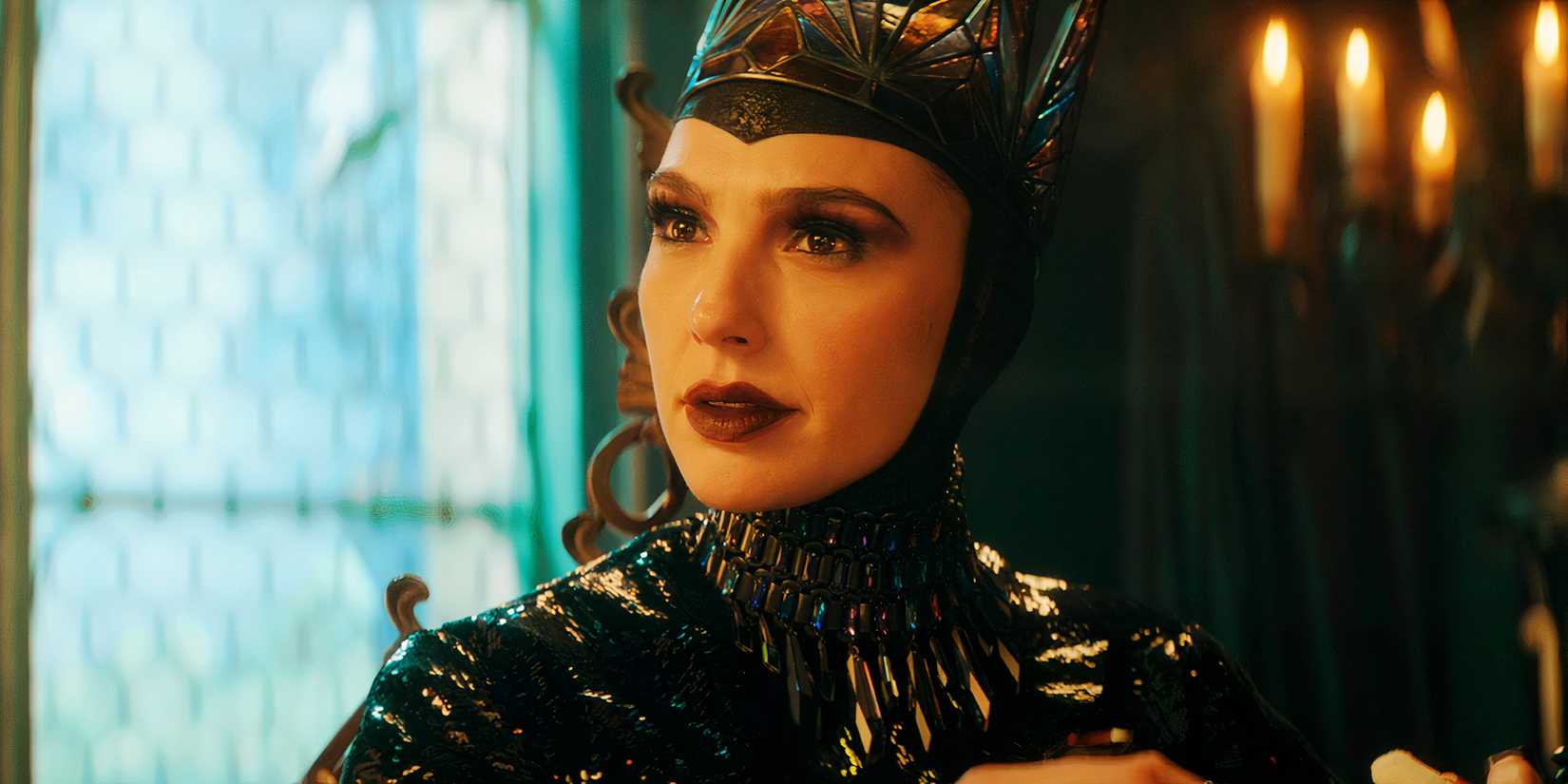
This one's a particularly shocking one to consider: the Evil Queen in Snow White. She shared the same lust for power as other names on this list, but with an added wrinkle: she recognized a critical flaw in the society of her time. There's a reason she endlessly asked her magic mirror who was the fairest of them all; she believed youth and beauty were a threat, because the society she lived in was utterly superficial. The Evil Queen believed her rule was secure only so long as she was the most beautiful woman in the kingdom.
She has a point. A wiser woman than the Evil Queen would have tried to challenge the standards of her time, confronting them by demonstrating better character. In the end, the Evil Queen doesn't lose to Snow White because the latter is more beautiful; she loses because she's driven by a burning lust for power, and pushed others into one impossible, horrific situation after another.
6 Hector Barbossa
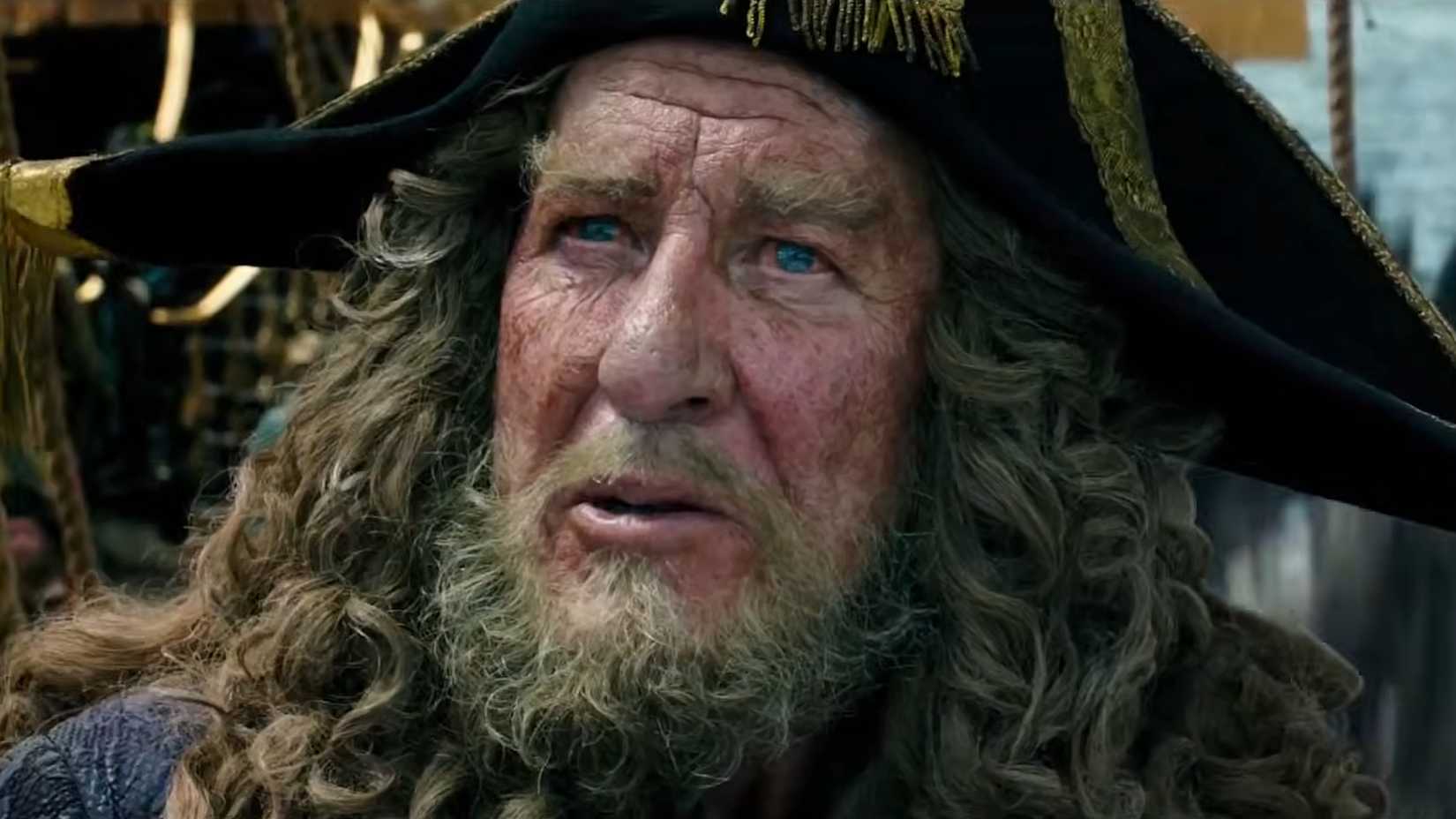
As with so many of these examples, Hector Barbossa was by no means a good man. A ruthless pirate, he started out as Jack Sparrow's first mate, and led a mutiny against the captain. He and his crew were basically fulfilling the "pirate" job description when they stumbled on Aztec gold, only to wind up cursed. He and all his crew were transformed into the undead.
By the time of Pirates of the Caribbean, Barbossa has only one goal: to break the curse. It's entirely understandable, because he and his crew were facing a literal fate worse than death. He wasn't seeking immortality; he wanted his mortality back, and he wanted it for his crew as well. Unfortunately, he went about this in entirely the wrong way.
5 Prince Nuada

The villain of Hellboy II: The Golden Army, Prince Nuada certainly had a strong case to make against humanity. In his view, the human race had expanded at the cost of the magical world. The elves had once possessed a kingdom, living alongside other magical races, but they'd lost their lands and been relegated to the stuff of legends. Elves were simply expected to decline and eventually die out.
Nuada fears his father has confused survival with submission. Not least because, as anyone with any knowledge of history knows, treaties with humans don't tend to last. Unfortunately, Nuada went to the other extreme; he moved from a desire for coexistence to a dream of dominance. He wants the power to impose his own will on the world, and he'll go to any lengths to achieve that goal.
4 Gorr The God-Butcher

By the time of Thor: Love and Thunder, the Thor films had basically evolved to the point where they were pure fantasy; Marvel had initially been wary of indulging in the supernatural, but had eventually committed to gods and demons in the best fantasy manner. Gorr the God-Butcher is a fascinating villain lifted straight from the comics, where he's a judgment on the gods themselves. He calls them out on their pride, the way they play games with their followers' lives.
The Thor franchise can be summed up in a single question: What does it mean to be worthy? Gorr is the ultimate expression of that question, because he asks whether the gods themselves are worthy. In the end, Thor triumphs by proving that he is. He even adopts Gorr's daughter, proving not all gods are equal.
3 Grindelwald

Now let's head to the Wizarding World, specifically to Gellert Grindelwald. Dumbledore's old flame, Grindelwald was a powerful wizard who became convinced wizards couldn't simply continue hiding from the Muggles forever. It's worth remembering that he lived at a time of social upheaval and technological change; Grindelwald was no doubt shaken by the atrocities of the First World War, and would have feared advancements in Muggle technology. With good reason, since he operated only a few years before nuclear bombs became a thing.
As in so many other cases here, he spotted a real problem and came up with the wrong solution. A wiser wizard would have perhaps started considering how Muggles and wizards could coexist. Grindelwald believed that might makes right, and sought dominance. It's the same reason he pursued the Elder Wand, but amplified as an actual political philosophy.
2 The Fairy Godmother

A smooth political operator, the Fairy Godmother is one of the few characters in Shrek to understand how a monarchy really works. Monarchy is more than just a throne; it's an entire political system, where the royal families lack agency because they wish to maintain the structure of society. That's why arranged marriages are the norm in monarchies. Every member of that royal family is expected to place the good of the system above their own desires.
She's right. The marriage of Fiona and Shrek is, politically speaking, an absolute disaster for the royal family. It would inevitably cause almost nonstop constitutional chaos in the kingdom. But notice the flaw in the Fairy Godmother's position: she has become too focused on systems, and ceased to care about people. That's why she's willing to resort to murder to get what she wants.
1 The Wicked Witch Of The West

We're all familiar with the way Wicked rewrote Elphaba's story. But the seeds are there in The Wizard of Oz, because there's something rather disturbing about the forces arrayed against the Wicked Witch of the West. She's classed as the Wizard's greatest threat, but he's a man who rules through deception; originating from another country, he essentially took it over by pretending to be magical. Even more shocking, he commissions a child assassin to kill his political rival. Again, the Wicked Witch's own character is the problem; but why is she the real villain?
Wicked changes the Witch's story, turning Elphaba into a scapegoat. The rewrite is a smart one, simply because it pays off everything already present in the original tale: rather than serve as a villain, Elphaba is an agent of change who allows herself to be blamed so everything wrong in Oz can be put right.
What's Your Reaction?
 Like
0
 Dislike
0
 Love
0
 Funny
0
 Wow
0
 Sad
0
 Angry
0




Comments (0)